Edgy, Shaggy, and Retro Styles: 20 Mullet Wolf Cut Ideas Worth Booking Now
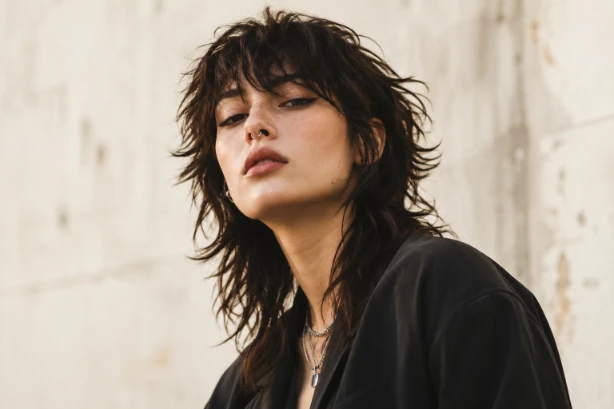
The mullet wolf cut sits at a very specific intersection — it’s the hairstyle that looks like David Bowie’s stylist handed scissors to someone who’s been deep in a Y2K Pinterest spiral, and somehow it works completely. According to Perfect Corp’s 2026 wolf cut guide, the wolf cut is one of the most popular hairstyles of 2026, combining the textured volume of a shag with the bold shape of a mullet. “It features choppy layers, textured volume, and a lived-in look that’s both edgy and effortlessly stylish” — and the mullet hybrid takes that energy and amplifies it.
What separates the mullet wolf cut from a regular wolf cut is the deliberate exaggeration of the front-to-back length ratio. The front section sits significantly shorter than the back, creating the classic mullet silhouette, while the wolf cut’s internal layering system prevents it from looking like a retro accident. The result: something that belongs simultaneously on a vintage record cover and a current street style gallery.
Here are 20 of the most compelling variations to consider.
Edgy, Shaggy, and Retro Styles: 20 Mullet Wolf Cut Ideas
1. The Velvet Rebel — Deep Burgundy Mullet Wolf
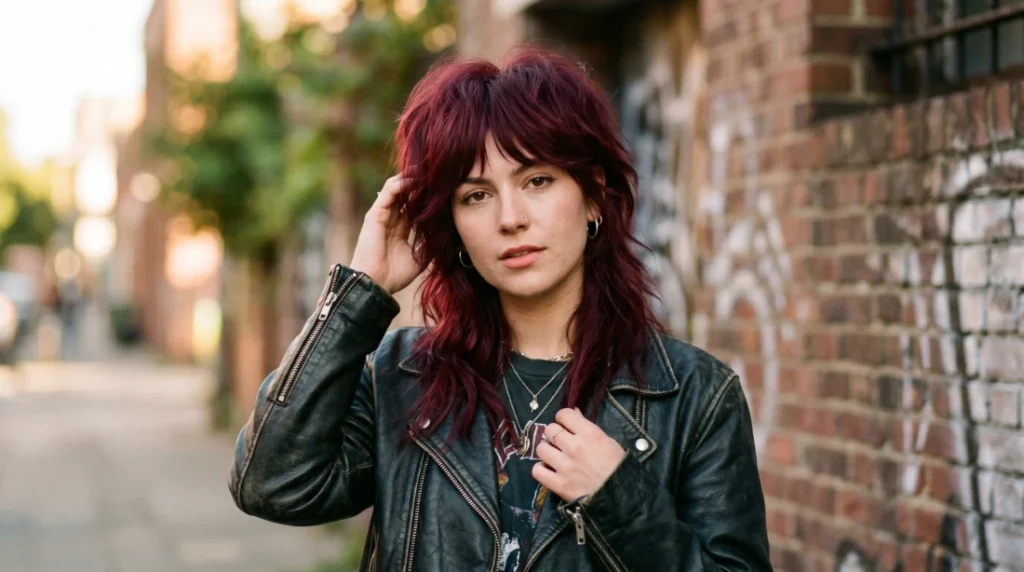
Deep burgundy on naturally dark hair in a medium-length mullet wolf with feathered crown layers and a back that grazes the mid-shoulder blade. The whole look has a velvety richness — saturated, warm, and slightly dangerous. The structural layering removes bulk from thick, heavy dark hair while the color transforms what would otherwise read as severe into something genuinely magnetic.
Styling tip: A color-protecting finishing spray with UV filters prevents the burgundy from oxidizing toward a tired brown between appointments. Burgundy fades fastest at the ends — concentrate the spray there specifically.
2. The Bleach & Destroy — Platinum With Dark Roots
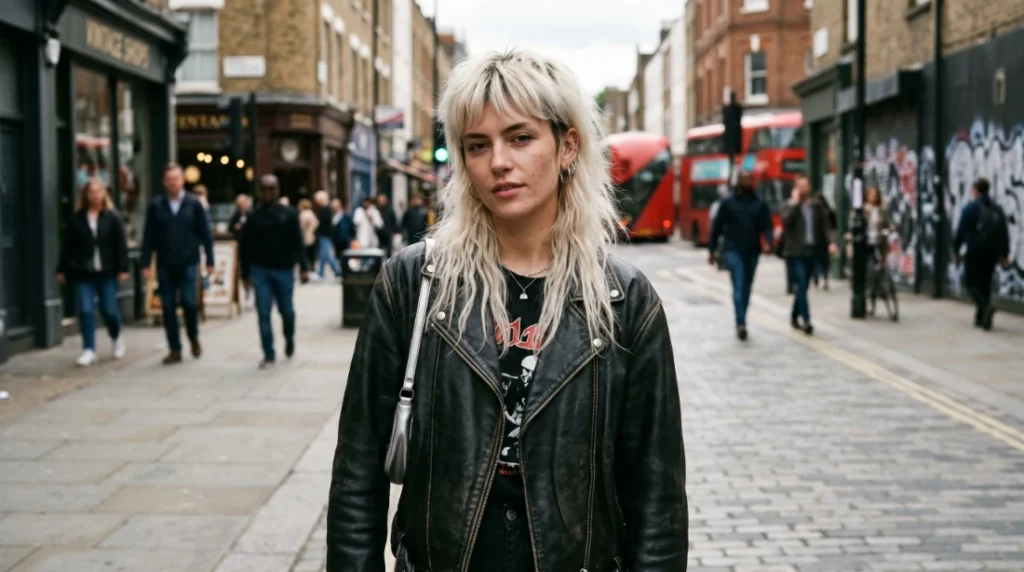
Heavy platinum bleach with aggressive dark roots — short mullet wolf with choppy, point-cut layers up front and a longer, wilder tail at the back. Pure punk, no apologies. The stark contrast between the dark root and the platinum body gives the cut its graphic, high-fashion quality that photographs unlike anything else.
Styling tip: A bond-repairing foam worked through damp hair before styling is non-negotiable for bleach-damaged strands. It rebuilds internal scaffolding so the ends don’t go cottony or brittle between salon visits.
3. The Copper Time Machine — Retro Warm Copper Waves

A rich, retro copper — more 1970s warmth than modern Instagram copper — in a shaggy, layered mullet wolf with a rounded crown and a back that extends in loose, organic waves. Nostalgic, warm, and completely magnetic. The rounded crown volume lifts fine hair and creates a shape that reads as full and structured without relying on actual density.
Styling tip: A sea salt spray mixed with a touch of argan oil coaxes fine, color-treated copper hair into the loose, organic waves this cut was designed to wear. Apply to damp hair and scrunch — don’t brush through.
4. The Inky Shag — Jet Black Glass Hair Mullet
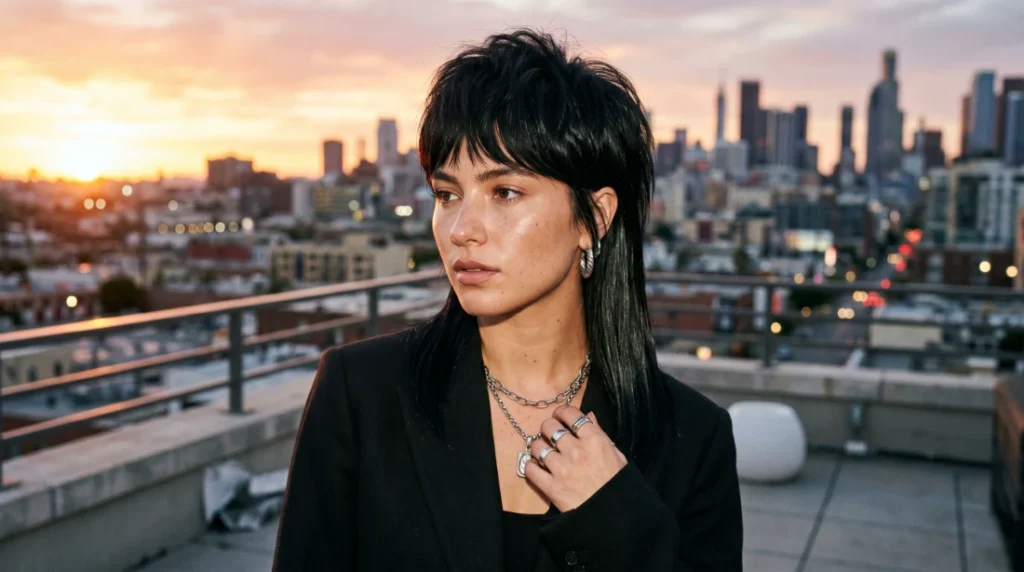
Jet black, high-gloss, with a very deliberate front-to-back length contrast — the crown stacked and full, the back falling into a sleek, straight curtain. Cinematic and calculated. Straight black hair shows every layer the stylist puts in, giving this cut a graphic, almost architectural quality that can’t be achieved on any other hair type or color.
Styling tip: A shine-amplifying gloss serum applied to the back sections specifically — not the roots — gives the straight curtain its glass-hair finish without weighing down the crown volume.
5. The Desert Rose — Faded Pink Over Bleached Blonde
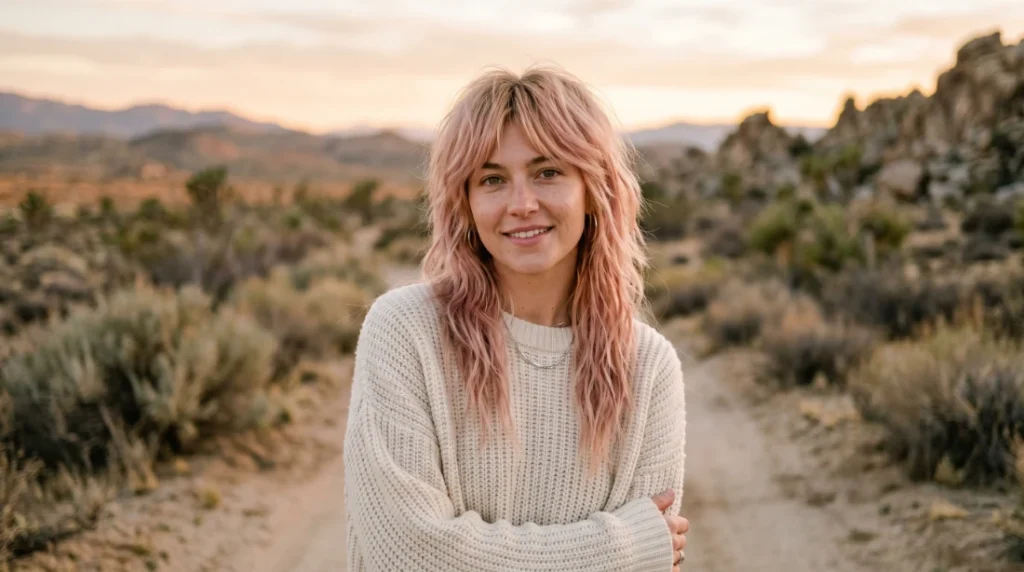
A faded, dusty rose over bleached blonde with visible warmth at the roots. Medium-length mullet wolf, softly feathered throughout, worn with a casual middle part. The root warmth and the faded rose blend in a gradient that looks intentional at every growth stage — making this one of the most forgiving-grow-out mullet wolf variations.
Styling tip: A pigment-depositing rose conditioner used every other wash extends the color’s vibrancy without repeated bleach damage. Pastel shades fade fastest — active pigment maintenance is the habit that keeps this looking intentional rather than washed out.
6. The Tennessee Honey — Warm Blonde Country Shag
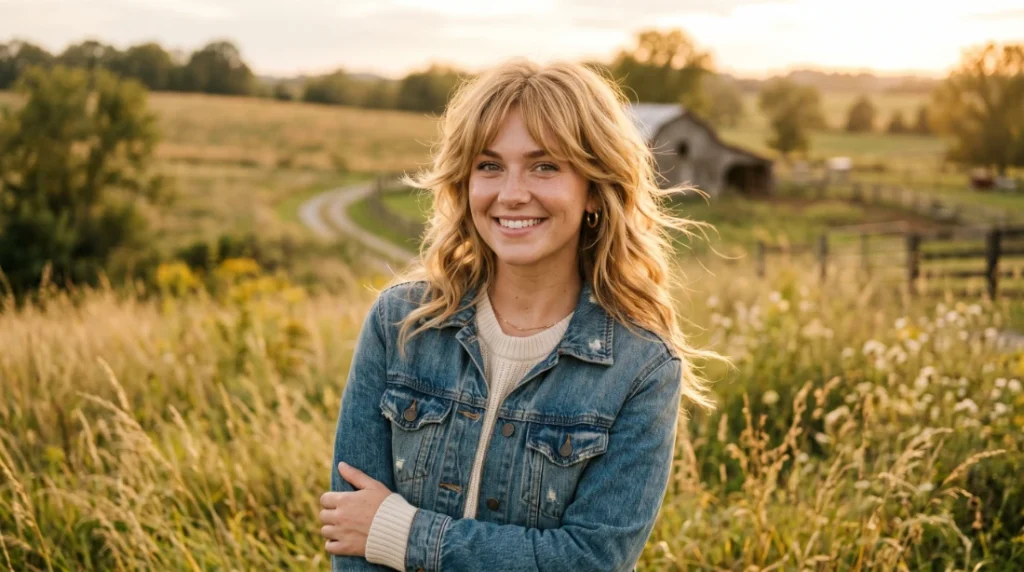
Warm blonde honey in a big-crowned, cascading-wave mullet wolf with curtain bangs that graze the cheekbone. Retro country-rock meets modern texture play. The big crown volume on medium-thick hair draws the eye upward — specifically beneficial for round face shapes looking for vertical dimension that doesn’t rely on the cut alone.
Styling tip: A volumizing mousse worked from root to mid-shaft before blow-drying creates the rounded crown lift that makes this aesthetic work. Without the root volume, the whole silhouette goes flat and the wave pattern alone can’t compensate.
7. The Obsidian Fringe — Black Mullet With Full Blunt Bang

A dense, heavy black mullet wolf with a full blunt bang that hits just above the brow — not curtain bangs, but a complete horizontal fringe. The deliberate contrast between the geometric bang and the shaggy back layers is jarring in the best possible way. This combination creates a strong horizontal line that shortens oval or long face shapes while the back layers add the volume that prevents the overall silhouette from going too bottom-heavy.
Styling tip: A straightening balm used specifically on the bang section during blow-drying keeps those blunt edges razor-precise. Even the slightest wave in a blunt bang reads as a styling mistake rather than intentional texture.
8. The Indie Sleaze — Brassy Grown-Out Roots
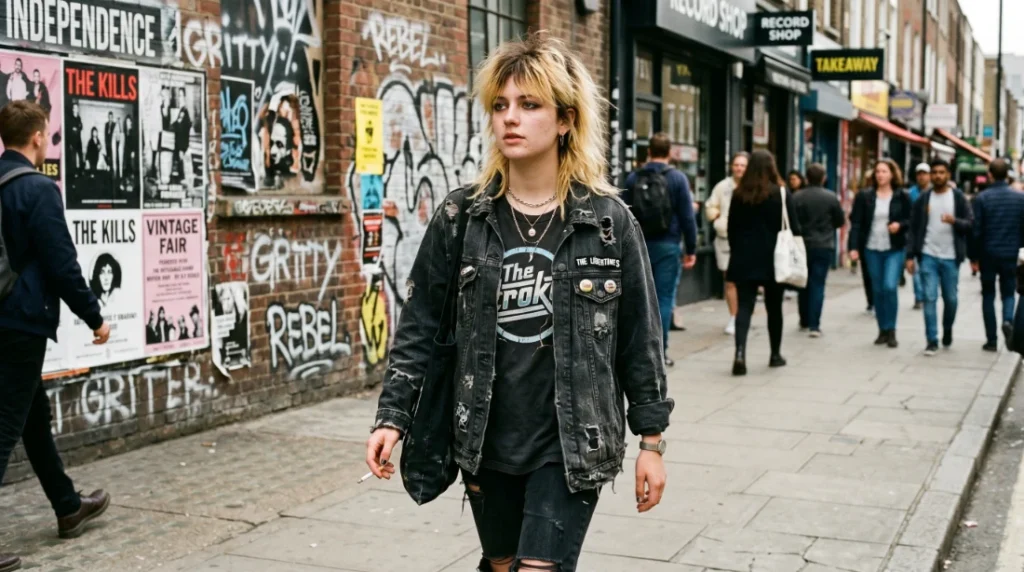
Grown-out dark brown roots bleeding into deliberately brassy, golden blonde — unpolished by design. Mid-length mullet wolf with heavy shag layers and intentionally roughed-up ends. For those who genuinely avoid styling routines, this variation was engineered to look better the less effort you put in. The rough ends and brassy color are the aesthetic, not the accident.
Styling tip: A light-hold texture spray scrunched into dry hair with zero combing is genuinely all this cut needs. More product and more styling actively work against this look.
9. The Golden Mullet — Amber Front-to-Back Contrast

A warm, deep amber worn in a short-in-the-front, long-in-the-back mullet wolf where the contrast between front and back length is at its most dramatic. Bold, unapologetic, and loudly retro. The extreme front-to-back contrast elongates the neck and draws attention away from a wider jawline on square face shapes.
Styling tip: A clear-coat glossing service every six weeks maintains the depth and warmth of the amber tone while keeping the back length healthy rather than sun-damaged and dull.
10. The Rodeo Queen — Chestnut With 70s Waves
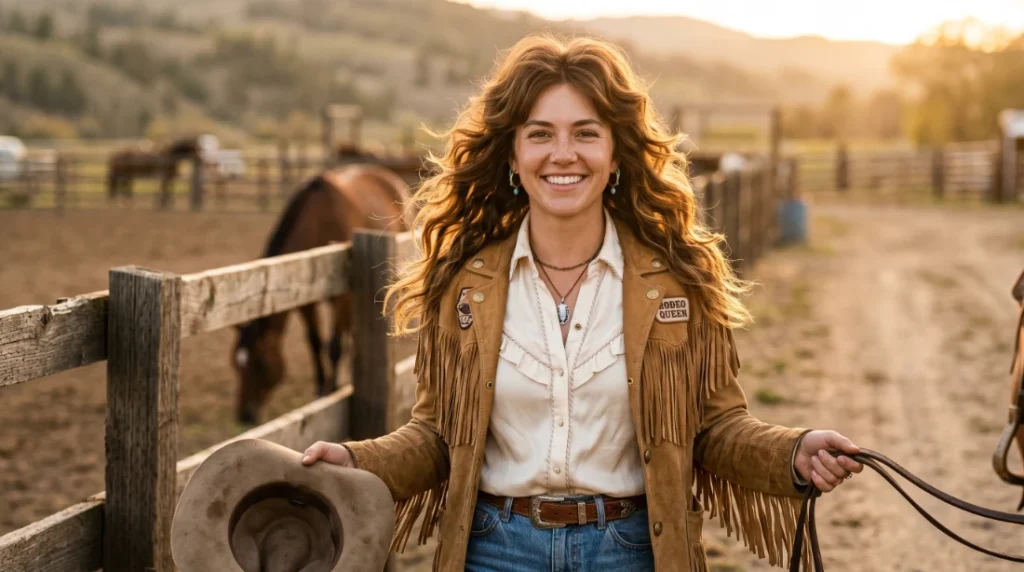
Classic chestnut brown with golden-brown highlights in a romantically exaggerated mullet wolf — full, rounded crown and a back that falls in cascading, almost theatrical waves. Gives thick hair a directional shape and purpose rather than allowing it to expand formlessly. The cascading wave pattern channels the volume into controlled, beautiful movement.
Styling tip: A large-barrel 2-inch curling wand worked through the back sections in alternating directions, then finger-combed apart, creates the 1970s cascade without looking set or stiff. Alternate directions are the key to natural-looking vintage wave pattern.
11. The Bruised Violet — Deep Eggplant Mullet

A deep, bruised violet — more eggplant than lavender — in a medium-length mullet wolf with feathered ends and a deliberately messy, just-woke-up top section. Moody, artistic, and slightly confrontational. The feathered ends of this cut reduce the visual weight of thick dark hair that can make deep jewel tones look heavy rather than luminous.
Styling tip: A hydrating purple-depositing mask used every two weeks maintains the color and delivers the moisture that dark, repeatedly dyed hair needs to keep its shine. Moisture and pigment maintenance are doing equal work here.
12. The Ash & Ember — Two-Tone Crown-to-Back Gradient

Ash grey on top melting into warm ember-auburn at the ends — the color transition deliberately aligned with where the layers shift from crown to back. The mullet wolf makes the two-tone design feel intentional, not accidental. The automatic visual distinction between the crown and back sections makes the front-to-back length ratio of the mullet read more dramatically without requiring an extreme haircut.
Styling tip: A bond-protecting color treatment applied before bleaching the ends preserves the tensile strength of strands holding two different chemical processes simultaneously. Two-tone color on a mullet wolf is the most structurally demanding combination on this list.
13. The Studio 54 — Glossy Mahogany Feathered Wings
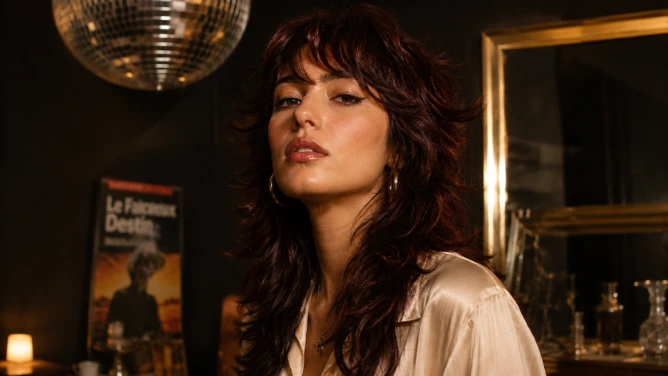
A glossy, deep mahogany with a hint of burgundy — feathered extensively throughout. Fully committed to the 70s disco reference: big volume at the crown, long feathered wings at the back, and a center part that means business. The feathered wings remove significant bulk from the back of thick hair while maintaining the dramatic length that makes the mullet silhouette work.
Styling tip: A round brush on the crown during blow-drying creates the 70s lift, while a flat iron used with an outward flick technique shapes the back feathers into their correct, disco-era angle. Two tools, two completely different jobs.
14. The Smoked Pearl — Oyster Grey With Long Back

An oyster grey-white with barely perceptible lavender undertones — longer, more dramatic mullet wolf with flowing back length and whisper-light front layers. Quiet, luminous, and startlingly sophisticated. Creates visible structure and definition on very light, fine hair that typically reads as formless without strong layering to give it shape.
Styling tip: A biomimetic silk serum pressed into the ends of the back length prevents the porosity that grey-toned hair is prone to, keeping the whisper-light ends from going frizzy and dull throughout the day.
15. The Chocolate Shag — Full 70s Shag Mullet
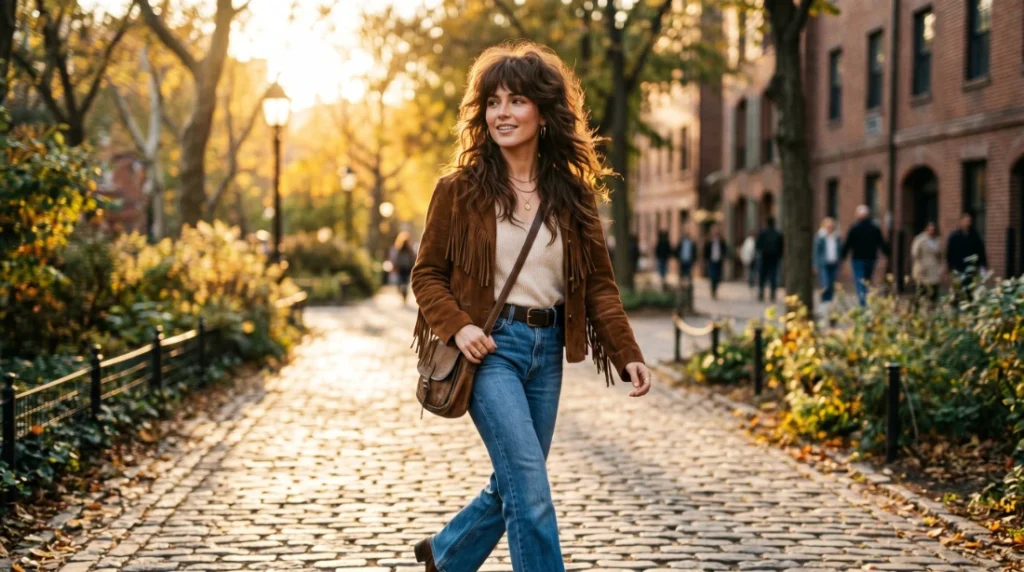
A rich, mid-tone chocolate brown in a full, textured shag mullet — maximum volume at the crown, heavy shag layers throughout, and a notably longer back with the same chunky layer treatment. Deeply 70s and deeply satisfying. The shag layering throughout converts thick hair’s unmanageable mass into a directional, stunning shape rather than an expanding formless volume.
Styling tip: A light-hold defining cream worked through all sections on damp hair before air drying keeps the shag layers separated and piece-y rather than clumping together into undefined waves.
16. The Ghost Town — White-to-Blue-Grey Gradient

Bleached white at the crown slowly absorbing into a pale, barely-there blue-grey at the ends. Long and dramatic, with the back length showcasing the full gradient. Hauntingly beautiful. The structural silhouette gives very light blonde coloring the weight and presence it would otherwise lack — pale hair disappears without a strong cut to anchor it.
Styling tip: A blue-toning gloss used every four weeks prevents the white sections from going brassy and pulls the ends back toward the cool blue-grey tone that makes this gradient extraordinary.
17. The Retrograde — Full 80s Blown-Out Mullet
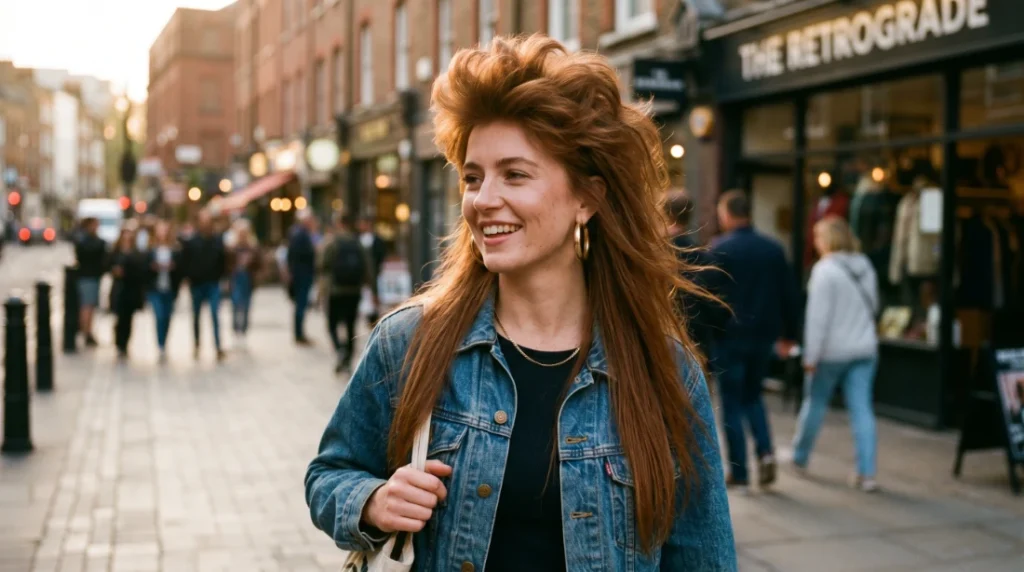
A full-commitment 80s mullet wolf — warm auburn, blown out to maximum volume at the crown, with the back hair pressed into a glossy, straight curtain. The contrast between the voluminous top and the sleek back is the entire point: two completely different textures, two completely different decisions, coexisting in one deliberately constructed haircut.
Styling tip: Volumizing mousse and a round brush exclusively for the crown section; a flat iron and shine spray exclusively for the back. Keeping these two zones technically distinct is the whole trick — treat them as separate styling assignments.
18. The Lava Lamp — Crimson-to-Molten-Orange Gradient
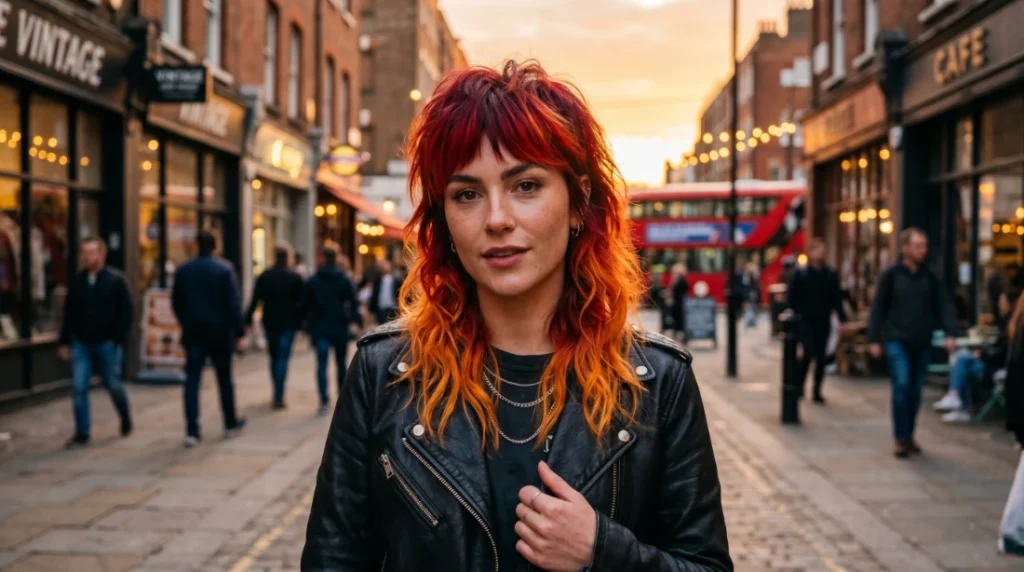
A red-to-orange lava flow — deep crimson at the roots cascading into molten orange at the tips. Long and layered, with the gradient most visible in the back’s extended length. Hypnotic and impossible to overlook. On thick hair, the layered back length channels volume into a cascading directional movement that makes the color gradient visible from every angle simultaneously.
Styling tip: A color-locking bond treatment used immediately after coloring reduces the rate of color fade by sealing the cuticle around the new pigment molecules before they can escape with the first wash.
19. The Prairie Fire — Auburn 3A Curls Mullet

Warm, natural auburn on free-form curly hair — the mullet wolf at its most joyful and maximalist. The crown is a full halo of tighter coils; the back is longer, stretched-out ringlets. Redefines the triangle silhouette that naturally curly hair tends to form into a more deliberate top-heavy halo that’s dramatically more flattering and more structurally intentional.
Styling tip: The LOC method (liquid leave-in, then oil, then curl cream) applied from root to tip on soaking-wet hair ensures every coil is moisturized enough to hold its shape through the back’s longer length without frizzing out.
20. The After Midnight — Blue-Black With Slicked Crown and Wild Back
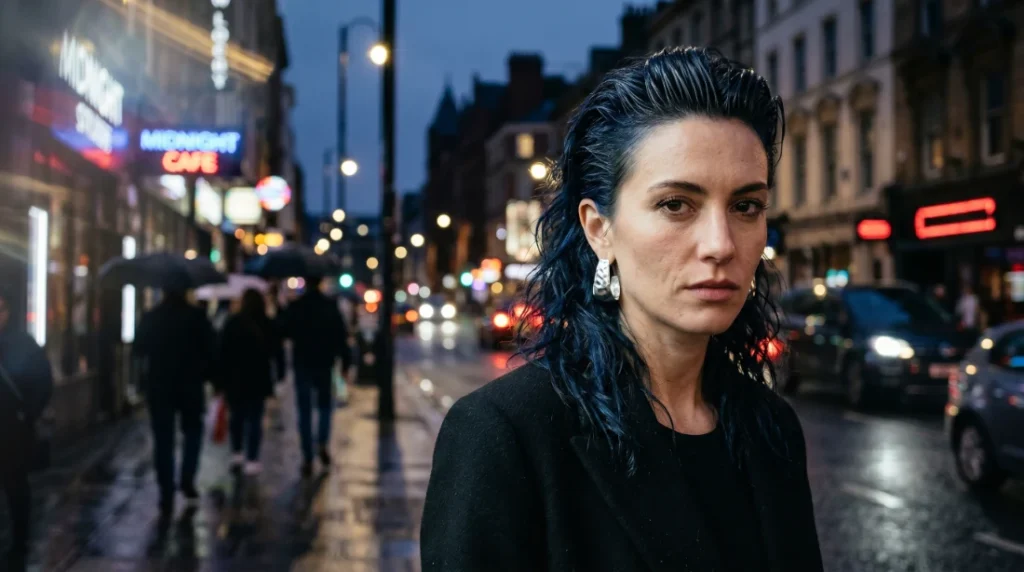
A deep, blue-black with a wet-look gel crown and wild, un-gelled back waves that break loose from the slicked top like the second act of a great night out. Controlled chaos. The most dramatic possible contrast between the crown and back sections, making the mullet silhouette read as theatrical and fully intentional.
Styling tip: A strong-hold gel applied exclusively from root to ear level — then stopped completely — creates the hard transition line between slicked crown and wild back. It should look like two separate decisions that decided to coexist.
Maintenance Essentials for Mullet Wolf Cuts
Trim every 6–8 weeks without exception. The mullet wolf’s defining front-to-back contrast collapses as the back grows. At six weeks the shape is clean; at ten weeks it reads as an accidental growing-out situation rather than a deliberate style choice.
Master the two-zone approach. The crown and back of a mullet wolf are two different styling assignments. Volumizing tools for the crown, movement-enhancing tools for the back. The contrast between the two zones is the point — never treat both sections identically.
Protect the back length overnight. A loose braid worn down the back while sleeping prevents the longer back section from tangling and breaking. Combine with a satin pillowcase and your ends will hold their feathered quality through to the next wash day.
Texturizing spray is the most essential product. A good sea salt or texturizing spray is responsible for the piece-y, separated effect that makes the layers look intentional. Work it through dry hair by scrunching — never brushing through after application.