Chestnut Brown Hair: 10 Modern Styles, Shade Guide, and Pro Care Tips
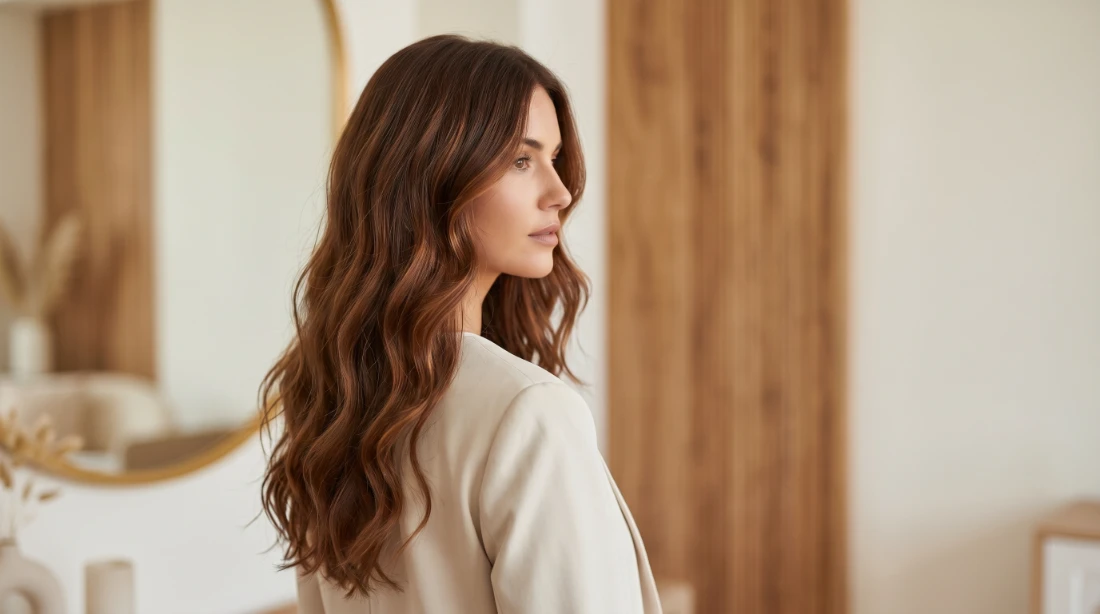
Chestnut brown is one of those hair colors that manages to look expensive indoors and genuinely glow in sunlight. The warm brown base with its soft red and golden undertones creates a natural dimensional quality that flat, single-process color simply can’t replicate — light hits it differently from every angle, and it tends to look more interesting at the end of the day than it did in the morning.
According to GK Hair’s 2026 chestnut hair color guide, chestnut hair color rests on a warm brown base with a soft red or golden shine that is highlighted when light hits it — subtle but expensive-looking rather than flat, and it goes perfectly with everyday makeup and wardrobe shades, making it suitable year-round.
Here’s everything worth knowing — from the 10 best ways to wear it, to how to choose the right shade, to the maintenance habits that keep it looking its best.
What Is Chestnut Brown Hair?
Chestnut brown sits in the medium-to-dark brown range with warm, reddish undertones. It takes its name from the reddish-brown hue of the actual chestnut nut — rich, warm, and multidimensional in a way that looks like something the hair does naturally rather than something applied at a salon.
The shade works across a wide range of skin tones because of its balanced warmth — not so golden that it clashes with cool complexions, not so red that it overwhelms fair skin. It’s one of the most universally flattering natural-looking colors available, and it’s consistently one of the most requested shades at salons for exactly that reason.
Why Chestnut Brown Works for Almost Everyone
It’s genuinely low-maintenance. Because the warm undertones sit close to many natural hair bases, chestnut brown grows out without creating a jarring demarcation line. Touch-ups can typically be stretched to every 8–12 weeks.
It’s flattering across skin tones. The warm-neutral balance in chestnut brown suits fair, medium, olive, and deeper skin tones — adjusting the specific depth and undertone based on complexion rather than requiring a completely different shade.
It works on every hair texture. Straight, wavy, curly — chestnut brown adds dimension to any texture. On curly hair it’s particularly striking, with the warm undertones catching light through each curl and creating genuine depth.
It’s timeless. Chestnut brown has been consistently relevant across multiple decades and shows no sign of dating. Unlike trend-specific fashion colors, it works in every season and suits every personal style from minimalist to maximalist.
Chestnut Brown Hair: 10 Modern Styles to Try
1. Classic Chestnut Waves
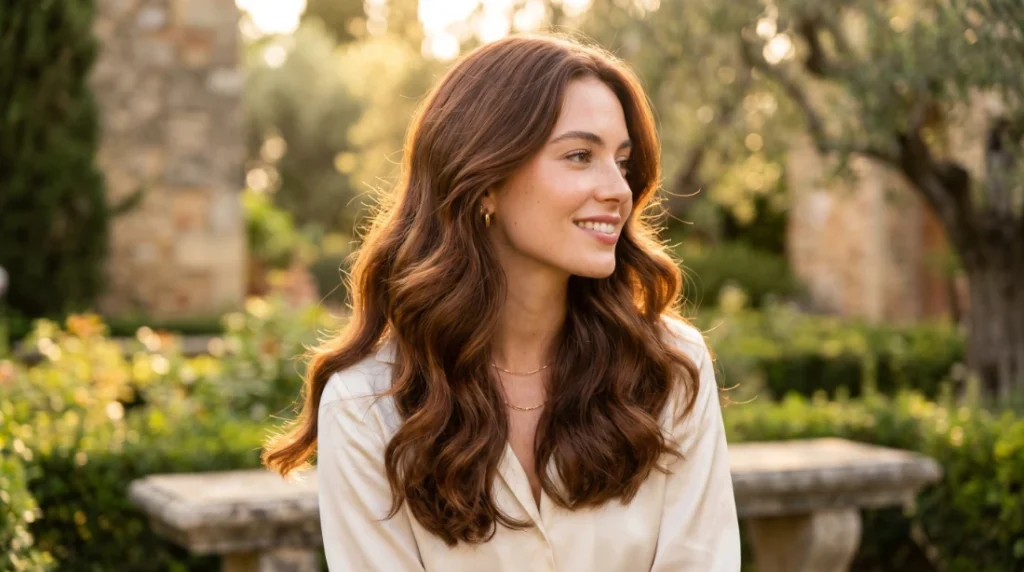
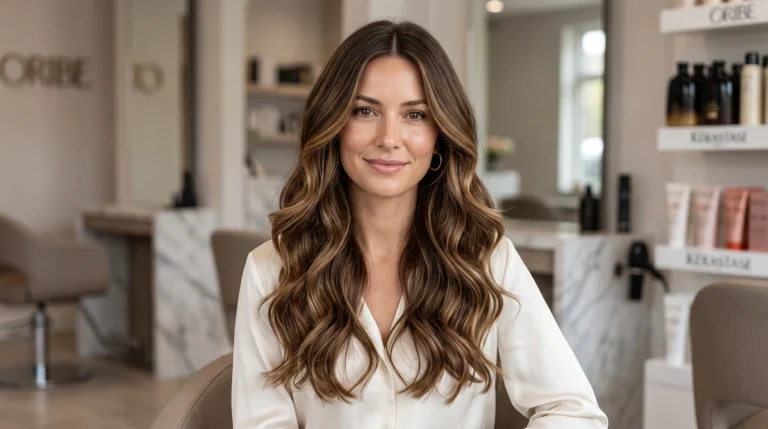
Soft, loose waves on a rich chestnut base is the purest expression of what this color does best. The movement of the waves allows the warm reddish undertones to catch light differently with every shift — the color looks more dimensional in motion than it does standing still, which is one of the most distinctive qualities of chestnut brown.
This style requires no highlights or color techniques beyond the base shade itself. The chestnut color and the wave pattern do all the work together.
Salon ask: “Rich chestnut brown all-over with a high-shine gloss finish.”
2. Chestnut Balayage
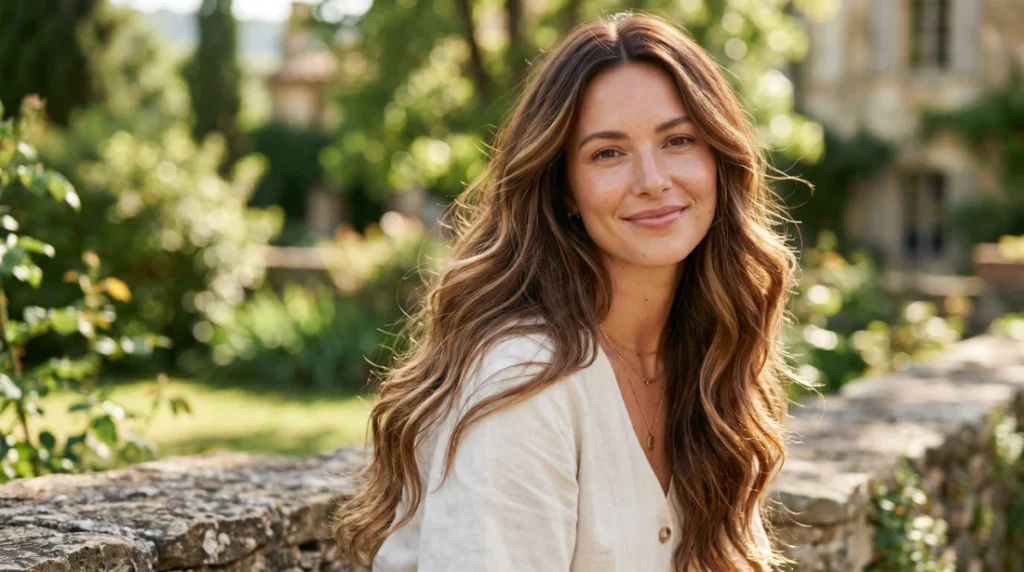
A gradual hand-painted transition from a darker chestnut root into lighter warm highlights through the mid-lengths and ends. The freehand technique creates soft, blurry edges that read as natural sun-lightening rather than salon placement. The result is a sun-kissed dimensional effect that grows out beautifully without a visible demarcation line.
This is the most popular chestnut technique for good reason — it delivers the most natural-looking result with the least frequent maintenance.
Salon ask: “Chestnut balayage — dark warm root, lighter chestnut mid-lengths, soft seamless blend.”
3. Auburn-Chestnut Blend
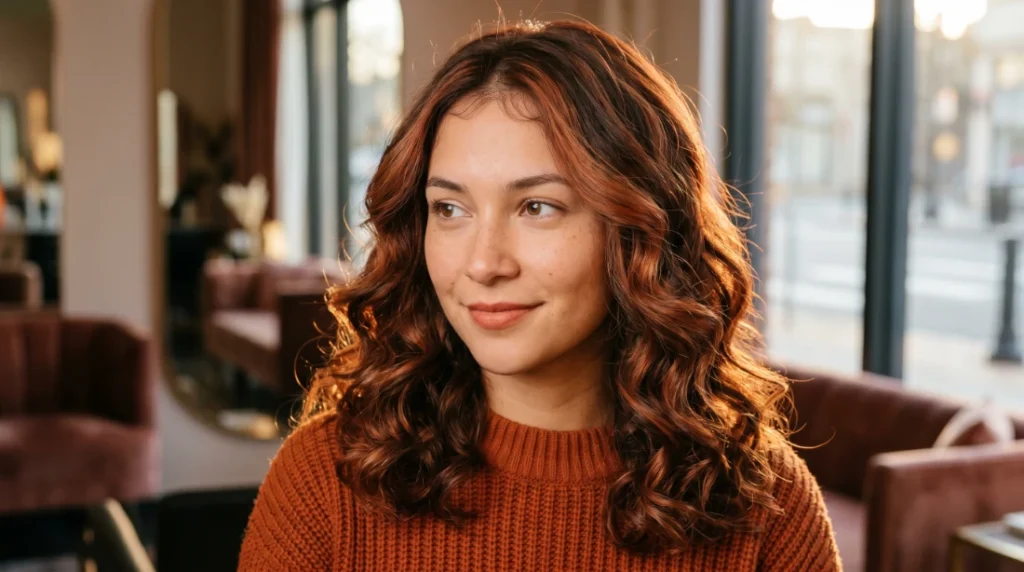
Chestnut brown enriched with auburn tones creates a fiery, jewel-toned warmth that catches light dramatically — particularly in outdoor settings where the red and copper undertones emerge fully. It’s bolder than standard chestnut but not as maintenance-heavy as a full auburn or red color.
Best suited to warm and olive skin tones where the red undertones in the hair create reciprocal warmth with the complexion. Works particularly well on wavy and curly hair textures where the color refracts through each wave.
Salon ask: “Chestnut brown with auburn gloss — warm reddish depth throughout, not full red.”
4. Chestnut Ombré
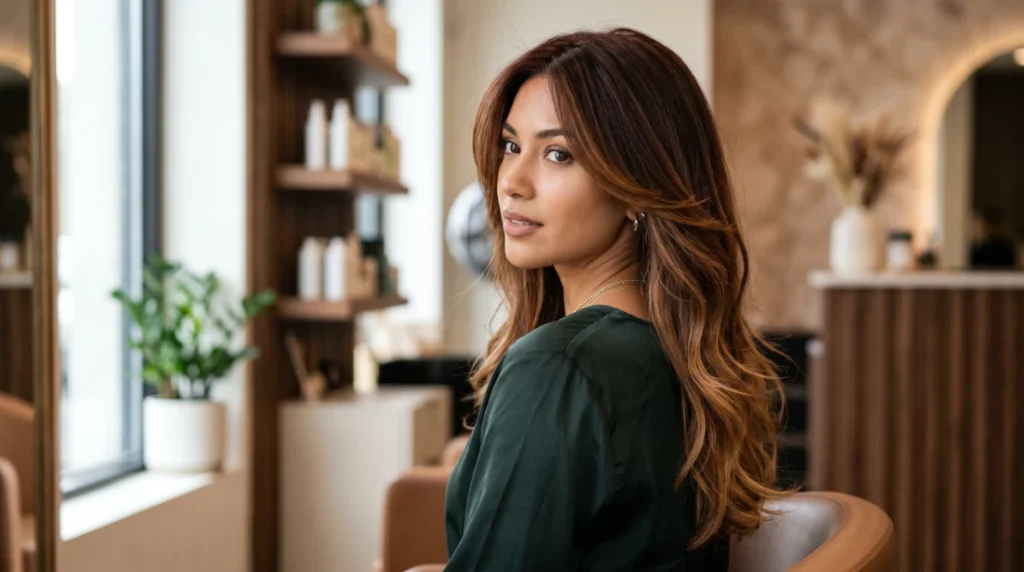
A chestnut ombré features darker roots that gradually fade into lighter, warmer chestnut tips — a seamless, natural-looking gradient with no harsh lines. The lighter ends add brightness and movement to longer hair while the darker root maintains grounding and depth.
The forgiving grow-out pattern is a significant practical advantage here — as the root grows in, it blends naturally into the gradient rather than creating an obvious line that needs immediate refreshing.
Salon ask: “Chestnut ombré — deep warm root fading into lighter chestnut ends, soft blurred transition.”
5. Chocolate and Chestnut Fusion
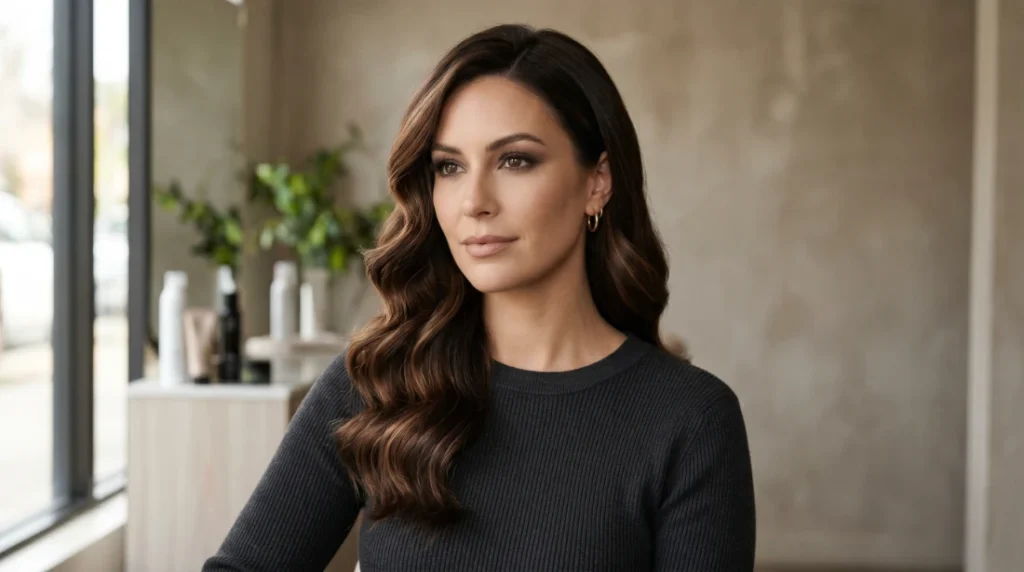
A deep chocolate brunette base with chestnut warmth introduced through gloss or subtle balayage creates a luscious, rich combination — dark and grounded with just enough warmth and movement to prevent it from looking flat. The depth of the chocolate provides visual weight while the chestnut adds the dimensional quality that makes the color interesting.
Particularly well-suited to longer hair where the depth has room to breathe and the warmth has room to develop through the lengths.
Salon ask: “Dark chocolate brunette base with chestnut warmth through the mid-lengths — rich, dimensional, high gloss.”
6. Chestnut Brown With Honey Highlights
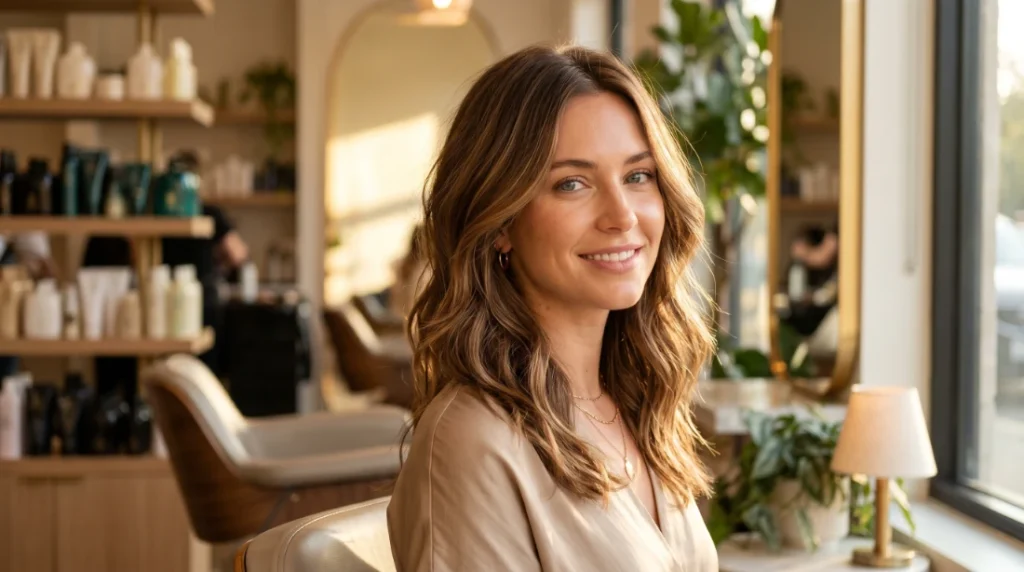
Fine honey-toned highlights woven through a chestnut base add brightness and radiance without introducing obvious contrast. The golden honey tone shares warmth with the chestnut base rather than competing with it, creating a layered, sun-kissed effect that looks particularly luminous on straight and slightly wavy hair textures where each highlighted strand is clearly visible.
This is the right technique for adding dimension to chestnut brown without anyone being able to identify specific highlight placement — the effect reads as natural rather than colored.
Salon ask: “Chestnut brown with fine honey babylights — warm golden tone, very natural finish, no obvious foil lines.”
7. Curly Chestnut Locks
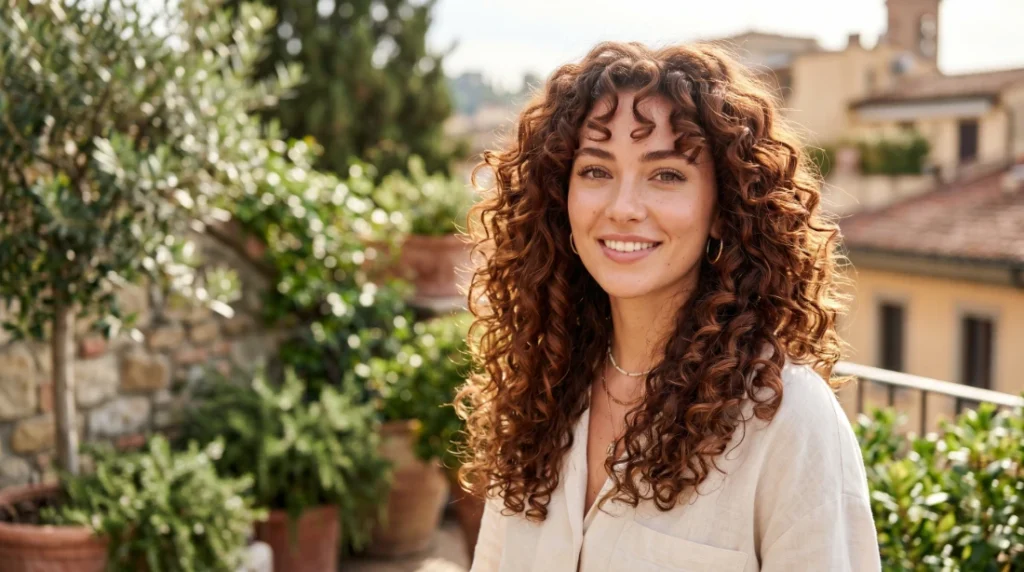
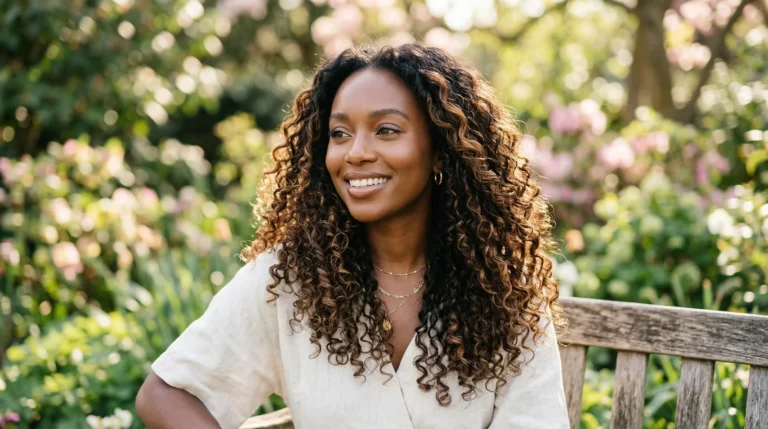
Natural curls in chestnut brown create a voluminous, textured look where the warm undertones refract through each curl to create genuine depth and movement. The curls amplify the dimensional quality of the color in a way that straight styling simply cannot — each curl catches light independently, making the hair look richer and more interesting from every angle.
No additional color technique is needed for this look to work. A rich chestnut base with a gloss treatment and well-defined curls is the complete picture.
Salon ask: “Rich chestnut brown with a warm gloss treatment — and a curl-enhancing styling routine to maximize the dimension.”
8. Ashy Chestnut Brown
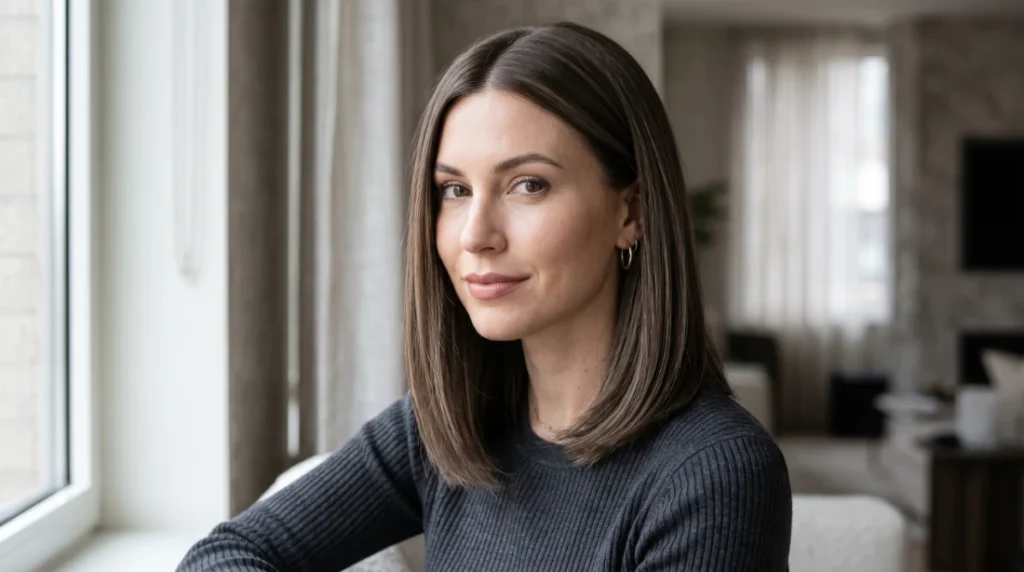
A cooler, more muted interpretation of chestnut brown that replaces the warm reddish undertones with softer ashy notes — the result is sophisticated, understated, and distinctly modern. It’s chestnut brown for people who love the medium-depth shade but prefer their color to sit in a cooler register.
Works particularly well on cooler skin tones where warm chestnut can sometimes clash with the complexion. This version creates harmony rather than contrast.
Salon ask: “Ashy chestnut brown — cool neutral undertone, muted finish, no red or gold.”
9. Chestnut Brown Bob
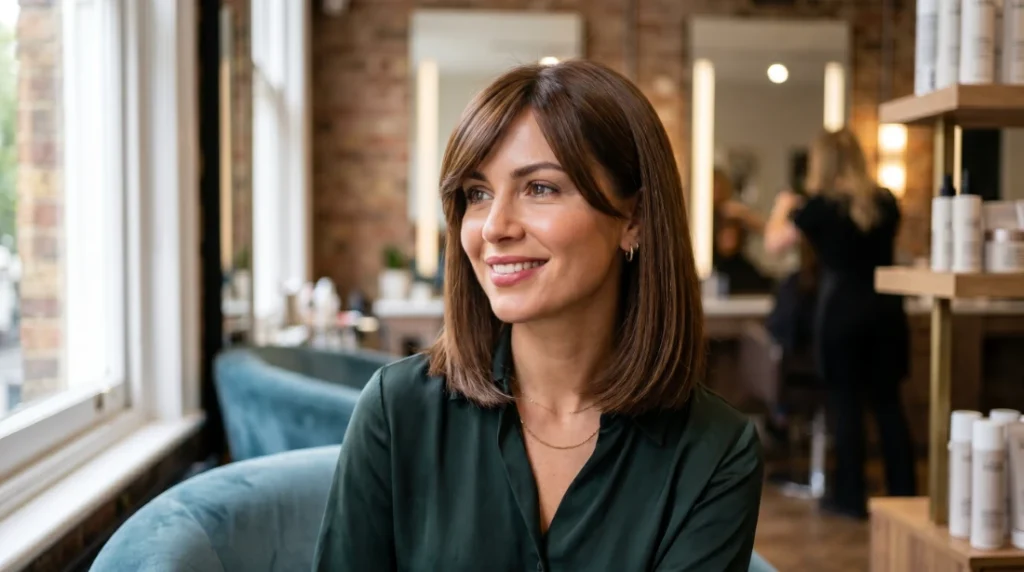
A sleek, structured bob in chestnut brown is one of the most polished ways to wear this color. The clean lines of the cut emphasize the smoothness and richness of the shade, and the side-swept fringe that often accompanies this style blends seamlessly into the rounded layers while creating fullness through the crown.
The shorter length means the gloss and depth of the chestnut color is fully visible and undiluted — nothing is hidden in length or movement.
Salon ask: “Rich chestnut brown on a structured bob — high-gloss finish, subtle tonal variation for depth.”
10. Chestnut With Rose Gold Accents
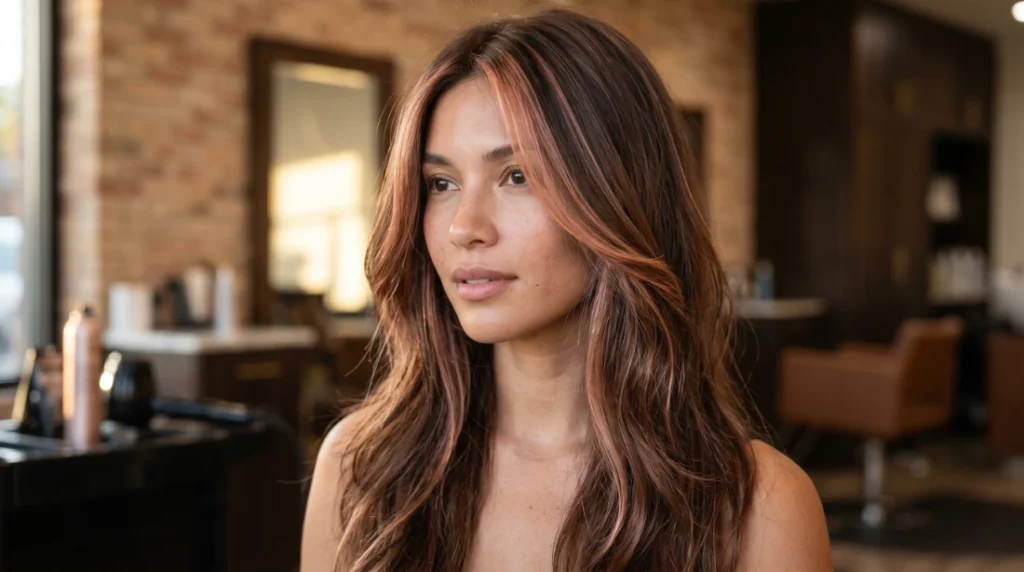
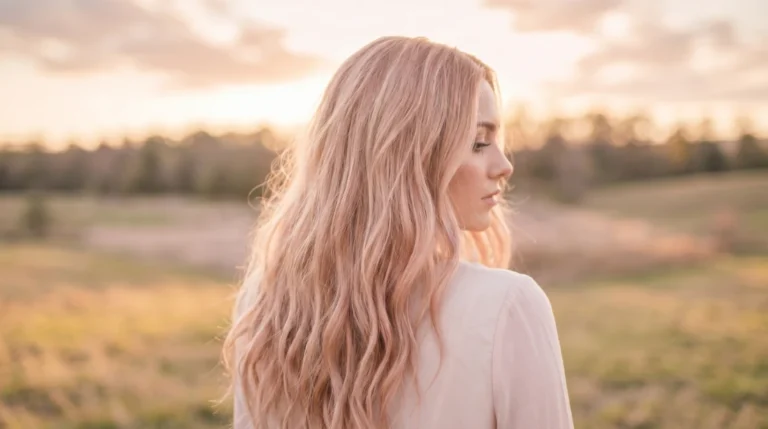
Rose gold highlights or lowlights woven into a chestnut base create a contemporary, feminine combination — the peachy-pink tones of the rose gold sit naturally alongside the warm reddish-brown of the chestnut rather than competing with it. The result is unexpected but harmonious, and it catches warm light in a way that makes the color look completely different at various times of day.
Best worn as delicate accents rather than heavy placement — the rose gold should feel like something discovered in the light rather than immediately obvious.
Salon ask: “Chestnut brown base with fine rose gold accent pieces — delicate placement, warm peachy-pink tone.”
Choosing the Right Chestnut Shade for Your Skin Tone
Fair skin: Light chestnut with golden or honey undertones adds warmth without overwhelming a fair complexion. Avoid going too deep or too red, which can create stark contrast rather than harmony.
Medium skin: Rich chestnut or auburn-chestnut blends add depth and vibrancy and work beautifully with medium complexions where the warmth in the hair mirrors the warmth in the skin.
Olive skin: Deep chestnut with chocolate tones or auburn warmth creates a striking, complementary combination — the red and golden undertones in chestnut particularly flatter olive complexions.
Dark skin: Deep chestnut or chestnut-chocolate combinations add dimension and warmth that reads as sophisticated rather than dramatic, with the richness of the color complementing deeper complexions beautifully.
Eye color note: Blue or green eyes are accentuated by warm chestnut tones. Brown and hazel eyes benefit from rich chestnut with subtle red undertones, which draw out the warmth in the eye color itself.
How to Maintain Chestnut Brown Hair
Color-safe shampoo and conditioner are the foundation. Products designed for color-treated hair preserve the richness and warmth of chestnut tones significantly longer than standard formulas — this is the single most impactful daily maintenance decision.
Wash 2–3 times a week maximum. Overwashing strips natural oils and fades color faster than anything else. On non-wash days, a dry shampoo that doesn’t leave a white cast preserves both the color and the texture.
Heat protectant every time. Heat dulls color and opens the cuticle — both work against the glossy, dimensional quality that makes chestnut brown look expensive. Apply before any hot tool use without exception.
Deep conditioning weekly. Hydrated hair holds color significantly longer and maintains the healthy appearance that makes warm tones look their best. A bond-repairing mask used weekly also prevents the brittleness that can develop with repeated color services.
UV protection outdoors. Summer sun fades warm tones and introduces brassiness into lighter highlights and balayage pieces. A UV-protective leave-in spray applied before outdoor time is the most underused and most effective tool in any chestnut brown maintenance routine.
Gloss appointments every 6–8 weeks. A gloss treatment between full color services refreshes tone, amplifies shine, and keeps the dimensional quality of chestnut brown looking salon-fresh without the cost or commitment of a full appointment.
Styling Tips for Chestnut Brown Hair
Prioritize shine above everything. A lightweight serum or gloss spray applied to finished hair amplifies the warm, reflective quality of chestnut brown in a way that no other product can. Shine is what separates expensive-looking chestnut brown from flat-looking brown.
Braided styles showcase the multidimensional tones. Fishtail braids, crown braids, and loose plaits catch light at different angles through each woven section, making the warm undertones in chestnut brown visible in a way that straight or uniformly styled hair doesn’t always reveal.
Loose waves are the most flattering styling choice. Soft, romantic waves enhance the warmth and depth of chestnut tones by creating movement that allows the color to read differently from every angle. This is the styling approach that makes the color look its most dimensional and alive.
Sleek styles work for formal occasions. Straight, polished styling highlights the smoothness and richness of chestnut brown and creates a sophisticated, refined finish suited to more formal settings.