20 Effortless Beachy Waves Hairstyles Ideas That Always Look Cool and Undone
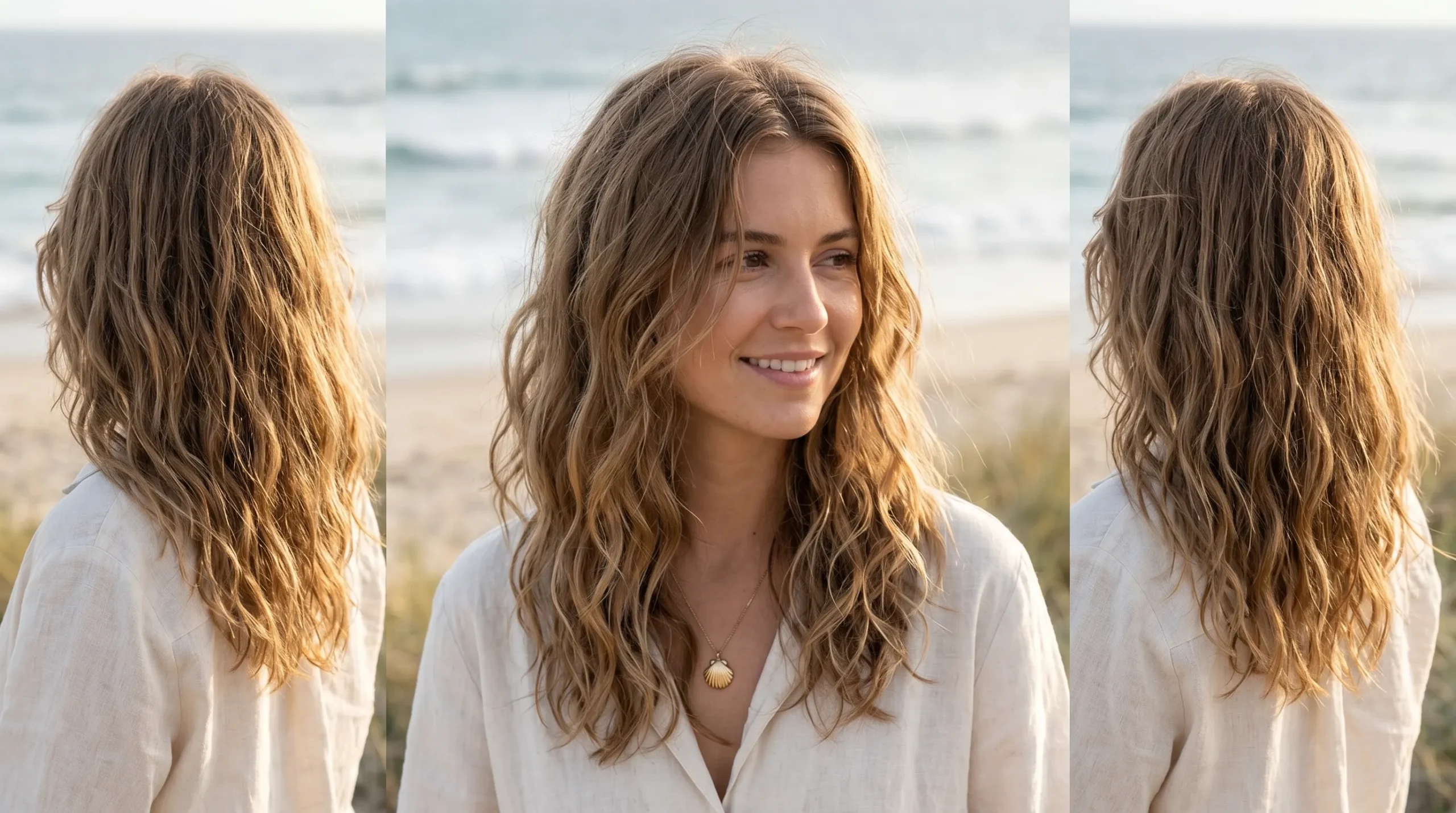
There is something almost magical about the way hair looks after a day near the water. The salt, the breeze, the humidity all conspire to create a texture that no blow-dry session seems to fully replicate — and yet the beauty world never stops trying. Beachy waves have held a permanent spot in the hairstyle conversation for years, and honestly, that is not changing anytime soon.
What makes this look so enduringly popular is that it sits in a very specific sweet spot. Not too polished, not too messy. It reads as effortless in the best possible way — like you have somewhere interesting to be but did not overthink getting there. That sweet spot is hard to fake, but once you understand how to create it, every hair day starts to feel like a good one.
Modern beachy waves are not accidental. Behind the apparent casualness is real technique: layering, directional curl sequencing, smart product use, and a solid understanding of your own hair texture. The result looks natural. The process is deliberate — and that is exactly what separates truly beautiful waves from a frizzy approximation of them.
This article covers 20 effortless beachy waves hairstyles ideas across every hair length, texture, and color — along with the tips, tools, and techniques you need to make each one work for you at home.
Who Beachy Waves Work For
By Face Shape
Oval Face
Every variation of beachy waves flatters an oval face. Loose mid-parted waves elongate naturally, while tighter waves add width at the cheekbones. Center parts, side parts, or no part at all — this face shape genuinely has the freedom to experiment across the full spectrum of wave styles in this list.
Heart Face
Waves that begin at or below the cheekbone are the most flattering configuration for heart-shaped faces. This placement adds visual width at the lower portion of the face, which balances a broader forehead. Avoid tight, compact waves near the temples — instead, keep the upper section soft and diffused, with fuller movement from the jaw downward.
Square Face
Soft, asymmetric beachy waves paired with a deep side part are genuinely transformative on square faces. The diagonal line of a side part combined with the organic, non-uniform quality of true beachy waves softens a strong jaw in the most flattering way. Overly uniform or symmetrical wave patterns should be avoided — they tend to echo the geometry of the jaw and make it more prominent.
Round Face
Long beachy waves with vertical movement are the formula for round faces. Waves that start high and travel downward in a cascading, elongating pattern visually lengthen the face. Keep volume concentrated at the crown and through the lengths, and consider a center part with a few face-framing pieces pulled slightly forward.
By Hair Texture
Fine Hair
Fine hair and beachy waves have a complicated but ultimately beautiful relationship. Texture adds apparent density — your eye reads wave pattern as thickness — but fine hair releases waves quickly without the right support. A volumizing mousse applied before heat styling, combined with smaller sections and a tighter barrel, creates waves with genuine staying power.
Thick Hair
Thick hair has all the raw material it needs but benefits from a managed approach. A sea salt spray applied to slightly damp hair before diffusing encourages natural texture to emerge in a cohesive, intentional pattern rather than a single uniform mass. Working in sections — at least four to six — ensures product reaches every layer evenly.
Curly Hair
Beachy waves on naturally curly hair is really about loosening and stretching an existing curl pattern rather than building something new. A lightweight curl-elongating cream applied before diffusing on low heat opens coils into a wider S-wave. The result is lush, voluminous waves with a natural depth that no heat tool can replicate from scratch.
Straight Hair
Straight hair holds wave shapes beautifully once they are in — but the process requires commitment. Section precisely, curl with intention, alternate direction on every section, and hold each wave in your palm while it cools before releasing. A texturizing spray locks the shape. Skip any of these steps and the waves will start dropping within the hour.
20 Effortless Beachy Waves Hairstyles Ideas
1. The Pacific Drift
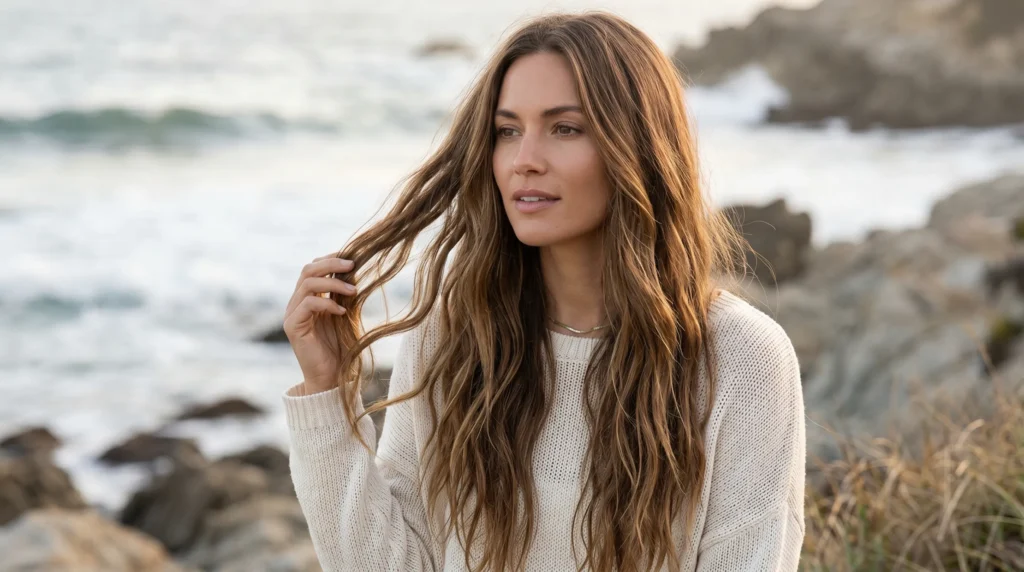
Long, loose waves with a windswept, salt-sprayed quality — each wave wide and unhurried, as though it was shaped by tide rather than a curling iron. This look is ideal for women with long, straight hair who want movement and texture without changing their length or color.
Pro Tip: Wrap large sections around a 1.5-inch barrel without using the clamp. Hold the iron vertically and wrap the hair around it so the waves form naturally rather than looking tool-made.
2. The Saltwater Edit
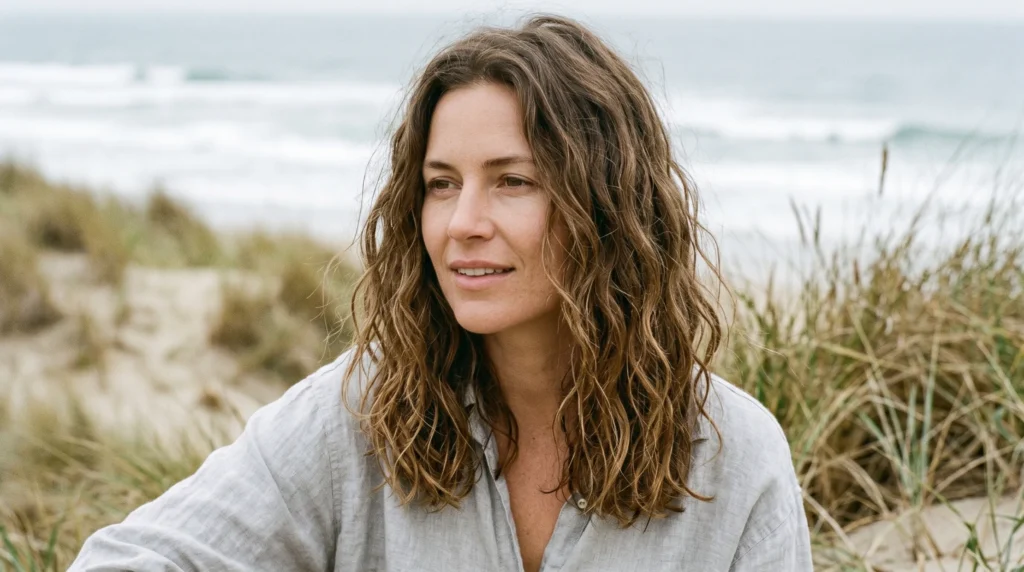
Mid-length waves with genuine oceanic texture — slightly rough to the touch, matte in finish, with every individual wave strand clearly visible. This is the go-to for women with fine, soft hair that loses wave definition quickly. The added grip of a proper sea salt formula gives the wave pattern something to hold onto all day.
Pro Tip: Look for a sea salt spray with magnesium content rather than synthetic texture agents. Apply to soaking-wet hair, scrunch, and diffuse for authentic post-ocean texture.
3. The Champagne Ripple
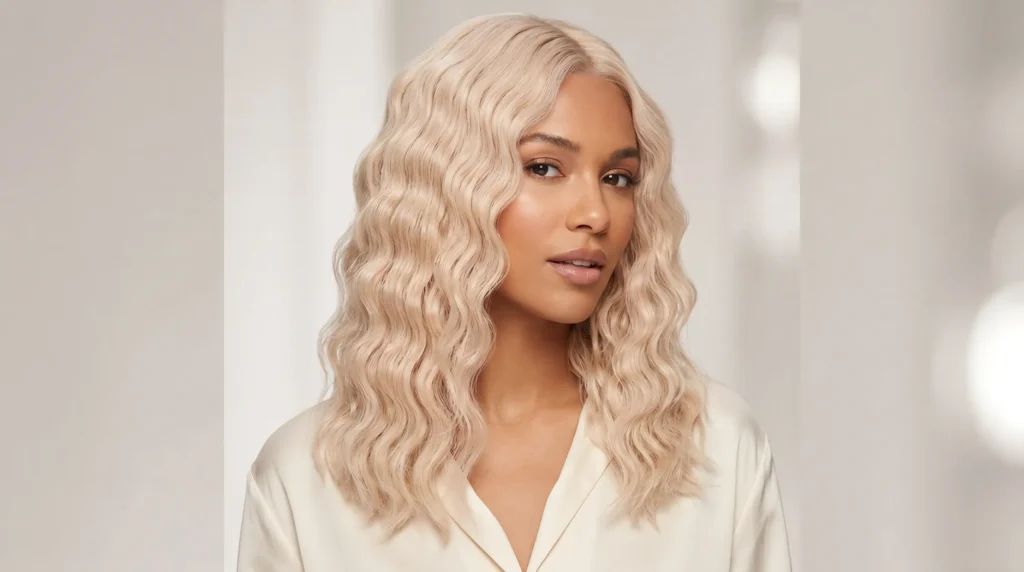
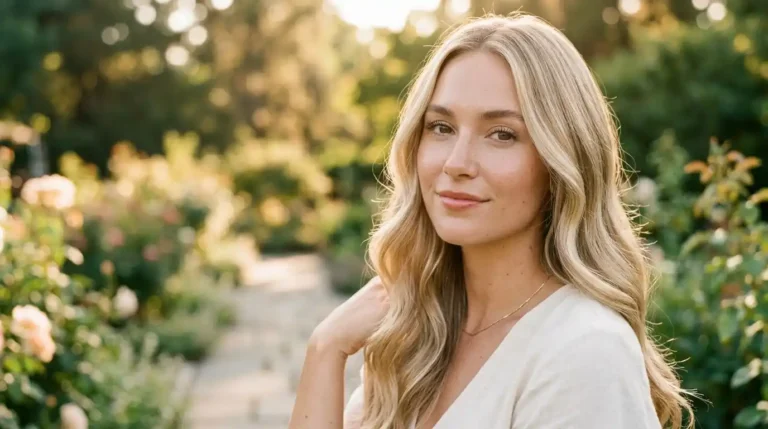
Pale, creamy blonde hair in deeply defined rippling waves — almost crimped in precision but soft and luminous in finish. Each bend catches light differently, making the color appear three-dimensional. Perfect for highlighted or heavily processed blonde hair that tends to look flat between appointments.
Pro Tip: A triple-barrel waving iron creates this precise ripple pattern more efficiently than a standard curling iron. Follow with a gloss-enhancing finishing spray to intensify the champagne luminosity.
4. The Midnight Tide
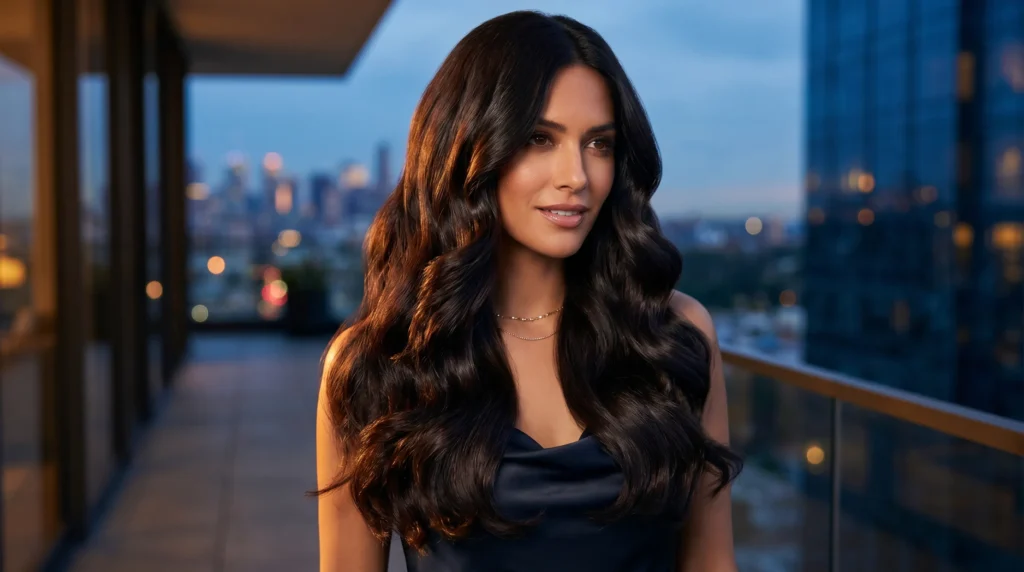
Deep brunette or near-black hair with full, voluminous waves that catch warm light at every curve. Dark, thick hair in a single length tends to absorb light and look flat — this wave structure introduces dimension by turning strands at different angles to the light source, effectively creating highlights within the hair’s own color.
Pro Tip: A shine-intensifying serum applied sparingly to mid-lengths before curling amplifies the rich depth of dark hair in warm lighting in a way that is genuinely breathtaking.
5. The Copper Surf
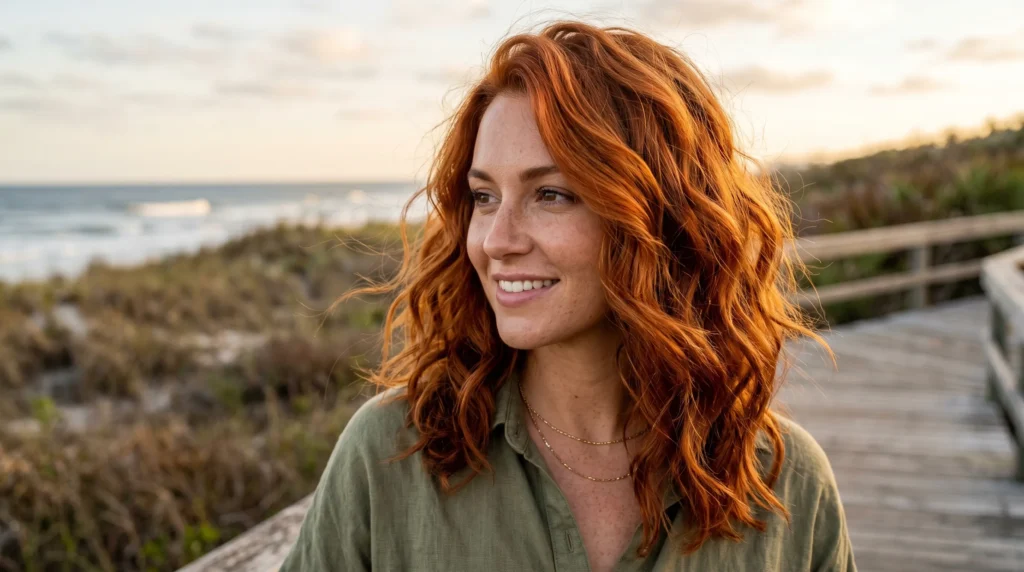
Vivid copper-red hair in loose, energetic waves that move like flame — every wave a slightly different shade depending on how the light hits it. Copper worn straight can look flat and one-dimensional, but the wave texture breaks the color into planes of varying warmth, making even single-process color look richly layered.
Pro Tip: A color-protecting wave spray with UV filters applied before any heat contact protects copper tones from both thermal and environmental fading at once.
6. The Undone Upwave
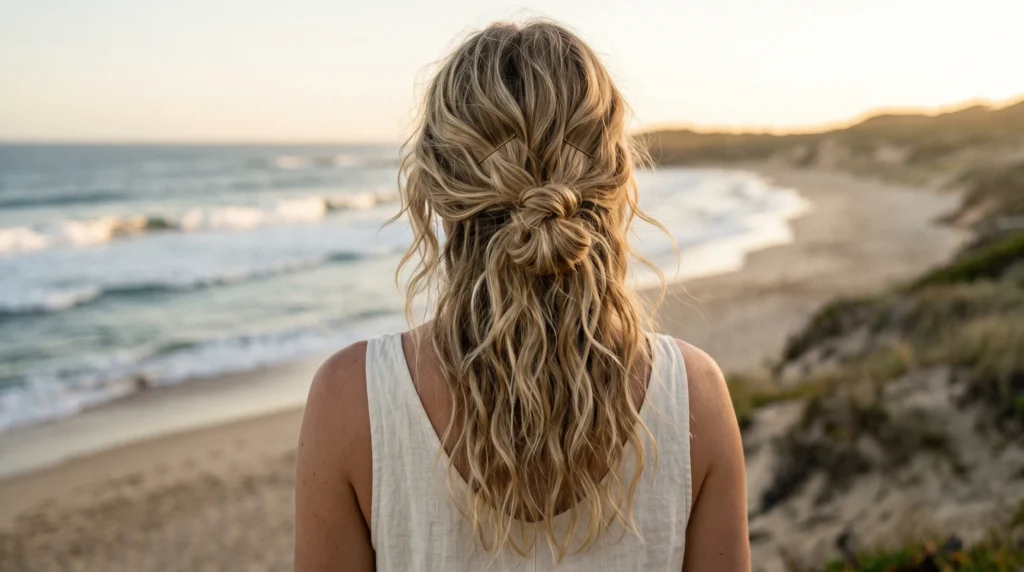
Beachy waves gathered loosely at the nape in a casual half-up style — the top section pinned in a slightly disheveled knot while the lower waves fall freely. The wave texture gives the gathered section natural grip and volume that straight hair simply cannot contribute to a half-up style.
Pro Tip: Gather the top section without looking in a mirror. The slightly imprecise, organic placement of an un-mirrored half-up reads as genuinely effortless in a way a mirror-perfected version never quite does.
7. The Bronde Breakdown
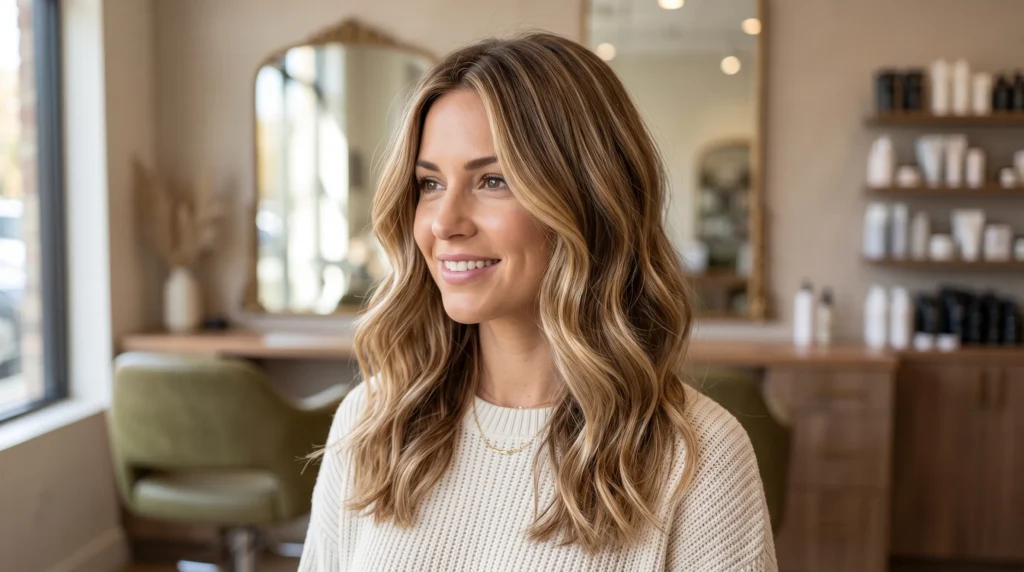
Warm bronde hair — that sun-kissed territory between brown and blonde — in loose, flowing waves that bring out every warm and cool tonal variation simultaneously. Bronde often looks washed out or muddy when worn straight, but the wave texture catches different tones at different angles, making both visible at once for a more complex, salon-fresh appearance.
Pro Tip: A warm-toned gloss treatment used monthly at home deepens the bronde color and adds a cashmere-soft surface texture that makes these waves look touched rather than styled.
8. The Tousled Lob
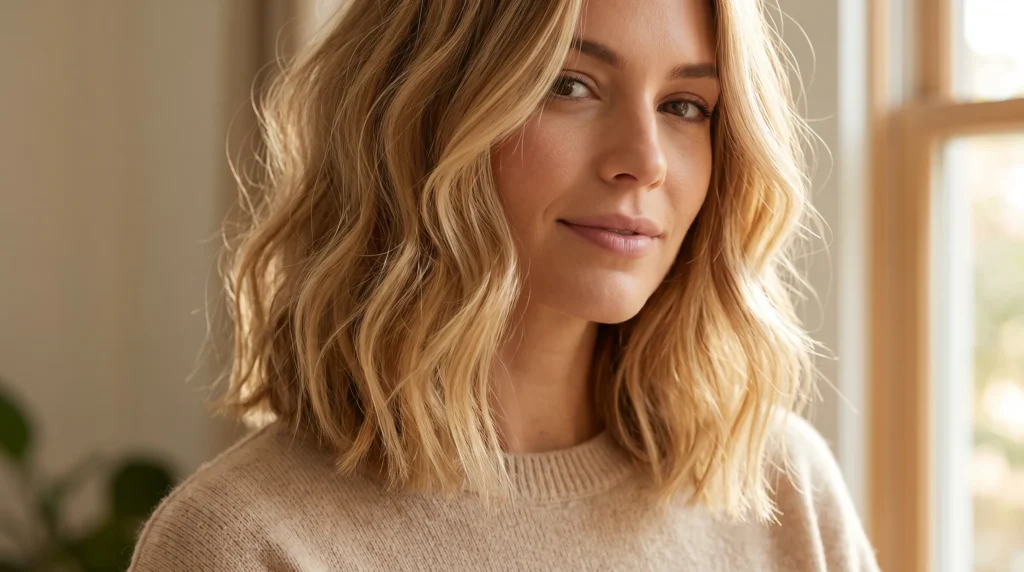
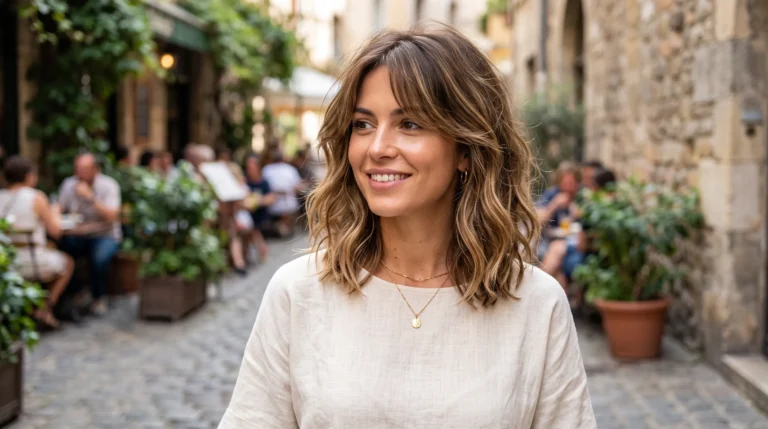
A shoulder-length lob with deliberate beachy wave texture — the cut is precise, the styling is anything but. The combination of a clean length and genuinely undone waves creates an endlessly flattering tension. Without texture, a standard lob can feel severe; the beachy wave treatment gives it movement and softness while preserving the modern shape.
Pro Tip: Curl sections of the lob away from the face on both sides rather than alternating directions. This creates a retro-adjacent flipped-out wave that flatters the lob’s shape specifically and adds width at the jaw.
9. The Wild Honey
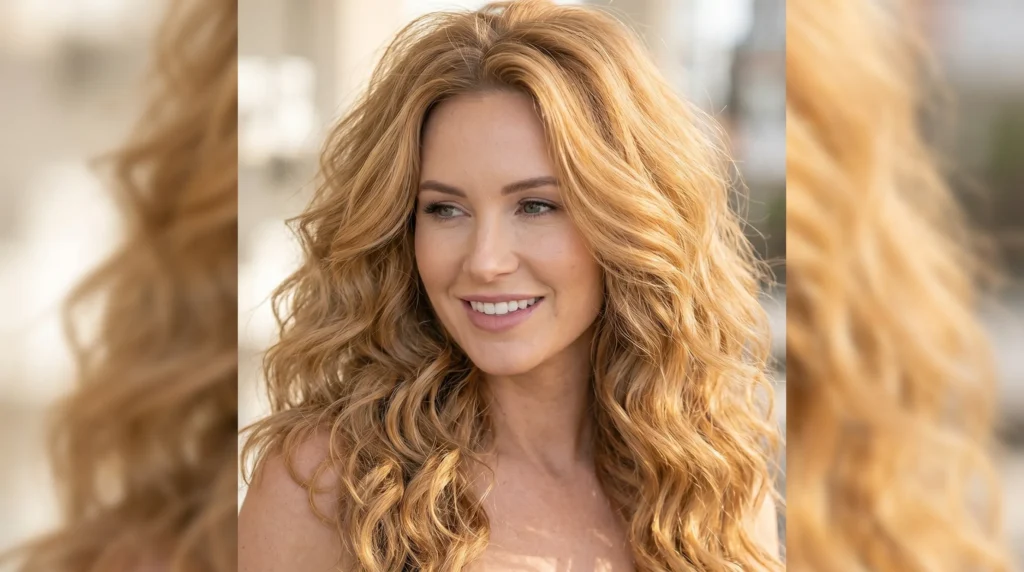
Golden honey-toned hair in maximalist, high-volume beachy waves — big, lush, and fully present. Women with fine-to-medium hair who want significant volume without a cut or chemical texture service can achieve this density through a specific two-zone product strategy and intentional wave-building technique.
Pro Tip: Apply a volumizing mousse at the roots before blow-drying, then sea salt spray through the mid-lengths and ends. This creates lift at the crown and texture at the lengths — the combination produces waves with real body.
10. The Coastal Grey
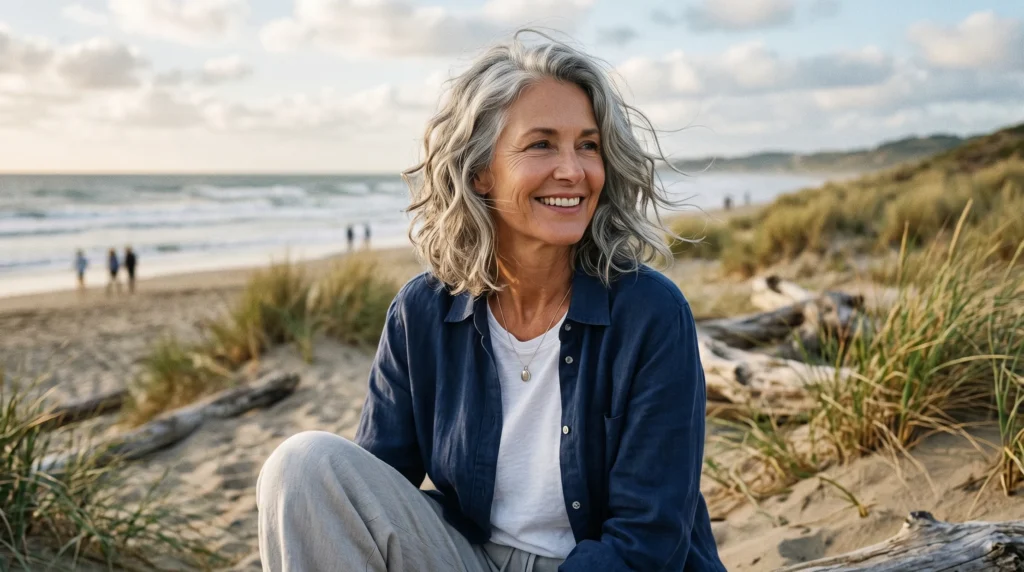
Natural or intentional silver-grey hair in soft, low-contrast beachy waves that lean into the hair’s natural texture. Grey and silver tones tend toward dryness and coarseness, which makes them resistant to smooth wave styling — but the beachy wave aesthetic works with that natural roughness, reframing it as intentional texture rather than a problem to solve.
Pro Tip: A hydrating wave cream with argan oil smooths the cuticle of grey hair just enough to eliminate frizz while preserving the natural movement that gives this look its authenticity.
11. The Curl Liberation
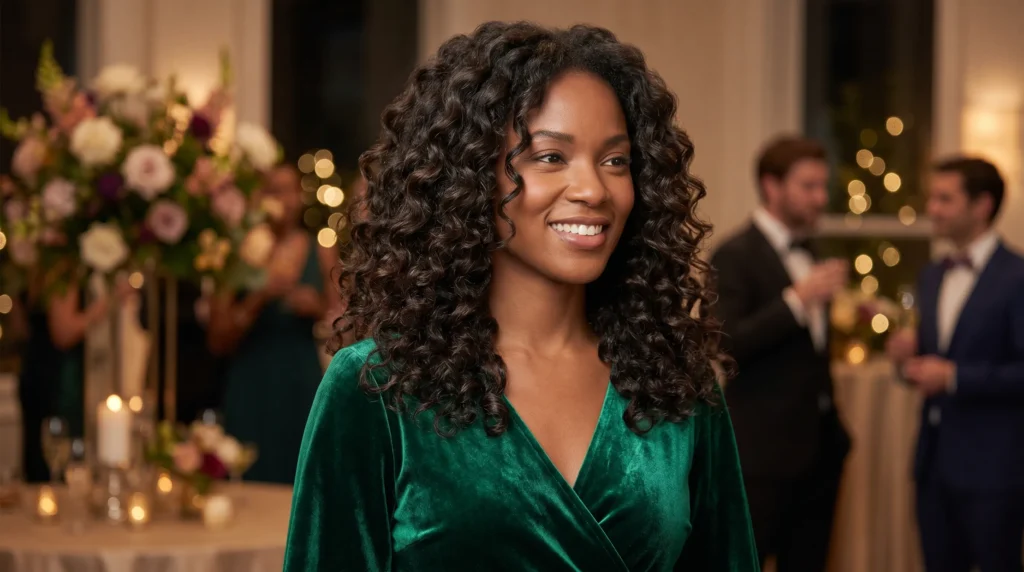
Naturally curly hair stretched and diffused into a wider, looser wave pattern — coils expanded into deep, open S-curves that flow freely. For naturally curly women who want a slightly more relaxed pattern for formal or transitional occasions, this look achieves that without heat damage by using elongating products and low-heat diffusing.
Pro Tip: A curl-elongating cream applied to soaking-wet hair followed by diffusing on the lowest heat and speed settings allows curls to open into wider waves without losing their natural spring or definition.
12. The French Riviera
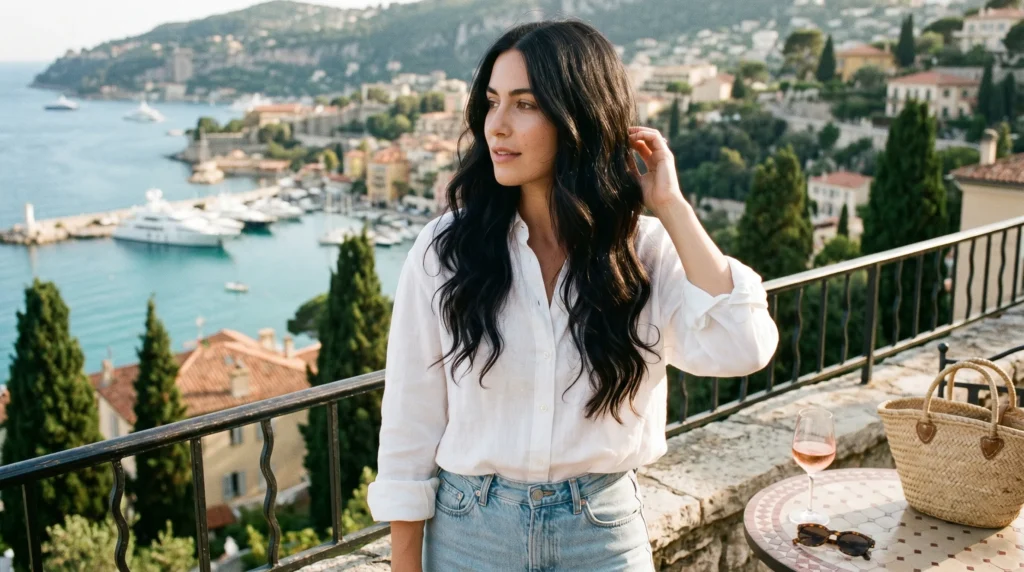
Long, dark, effortlessly romantic waves — low-maintenance-looking but architecturally perfect. This is the hairstyle equivalent of a white linen shirt: simple, timeless, and deceptively well-considered. Long, dark hair worn straight can feel heavy and overpowering; the wave structure distributes the visual weight across a wider silhouette, making it feel airy and elegant.
Pro Tip: Braid slightly damp hair loosely into two or three sections the night before and release in the morning. A light oil mist on the ends completes the look — no heat required.
13. The Sunbleached Shag
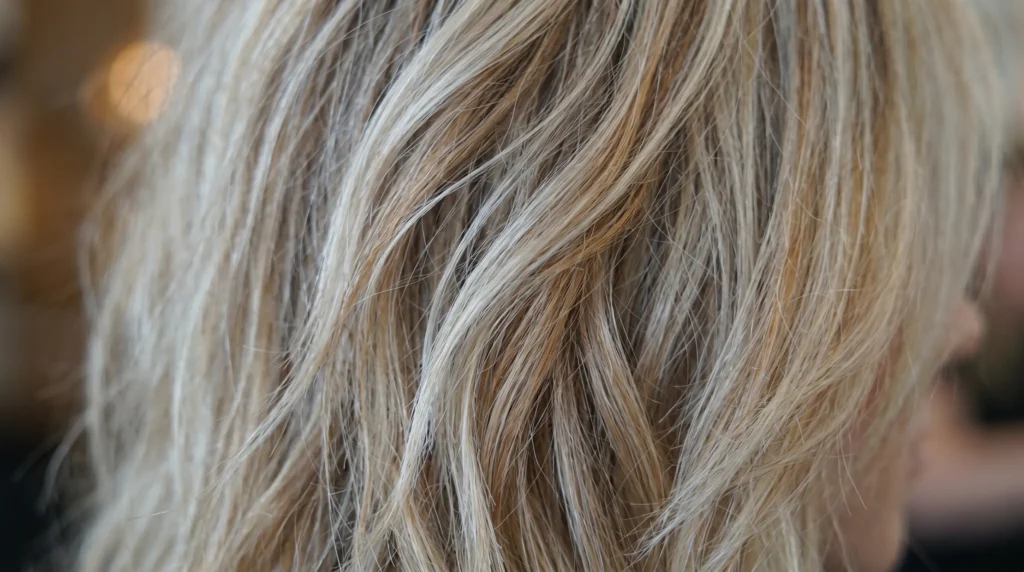
A layered shag cut with beachy wave texture and sun-faded, multi-tonal color — as though the hair was genuinely bleached by months of outdoor living. A shag cut without texture styling can fall flat and formless. The beachy wave application activates every layer of the cut, giving each tier its own distinct movement.
Pro Tip: A texturizing spray before diffusing, followed by a small amount of matte defining paste worked through dry hair to separate the layers, creates the curated piecey texture that distinguishes a styled shag from an unstyled one.
14. The Midnight Braid Release
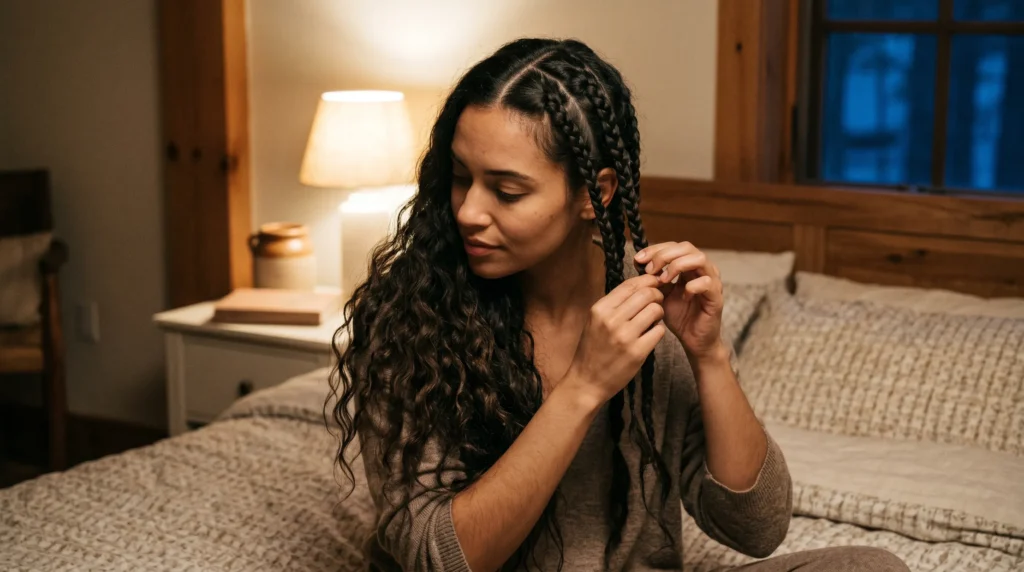
Waves formed by braiding and releasing — the resulting texture is softer and more irregular than heat waves, with a crimped, almost artisanal quality that looks genuinely natural. For heat-sensitive or damaged hair, this is a completely heat-free path to beachy texture that actually improves hair health over time.
Pro Tip: The number of braids determines wave size. Two braids produce large, loose waves. Six braids produce a tighter, more defined pattern. A lightweight holding cream applied before braiding preserves the pattern after release.
15. The Dune Walker
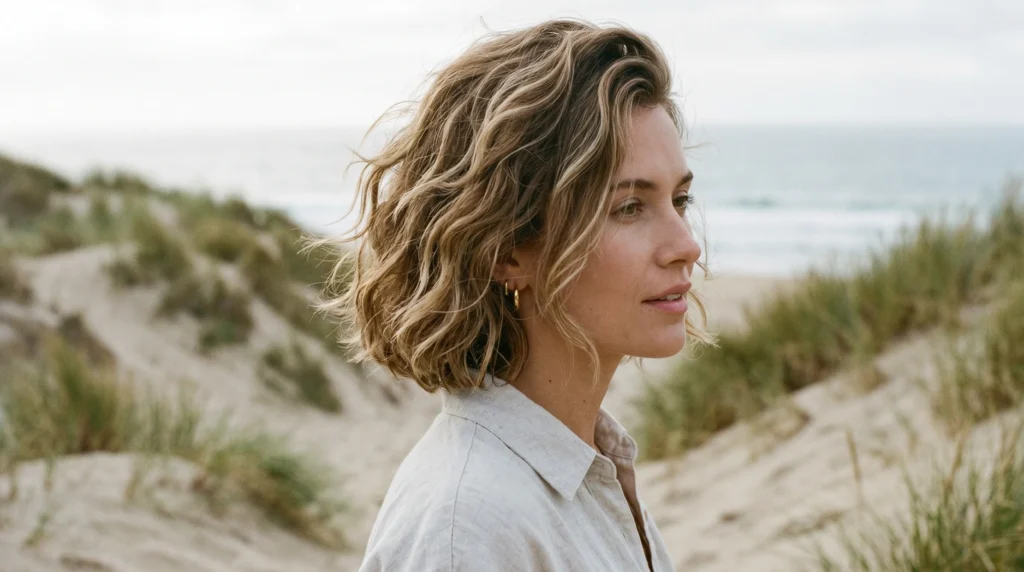
Short, above-the-shoulder beachy waves on a textured bob or lob — tight enough to fill out the short length with maximum body but loose enough to read as effortless. Short hair can look flat and one-dimensional without volume work; beachy wave texture on short lengths creates instant lift and apparent fullness that makes fine hair look dense and healthy.
Pro Tip: A volumizing dry texture spray — not dry shampoo — applied at the crown before curling gives short waves a grippy foundation that holds the curl far longer than product-free hair would.
16. The Rosé Hour
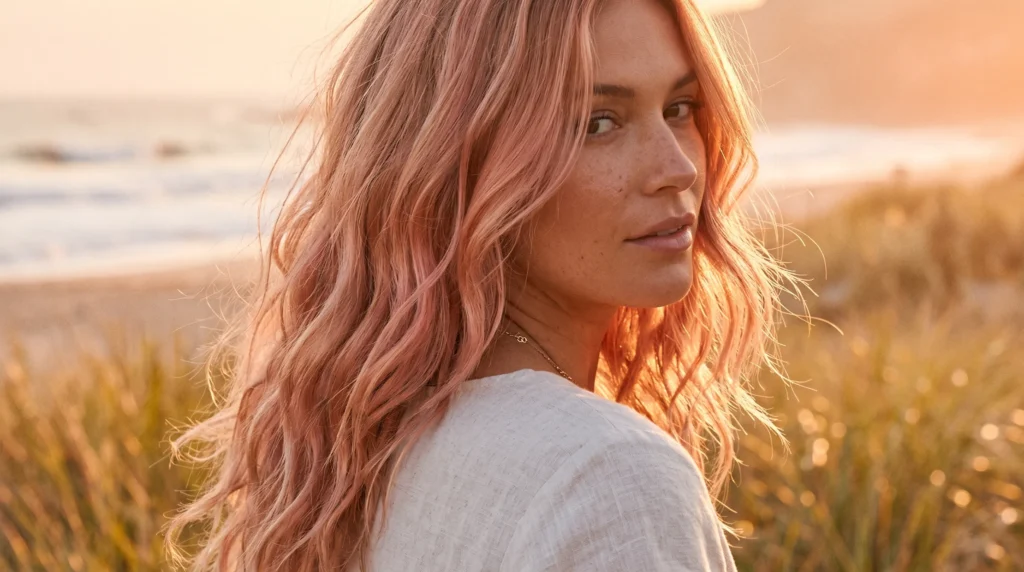
Soft rose-toned or strawberry blonde hair in gentle, warm beachy waves — the color and the texture creating a look that feels like a warm summer afternoon made tangible. Rose and strawberry blonde tones can appear flat without movement, but the wave pattern turns each strand into a color-reflecting element that amplifies the pink and gold tones in a way flat styling never could.
Pro Tip: A pink-toned color-depositing conditioner used weekly maintains the rose depth between salon visits. Apply to clean, damp hair, leave five minutes, then rinse for a refreshed, velvety finish.
17. The Jet Set
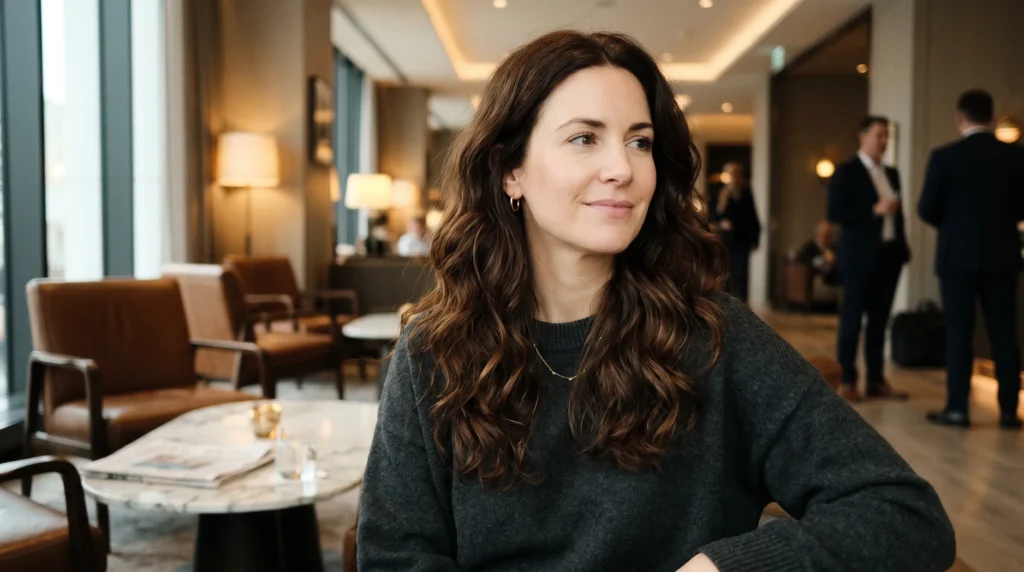
Polished-but-undone beachy waves on dark, richly colored hair — the kind of waves that look equally at home in a five-star hotel lobby and on a long-haul flight. A semi-polished version with definition and movement but a low-gloss serum smoothing the surface reads as appropriate across a much wider range of contexts than fully matte, rough-textured waves.
Pro Tip: A small amount of biomimetic silk serum smoothed over finished waves — after styling, not before — gives the waves a refined surface quality that elevates the look without making it stiff or overworked.
18. The Mermaid’s Inheritance
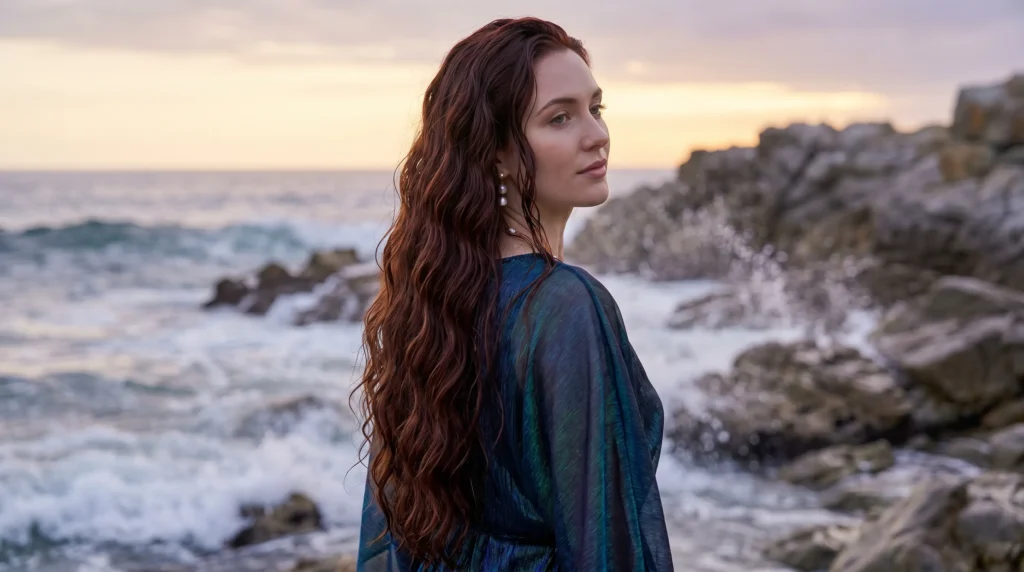
Very long hair — past the mid-back — in deep, flowing waves with a slightly damp, just-emerged-from-the-water quality. Very long hair is heavy and tends to pull waves loose from the weight. Layering volumizing and wave-holding products from root to tip, rather than just at the ends, gives the waves structural support along their entire length.
Pro Tip: A wave-setting foam applied to soaking-wet hair before diffusing acts as internal scaffolding for very long waves — the foam creates a protein-like grip that holds the wave pattern from root to tip even in high-humidity conditions.
19. The Auric Texture
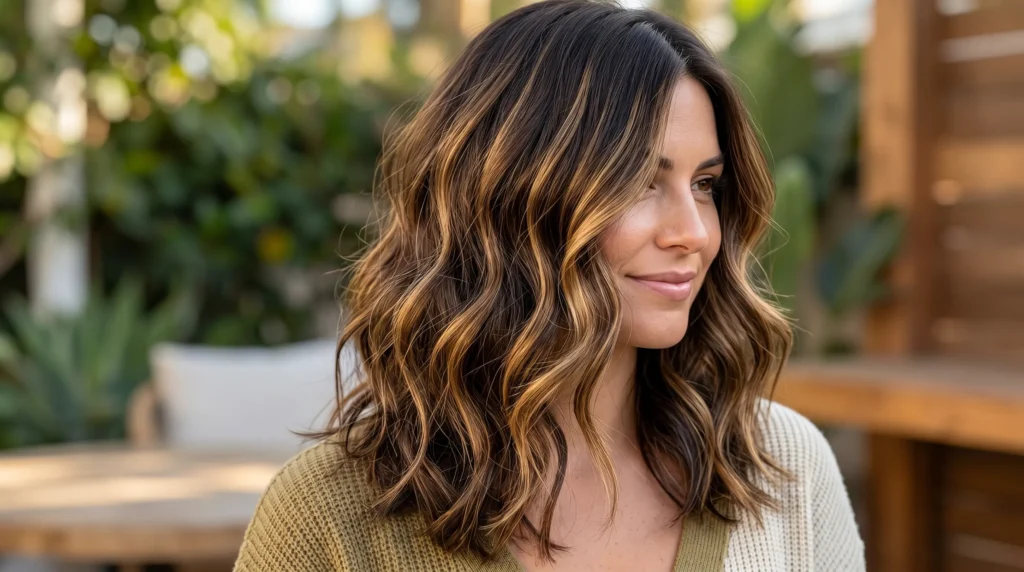
Rich, warm golden highlights on a natural brunette base, worn in loose beachy waves that toggle between highlighted and base tones with every movement. Traditional highlights worn straight look like stripes. In beachy waves, the same highlights blend, separate, and interact with the light in a way that creates genuine, organic-looking dimension that is far more sophisticated.
Pro Tip: A shine-enhancing finishing gloss treatment applied between appointments intensifies the contrast between base and highlight tones, keeping both shades at peak vibrancy without additional color services.
20. The Low Tide
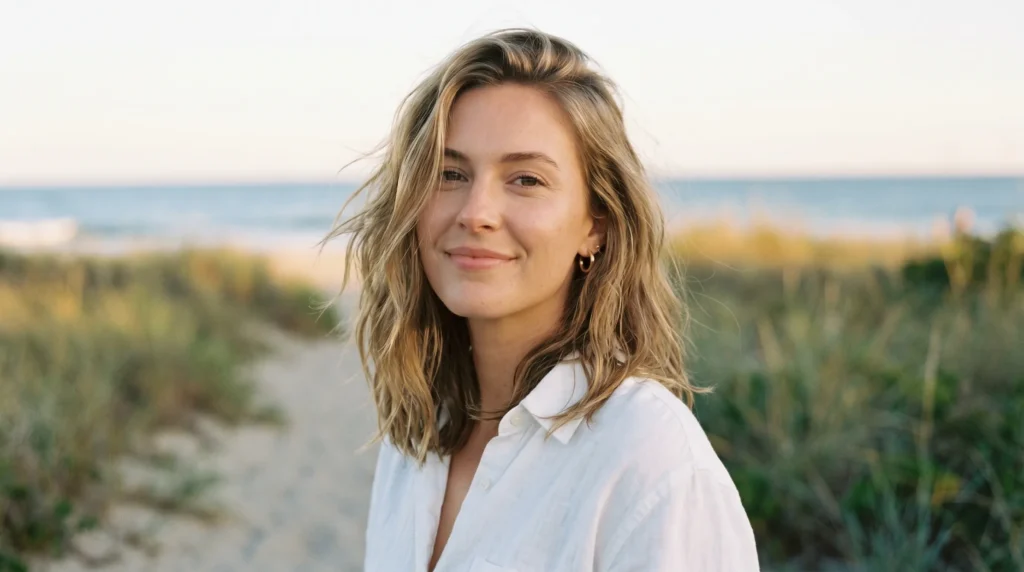
The most minimal, barely-there interpretation of beachy waves — just enough texture to make hair look alive, not enough to classify as a defined wave pattern. Single-process color, natural movement, minimal product. This is the purist’s beachy wave, and paradoxically the hardest to nail precisely because it requires the most restraint. Over-styled beachy waves on straight hair have a specific ‘tried too hard’ quality that this approach completely sidesteps.
Pro Tip: One pass with a 2-inch barrel, alternating direction every other section, followed by finger-raking through the waves while still warm and a light mist of flexible spray. That is the entire routine. Add nothing else.
Expert Styling and Maintenance Tips
Getting beachy waves right is half about technique and half about knowing the small habits that separate a good wave day from a great one. Here are the expert-level insights that make the biggest difference.
Use Different Heat Settings for Different Zones
Most people think about sectioning hair before curling but forget to think about temperature. Fine hair near the face is the most heat-vulnerable area and needs a lower temperature — around 300 to 330°F — while thicker sections at the back and nape can handle more heat effectively. Running one temperature for the entire head is a shortcut that compromises both wave quality and hair health.
The Cooling Palm Rule
As you release each curl from the iron, hold it in your palm for a full ten seconds before letting it drop. You are allowing the wave to fully set in its formed shape while the heat dissipates. Releasing the curl while it is still warm collapses it before it can solidify. This one change alone can extend the life of your waves by several hours.
Get a Trim Every Ten Weeks
Blunt, clean ends hold wave shapes significantly better than split or damaged ends. The final few centimeters of each strand are what the eye sees at the bottom of each wave curve — if those ends are split and frizzy, the wave looks unkempt rather than effortless. A light dusting trim every ten weeks keeps the canvas in optimal condition.
Layer Products in the Right Order
Correct product sequence matters more than most people realize. The right order is: heat protectant first on damp hair, styling mousse or cream second before blow-drying, sea salt or texturizing spray third on dry hair before curling, and finishing serum or oil last. Each product has a specific job in a specific environment — mixing the order causes them to compete rather than complement each other.
Build Your Second-Day Waves the Night Before
Sleep in a very loose, low braid or a silk-scrunchied bun at the nape. This prevents the wave pattern from being crushed while allowing it to soften overnight into an even more natural-looking shape. A satin pillowcase adds an extra layer of protection by reducing the friction that turns a beautiful wave into a frizzy tangle by morning.
The Essential Beachy Waves Product Guide
Getting the right results consistently comes down to using the right products in the right way. Here is what each category does and what to look for.
Sea Salt Texturizing Spray
This is the foundation of the entire beachy wave aesthetic. Look for formulas with genuine mineral content — Dead Sea salt or Atlantic sea minerals on the ingredient list rather than plain sodium chloride. Authentic mineral content creates ocean-textured waves that synthetic formulas simply cannot replicate. Apply to damp or dry hair, scrunch, and let gravity do the rest.
Waving or Curling Iron with Multiple Barrel Sizes
One quality iron with interchangeable barrels covers the full range of beachy wave styles. A 1-inch barrel creates tighter, more defined waves. A 1.5-inch barrel produces the loose, romantic mid-size waves most associated with the beachy look. A 2-inch barrel makes the barely-there, low-tide waves ideal for fine hair or understated looks.
Volumizing Wave Mousse
For beachy waves specifically, look for a lightweight wave-activating mousse with humidity-resistant technology that provides hold without crunch. Applied to damp roots before blow-drying, it creates the volumized foundation that gives your waves height from the root rather than just texture at the ends.
Biomimetic Silk Finishing Serum
A few drops warmed in the palms and smoothed lightly over finished waves seals the cuticle, eliminates surface frizz, and adds the refined luminosity that separates a polished beachy wave from a frizzy approximation of one. Use less than you think you need — a little goes a long way.
Microfiber Hair Towel
Standard cotton towels rough up the hair cuticle during drying, creating micro-friction that becomes visible as frizz the moment you start styling. A microfiber towel absorbs water with a gentle pressing action that leaves the cuticle flat and ready to receive products evenly. For beachy waves, this is a genuine upgrade worth making.
Diffuser Attachment
If you have any natural wave or curl pattern, a diffuser concentrates heat and airflow directly into your waves without disrupting them. The difference between using a blow-dryer with a diffuser and without one is the difference between working with your texture and working against it. Compatible with most standard blow-dryers.
Satin Pillowcase
Protecting your waves overnight on a satin surface means waking up with waves that have softened and settled rather than frizzed and flattened. The zero-friction surface lets the hair move freely during sleep without the mechanical damage that cotton causes. Your third-day waves will genuinely surprise you.
Frequently Asked Questions
How do I make beachy waves last in humid weather?
Humidity is frizz, and frizz is an unsealed hair cuticle. The solution is layering a humidity-blocking product — look for polyquaternium or dimethicone in the ingredients — underneath your sea salt spray before styling. This creates a barrier between the hair and atmospheric moisture that causes swelling. A light finishing spray with anti-humidity technology over completed waves adds a second line of defense.
Can I get beachy waves without heat tools?
Completely. Braid-release waves, twist-and-air-dry methods, and roller sets on damp hair all produce genuine wave texture with zero direct heat. The wave size and definition will be softer and more organic than heat-styled waves — but for heat-sensitive or damaged hair, these methods often produce more beautiful results because the hair’s natural texture is allowed to express itself rather than being overridden.
How often should I wash my hair when wearing beachy waves?
Two to three times per week at most. Over-washing strips the natural oils that give beachy waves their authentic, lived-in quality. Between wash days, a dry shampoo at the roots refreshes volume and a light mist of sea salt spray through the mid-lengths re-activates the wave texture without a full reset. Your best beachy waves are almost always second or third-day hair.
What is the difference between a beach wave and a regular curl?
The key difference lies in direction and uniformity. A traditional curl is wound in one consistent direction and released as a spiral. A beach wave is created by alternating the direction of each section — some curled toward the face, some away — using a larger barrel that produces a gentle bend rather than a tight coil. The alternating direction creates the non-uniform, organic movement that makes waves look natural rather than styled.
Why do my waves fall flat within a few hours?
Three things kill waves prematurely: releasing the curl before it cools completely, touching waves while they are still warm, and using a barrel that is too large for your hair type. For fine hair, a 1-inch to 1.25-inch barrel creates tighter initial waves that relax into the looser shape you want throughout the day — starting too large means the wave relaxes into nothing. Let each curl cool fully in your palm, do not touch them while warm, and finish with a light-hold flexible spray across the whole head.
Learn More About Beachy Waves
For a complete breakdown of methods suited to every hair type — from curling wand techniques to heat-free overnight braids — the L’Oréal Paris beachy waves guide is a thoroughly detailed resource worth bookmarking.
Final Thoughts
The most beautiful version of beachy waves is built on a great haircut underneath. The right amount of layering, the right length, the right feathering at the ends — these are the invisible architecture that makes waves hold, move, and look the way they do in inspiration images. You do not need a dramatic transformation. You might just need a conversation with a skilled stylist about how your current cut can work harder for your natural texture.
Whether you take the low-tide minimalist approach or go full mermaid with past-the-back waves, the techniques in this guide give you the foundation to make every variation work. Start with the style that matches your current hair length and texture, master the product sequence, and let the waves do the rest.
Your best hair day is not behind you. It is one good wave session away.