Balayage Inspiration: How to Choose the Perfect Shade for Your Hair
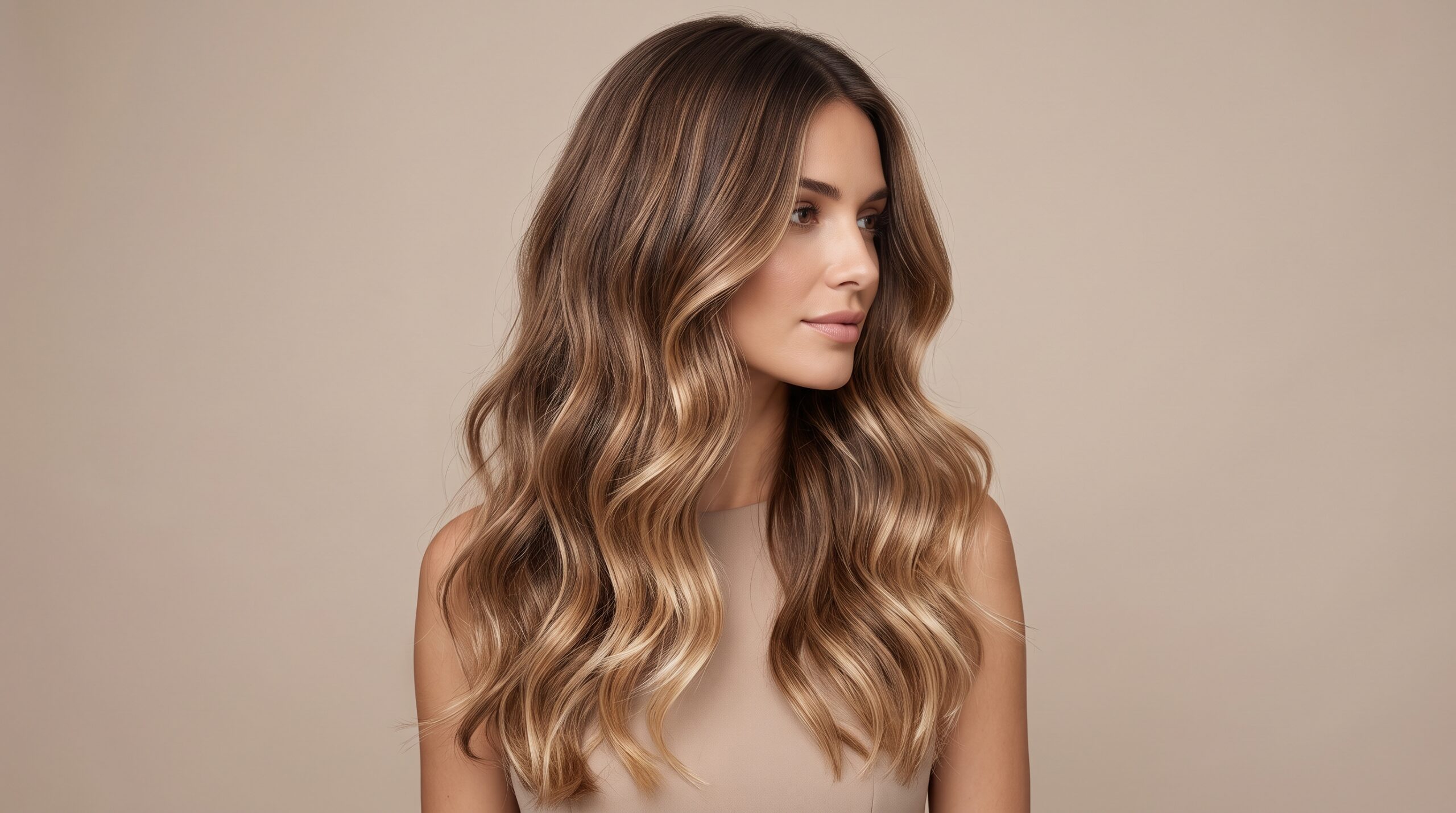
If you’ve been scrolling through salon photos lately, chances are you’ve stopped on more than one balayage look and thought, “okay, I need that.” And honestly? Fair. Balayage has earned its spot as one of the most requested color services out there, and for good reason. It’s soft, it’s sunny, it grows out without looking awkward, and it can be tailored to almost any hair color, texture, or vibe you’re going for.
But here’s the thing nobody tells you before your first appointment: balayage isn’t one look. It’s a technique, not a color, which means the shade options are basically endless. Caramel, ash, copper, rose gold, chocolate — the list goes on, and picking the right one can feel a little overwhelming if you don’t know where to start.
That’s exactly what this guide is for. We’re breaking down what balayage actually is, how it’s different from other coloring methods you’ve probably heard of, and then diving into a full lineup of balayage inspiration so you can walk into your next salon visit knowing exactly what to ask for.
For a rich, dimensional look, explore these brunette balayage hair ideas.
What Is Balayage, Really?
Balayage comes from the French word for “sweeping,” and that’s a pretty literal description of how it’s done. Instead of sectioning hair into foils, a colorist hand-paints lightener directly onto strands in loose, sweeping strokes. The result is color that looks like it happened naturally, the way hair lightens after a summer spent outside, rather than something applied in a salon chair.
That freehand approach is what gives balayage its signature soft, blended finish. There’s no harsh line where color starts and stops. Instead, you get a gradual transition that’s deeper near the roots and progressively lighter toward the ends. It’s a technique with real history behind it too, having first developed in France decades ago before becoming a global staple of modern hair color.
Balayage vs. Highlights vs. Ombre: What’s the Actual Difference?
People use these terms interchangeably all the time, but they’re not the same thing, and knowing the difference will help you communicate better with your colorist.
Balayage vs. Highlights: Classic highlights are applied using foils, which creates a more uniform, structured pattern of lighter strands. Balayage skips the foils entirely. The color is painted on freehand, which is why it looks softer and more organic compared to the crisper, more repetitive pattern foils tend to produce.
Balayage vs. Ombre: Ombre is all about contrast — a noticeably darker root fading into a much lighter end, often with a fairly defined transition point. Balayage is subtler. The blending happens gradually throughout the length of the hair rather than in one dramatic sweep from dark to light.
Balayage vs. All-Over Color: Full color saturates the entire head in a single shade. Balayage, by contrast, is about strategic placement — adding dimension and depth in specific areas rather than changing your base color altogether.
Once you understand these distinctions, it becomes a lot easier to figure out which balayage shade will actually complement your natural color, your skin undertone, and the amount of upkeep you’re realistically willing to commit to.
Balayage Inspiration: 13 Shades and Styles Worth Trying
Ready for the fun part? Below is a full roundup of balayage inspiration to help you visualize what’s possible, whether you’re a low-maintenance minimalist or ready to go bold.
Caramel Balayage
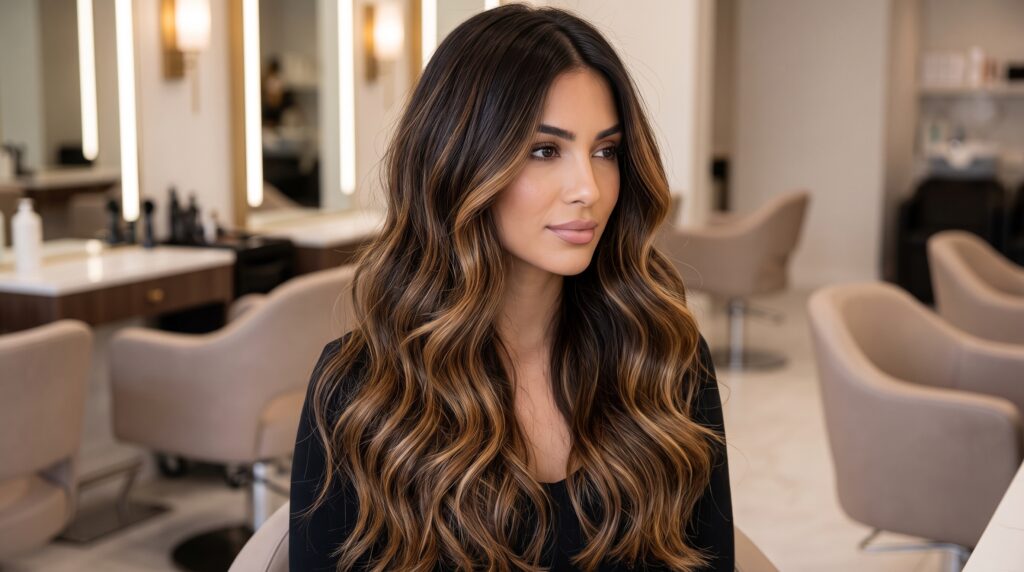
Caramel balayage is a go-to for brunettes who want warmth without straying too far from their natural base. The golden-brown tones catch the light beautifully and read as sun-kissed rather than “just dyed.” It works especially well on medium to dark brown hair, giving off a rich, glossy finish that feels effortless.
Partial Balayage
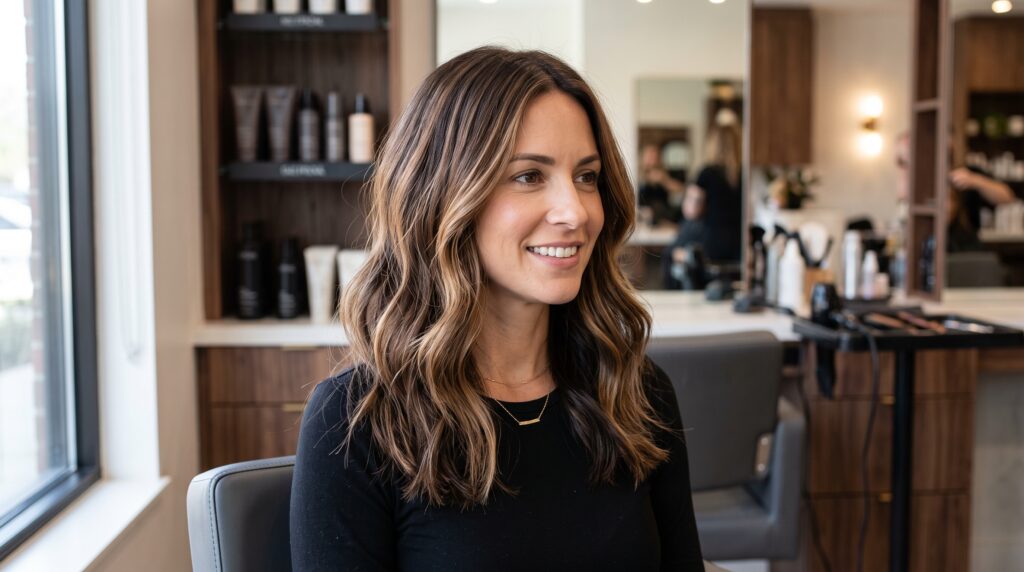
Not ready to commit to a full head of color? Partial balayage might be your answer. Instead of painting the entire head, your colorist focuses on the top layers or the pieces framing your face. It’s a lower-commitment, lower-maintenance option that still delivers that lived-in, dimensional shine balayage is known for.
Chocolate Brown Balayage
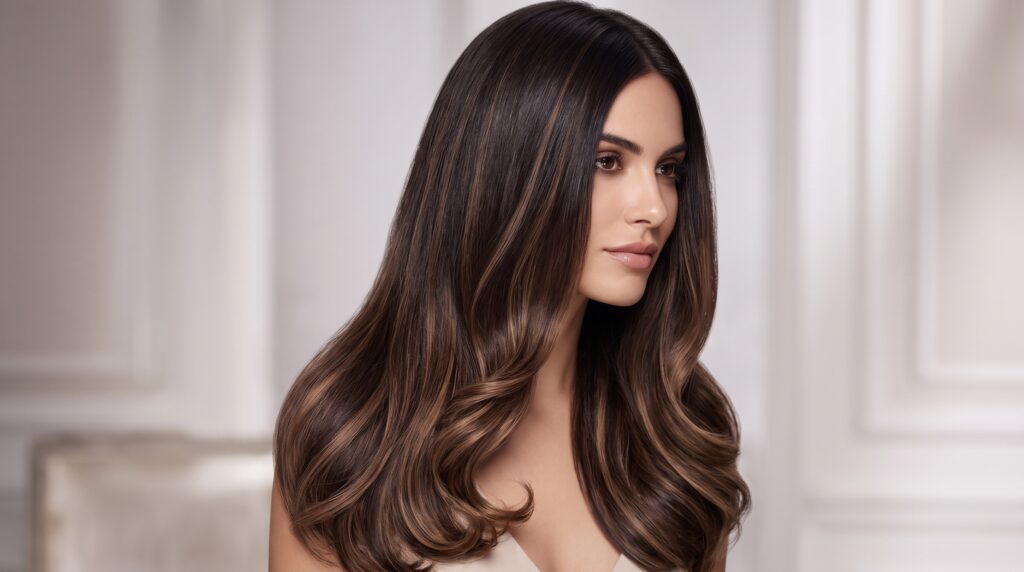
For anyone drawn to deeper, richer tones, chocolate brown balayage weaves warm, creamy brown pieces into dark hair. It adds glow and dimension without lightening things up too much, which makes it a solid pick if you’re after something polished and elegant rather than sun-bleached.
Honey Blonde Balayage
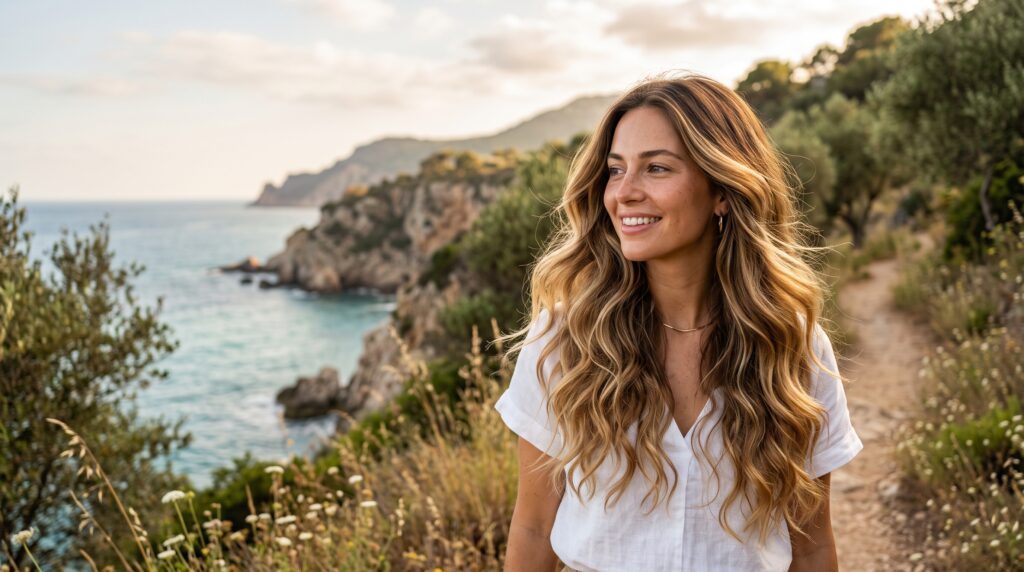
Honey blonde balayage brings warmth and radiance to dark blonde or brunette hair. The golden, honey-toned highlights mimic the kind of natural lightening you’d get from actual sun exposure, which is exactly why it pairs so well with a relaxed, beachy aesthetic.
Cinnamon-Toned Brown Balayage
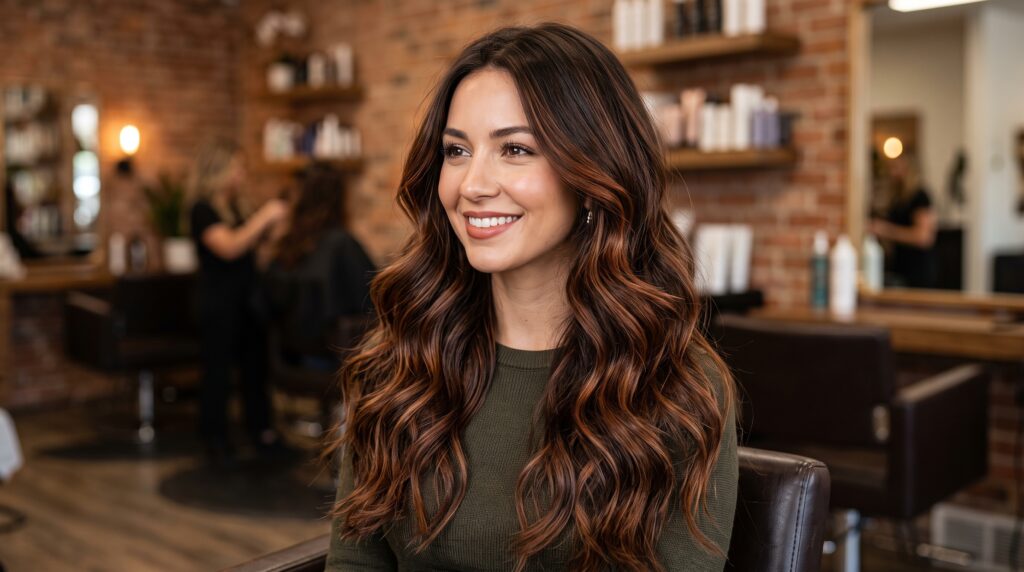
This shade blends red and brown together for a warm, spicy finish. If you like the idea of red tones but aren’t ready to go full auburn, cinnamon balayage is a nice middle ground — it adds heat and richness while still reading as a brunette shade overall.
Face-Framing Balayage
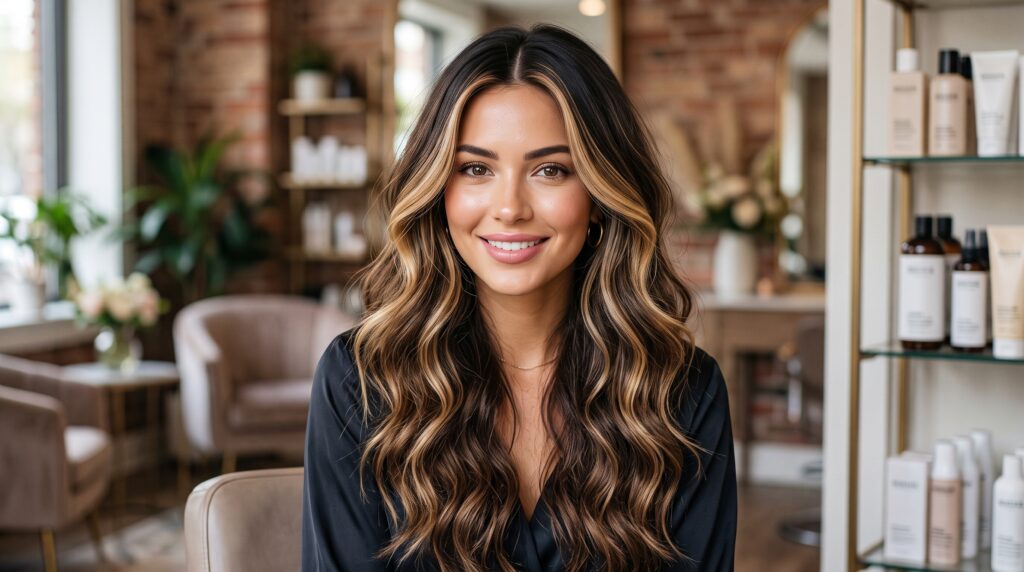
Sometimes you don’t need a full transformation, just a little brightness around your face. Face-framing balayage concentrates lighter pieces — blonde, caramel, or even auburn — right where they’ll do the most work: framing your features. It’s a great low-commitment way to get a fresher, more youthful look.
Ash Blonde Balayage
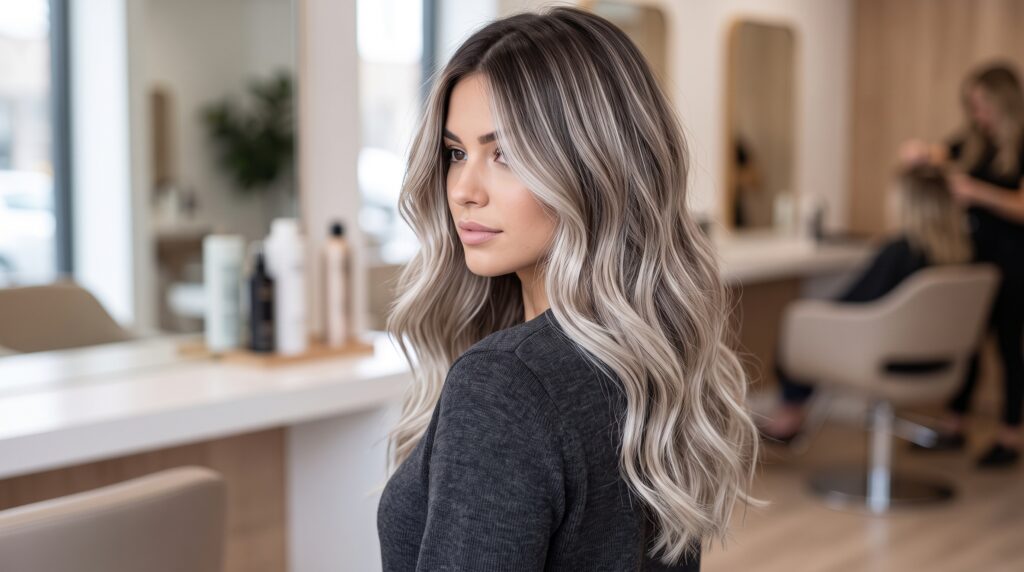
Ash blonde balayage skews cooler, with silvery, smoky undertones instead of warmth. It tends to suit cooler skin tones especially well and offers a nice contrast to the honey and caramel shades that dominate a lot of balayage inspiration boards.
Golden Balayage
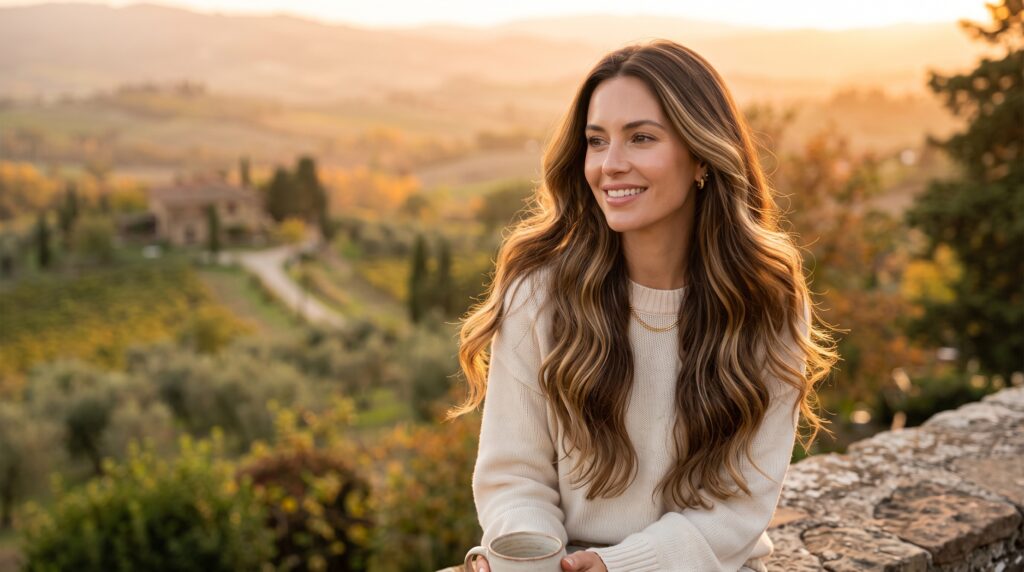
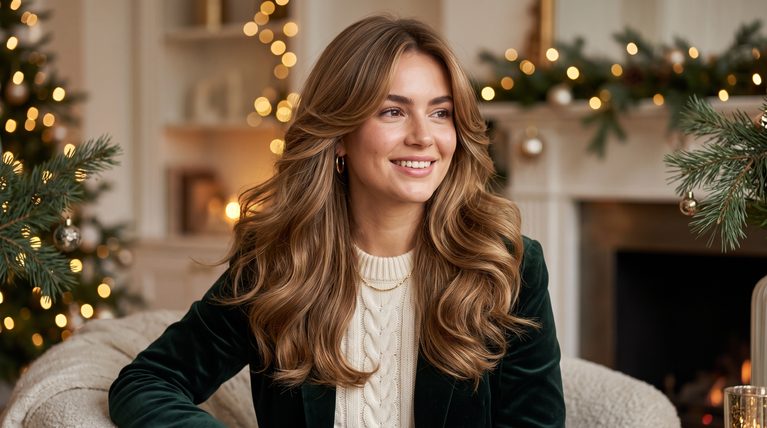
If you love blonde but don’t want it to skew too light or icy, golden balayage strikes a nice balance. Soft golden highlights are blended into a darker base for a rich, radiant finish that still feels warm and dimensional rather than flat.
Brunette Balayage
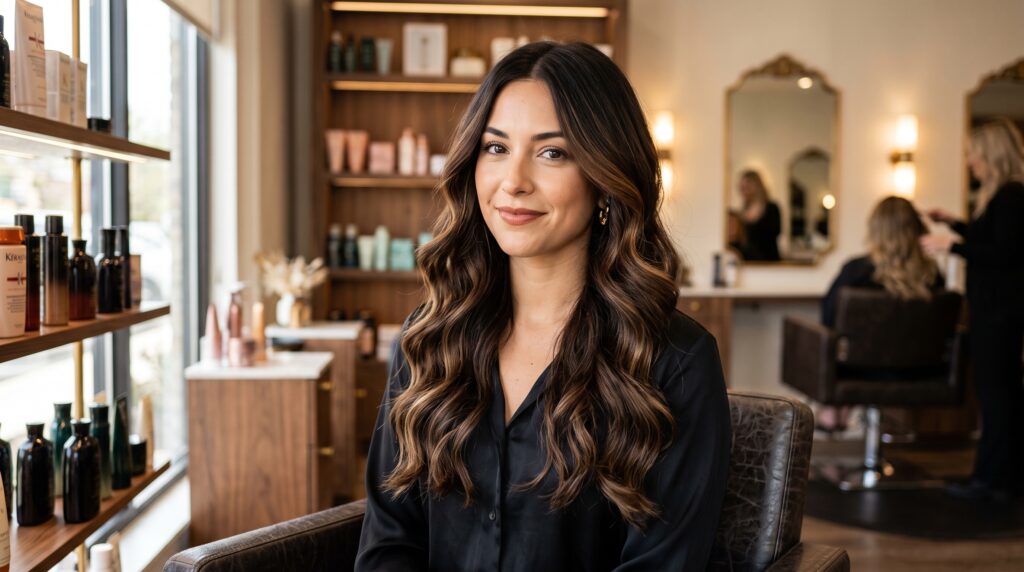
Brunette balayage is proof that you don’t need to go blonde to get the balayage effect. Depending on your preference, colorists can add caramel, chestnut, or chocolate undertones for subtle depth that enhances your natural brown without dramatically lightening it.
Auburn Balayage
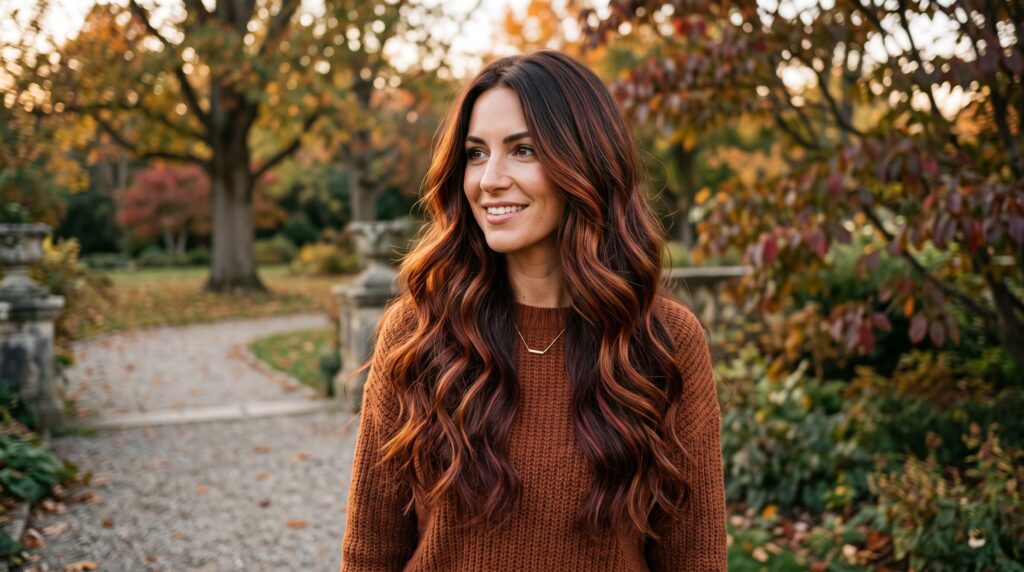
Auburn balayage combines deep reds and browns for a warm, autumnal look that photographs beautifully. It’s a great way to experiment with red tones without fully committing to an all-over red, since the reddish pieces are blended rather than saturating the whole head.
Dark Brown Balayage
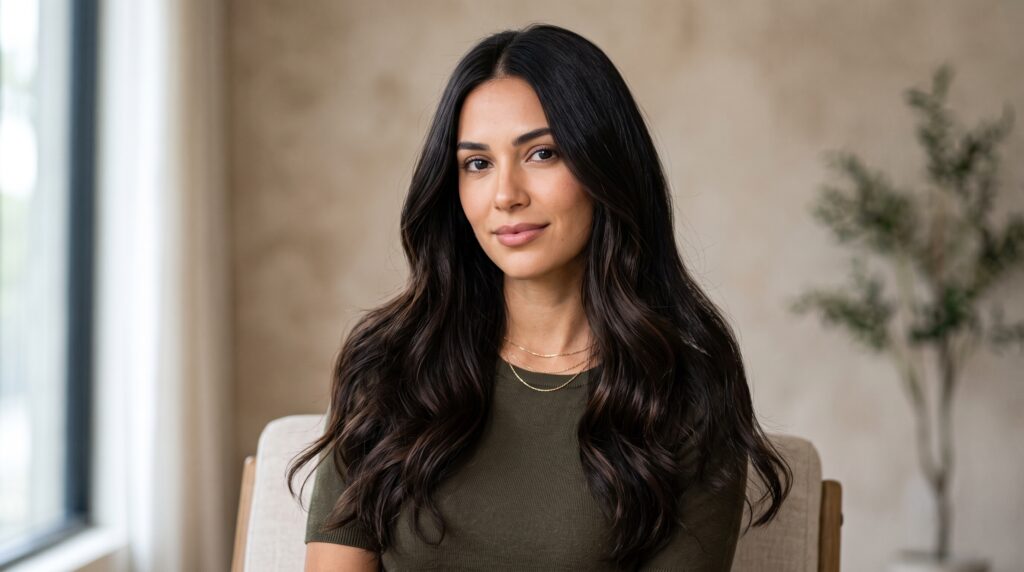
For anyone who wants dimension without a big color change, dark brown balayage keeps the highlights just a shade or two lighter than the base. It’s subtle, low-maintenance, and ideal if you want your hair to look fresh and healthy rather than obviously “colored.”
Rose Gold Balayage
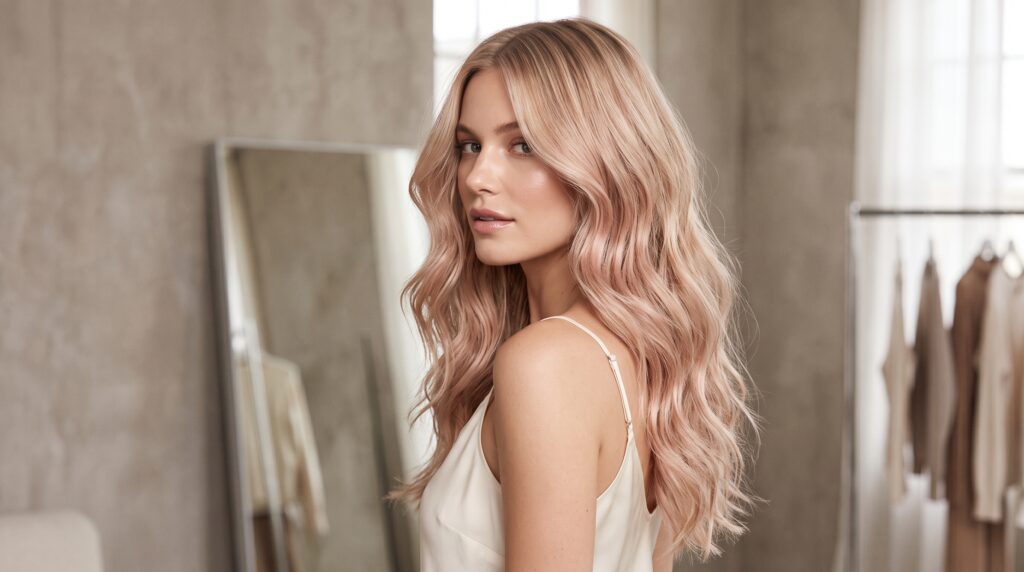
Rose gold balayage is for the playful and adventurous. Blending pale pink, gold, and blonde tones, it creates a dreamy, romantic finish. It shows up best on lighter hair, though brunettes can achieve a softer version with peachy undertones mixed in.
Copper Balayage
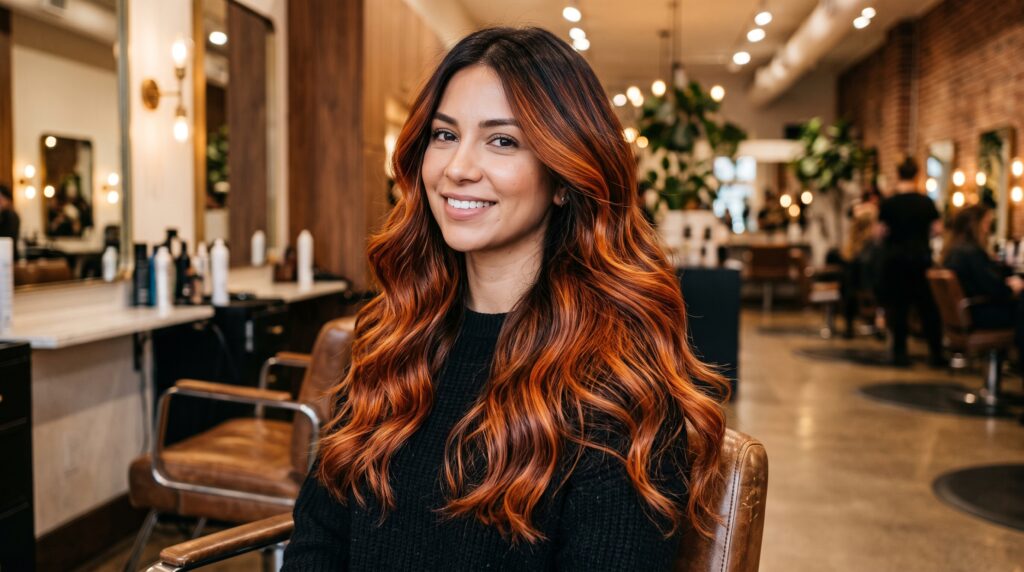
If you want something bold, copper balayage delivers. The fiery red-orange tones paired with a slightly darker root make a statement without going full head of red. It’s a warm, vibrant option for anyone who wants their color to feel a little more daring.
How to Pick the Right Balayage Shade for You
With that much balayage inspiration on the table, narrowing it down comes back to three main things:
- Your natural base color. Balayage always looks most natural when it works with your starting shade rather than against it. Brunettes tend to gravitate toward caramel, chocolate, or auburn tones, while those with lighter bases can lean into honey, golden, or ash shades.
- Your skin’s undertone. Warm undertones generally pair well with caramel, copper, and honey shades, while cooler undertones tend to look best with ash or rose gold tones.
- How much maintenance you actually want. Subtler options like partial balayage or dark brown balayage require far less upkeep than something high-contrast like copper or rose gold, which may need more frequent toning appointments to stay vibrant.
There’s no wrong answer here. Balayage is meant to be customized, so the best approach is bringing photos of shades you love to your consultation and letting your colorist adjust the placement and tone to fit your hair type and lifestyle.
Caring for Balayage Between Appointments
One of the biggest perks of balayage is how gracefully it grows out, but that doesn’t mean it’s entirely a “set it and forget it” color. A little bit of care goes a long way in keeping those tones looking fresh rather than brassy or dull.
Use color-safe, sulfate-free shampoo. Sulfates strip color fast, and lightened pieces are especially prone to fading. Switching to a gentler, color-safe formula helps your balayage hold onto its tone for longer between salon visits.
Lean on purple or blue shampoo if you’re blonde or ash. Warm undertones can creep in over time, especially with ash or cool-toned balayage. A toning shampoo used once or twice a week helps neutralize brassiness and keep the color looking crisp.
Keep up with deep conditioning. Lightened hair tends to be more porous and prone to dryness, so a weekly hair mask or deep conditioning treatment helps maintain softness and shine, which honestly makes the color itself look better too.
Protect it from heat and sun. UV exposure and heat styling can both cause color to fade faster. A leave-in product with heat protection or UV filters can help your balayage stay vibrant longer, especially if you’re someone who’s outside a lot or reaches for a flat iron daily.
Space out your touch-ups strategically. Because balayage grows out so naturally, most people can go anywhere from twelve to sixteen weeks between appointments, compared to the six to eight weeks typically needed for traditional foil highlights. That said, a gloss or toning session in between full color appointments can help refresh dulling tones without a full redo.
Common Questions About Balayage Inspiration
Does balayage work on short hair? Yes. While balayage is often associated with longer hair because there’s more length to show off the gradual blending, colorists can absolutely adapt the technique for shorter cuts. The placement is just adjusted to work with less length, often focusing more around the face and crown.
Is balayage damaging to hair? Any lightening process involves some level of chemical processing, but balayage tends to be gentler than full-head lightening since it’s applied selectively rather than saturating every strand. Working with an experienced colorist and following a solid aftercare routine will go a long way in minimizing damage.
Can I do balayage at home? It’s technically possible, but balayage relies heavily on freehand technique and an understanding of how different sections of hair will lighten. Even experienced colorists spend years refining their placement skills, so this is one color service where professional experience really does make a visible difference in the final result.
How long does balayage typically last? Because there’s no harsh regrowth line, balayage can look good for months without a touch-up. Most people find the color itself stays vibrant for eight to twelve weeks before it starts to need refreshing, though this varies depending on the shade and how well it’s cared for.
What’s the best way to describe the balayage I want to my colorist? Bring photos. Balayage inspiration boards are incredibly useful during a consultation because they give your colorist a visual reference for placement, tone, and intensity, which is a lot easier to work from than a verbal description alone.
Final Thoughts
Balayage remains one of the most flattering, adaptable coloring techniques out there because it’s never really “one look.” Whether you’re drawn to something soft and low-maintenance like partial or dark brown balayage, or you want a bolder statement like copper or rose gold, there’s a version of this technique built for you. The key is going in with a clear sense of what you like, an understanding of your own hair and skin tone, and a colorist you trust to translate that balayage inspiration into a shade that actually works for you.
If you want to dig deeper into the technique itself before your appointment, Merriam-Webster’s definition of balayage is a solid, straightforward reference point for understanding exactly what the term means and where it came from.