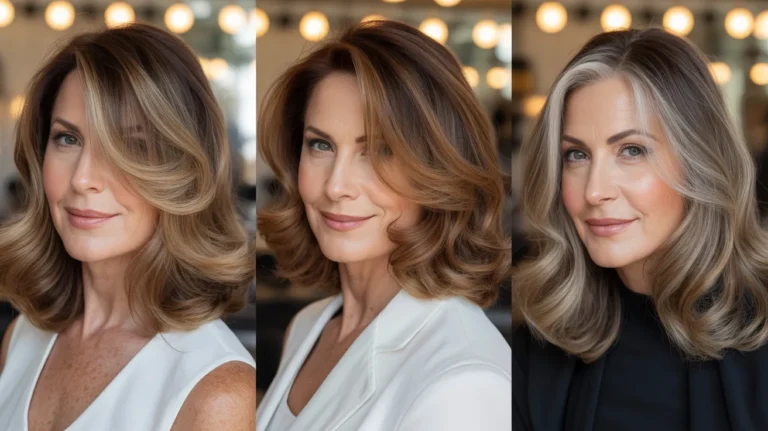
27 Ashy Bronde Melt Hair Color Ideas for a Seamless, Cool-Toned Blend
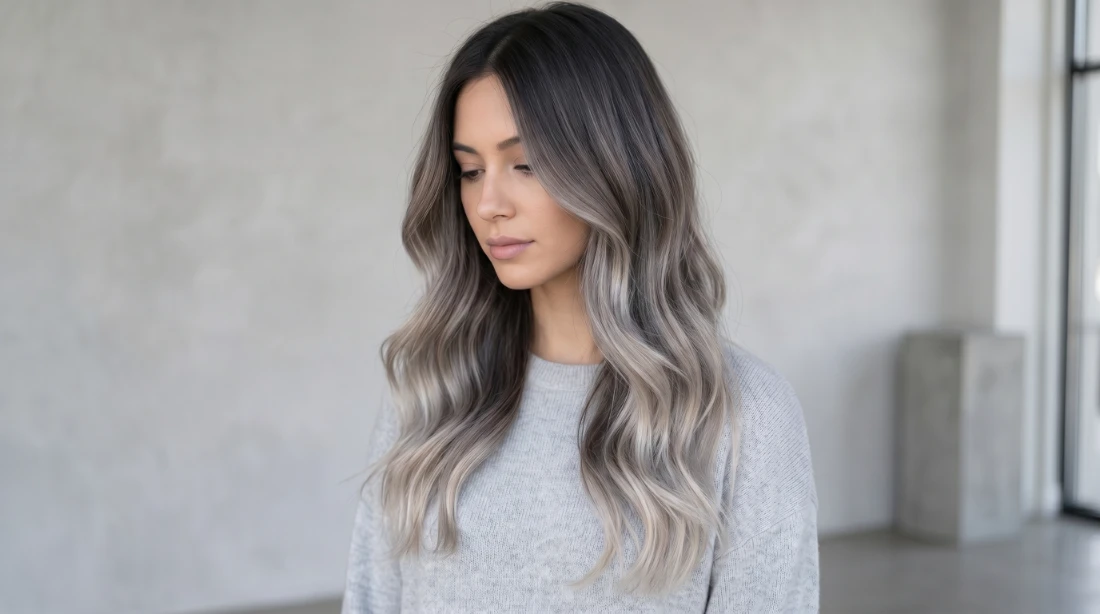
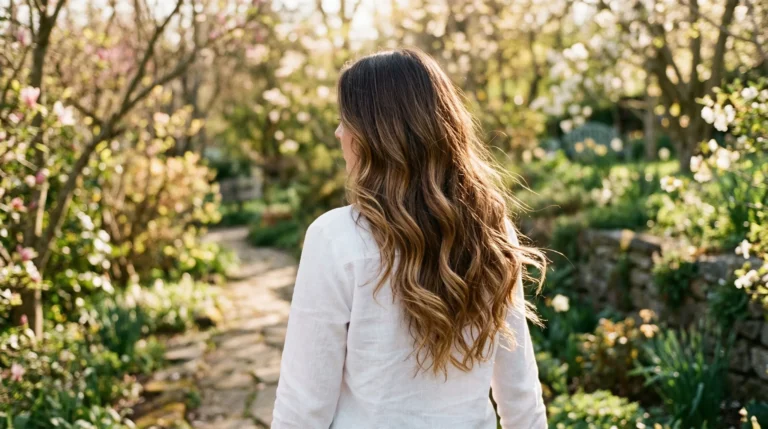
There’s a specific kind of hair color that makes people stop mid-sentence and ask if it’s natural. Ashy bronde melt hair color ideas tend to fall into that category more than almost any other technique — cool-toned, gradually blended, and just understated enough to look like a fluke of genetics rather than hours in a colorist’s chair.
What sets a true melt apart from highlights or ombre is the absence of any visible line. Color shifts from root to end the way dye spreads through water — no seam, no obvious starting point, just a slow, continuous change in depth and temperature. Add the ash component, which knocks out warmth before it has a chance to turn brassy, and you get a brunette-to-blonde transition that looks deliberately cool rather than simply faded.
Part of why this category keeps growing is pure maintenance fatigue. Highlight refreshes every six weeks, toning every three, root touch-ups wedged in between — it adds up in time and cost without ever feeling finished. A well-placed melt is built to grow out gracefully instead, so a few extra weeks between salon visits reads as intentional rather than neglected.
Below are twenty-seven distinct ashy bronde melt hair color ideas, ranging from barely-there cool shadow roots to full, dramatic melts that travel the entire distance from deep brunette to near-silver. Whatever your hair texture, length, or commitment level, there’s a version here built for it.
Finding Your Match: Face Shape and Texture Guide
By Face Shape
Oval Face: Nearly every interpretation on this list will suit an oval face shape, since there’s no strong feature to compensate for. A centered melt — deepest at the root, gradually lightening through the lengths — follows the face’s natural proportions. Face-framing pieces a touch lighter than the rest of the melt draw extra attention toward the eyes.
Heart Face: Push the lightest tones toward the mid-lengths and ends rather than concentrating them at the crown. This shifts visual weight downward, balancing a broader forehead against a narrower jaw, while a deeper root keeps the upper face anchored.
Square Face: A slightly uneven melt placement — a touch deeper on one side, a touch lighter framing the other — softens the strong horizontal jawline that defines a square face shape. Cool bronde tones sitting right at jaw level add softness without adding harsh definition.
Round Face: A vertical melt — concentrated depth at the root with a narrow, downward-traveling lightening pathway through the center — creates the illusion of extra length. Keep the sides slightly deeper than the center panel to reinforce the elongating effect.
By Hair Texture
Fine Hair: Tonal variation reads as physical thickness to the eye, which makes a melt one of the most effective things you can do for fine hair. Skip heavy, chunky highlights in favor of a seamless blend — the integration is what creates the appearance of extra density.
Thick Hair: Thick hair shows off every layer of a melt at once, since there’s enough volume for the full gradient to be visible from multiple angles simultaneously. Ask your colorist to work the melt into interior layers, not just the surface, so it reads consistently no matter how the hair falls.
Curly Hair: Curls naturally blur tonal transitions even further, since the lighter tones catch at the top of each coil while deeper tones settle into the shadow underneath. The result looks dimensional and multi-toned with very little extra technique required.
Straight Hair: Straight hair shows a melt with total clarity — every shift in tone is fully visible, giving the color an almost graphic, editorial precision from root to end.
27 Ashy Bronde Melt Hair Color Ideas
1. The Espresso Pour
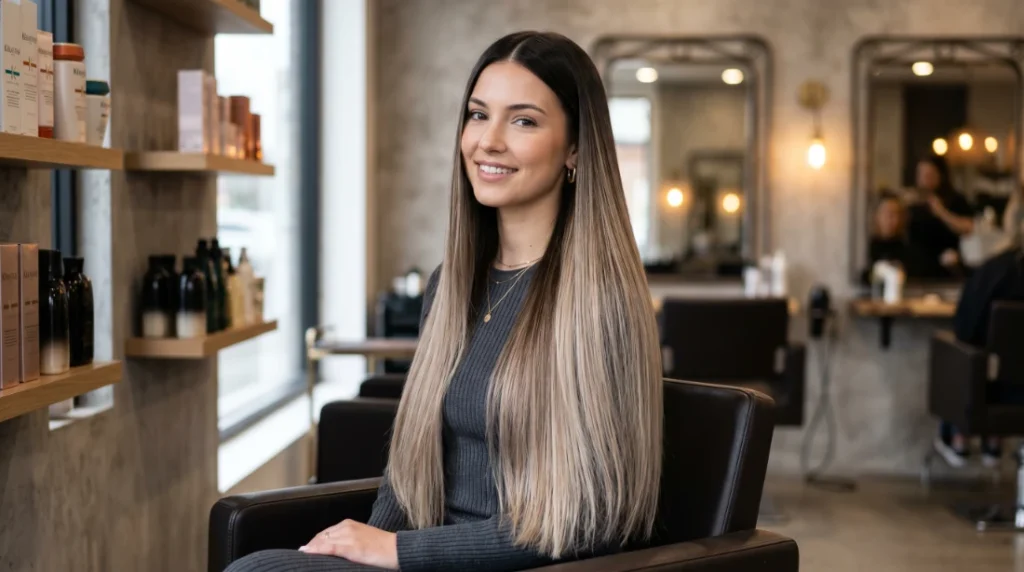
The Look: A rich, near-black espresso root that travels down through warm chestnut and settles into a cool, muted bronde by the ends. The drop in depth is gradual enough that you’d struggle to point to where one tone actually stops and the next begins.
Why It Works: This is the entry point for deep brunettes who want lightness without the shock of going several shades up all at once. The dark root stays doing the heavy lifting, so the contrast feels earned rather than abrupt.
Stylist Tip: Ask for the lightening to start no higher than the cheekbone. Anything closer to the part line will fight the espresso root and create a hard line instead of a melt.
2. The Quiet Frost

The Look: A soft, low-contrast bronde with just enough grey cast running through it to read as cooled-down rather than colored. From a few feet away it looks almost undyed — just a slightly more interesting version of natural hair.
Why It Works: Built for anyone whose workplace or personal style leans understated. It delivers dimension without anything that screams ‘fresh color,’ which makes it one of the lowest-maintenance options in the cool-toned family.
Stylist Tip: A weekly cool-toned hair mask, rather than a full toning shampoo, keeps the grey cast from tipping into flat or ashy-dull. Reserve the stronger purple shampoo for once a month at most.
3. The Driftwood Blend

The Look: Warm, weathered neutral tones — somewhere between sand and taupe — running through the mid-lengths, with a deeper root shadow holding everything down. Less beachy-blonde, more like hair that’s spent a long time near salt air without trying.
Why It Works: Solves the common complaint that all-cool color reads too flat against a warmer complexion. The driftwood tones keep just enough warmth in the mix to stay flattering while the root shadow keeps the whole thing grounded.
Stylist Tip: Texturizing spray on damp hair before diffusing brings out the lived-in quality that makes this color believable rather than salon-fresh.
4. The Charcoal Veil
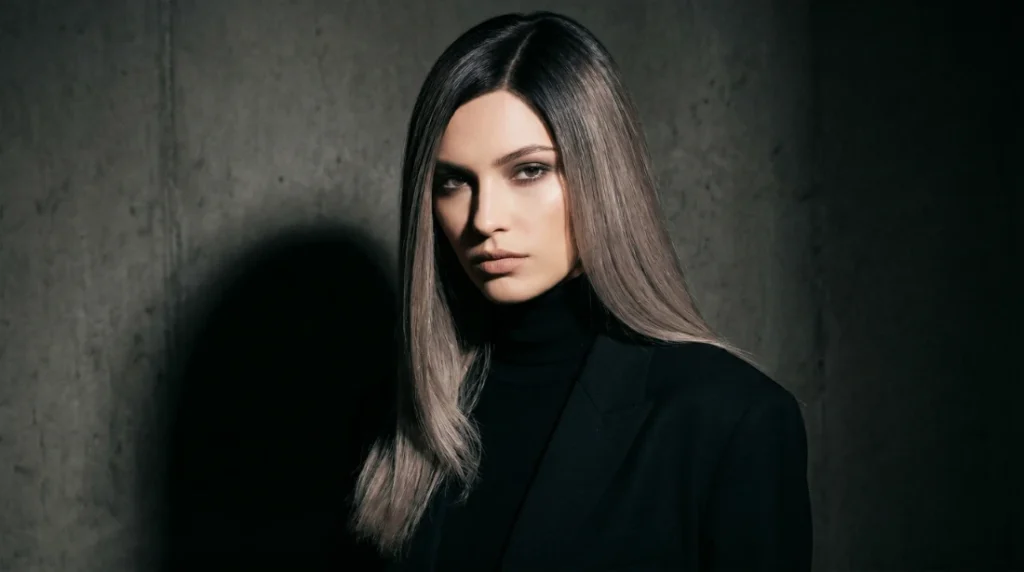
The Look: A graphite-toned root melting into a cooler, smokier bronde — moodier and slightly darker overall than most melts in this list, with none of the warmth that typically sneaks into brunette-based color.
Why It Works: For anyone bored of warm brunette but not ready to commit to visible blonde, this gives genuine tonal shift while staying firmly in dark-hair territory. It reads as intentional rather than as color that’s simply faded.
Stylist Tip: A cool-toned glaze every six weeks is non-negotiable here — without it, the charcoal cast drifts warm noticeably faster than lighter melts because there’s less lightened hair to carry the cool pigment.
5. The Honeyed Ash
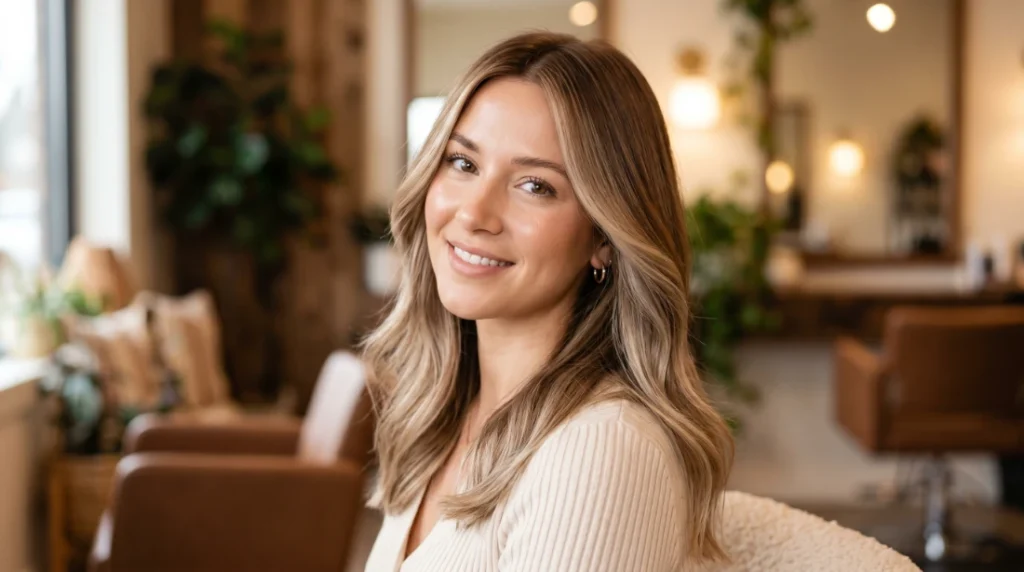
The Look: A warm honey-toned root that shifts into a cooler, ash-leaning bronde through the lengths — the opposite pairing of the classic dark-root, light-end setup, with warmth concentrated where it flatters the face most.
Why It Works: Built specifically for warmer skin tones that find all-over ash a little harsh up close. Keeping the warmth near the face and pushing the cool tones further down the hair solves that mismatch without giving up the ash finish entirely.
Stylist Tip: Have your colorist apply a warm gloss only to the root section every two months — applying it through the lengths will undo the cool effect you’re paying for at the ends.
6. The Mineral Wash
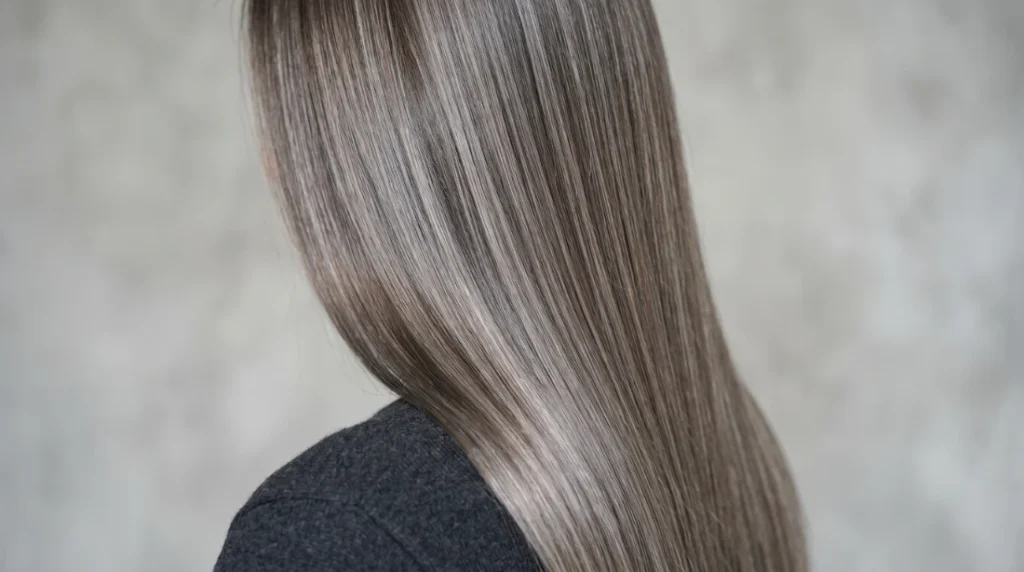
The Look: A cool, slightly metallic bronde with a flat, mineral quality — think wet stone rather than warm sand. The tone sits close in depth from root to end, so the melt reads more as a subtle temperature shift than a dramatic lightening.
Why It Works: Ideal for low-contrast hair that still wants the cool, refined finish of ashy bronde without committing to noticeable lightening or a long grow-out window.
Stylist Tip: Cold water on the final rinse matters more here than almost any other look on this list — the metallic quality fades fastest under hot water and heat styling.
7. The Stormcloud Melt

The Look: Deep grey-brown roots melting through a softened pewter mid-tone before landing on a pale, cool bronde at the ends. The grey undertone runs through every section rather than appearing only at the root, giving the whole color a unified, weather-worn feel.
Why It Works: Gives brunettes craving real lightness at the ends a way to get there while keeping a substantial portion of natural depth intact — less bleach exposure, similar visual payoff.
Stylist Tip: A bond-building treatment applied directly before the lightening service, not just after, gives stressed mid-lengths a head start and noticeably reduces breakage at the ends.
8. The Linen Blonde
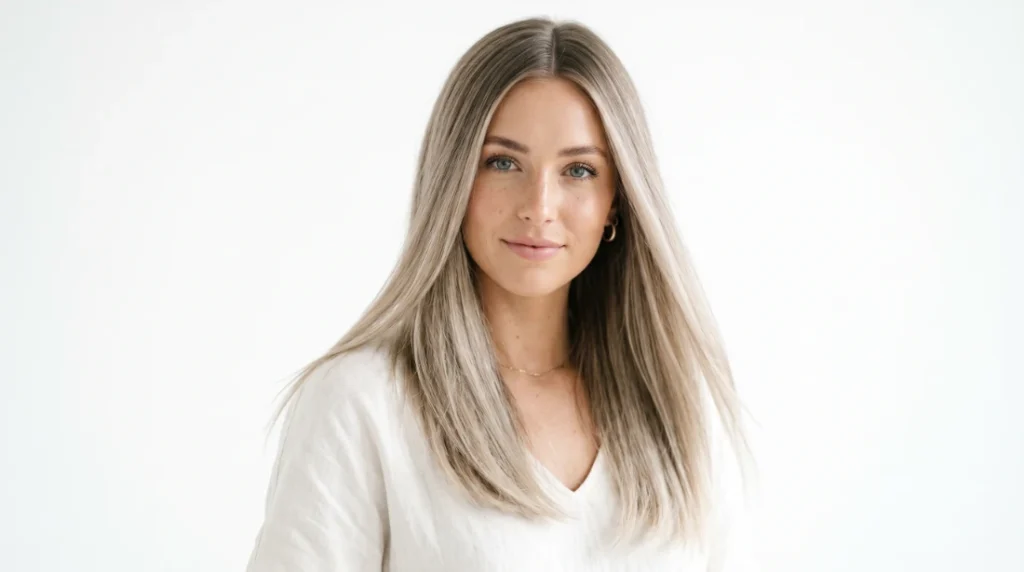
The Look: A pale, slightly textured bronde with a flat, matte finish rather than high shine — closer to undyed linen fabric than polished blonde. Root shadow stays soft and close to the natural base color.
Why It Works: Works well for anyone who finds glossy, reflective blonde too attention-grabbing. The matte finish reads as effortlessly natural even at a noticeably lighter overall depth.
Stylist Tip: Skip the shine serum on this one. A lightweight, oil-free cream styler keeps the matte finish intact, which is the entire point of the look.
9. The Cocoa Frost

The Look: A warm cocoa-brown root softened by a frosted, cool bronde through the mid-lengths and ends — the warmth of cocoa balanced almost exactly against the coolness of the frost, so neither dominates.
Why It Works: Designed for the middle ground between warm and cool seekers — for clients who like elements of both and don’t want to fully commit to either temperature.
Stylist Tip: Alternate weekly between a warm-toned and a cool-toned conditioner rather than mixing them — alternating keeps both halves of the balance distinct instead of cancelling each other into a muddy in-between.
10. The Deep Root Bronde
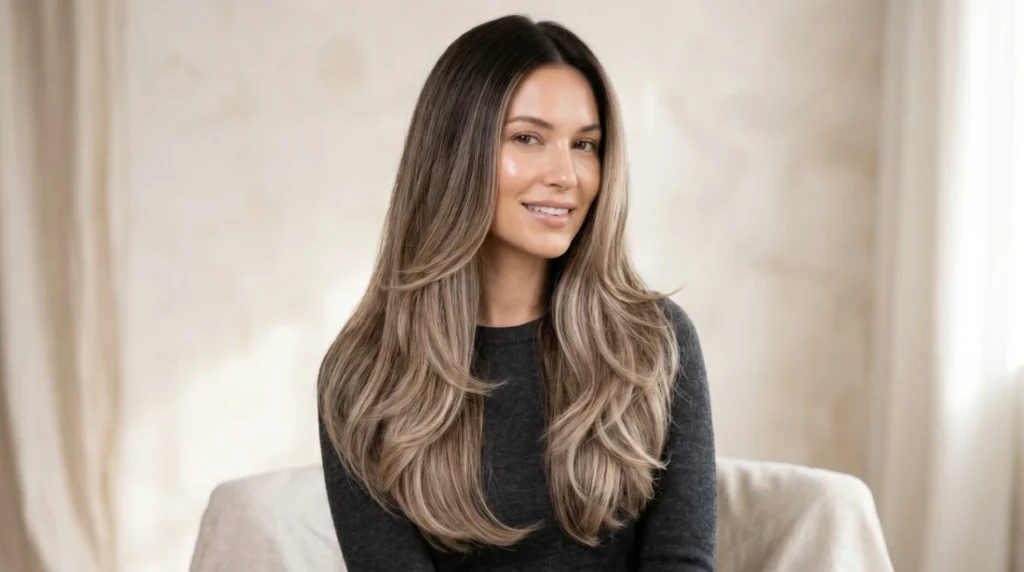
The Look: A generous, intentionally low root shadow — extending several inches past where most root shadows stop — that melts into an even, well-distributed cool bronde for the remaining length.
Why It Works: Built for the lowest possible maintenance schedule. The unusually deep root placement means new growth simply extends the existing shadow rather than creating a visible line, stretching salon visits considerably.
Stylist Tip: Because the shadow zone is so deep, ask your colorist to slightly soften the very bottom edge of it with a diffused balayage technique — this prevents the transition from reading as a flat block of color.
11. The Burnt Sugar Melt
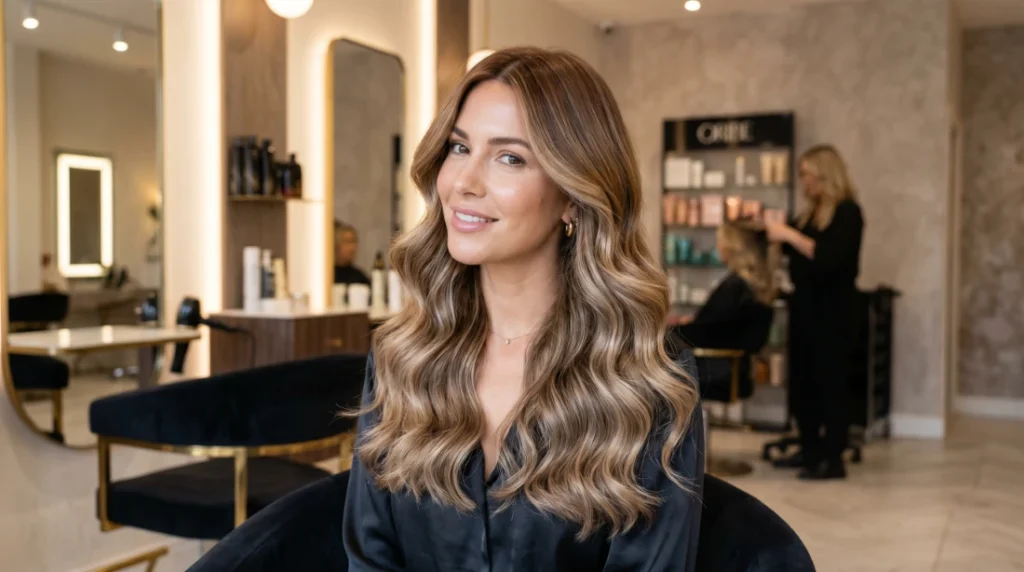
The Look: A warm caramel-brown base that’s been deliberately muted and cooled, landing somewhere between caramel and ash — not quite warm, not quite cool, but a specific, complex in-between that’s harder to name than to recognize on sight.
Why It Works: Solves the issue of pure caramel reading too warm and pure ash reading too cold for medium, neutral skin tones — this hybrid sits comfortably in between and flatters a wider range of complexions as a result.
Stylist Tip: Request a custom-mixed gloss rather than an off-the-shelf shade — this specific in-between tone is rarely a pre-mixed formula and needs a colorist who’s willing to blend toward it.
12. The Ashy Bronde Lob
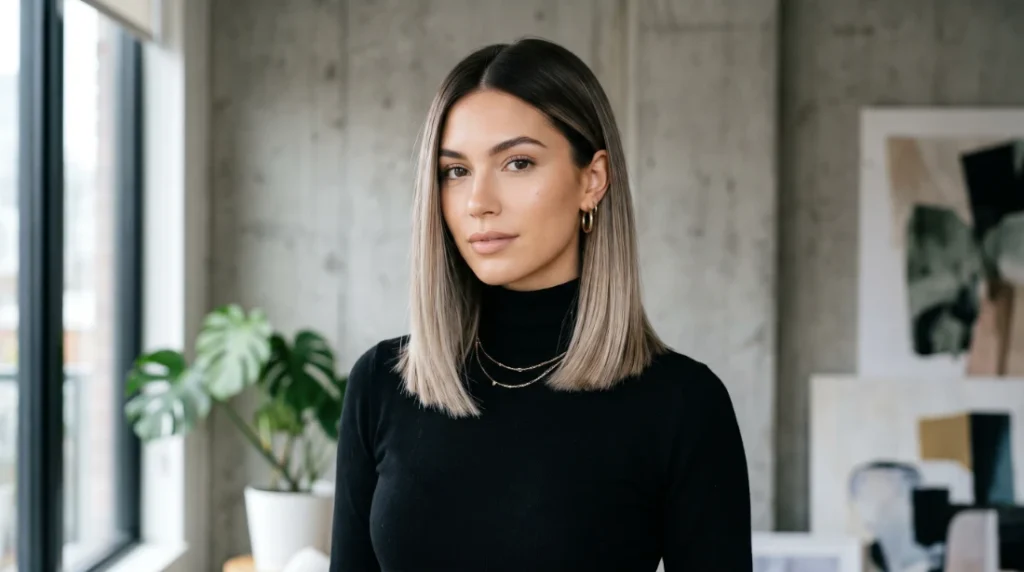
The Look: A clean, chin-to-collarbone lob cut carrying a full root-to-end ashy bronde melt — the geometric simplicity of the cut puts the gradual color shift front and center as the main visual interest.
Why It Works: Solves the ‘safe but boring’ problem that lob cuts can run into without strong color support. The melt gives an otherwise simple cut a reason to turn heads.
Stylist Tip: A flat iron pass focused on the ends, finished with a lightweight glossing serum, makes the lightest part of the melt catch the most light — exactly where you want the eye to land.
13. The Hushed Brunette

The Look: A deep, cool-leaning brunette with a subtle silvery sheen woven through rather than a true melt to blonde — the ash quality lives inside the brunette itself instead of appearing only at lighter ends.
Why It Works: For brunettes who want dimensional, contemporary color without changing their overall depth at all. It refreshes a dark base rather than transforming it.
Stylist Tip: Ask for a clear, non-pigmented gloss rather than a tinted one — a clear gloss adds the silvery sheen through light reflection alone, without depositing any color that could eventually build up and darken the base further.
14. The Foiled Fade
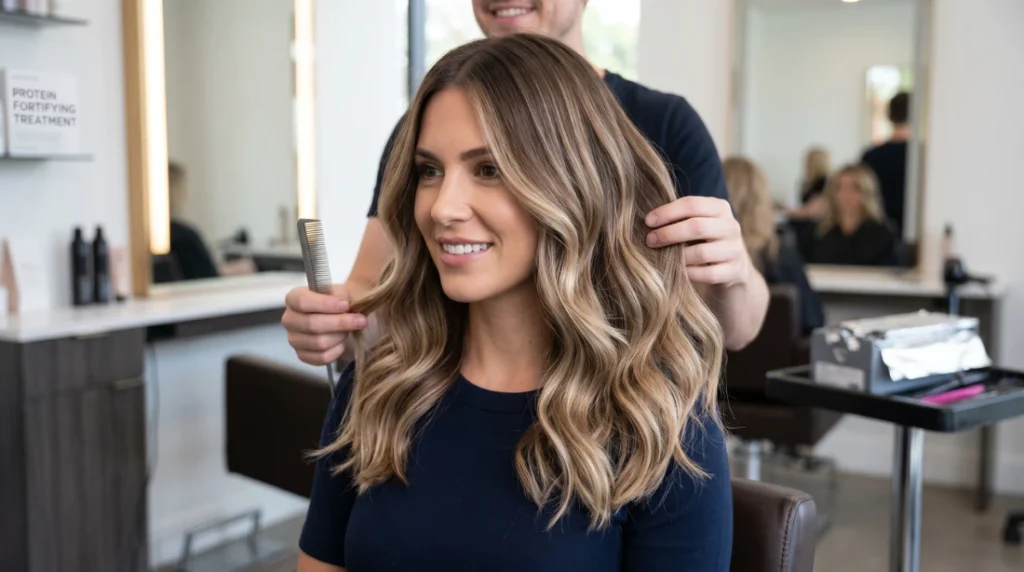
The Look: A precision foiling technique used to build an exceptionally smooth bronde melt, designed specifically for hair that tends to resist color and show visible banding with looser techniques.
Why It Works: Solves the specific problem of stubborn or coarse hair holding onto visible lines where freehand techniques fail to blend fully. The structure of foiling forces a more even result on resistant hair types.
Stylist Tip: A protein-based treatment in the two weeks following a foiling service helps reinforce hair that’s gone through more processing steps than a freehand technique typically requires.
15. The Pale Quartz Melt
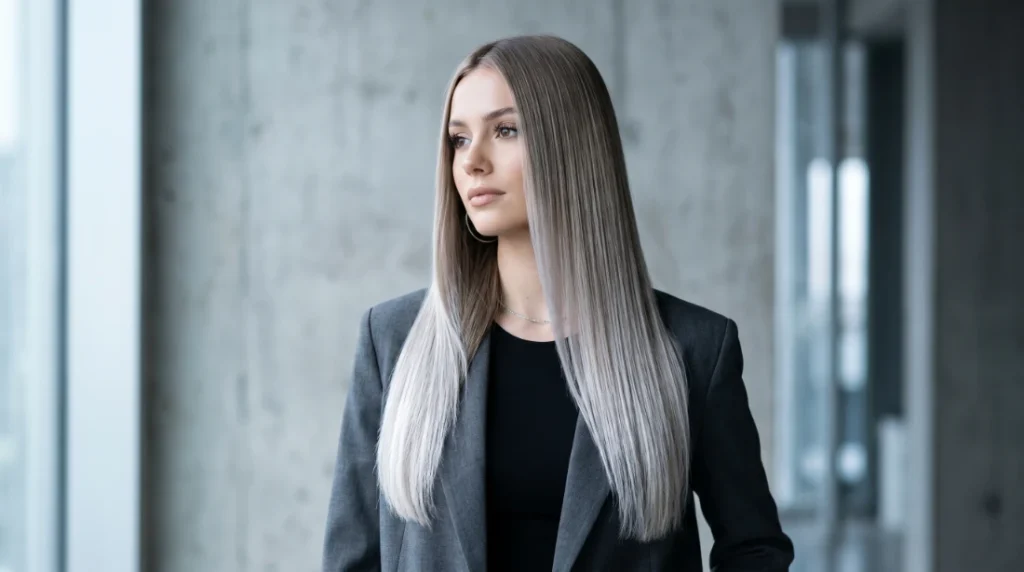
The Look: An extremely pale, faintly pink-grey bronde at the ends — cooler and paler than most looks on this list — transitioning through a muted mid-tone before reaching a natural brunette root.
Why It Works: Pre-empts brassiness almost entirely by making the destination shade so pale and so cool that warmth has nowhere to hide. Any unwanted warmth shows up immediately and gets corrected at the next toning visit rather than building up unnoticed.
Stylist Tip: A weekly purple mask left on for a full ten minutes — not just rinsed through quickly — is the difference between this color staying genuinely pale-quartz and slipping toward a dingy beige within a month.
16. The Wavy Shadow Bronde

The Look: A deep root shadow paired with a cool mid-to-end bronde, styled in loose, undone waves that let the color show up differently at every curve of the hair.
Why It Works: Combines two trends that genuinely reinforce each other — the wave pattern makes the melt look more dimensional than it would lying flat, and the melt makes the waves look more textured and intentional.
Stylist Tip: Curl from the ear down only, leaving the root section straight — this keeps the shadow root reading as a deliberate, distinct zone rather than blurring into the wave pattern.
17. The Ashy Bronde Pixie
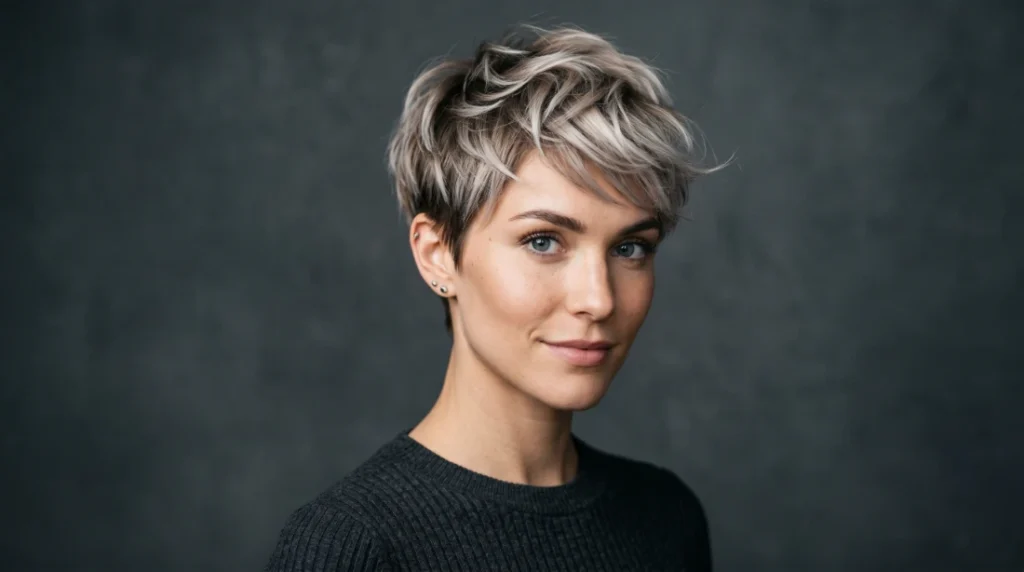
The Look: A short, cropped pixie carrying a compressed version of the full melt — dark at the root, light at the tips — packed into just a couple of inches of hair length.
Why It Works: Proves the melt technique isn’t reserved for long hair. On a pixie, the same root-to-tip color journey happens in miniature, giving a short cut unexpected tonal depth.
Stylist Tip: A matte paste worked through with fingertips after styling helps define individual sections, which matters more on short hair where color zones sit closer together and need a little texture to stand apart.
18. The Toasted Almond Melt

The Look: A warm, nutty brown root cooling gradually into a muted, ash-leaning bronde — neither tone fully wins out, giving the color a layered, slightly unplaceable warmth-meets-cool quality.
Why It Works: Answers the common complaint that fully ash-toned melts can look flat on camera or in bright light. The warm root keeps the overall color feeling alive while the cooler ends still deliver the sought-after ash finish.
Stylist Tip: A leave-in treatment that combines a warming oil with a cool-toning extract, used through the full length at once, keeps both halves of this two-temperature color balanced without extra steps.
19. The Glacier Bronde
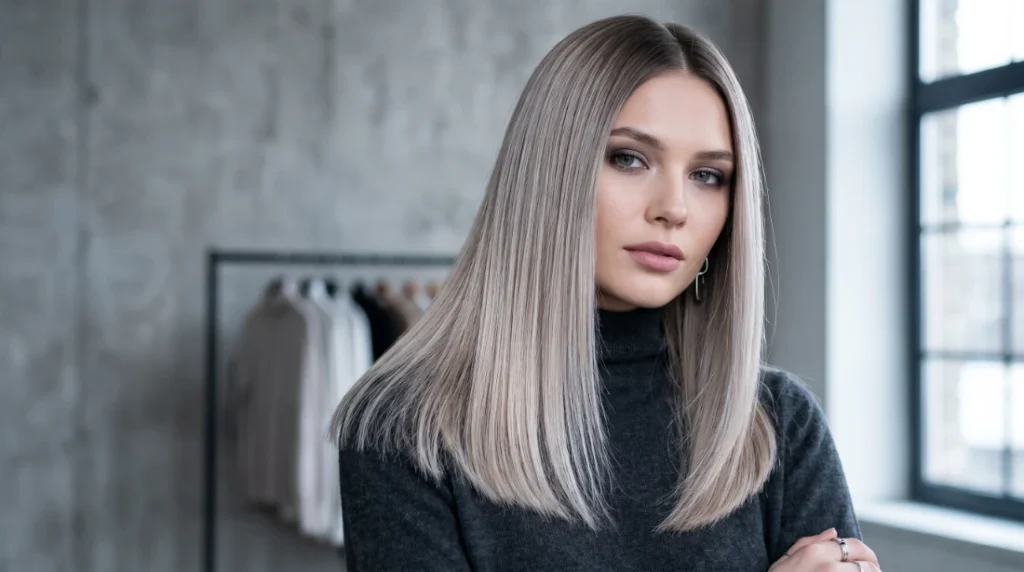
The Look: Pushed about as cool and pale as bronde can go before tipping into full ice-blonde territory — a faint beige-silver cast throughout, with almost no warmth detectable even in direct light.
Why It Works: For anyone drawn to icy blonde aesthetics who isn’t ready for the upkeep of a full platinum service. This delivers most of the visual payoff at a fraction of the lightening commitment.
Stylist Tip: Book toning appointments on a strict six-week schedule for this one specifically — pale, cool tones like this drift toward warm noticeably faster than darker melts, and missed appointments show up fast.
20. The Olive Grove Melt

The Look: A deep brunette root moving through a muted, faintly green-cool mid-tone before settling into a cleaner ash-bronde at the ends — the mid-section carries a distinct earthy, olive-adjacent quality that sets it apart from most cool-toned melts.
Why It Works: Specifically flatters olive and green-neutral skin undertones that often clash with standard warm or cool color in ways that are hard to pinpoint. This melt’s unusual mid-tone harmonizes with that undertone rather than fighting it.
Stylist Tip: A khaki-tinted demi-permanent gloss applied to the mid-section only, every couple of months, keeps that distinctive earthy quality from washing out into a more generic ash.
21. The Braided Bronde Reveal
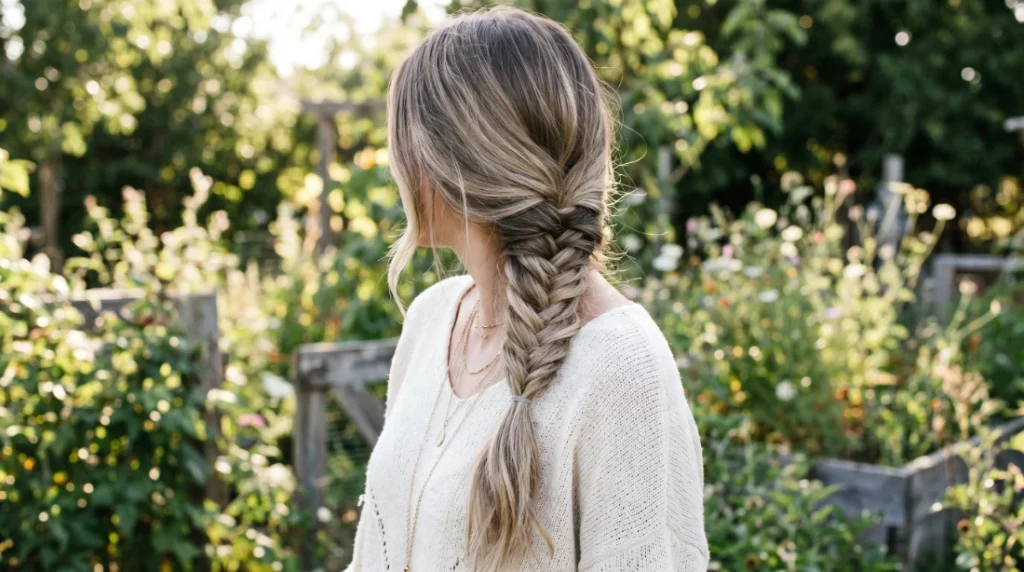
The Look: A full ashy bronde melt worn in a loose Dutch braid, with each section of the plait exposing a different point in the tonal gradient — root, mid-tone, and tip all visible at once within the braid’s structure.
Why It Works: Solves the issue of long, loose hair compressing the visual impact of a melt. Braiding physically separates and stacks the tonal zones, making the full gradient legible in a way that loose hair sometimes hides.
Stylist Tip: Loosen each section of the braid slightly after plaiting to widen it — this single step does more to display the color gradient than any product or technique applied beforehand.
22. The Whisper Highlight Melt
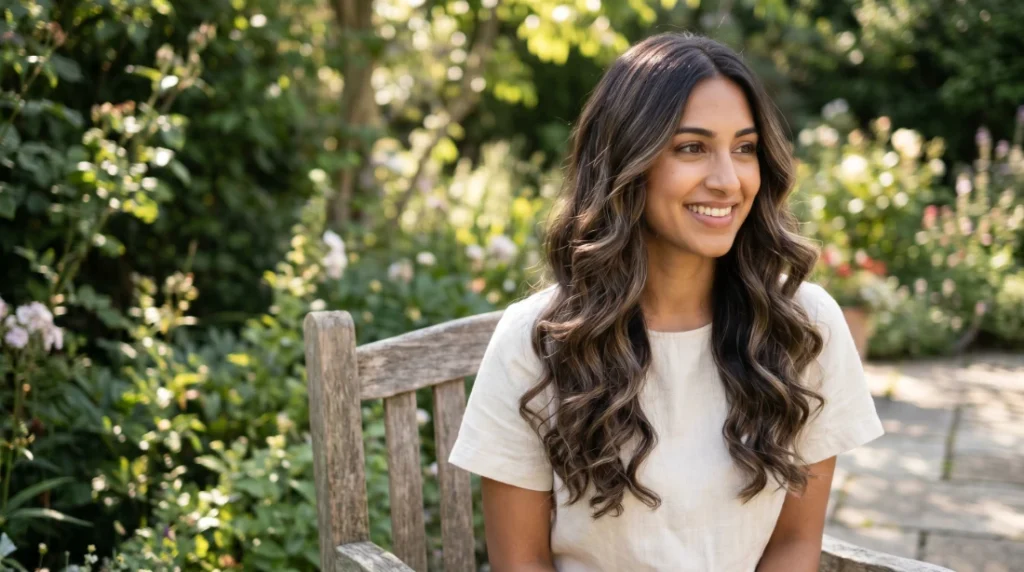
The Look: Extremely fine, almost invisible cool-toned highlights woven through a natural dark brunette base and blended seamlessly — so finely placed that they read as light-catching rather than as highlights at all.
Why It Works: Delivers the luminosity highlights are known for without any of the visible technique. Hair looks naturally radiant rather than obviously colored, which appeals to anyone wary of high-maintenance highlight upkeep.
Stylist Tip: A glossing treatment every few months unifies all those fine, individual pieces into one cohesive sheen rather than letting them read as separate, slightly competing strands.
23. The Ashy Bronde Shag

The Look: A heavily layered shag cut carrying the melt through every tier — the top layers landing lighter and more ash-toned, the underlayers staying closer to the natural brunette base.
Why It Works: Solves the monotony that can creep into shag cuts on a single flat color. Multiple layers paired with multiple tonal depths means every angle of the cut reveals something slightly different.
Stylist Tip: Run a texturizing spray through dry layers with fingers, lifting and separating each tier — this exposes the tonal contrast between layers that gives this particular shag its depth.
24. The Curtain Fringe Melt

The Look: A natural brunette base left untouched everywhere except the curtain fringe, where a full cool bronde melt is applied — concentrating the entire color statement in the most visible, face-framing section of hair.
Why It Works: Gives anyone curious about ashy bronde a low-cost, low-commitment way to try it. A single, strategically placed section delivers a real preview of the look before a full-head service.
Stylist Tip: A small amount of toning conditioner worked through just the fringe section weekly keeps the contrast between the cool fringe and the warmer brunette base looking deliberate rather than patchy.
25. The Velvet Blend
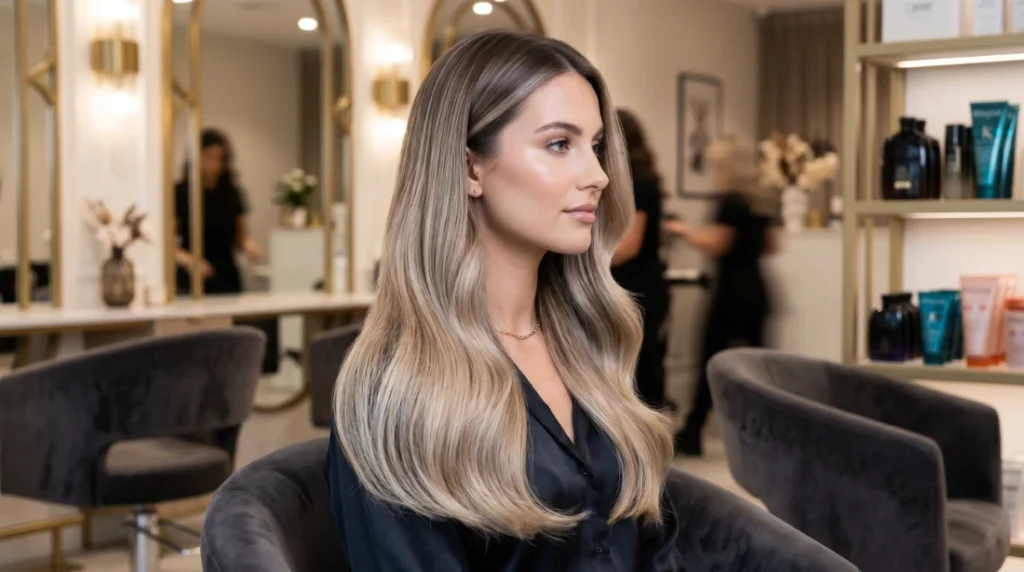
The Look: An ultra-smooth, micro-blended melt where the transition zones are worked so thoroughly that no single point reads as a boundary anywhere along the hair — every section flows into the next with no visible seam.
Why It Works: Targets the most common failure point of any melt — a visible band where two tones meet imperfectly. This version is built specifically around eliminating that band through extensive transition-zone blending.
Stylist Tip: Ask your colorist for a soft-smudging technique using a demi-permanent formula specifically at the transition points — that’s the step that produces the genuinely seamless quality this look is named for.
26. The Slate Bob Melt
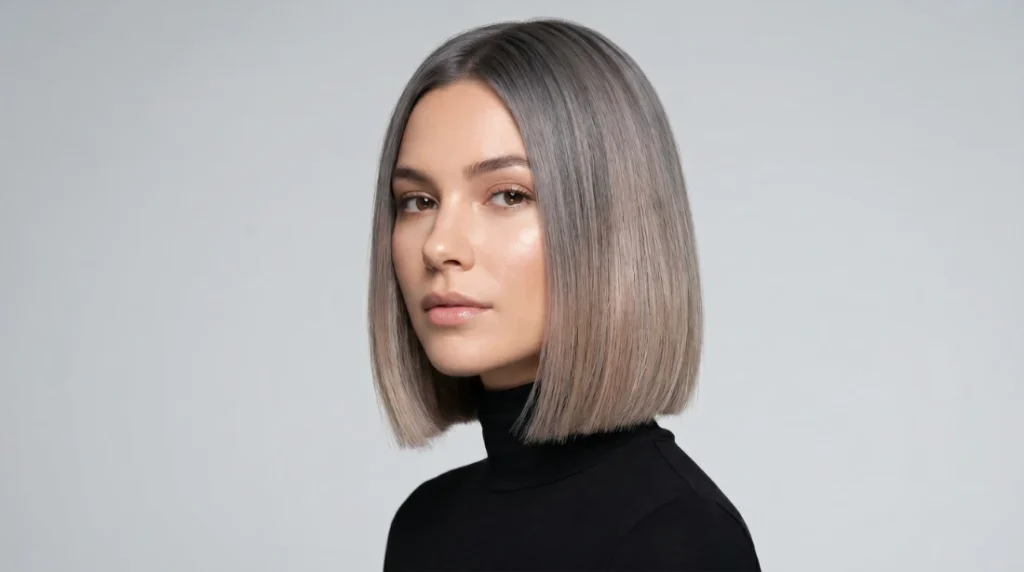
The Look: A blunt, chin-length bob carrying a cool, slate-toned root melting into a lighter ash bronde — the structured geometry of the bob gives the gradual color shift a clean frame to live inside.
Why It Works: Solves the flatness that a single-process color can bring to a structured cut. The melt adds dimensional interest that complements rather than competes with the bob’s clean lines.
Stylist Tip: A flat iron finish followed by a lightweight serum creates the glassy surface that lets a structured cut like this show off every stage of the tonal gradient with maximum clarity.
27. The Silver Horizon Melt

The Look: The coolest, most directional look in the set — a brunette root moving through a cool bronde mid-tone and arriving at an unmistakably silver-toned end. The metallic quality at the tips is the clear focal point of the whole color.
Why It Works: Delivers the visual payoff of silver hair at the ends without the full-head bleaching that a true silver service requires. The brunette root and bronde mid-section act as a natural, low-maintenance frame for the silver tips.
Stylist Tip: Use a silver-toning shampoo only on the ends, applied with a tint brush rather than worked through the whole head — this keeps the metallic quality crisp without pulling the warmer mid-tones cooler than intended.
Maintenance Tips That Actually Make a Difference
- Use two toning products, not one. Most melts span at least two temperature zones — a warmer root and a cooler end section — and a single all-purpose toning product rarely serves both well. Treat each zone separately in the same shower if you can.
- Think in zones, not in one flat hair color. Every product decision, from shampoo to leave-in, should account for the fact that your hair is genuinely several different tones living together. When unsure, the coolest, most neutral option applied lightly from root to tip is the safest default.
- Book a toner appointment every eight to ten weeks rather than a full recolor. Full recoloring at that frequency adds unnecessary processing and can actually undo the seamlessness of the melt. A toner refresh hits every cool tone without reprocessing hair that’s already been lightened.
- Finish every shower with a cool water rinse. Hot water opens the cuticle and lets color molecules escape with each wash; cold water seals it shut and keeps pigment locked in for longer.
- Wear a UV-protective spray outdoors. Cool, ashy pigments break down under sun exposure faster than warm tones do, so a leave-in UV filter is one of the most overlooked tools for stretching time between toning visits.
Shopping List: What to Keep on Hand
- Purple or blue toning shampoo, used roughly every third wash, to keep brassiness from building up between salon visits.
- A cool-toned, color-depositing conditioner for weekly use — a low-effort way to refresh tone while also conditioning.
- A bond-repairing leave-in treatment to support hair that’s been through any amount of lightening.
- A UV-protective styling spray for daily wear, especially in warmer months.
- An ionic blow dryer, ideally with a concentrator nozzle, for a smooth, reflective finish that shows off the full tonal range of the melt.
- An at-home gloss treatment in a cool, ash-leaning shade to refresh color between professional appointments.
- A satin or silk pillowcase, which reduces the nightly friction that gradually strips color from lightened sections.
Bringing Your Look to Life
The most convincing version of any color on this list is the one that looks like it was never colored at all — just a particularly good genetic draw. That’s the entire appeal of ashy bronde melt hair color ideas: real technical skill disguised as effortlessness.
Save whichever look made you pause, screenshot it, and bring it to your next consultation along with a simple note: seamless melt, cool-toned, low-maintenance. From there, the only thing left to do is sit back and let someone who does this for a living turn the picture into your actual hair.
Frequently Asked Questions
Can I get an ashy bronde melt without bleaching my whole head?
Yes, for several of the deeper looks in this list. Options like The Hushed Brunette, The Quiet Frost, and The Deep Root Bronde rely on toning and gloss work rather than significant lightening, so they add cool dimension without a major lift. Looks that require visible blonde at the ends — The Glacier Bronde or The Silver Horizon Melt, for instance — do need some lightening at those sections so the cool tone has lighter hair to show up against. A consultation before booking will tell you exactly how much lift your specific look needs.
How often will I need to go back to the salon?
Less often than with traditional highlights, which is a big part of the appeal. Most ashy bronde melts hold their shape for ten to fourteen weeks before a full refresh is needed, with an optional toner touch-up around the eight-week mark to keep the cool tone vivid in between.
Why does my ashy bronde keep turning brassy?
It’s almost always one of three things: a sulfate shampoo stripping cool pigment faster than it should, hot water opening the hair cuticle during washing, or simply not enough toning product between salon visits. Switching to a sulfate-free shampoo, finishing showers with cooler water, and adding a purple or blue toning conditioner to your weekly routine solves the issue for most people. If brassiness keeps showing up despite all three changes, talk to your colorist about adjusting the depth of cool tone used at your next appointment.
I currently have warm highlights — can I still switch to this?
Yes, and it’s a common request. Your colorist will either neutralize the existing warm tone with a cool gloss before building the new melt, or work the existing warmth into the new design as part of the transition. Bring full details of your previous color history to the consultation so your colorist can plan the most seamless route to the result you want.
Is this more expensive to maintain than regular highlights?
The per-visit cost is usually comparable, but the total spent over a year tends to be lower. Because the technique stretches the gap between full services and relies on lower-cost toner visits to fill the time in between, many clients end up spending less annually than they would on a traditional six-week highlight cycle. Ask your colorist to map out a realistic maintenance schedule and rough cost at your first appointment.