Unnatural Hair Colors for Cool Skin Tones: 10 Bold Shades Worth Trying
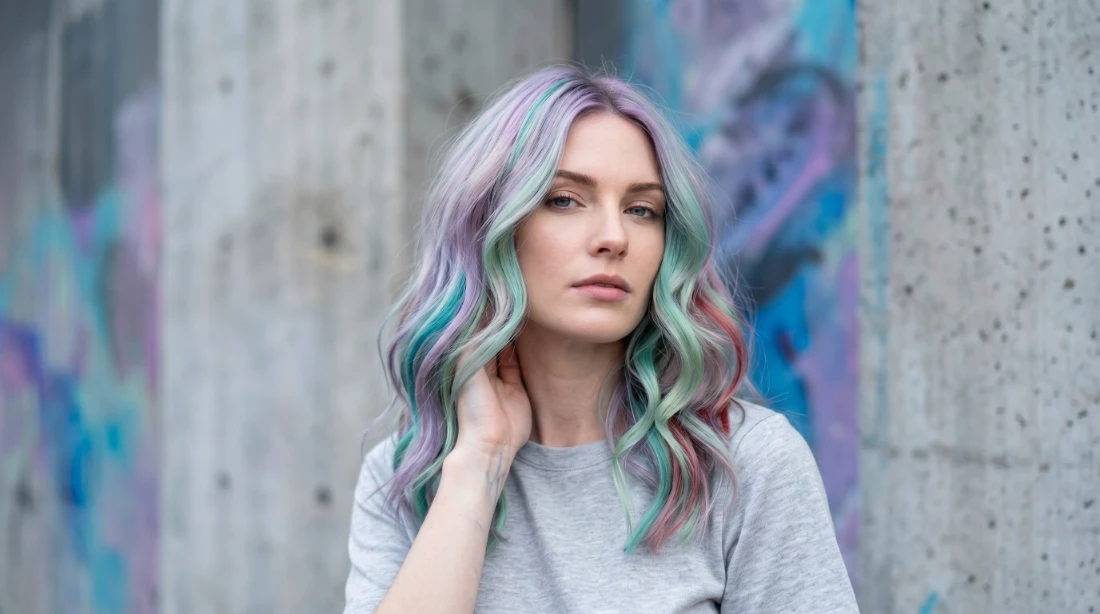
Cool skin tones have a natural affinity for bold, unconventional hair color in a way that often gets overlooked. While warm complexions tend to be steered toward golden, copper, and amber tones, cool undertones open the door to an entirely different palette — silvers, lilacs, teals, and rose golds that read as deliberate and striking rather than clashing.
The first step is confirming your undertone. According to Garnier’s hair color guide, cool undertones show up as hints of blue, pink, or red in the skin, with veins that appear distinctly blue — while warm undertones lean golden, peachy, or yellow with greenish-appearing veins. The vein test is quick: check the inside of your wrist in natural light. Blue or purple veins point to cool undertones; green veins point to warm.
Once you’ve confirmed cool undertones, here are 10 unnatural hair colors that work with your complexion rather than against it.
Unnatural Hair Colors for Cool Skin Tones: 10 Shades to Try
1. Silver

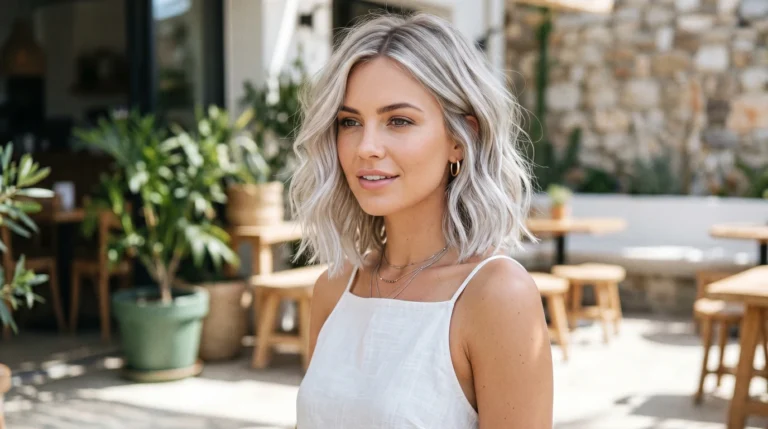
Silver is one of the most elegant unnatural shades available, and it works across a remarkably wide age range. The cool, metallic quality of silver sits naturally alongside cool-toned skin, creating a harmonious rather than contrasting effect. It’s also a practical choice for anyone navigating early grey hair — silver effectively reframes the transition as a deliberate style choice.
On longer hair, silver styled with loose waves or soft curls creates a romantic, almost ethereal quality. It’s a genuinely timeless shade within the unnatural color category — one that has remained relevant for years without feeling dated.
2. Rose Gold

Rose gold is one of the most universally appealing unnatural colors, and it has a particular affinity for cool, fair complexions. The blend of pink and gold tones highlights the natural coolness of fair skin in a way that feels soft rather than stark.
Part of its appeal is how gracefully it fades — even as the color washes out over several weeks, the muted, softened version still looks intentional rather than patchy. This makes it one of the more forgiving unnatural colors for first-timers, and it suits almost any occasion or setting.
3. Teal

Teal is a high-impact choice — vibrant, elegant, and impossible to overlook. Lighter teal shades tend to harmonize best with cool skin tones, though there’s enough range within the teal family to experiment and find the specific depth that works for your complexion.
Depending on your natural hair color, achieving a lighter teal shade typically requires pre-lightening or bleaching first. Darker natural hair will need more processing to reach the brighter end of the teal spectrum.
4. Lilac
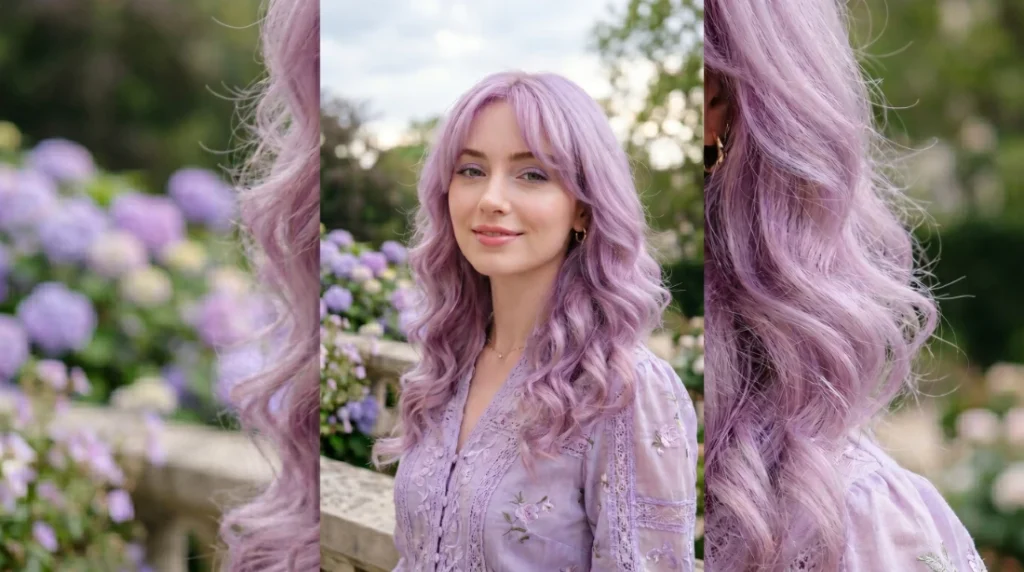
Named for the flower, lilac is essentially a lighter, more pastel shade of purple — and it has an almost magical compatibility with cool undertones. The softness of lilac means it doesn’t compete with cool-toned skin the way a more saturated purple might; instead, the two work together to create a cohesive, gentle overall effect.
Lilac is also versatile in terms of styling — it works in loose waves, sleek straight styles, or with curtain bangs, adapting to whatever overall look you’re going for.
5. Mint Green

Mint green delivers a fresh, energizing quality that’s often associated with summer but genuinely works year-round on cool skin tones. The subtle blue undertone within mint green creates shifting light reflections — the color looks slightly different depending on the lighting, which adds dimension that flatter, more uniform greens lack.
For the most flattering result on cool complexions, choose a paler version of mint rather than the more saturated standard shade. The lighter the mint, the more harmoniously it sits against cool-toned skin.
6. Scarlet Red

Red is a shade that cool-toned individuals are often steered away from — but scarlet specifically is an exception worth considering. Despite carrying a touch of orange within it, scarlet red has enough depth and intensity to genuinely complement cool complexions rather than clash with them.
This shade has a particular affinity for autumn, though there’s no reason it can’t be worn year-round if it’s a color you connect with. It’s bold without tipping into the territory that typically causes cool skin tones to avoid red altogether.
7. Blackberry

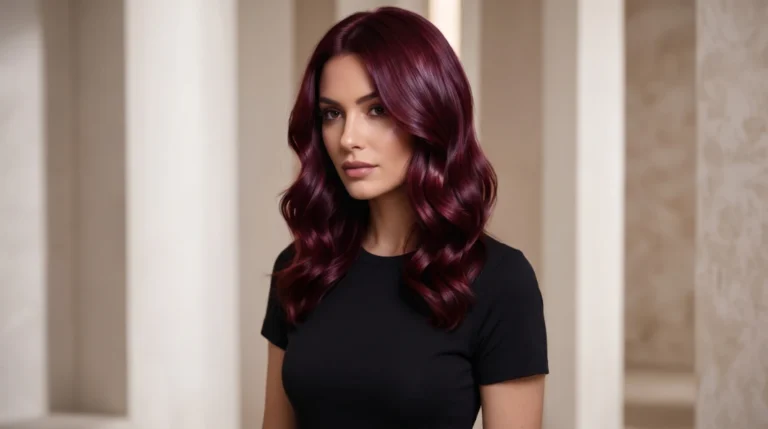
Blackberry offers a darker option within the unnatural color spectrum without the starkness of true black. The blend of blue and purple tones within blackberry are both colors traditionally recommended for cool undertones, which is what makes this shade work so well — it’s dark and dramatic, but the underlying tones keep it harmonious with cool-toned skin rather than creating jarring contrast.
For anyone drawn to darker unnatural shades but hesitant about how much contrast a true black might create against fair skin, blackberry is the more forgiving alternative.
8. Lime
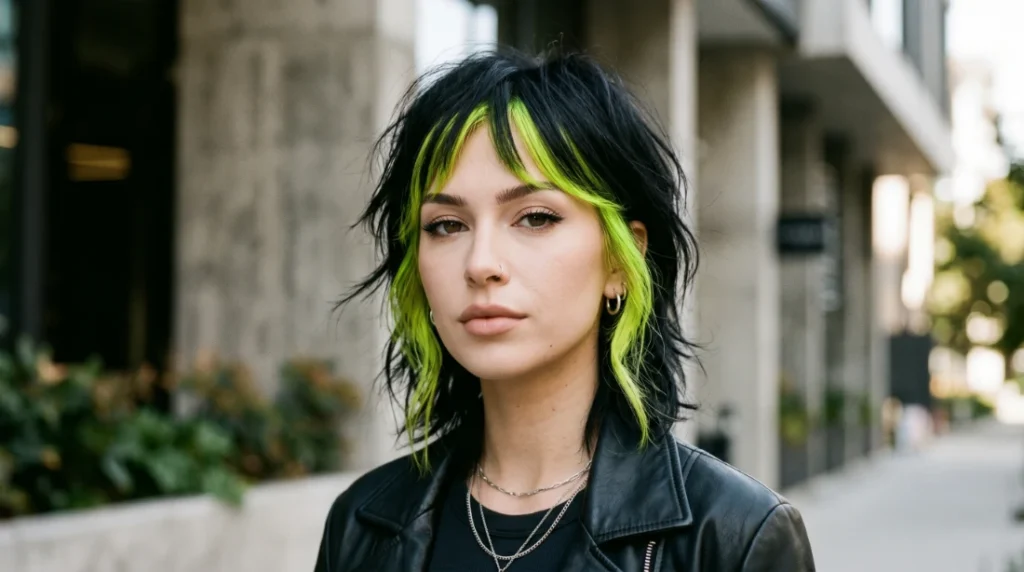
Lime sits at the bolder, more neon end of the unnatural color spectrum — a genuinely electric shade that adds significant personality and visual energy to any look. It works particularly well as a highlight or accent color rather than an all-over application, partly because lime tends to fade gradually and gracefully, maintaining an attractive quality even as it lightens over time.
This is the shade for anyone who wants their hair color to feel genuinely vibrant and is comfortable with a color that draws attention.
9. Gold
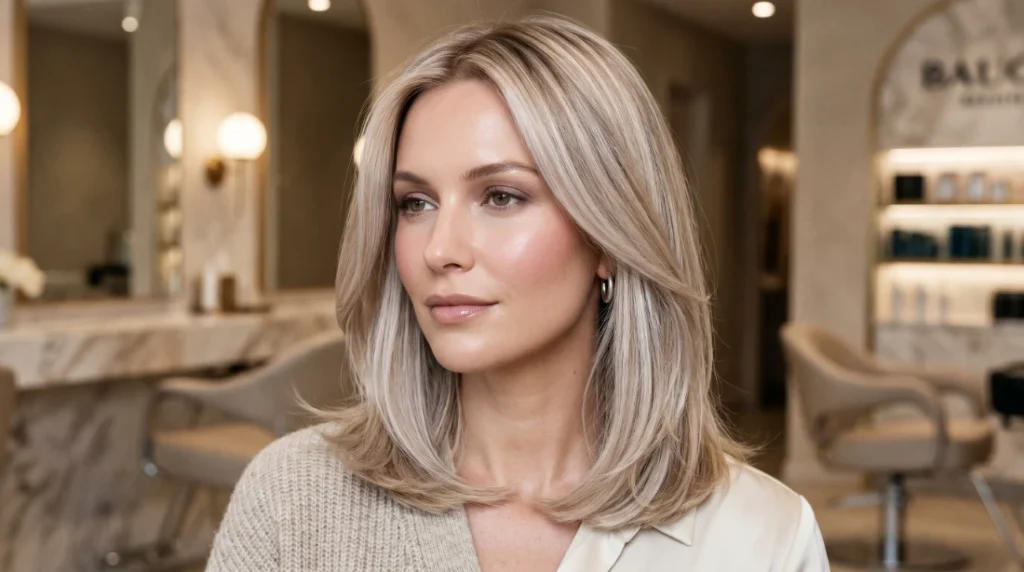
Gold is the most classic option on this list — a shade that reads as elegant and modern simultaneously without veering into bold or unconventional territory in the way some of the other colors here do. Despite gold typically being associated with warm tones, a gold shade with beige and icy undertones works beautifully for cool complexions specifically.
Gold is also one of the more maintenance-friendly options — it can be touched up at home with reasonable consistency, making it accessible for anyone who wants a long-term color commitment without constant salon visits.
10. Coral

Coral is one of the more involved shades to achieve — it typically requires professional application and, in most cases, pre-lightening to get the color to take properly. But the result is distinctive: coral adds genuine brightness to the face and makes features appear more vivid and defined.
Because coral interacts differently with different base hair colors, achieving a true, consistent coral typically means starting from a fully lightened base. The investment of time and process is part of why this shade reads as more elevated than some of the others on this list.
Frequently Asked Questions
What colors should cool skin tones avoid?
Black and earthy tones like standard brown or dark blonde tend to create strong, sometimes unflattering contrast against pale, cool-toned skin. It’s also worth being cautious with shades that lean heavily into orange — though a small amount of orange undertone, as in scarlet red, can actually work in your favor when balanced correctly.
What colors look best on pale, cool skin specifically?
Pastel versions of almost any color tend to be the most flattering choice for pale cool skin tones. If you’re drawn to green, a pale mint rather than a saturated green works best. The same principle applies across the board — lighter, softer versions of any color you’re interested in will generally complement pale cool-toned skin more successfully than fully saturated versions.
Is purple hair a good choice for cool skin tones?
It depends on the depth of purple and your comfort with contrast. A dark purple against very pale skin creates significant contrast — some people love this dramatic effect, while others find it overwhelming. If you’d rather avoid that level of contrast, a lighter purple shade like lilac offers all the benefits of the purple family with a much softer, more harmonious result.
Final Thoughts
Cool skin tones have access to one of the most interesting palettes in unnatural hair color — shades that read as considered and flattering rather than simply bold for its own sake. The common thread across all 10 of these options is that they share an underlying coolness with your complexion, which is what creates harmony rather than contrast.
Before committing to any of these, it’s worth doing a patch test or trying a semi-permanent version first — particularly for the more involved shades like teal, lime, or coral, which often require pre-lightening and represent a bigger commitment if the color doesn’t end up working the way you hoped.