14 Worst Snacks to Eat Before Bed (And What to Eat Instead)
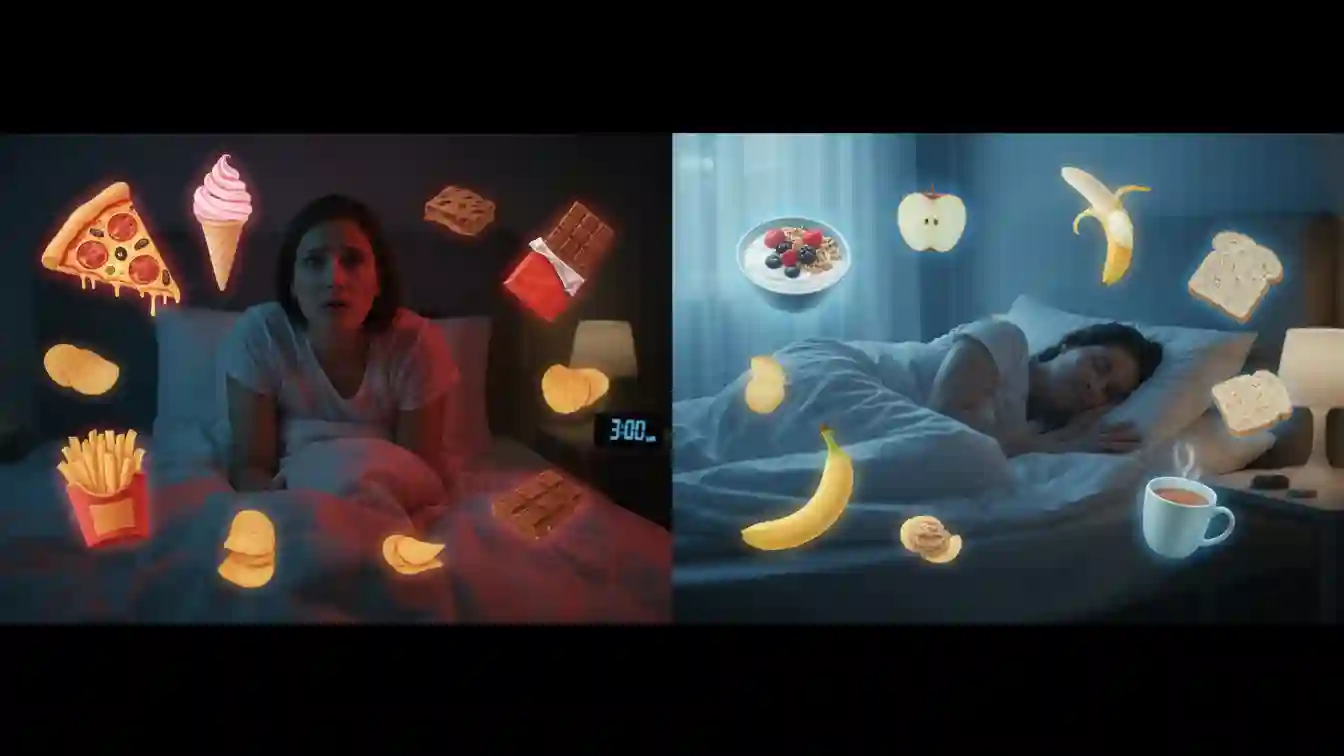
That midnight craving hits hard. You find yourself standing in front of the refrigerator, bathed in its soft glow, debating whether to grab that leftover pizza or dig into a pint of ice cream.
But here’s what most people don’t realize: the worst snacks to eat before bed can completely sabotage your sleep quality, disrupt your metabolism, and leave you feeling exhausted the next morning—even if you spent eight hours in bed.
According to research presented at the European Society of Endocrinology, chips, cookies, ice cream and candy are among the most popular snacks consumed before bed, yet these same foods are the primary culprits behind disrupted sleep patterns and metabolic dysfunction.
Your body operates on a finely tuned internal clock called your circadian rhythm. When you eat the wrong foods at night, you’re essentially throwing a wrench into this delicate system. Consuming meals during inappropriate time periods can cause misalignment between peripheral biological clocks and the central biological clock, increasing the potential for developing metabolic disorders.
Let’s dive deep into the science of nighttime eating and uncover exactly which snacks are sabotaging your sleep—and what you should reach for instead.
Why Late-Night Snacking Matters More Than You Think

Your body wasn’t designed to process heavy meals when it should be resting. During sleep, your metabolism naturally slows down by up to 50%, your digestive system shifts into low gear, and your body enters repair mode.
When you eat late at night, your digestive systems kick into gear, releasing digestive enzymes and increasing blood flow to the gastrointestinal tract, which can elevate your body temperature and metabolic rate. This creates a state of heightened alertness when you should be winding down.
The Blood Sugar Rollercoaster

One of the most damaging effects of eating the worst snacks to eat before bed involves blood sugar disruption. Research shows that your bodies are more insulin resistant at night as we wind down from the day. This means your body struggles to process glucose efficiently during nighttime hours.
When you consume sugary or high-carb snacks before bed, you trigger a spike in blood glucose levels. Your pancreas responds by releasing insulin, but because of increased nighttime insulin resistance, this process becomes less efficient. Eating a carbohydrate-rich meal can cause a blood sugar crash in the middle of the night after a late-night meal, causing cortisol levels to rise and frequent wake-ups.
The Circadian Rhythm Connection
Food serves as a powerful zeitgeber—an external environmental cue that synchronizes biological rhythms—for peripheral clocks, especially in metabolic tissues. When you eat matters just as much as what you eat.
Studies have shown that eating or drinking less than one hour before bedtime was associated with longer sleep duration but also increased wake after sleep onset, particularly in women. The timing creates a metabolic paradox: you might fall asleep initially, but your sleep quality suffers throughout the night.
What Makes a Snack One of the Worst Snacks to Eat Before Bed?
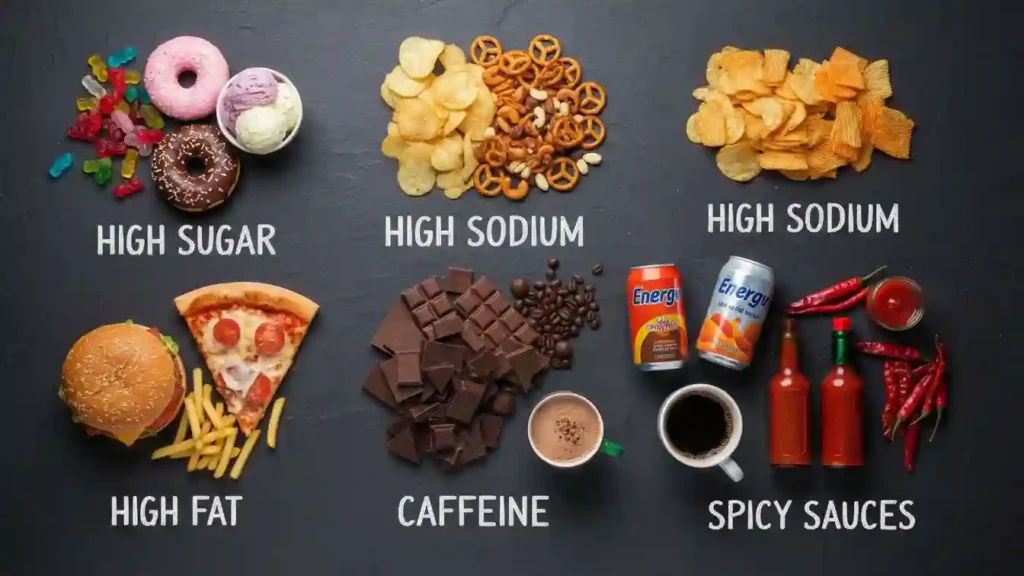
Not all late-night foods are created equal. The worst offenders typically share these characteristics:
High sugar content: Creates blood glucose spikes followed by crashes, disrupting sleep cycles and leaving you wide awake at 3 AM.
Refined carbohydrates: Digest rapidly, causing insulin surges that interfere with natural hormone rhythms.
High fat content: Takes hours to digest, keeping your digestive system working overtime when it should be resting.
Tyramine-rich ingredients: This amino acid stimulates the release of noradrenaline, increasing alertness and potentially causing nightmares.
Caffeine: Even in small amounts, it blocks adenosine receptors in the brain, preventing the natural sleepiness signal.
High sodium: Causes water retention, dehydration, and frequent nighttime bathroom trips.
Acidic components: Trigger acid reflux and heartburn, especially when lying down.
The 14 Worst Snacks to Eat Before Bed
1. Ice Cream

Ice cream tops nearly every list of the worst snacks to eat before bed for good reason. This frozen treat combines high amounts of sugar with saturated fat—a one-two punch that disrupts sleep.
Why it’s problematic: The sugar creates a rapid spike in blood glucose, followed by a crash that can jolt you awake hours later. Meanwhile, the high fat content slows digestion dramatically. Research published in the Journal of Clinical Sleep Medicine found a link between saturated fat and lighter and less restorative sleep.
When consumed close to bedtime, ice cream can cause bloating, gas, and even acid reflux as you lie down. The combination forces your digestive system to work at full capacity when it should be powering down.
Smart substitute: Greek yogurt topped with a drizzle of honey and fresh berries provides the creamy satisfaction you crave. Greek yogurt contains tryptophan and protein that promote stable blood sugar, while berries offer natural sweetness with fiber that prevents glucose spikes. The magnesium and potassium in bananas can help relax muscles before sleep.
2. Potato Chips and Salty Snacks

That satisfying crunch makes potato chips one of the most tempting late-night snacks, but research at the European Society of Endocrinology found that salty foods, such as crisps and salted nuts, were some of the worst foods to eat before bed as they contributed to disrupted or “superficial” sleep.
Why it’s problematic: Chips are loaded with sodium and unhealthy oils. The excessive salt causes water retention and dehydration—your body retains fluid to dilute the sodium, making you feel puffy and bloated. This often leads to multiple bathroom trips throughout the night, fragmenting your sleep cycles.
Additionally, processed chips are nutritionally empty, providing no satiety signals. You can easily consume an entire bag without feeling satisfied, leading to overconsumption and digestive distress.
Smart substitute: Air-popped popcorn with a light sprinkle of sea salt or nutritional yeast gives you the satisfying crunch without the inflammatory oils. Popcorn is a whole grain with fiber content that actually fills you up. Keep portions to about two cups, and skip the butter-laden microwave varieties.
3. Chocolate and Chocolate Bars

Even dark chocolate, often praised for its antioxidants, makes the list of worst snacks to eat before bed due to its caffeine content and sugar load.
Why it’s problematic: Chocolate contains both caffeine and theobromine, two stimulants that can interfere with sleep onset. Consuming too much caffeine late in the day is one of the top issues that negatively affects sleep. Even a small chocolate bar consumed within four hours of bedtime can delay sleep onset and reduce sleep quality.
The sugar in chocolate also spikes insulin levels, which inhibits melatonin production—your body’s natural sleep hormone. This creates a physiological state completely contrary to what your body needs for rest.
Smart substitute: Carob chips offer a naturally sweet, caffeine-free alternative that satisfies chocolate cravings without the stimulants. Alternatively, a cup of chamomile tea with a touch of cinnamon provides warmth and comfort without disrupting your sleep architecture.
4. Pizza

Pizza combines three sleep-disrupting elements: acidic tomato sauce, high-fat cheese, and refined carbohydrates from the dough. Tomato sauce tends to be very acidic, possibly leading to acid reflux and stomach discomfort, cheese is high in fat which can also cause stomach discomfort when eaten late at night, and refined dough is high in sugar, causing glucose levels to spike and crash.
Why it’s problematic: The trifecta of acidity, fat, and refined carbs makes pizza one of the absolute worst snacks to eat before bed. The acidic tomato sauce can cause heartburn, especially when lying down. The high-fat cheese takes hours to digest, and the refined dough creates blood sugar instability.
Your body has to work overtime to process this heavy meal while simultaneously trying to initiate restorative sleep processes. The result? You toss and turn, wake frequently, and feel groggy the next morning.
Smart substitute: Create a mini-pizza on a whole grain English muffin with a light spread of tomato sauce, low-fat mozzarella, and fresh basil. Broil for just a minute. You get the pizza satisfaction with far less grease, better blood sugar control, and easier digestion.
5. Sugary Cereal

A bowl of sweet cereal might seem like a harmless comfort food, but it’s actually dessert masquerading as a snack.
Why it’s problematic: Foods high in sugar and carbs might boost your blood sugar and make it hard to sleep. Most sugary cereals contain refined grains and added sugars that cause rapid glucose elevation. Your pancreas releases insulin to manage this spike, but the subsequent crash can wake you in the middle of the night.
These cereals provide minimal satiety despite their calories. You might feel hungry again within an hour, leading to additional eating and further sleep disruption.
Smart substitute: Choose a high-fiber, low-sugar cereal like plain shredded wheat or bran flakes with unsweetened almond or oat milk. Top with fresh blueberries or sliced strawberries for natural sweetness. The fiber slows glucose absorption and keeps you satisfied through the night.
6. French Fries

Greasy, starchy, and heavily salted—french fries check every box on the list of worst snacks to eat before bed.
Why it’s problematic: The combination of high fat content and refined starch slows digestion to a crawl. Your body diverts significant energy to breaking down the greasy coating while trying to process the high glycemic load from the potatoes. This leaves you feeling sluggish and bloated.
The excessive sodium causes dehydration and water retention, both of which disrupt sleep quality. The high glycemic index also triggers cravings and can lead to middle-of-the-night hunger pangs.
Smart substitute: Baked sweet potato wedges seasoned with cinnamon or paprika provide complex carbohydrates, fiber, and sleep-supporting nutrients like magnesium and vitamin B6. Sweet potatoes have a lower glycemic index than white potatoes and won’t cause the same blood sugar volatility.
7. Pastries and Baked Goods

Cookies, donuts, cakes, and other pastries are among the worst snacks to eat before bed because they combine refined flour, sugar, and unhealthy fats.
Why it’s problematic: These treats trigger rapid blood sugar spikes followed by crashes. The refined white flour digests almost as quickly as pure sugar, flooding your bloodstream with glucose. Many commercial baked goods also contain trans fats or low-quality oils that promote inflammation.
The sugar rush followed by the crash creates a hormonal cascade that disrupts melatonin production and cortisol regulation. You might initially feel drowsy, but you’ll likely wake up a few hours later feeling wired.
Smart substitute: Warm a few apple slices with cinnamon and top with a sprinkle of oats. This provides the comforting dessert experience with natural sweetness, fiber to stabilize blood sugar, and warming spices that actually promote relaxation.
8. Fast Food Leftovers

That late-night burger or taco might be convenient, but fast food ranks among the worst snacks to eat before bed.
Why it’s problematic: Fast food is ultra-processed, high in sodium, loaded with unhealthy fats, and packed with preservatives. Your body is more sensitive to insulin in the morning on purpose to help fuel our bodies and get us moving, but insulin resistance kicks up at night, resulting in those extra calories being stored as fat while you sleep.
These meals force your digestive system into overdrive during hours when it should be in recovery mode. The preservatives and additives can also trigger inflammatory responses that interfere with sleep quality.
Smart substitute: Make a fresh turkey or hummus wrap using whole wheat tortilla and leafy greens. Turkey contains tryptophan, a natural sleep-promoting amino acid, while greens provide fiber and nutrients without weighing you down. This combination supports rather than sabotages your sleep.
9. White Toast with Butter or Jam

This seemingly innocent snack combines three sleep disruptors: refined carbohydrates, saturated fat, and pure sugar.
Why it’s problematic: White bread is a rapidly digested carbohydrate that causes blood sugar to spike and then plummet. Add jam (essentially liquid sugar) or butter (saturated fat), and you’ve created a recipe for sleep disruption. The initial energy surge gives way to sluggishness—the opposite of what your body needs before sleep.
The refined nature of white bread means it lacks fiber to slow glucose absorption. Your body processes it almost immediately, leading to the dreaded blood sugar rollercoaster.
Smart substitute: Whole grain toast spread with almond butter and banana slices provides complex carbohydrates, healthy fats, fiber, and potassium. This combination promotes stable blood sugar and provides nutrients that actually support sleep quality. The healthy fats in almond butter help you feel satisfied throughout the night.
10. Processed Crackers with Cheese

While this snack seems moderate, most processed crackers and cheese combinations belong on the list of worst snacks to eat before bed.
Why it’s problematic: Many crackers contain refined flour, hidden sugars, and high sodium content. Processed cheese is high in saturated fat and sodium. But there’s another issue: strong and aged cheeses contain high amounts of tyramine, an amino acid that can cause a spike in blood and heart rate and make it harder to fall asleep.
Researchers from Central Queensland University found that tyramine may be responsible for creating nightmares and dreams, disrupting sleep quality and duration, because it triggers the release of noradrenaline, a neurotransmitter that plays an important role in the body’s fight or flight response.
Smart substitute: Pair whole grain or seed-based crackers with fresh avocado slices or cucumber with hummus. This swap provides fiber, hydration, heart-healthy fats, and plant-based protein that promote better digestion and more restful sleep.
11. Pasta Leftovers (Especially Creamy or Cheesy)

Late-night pasta, particularly varieties with cream or cheese sauces, is problematic for multiple reasons.
Why it’s problematic: Pasta made from refined flour is high on the glycemic index, causing rapid blood sugar elevation. Creamy or cheesy sauces add heavy dairy and saturated fat, significantly slowing digestion. This combination can trigger heartburn and forces your digestive system to work overtime when you’re trying to sleep.
The high carbohydrate load combined with dairy creates a recipe for bloating and discomfort. When you lie down shortly after eating pasta, gravity no longer helps keep stomach contents in place, increasing the risk of acid reflux.
Smart substitute: If you must have pasta, choose a small portion of chickpea or lentil pasta with olive oil and steamed spinach. These alternatives provide more protein and fiber, digest more easily, and won’t cause the same blood sugar volatility. Keep the portion modest—about one cup cooked.
12. Red Meat (Steak, Burgers)

While protein is generally beneficial, red meat consumed close to bedtime presents unique challenges.
Why it’s problematic: High-protein foods like steak take a long time to digest because digestion slows down by as much as 50 percent when you sleep. Red meat is particularly dense and requires significant digestive effort.
Red meat is denser than leaner, white meats like chicken, meaning it will sit in your stomach, potentially cause indigestion, and make it harder to go to bed comfortably. The lengthy digestion process keeps your body in an active state when it should be transitioning to rest mode.
Smart substitute: If you need protein before bed, choose lighter options like a small portion of grilled chicken, fish, or plant-based protein. These digest more quickly and won’t burden your system. Greek yogurt is another excellent high-protein option that’s easy to digest.
13. Spicy Foods

Hot sauce, spicy curry, jalapeños, or any food with significant heat can turn your night into a restless struggle.
Why it’s problematic: Spicy food contains high levels of capsaicin, which elevates body temperature by interfering with the body’s thermoregulation process, which in turn disrupts sleep. Your body temperature naturally drops during sleep as part of your circadian rhythm. Spicy foods counteract this natural process.
Additionally, spicy foods can cause acid reflux and heartburn, especially when lying down. Spicy foods aren’t the best for sleep since they can bring on acid reflux. The digestive distress from capsaicin can keep you awake or cause frequent nighttime awakenings.
Smart substitute: If you want flavor before bed, opt for milder herbs and spices like basil, oregano, or mild garlic. These provide taste without the sleep-disrupting heat. A small portion of gently seasoned chicken or fish satisfies without causing digestive upset.
14. Alcohol

While many people use alcohol as a nightcap to help them fall asleep, it’s actually one of the worst choices for quality sleep.
Why it’s problematic: Alcohol reduces time spent on REM sleep, the sleep stage associated with dreaming and memory retention, increases the number of nighttime awakenings, and leads to poor sleep quality. While alcohol might help you fall asleep initially, as your body metabolizes it, you experience more fragmented sleep.
As the sedative effects of alcohol wear off, you’ll end up having a restless night of sleep and clocking fewer sleeping hours. Alcohol also acts as a diuretic, increasing nighttime bathroom trips. It interferes with your body’s natural temperature regulation and can cause night sweats.
Smart substitute: If you want a relaxing evening beverage, try herbal tea like chamomile, passionflower, or valerian root. These promote actual relaxation without disrupting sleep architecture. A warm cup of golden milk (warm milk with turmeric and honey) can also be soothing and sleep-promoting.
When You Should Eat (And When You Shouldn’t)
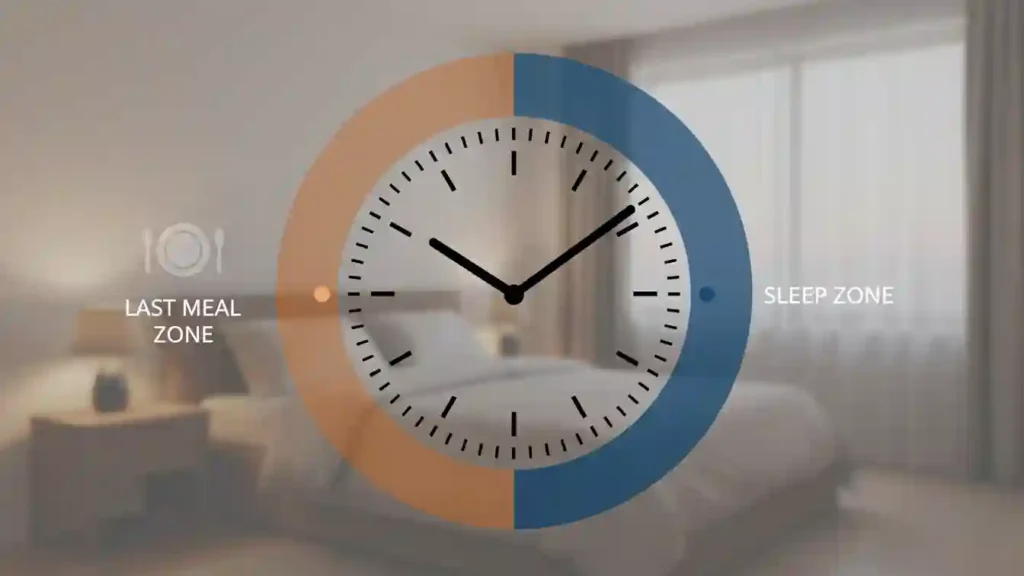
Timing matters just as much as food choice when it comes to avoiding the worst snacks to eat before bed.
The Three-Hour Rule
While estimates vary, most experts recommend eating a meal two to four hours before bedtime to avoid negative effects. This window allows your body adequate time to complete the heavy lifting of digestion before transitioning to sleep mode.
For most people, three hours of fasting before bed helps to even out nighttime glucose values. If your schedule makes this impossible, focus on lighter, easily digestible options.
What If You’re Actually Hungry?
Not all nighttime eating is bad. If you’re going to bed hungry, that can be disruptive to your sleep which can have some negative effects. The key is distinguishing between true hunger and habit or boredom.
Before reaching for a snack, drink a glass of water. Sometimes what feels like hunger is actually dehydration. Wait 10-15 minutes. If you’re still hungry, choose a light, balanced option.
Smart Snacking: What to Eat Instead

If you need a pre-bedtime snack, aim for combinations that include:
Protein: Provides satiety and stable blood sugar Complex carbohydrates: Support serotonin production without causing spikes Healthy fats: Promote satisfaction and hormone production Sleep-supporting nutrients: Magnesium, tryptophan, calcium, vitamin B6
Best Evening Snack Options
Greek yogurt with berries: High in protein and tryptophan, with natural sweetness and antioxidants from berries.
Apple slices with almond butter: The fiber in apples combined with protein and healthy fats provides stable energy without disruption.
Banana with a small handful of nuts: Bananas contain magnesium and potassium to relax muscles, while nuts provide healthy fats and protein.
Whole grain toast with avocado: Complex carbs paired with healthy fats create lasting satisfaction.
Cherry juice (tart): Cherries naturally contain melatonin and can promote better sleep quality.
Oatmeal with cinnamon: Warm, comforting, and stabilizing for blood sugar. Oats contain melatonin precursors.
Cottage cheese with cucumber: High in casein protein for overnight satiety, paired with hydrating vegetables.
Herbal tea with a small piece of dark chocolate: Choose truly dark chocolate (85%+ cacao) in a small amount—the lower sugar content causes less disruption.
Portion Control Matters
Even healthy snacks can become problematic if portions are too large. Late-night snacks should be approximately 150-200 calories—enough to satisfy hunger without overloading your digestive system.
Think of it as a snack, not a meal. If you find yourself wanting meal-sized portions at night, you may need to evaluate your daytime eating patterns to ensure you’re consuming adequate nutrition earlier in the day.
Additional Factors That Affect Sleep Quality
Beyond avoiding the worst snacks to eat before bed, consider these factors:
Hydration
Dehydration can mimic hunger signals. When you’re dehydrated, the body releases vasopressin, a hormone that prompts the liver to produce more glucose and signals the kidneys to retain water, which both raises blood sugar and reduces the body’s ability to eliminate excess glucose.
Drink water throughout the day, but taper off in the evening to avoid nighttime bathroom trips. Aim to finish most of your hydration by early evening.
Stress and Evening Routine
In response to acute stress, the body releases epinephrine which triggers the breakdown of glycogen into glucose, leading to a rapid rise in blood sugar; when stress is prolonged, cortisol sustains this response and raises glucose levels while reducing insulin sensitivity.
Develop an evening wind-down routine that doesn’t revolve around food. Consider activities like:
- Light stretching or yoga
- Reading a physical book (not on a screen)
- Taking a warm bath or shower
- Journaling
- Meditation or deep breathing exercises
- Listening to calming music
Exercise Timing
Research suggests that a 20-minute, low-intensity treadmill walk after dinner can significantly reduce post-eating glucose levels in people with type 2 diabetes. Evening exercise can improve both sleep quality and overnight glucose stability.
However, vigorous exercise too close to bedtime can be stimulating. Aim to finish intense workouts at least three hours before bed, reserving the evening for gentler movement like walking or yoga.
Breaking the Late-Night Snacking Habit

If you consistently find yourself seeking snacks late at night, ask yourself these questions:
Am I actually hungry? Or am I bored, stressed, or following a habit?
Did I eat enough during the day? Restrictive daytime eating often leads to nighttime overeating.
Am I well-hydrated? Dehydration can masquerade as hunger.
Is this emotional eating? Are you using food to cope with stress, anxiety, or other emotions?
What’s my sleep schedule like? Going to bed too late increases the likelihood of late-night eating.
Building Better Habits
Structure your daytime meals: Eat balanced meals with adequate protein, fiber, and healthy fats throughout the day to prevent evening hunger.
Establish a kitchen “closing time”: Set a specific time after which the kitchen is off-limits unless you’re truly hungry.
Create an evening ritual: Replace the snacking habit with a relaxing routine that signals bedtime.
You can build simple self care rituals to wind down at night so your brain stops reaching for the worst snacks to eat before bed and starts associating evenings with rest instead.
Keep temptations out of the house: Don’t stock the worst snacks to eat before bed. You can’t eat what’s not there.
Address emotional eating: If you eat in response to stress or emotions, develop alternative coping strategies.
If emotional eating is tied to stress about work or finances you might also find my Money Mindset to Attract More Money Fast guide helpful for shifting those thoughts in a healthier direction.
The Bottom Line
The worst snacks to eat before bed share common characteristics: they’re high in sugar, refined carbs, unhealthy fats, sodium, caffeine, or tyramine. These foods disrupt your circadian rhythm, spike and crash blood sugar, trigger inflammation, cause digestive distress, and fundamentally interfere with your body’s natural sleep processes.
But you don’t have to suffer through hunger to get good sleep. The key is making informed choices—selecting snacks that work with your body’s natural rhythms rather than against them.
Late-night eating can make it harder to fall and stay asleep because it interrupts your natural circadian rhythm; food requires digestion, which affects hormones and metabolic activation. However, a bedtime snack can curb a person’s hunger and help them feel satiated until morning when chosen wisely.
Focus on light, balanced options that combine protein, complex carbohydrates, and healthy fats. Time your eating to allow at least 2-3 hours of digestion before sleep. Listen to your body’s true hunger signals rather than eating out of habit or emotion.
Your sleep quality affects every aspect of your health—mood, cognitive function, metabolism, immune system, and cardiovascular health. By avoiding the worst snacks to eat before bed and making smarter choices, you’re investing in better sleep and better overall wellbeing.
Sweet dreams start with smart snacking choices. Your body—and your future self—will thank you for it.
Remember: If you consistently struggle with sleep despite making dietary improvements, consult with a healthcare provider or sleep specialist. Persistent sleep problems may indicate underlying conditions that require professional attention.