
13 Proven Ways to Beat the Winter Blues (Science-Backed Guide for 2025)

You know that feeling when the days get shorter and suddenly you’re craving carbs like crazy? Or maybe you’re hitting snooze three times more than usual and can’t shake this lingering sadness? You’re not imagining it—and you’re definitely not alone.
The winter blues affect somewhere between 14-20% of American adults every year. It’s that seasonal slump where you feel more down, sluggish, and just… blah. Now here’s where it gets interesting: while some people experience mild symptoms (that’s the winter blues), others develop seasonal affective disorder (SAD), which affects about 5% of adults and is a clinically diagnosable condition.
But don’t worry—I’ve got you covered. After diving deep into the research and analyzing what actually works, I’ve found 13 ways to beat the winter blues that are backed by real science. Let’s get into it.
Understanding What You’re Up Against
Before we jump into solutions, you might be wondering what’s actually happening in your brain during winter. The shorter days mess with your body’s internal clock (your circadian rhythm), which affects everything from your sleep to your mood. Plus, reduced sunlight means your brain produces less serotonin (the “happy hormone”) and more melatonin (the “sleep hormone”).
What I love about this is that once you understand the science, the solutions make so much more sense. Your body isn’t broken—it’s just responding to environmental changes. The good news? You can work with your biology instead of against it.
Think of it this way: your ancestors lived through winters without electric lights, heated homes, or fresh produce year-round. Your body still carries some of those ancient responses to seasonal changes. But unlike them, you’ve got modern tools and knowledge to manage these symptoms effectively.
1. Get Strategic About Light Exposure (The Game-Changer)

Here’s the deal: light therapy isn’t just trendy—it’s backed by serious science. Research shows that sitting in front of a light therapy box for 20-30 minutes each morning can be as effective as antidepressants for treating seasonal depression. That’s huge.
What you need to know:
- Look for a lightbox that emits 10,000 lux (that’s the brightness level that works)
- Use it first thing in the morning, ideally before 8 AM
- Position it about 16-24 inches from your face at a slight angle
- You don’t need to stare at it—just have it nearby while you’re eating breakfast or checking emails
- Make sure it filters out UV rays to protect your skin and eyes
The cool thing? Most people notice improvements within a week. However, you’ve got to be consistent—using it daily throughout fall and winter is key to beating the winter blues.
In my experience, the biggest mistake people make is giving up after a few days. Stick with it for at least two weeks before deciding if it’s working for you. Some folks feel better immediately, while others need a bit more time for their body to adjust.
If you can’t afford a light box right now, don’t stress. Even spending 15-20 minutes outside during peak daylight hours (usually around noon) helps. Yes, even on cloudy days—you’re still getting more light than you would indoors.
2. Move Your Body (Even When You Really Don’t Want To)

I know, I know—when you’re feeling low, exercise is the last thing you want to do. But hear me out. Getting at least 20 minutes of vigorous activity four times a week has been proven to reduce depressive moods significantly. Studies show that regular exercise can be as effective as medication for some people with mild to moderate depression.
In my experience, the hardest part is just starting. Once you’re moving, endorphins kick in and you actually feel better. Try these if you’re stuck:
- A brisk walk during your lunch break (bonus points if it’s sunny)
- Dancing in your kitchen to your favorite playlist
- A quick yoga flow in your living room
- Even marching in place for five minutes beats sitting still
- Try winter activities like ice skating or snowshoeing
The secret is finding something you actually enjoy. You’re way more likely to stick with it if you don’t dread it.
Now here’s something interesting: exercising outdoors during winter gives you double benefits. You’re getting the mood boost from movement plus the light exposure your body craves. Bundle up and head outside for a walk, even if it’s just around the block. The fresh air and natural light work wonders.
Don’t have time for a full workout? Break it into chunks. Three 10-minute walks throughout the day work just as well as one 30-minute session. What matters is moving your body consistently, not perfecting some elaborate fitness routine.
3. Master Your Sleep Schedule (Yes, Even on Weekends)
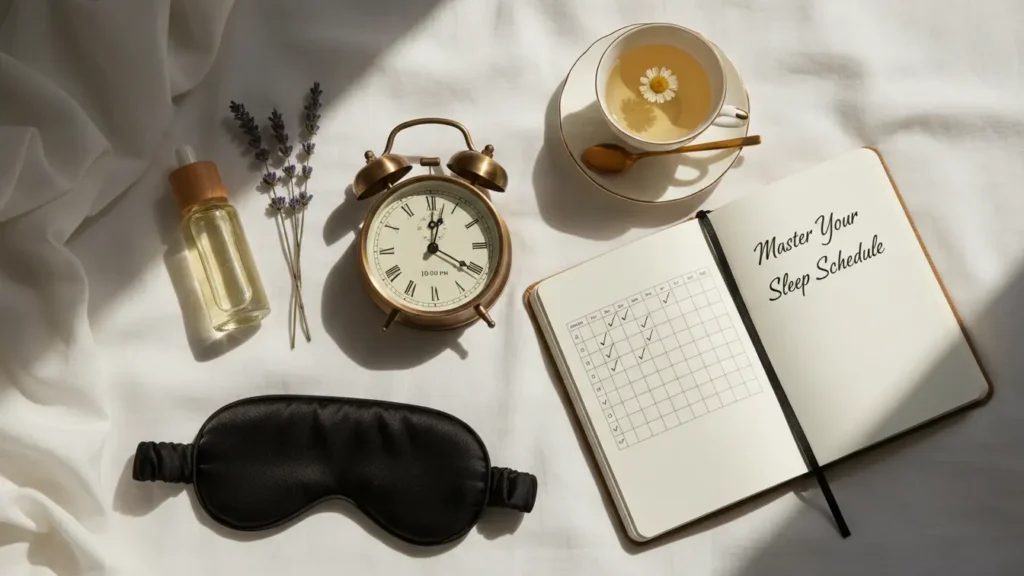
This one’s tough but crucial. Your body craves consistency, especially during winter when your internal clock is already confused. Experts recommend keeping the same wake-up time seven days a week—even on weekends. I’ll admit, this was hard for me at first, but the difference it made was incredible.
Here’s how to make it work:
- Set a consistent bedtime and stick to it (within 30 minutes)
- Create a 20-30 minute wind-down routine before bed
- Avoid screens for an hour before sleeping (the blue light messes with melatonin)
- Skip caffeine after 3 PM
- Keep your bedroom cool (around 65-68°F is ideal) and dark
- Use blackout curtains if street lights bother you
- Try a white noise machine if you’re sensitive to sounds
Your sleep quality directly impacts your mood, energy levels, and ability to handle stress. When you’re sleep-deprived, everything feels harder—and the winter blues hit even stronger.
Here’s a trick that helped me: instead of scrolling on my phone before bed, I started reading physical books. The lack of blue light helps my brain wind down naturally, and I actually fall asleep faster. Plus, getting lost in a good story is way more relaxing than doom-scrolling through social media.
If you’re struggling with oversleeping (a common winter blues symptom), try placing your alarm across the room. You’ll have to physically get up to turn it off, which makes it harder to crawl back under the covers.
4. Boost Your Vitamin D Levels (The Sunshine Vitamin)

Now here’s something fascinating: vitamin D deficiency is strongly linked to seasonal depression. Your body primarily makes vitamin D from sunlight, so winter months naturally lead to lower levels. Research shows that people with SAD tend to have significantly lower vitamin D levels than those without it.
Getting enough vitamin D:
- Spend time outside daily, even on cloudy days (yes, you still get some UV exposure)
- Eat fatty fish like salmon, mackerel, and sardines (aim for 2-3 servings weekly)
- Try mushrooms—they’re surprisingly high in vitamin D when exposed to sunlight
- Consider taking D3 supplements (1,000-2,000 IU daily for maintenance, more if you’re deficient)
- Add fortified foods like orange juice, cereals, and milk to your diet
- Get your levels tested if possible (ideal range is 30-50 ng/mL)
One study found that supplementing with 5,000 IU of vitamin D during winter significantly reduced SAD symptoms in women. Just check with your doctor first, especially if you’re taking other medications or have certain health conditions.
You might be wondering how much sun exposure you actually need. Generally, about 10-15 minutes of midday sun on exposed skin (face, arms, legs) several times a week can help. But in winter, especially if you live in northern latitudes, this might not be enough—hence the need for dietary sources and supplements.
Fun fact: your body can’t make vitamin D through windows. The glass blocks the UVB rays needed for vitamin D production. So sitting next to a sunny window, while nice, won’t boost your vitamin D levels. You’ve got to actually go outside.
5. Get Social (Even When Your Couch is Calling)

Isolation makes everything worse. Period. Research published in the Journal of Happiness Studies shows that social connection significantly boosts mental health and life satisfaction. What’s more, shared laughter actually triggers endorphin release in specific brain regions. It’s like a natural mood booster that happens automatically when you’re with people you enjoy.
Here’s the thing: you don’t need massive social events. Small, meaningful interactions work wonders for ways to beat the winter blues:
- Schedule a coffee date with a friend
- Host a casual game night (board games, anyone?)
- Join a local class or group activity
- Even a phone call with someone you love counts
- Try volunteering—helping others genuinely improves your own mood
- Take a fitness class where you see the same people regularly
- Join an online community around your interests
Pro tip: Put these on your calendar now. Don’t wait until you “feel like it” because that day might never come. Just show up, and your mood will follow. I’ve found that I’ve never regretted going out to meet friends, even when I had to drag myself there initially.
Social isolation is a serious risk factor for depression, and winter makes it so easy to hibernate. Fight that urge. Your mental health depends on maintaining connections, even when it feels easier to stay home.
If you’re an introvert (like me), you don’t need constant socializing. But you do need some connection. Even chatting with the barista at your local coffee shop or having a quick video call with a family member counts. Quality matters more than quantity.
6. Plan Things to Look Forward To (The Anticipation Effect)

You might be wondering why this matters so much. Well, research shows that simply anticipating something enjoyable can boost your mood almost as much as the actual event. It’s like getting double the happiness—once when you’re looking forward to it and again when you experience it. Pretty cool, right?
Make a winter bucket list:
- Plan a weekend getaway (even just a nearby town you’ve never explored)
- Book tickets to see your favorite band or sports team
- Schedule monthly “treat yourself” activities
- Try a new restaurant you’ve been curious about
- Sign up for that class you’ve always wanted to take
- Plan a spring garden or home improvement project to research now
- Schedule regular movie nights or dinner parties with friends
The key is having multiple things scattered throughout the season. That way, you always have something coming up to brighten those dark days. I like to have at least one thing per week to look forward to—nothing has to be expensive or elaborate.
Here’s what I do: at the start of winter, I sit down with my calendar and intentionally schedule fun activities throughout the months ahead. Some are big (like a weekend trip), some are tiny (like trying a new recipe). But having those dots on the calendar gives me something to anticipate when the winter blues start creeping in.
7. Embrace the Season (Instead of Fighting It)

Here’s something interesting: researchers found that people in Northern Norway experience less seasonal depression than Americans, despite having way less sunlight. Some parts of Norway don’t see the sun for months! The difference? Mindset. They view winter as something to enjoy, not just endure. They even have a concept called “koselig” (similar to Danish “hygge”) that’s all about cozy contentment.
Try these winter-specific activities:
- Go ice skating or sledding (seriously, so much fun)
- Try snowshoeing or cross-country skiing
- Build a snowman or have a snowball fight
- Cozy up by a fire with a good book
- Make hot cocoa and watch the snow fall
- Try winter photography—the light is actually beautiful
- Start a puzzle or craft project meant for long indoor evenings
- Bake bread or comfort foods that warm your home
When you shift your perspective and find things to appreciate about winter, you naturally feel better. It’s not about forcing positivity—it’s about finding genuine joy in the season’s unique offerings.
What I love about this approach is how it reframes the entire season. Instead of counting down the days until spring, you’re actually living and enjoying winter. You’re working with the season instead of wishing it away.
Think about what makes winter special: cozy sweaters, warm drinks, crackling fires, beautiful snow-covered landscapes, comfort food, holiday lights. When you focus on these positives instead of just the darkness and cold, your whole experience changes.
8. Warm Up Your Environment (Temperature Matters)

Studies show that staying warm actually lessens the winter blues because being cold negatively impacts your mood, making you more irritable. Makes sense, right? When you’re physically uncomfortable, everything else feels worse too.
Here’s how to stay cozy:
- Let sunlight in during the day to naturally warm your space
- Close curtains at night to trap heat inside
- Use draft stoppers on doors and windows
- Invest in warm blankets and comfortable layers (fleece-lined everything!)
- Drink warm beverages throughout the day (herbal tea, anyone?)
- Consider a programmable thermostat to maintain consistent warmth
- Use space heaters in rooms where you spend the most time
- Wear slippers or warm socks indoors
- Try a heated blanket for your couch or bed
What I love about this approach is how simple it is. Sometimes the ways to beat the winter blues aren’t complicated—they’re just about making your environment more comfortable.
I invested in some quality thermal curtains last year, and honestly, it was a game-changer. My apartment stays warmer, my heating bill went down, and the space just feels cozier. Small changes in your environment can have surprisingly big impacts on your mood.
Also, don’t underestimate the power of warm lighting. Harsh fluorescent lights can make everything feel cold and clinical. Switch to warm-toned bulbs (2700-3000K) and use lamps instead of overhead lights when possible. It creates a cozier atmosphere that naturally feels better during dark winter months.
9. Try Real Hot Cocoa (Not the Sugary Packets)

Before you roll your eyes, hear me out. Real cocoa powder (not the processed stuff) contains antioxidants called flavonoids that support cardiovascular health and boost mood. Plus, the ritual of making something warm and comforting has its own therapeutic benefits. There’s something deeply satisfying about creating a cozy moment for yourself.
Make it yourself:
- Use real unsweetened cocoa powder (1-2 tablespoons)
- Heat milk of your choice (dairy, oat, almond—whatever you prefer)
- Add a touch of honey or maple syrup for sweetness
- A pinch of cinnamon doesn’t hurt either
- Try adding a tiny bit of vanilla extract
- Top with whipped cream or marshmallows if you’re feeling fancy
The combination of the warm beverage, the antioxidants, and the cozy moment you’re creating all work together to lift your spirits. It’s like a hug in a mug.
I’ve made this a Sunday morning ritual during winter. I take my time making real hot cocoa, curl up with a good book, and just enjoy the quiet moment. It’s become something I genuinely look forward to each week—a small pleasure that makes winter feel special instead of just something to survive.
10. Feed Your Brain Right (You Are What You Eat)
What you eat directly affects your mood—seriously. Your gut produces about 90% of your body’s serotonin, so feeding it well matters. The connection between nutrition and mental health is stronger than most people realize.
Focus on foods that support mental health:
- Omega-3 rich foods: Fatty fish, walnuts, flaxseeds, chia seeds
- Complex carbs: Whole grains, sweet potatoes, oats (they help regulate serotonin)
- Fermented foods: Yogurt, kimchi, sauerkraut (great for gut health)
- Leafy greens: Spinach, kale, Swiss chard (loaded with mood-boosting nutrients)
- Dark chocolate: Yes, really—the real stuff with at least 70% cocoa
- Berries: Blueberries, strawberries, raspberries (even frozen ones work)
- Nuts and seeds: Almonds, pumpkin seeds, sunflower seeds
- Eggs: Rich in vitamin D and B vitamins
Interestingly, people with SAD often crave carbohydrates. Your body’s actually trying to boost serotonin levels, but refined carbs create a cycle of blood sugar spikes and crashes that make you feel worse. Choose complex carbs instead for sustained energy and mood support.
Also, don’t skip meals—especially breakfast. Your blood sugar affects your mood more than you might think. Starting the day with a balanced meal that includes protein and complex carbs sets you up for better energy and mood stability throughout the day.
I try to meal prep on Sundays so I have healthy options ready during the week. When I’m feeling low, the last thing I want to do is figure out what to eat. Having nutritious meals ready to go makes it so much easier to feed my body what it actually needs.
11. Create Cozy Rituals (The Power of Routine)

Now here’s something that doesn’t get talked about enough: creating intentional rituals can significantly improve your winter experience. Rituals give structure to your days and create moments to look forward to. They’re like anchors that keep you steady when the winter blues try to pull you under.
Try these cozy rituals:
- Morning coffee or tea by the window watching the sunrise
- Sunday evening baths with candles and relaxing music
- Friday movie nights with homemade popcorn
- Weeknight dinner where you try a new recipe
- Saturday morning farmers market visits (yes, even in winter!)
- Bedtime journaling to process your day
- Weekly phone calls with long-distance friends or family
The magic isn’t in what the ritual is—it’s in the consistency and intentionality. You’re creating pockets of joy and comfort throughout your week that you can count on.
I started doing “Cozy Tuesday Evenings” where I light candles, make tea, and work on a puzzle or craft project. It sounds simple, but having that regular slot of intentional coziness makes Tuesday feel special instead of just another weekday to get through. These little rituals add up to make winter feel more manageable and even enjoyable.
12. Limit Screen Time (Especially Social Media)
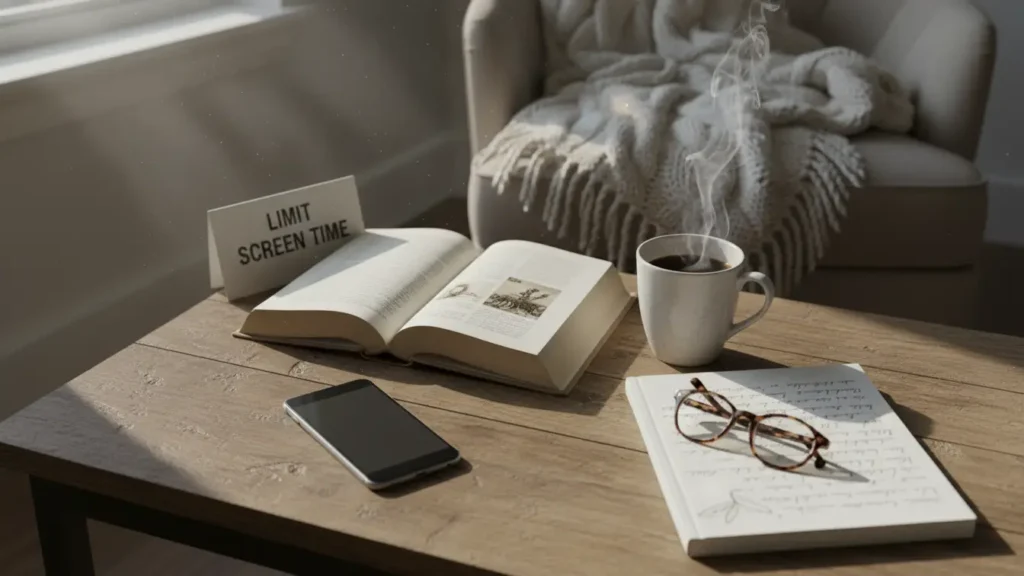
Let’s be real: endlessly scrolling through social media rarely makes anyone feel better, especially during winter. Research shows that excessive social media use is linked to increased depression and anxiety. And in winter, when you’re already vulnerable to mood issues, that comparison trap hits even harder.
Set boundaries:
- Delete social media apps from your phone (or at least move them off your home screen)
- Use screen time limits on your devices
- Designate phone-free times, especially before bed and first thing in the morning
- Replace scrolling with reading, puzzles, or other hands-on activities
- If you do use social media, curate your feed to only include accounts that genuinely make you feel good
You might be wondering what to do with all that extra time. That’s the beautiful part—you’ll rediscover hobbies you forgot you enjoyed. Read that book that’s been sitting on your nightstand. Try knitting, drawing, or whatever creative activity calls to you. Call a friend instead of liking their post.
In my experience, reducing screen time was one of the most impactful ways to beat the winter blues. I replaced my morning scroll with reading, and my evening scroll with stretching or journaling. The difference in my mood was noticeable within days.
13. Know When to Ask for Help (This is Important)

Let’s get real for a second. Sometimes the winter blues are more than just the blues—they’re full-blown depression. If you’re experiencing symptoms for weeks on end, if they’re interfering with your daily life, or if you’re having thoughts of self-harm, please reach out to a professional. There’s absolutely no shame in this.
Signs it’s time to seek help:
- Persistent feelings of hopelessness or worthlessness
- Loss of interest in activities you normally enjoy
- Significant changes in appetite or weight (more than 5% of body weight)
- Sleeping too much or too little (sleeping 12+ hours or under 4 hours regularly)
- Difficulty concentrating or making decisions
- Physical symptoms like chronic pain or headaches
- Withdrawing from friends and family completely
- Thoughts of death or self-harm
Your doctor can help you figure out whether you need therapy, medication, or other treatments. Cognitive behavioral therapy (CBT) specifically adapted for SAD has shown excellent results. Some people benefit from antidepressants during winter months. Others find that talk therapy gives them tools to manage their symptoms better.
The important thing is not suffering in silence. Mental health is health, period. You wouldn’t tough out a broken leg without medical care—don’t try to tough out significant depression either.
If you’re not sure where to start, call your primary care doctor. They can screen you for depression and either treat you themselves or refer you to a mental health specialist. Many therapists now offer telehealth appointments, which means you don’t even have to leave your house to get help.
Putting It All Together: Your Winter Wellness Plan
| Strategy | Time Investment | Effectiveness | Cost | Difficulty |
|---|---|---|---|---|
| Light Therapy | 20-30 min/day | Very High | $30-200 (one-time) | Easy |
| Exercise | 20 min, 4x/week | Very High | Free-$50/month | Moderate |
| Sleep Schedule | Ongoing | High | Free | Moderate |
| Vitamin D | Daily supplement | Moderate-High | $10-15/month | Easy |
| Social Connection | 2-3 hours/week | High | Varies | Moderate |
| Planning Activities | 30 min planning | Moderate-High | Varies | Easy |
| Seasonal Activities | 1-2 hours/week | Moderate | Varies | Easy |
| Staying Warm | Ongoing | Moderate | $20-100 | Easy |
| Real Hot Cocoa | 10 min/day | Low-Moderate | $10-20/month | Easy |
| Healthy Diet | Ongoing | Moderate-High | Budget-dependent | Moderate |
| Cozy Rituals | 30-60 min/day | Moderate | Free-$50 | Easy |
| Limited Screen Time | Ongoing | Moderate-High | Free | Moderate |
| Professional Help | 1 hour/week | Very High (when needed) | $0-150+/session | Varies |
The beauty of these ways to beat the winter blues is that you don’t need to do everything at once. Start with one or two that feel doable, then gradually add more as they become habits.
Creating Your Personal Action Plan
Here’s how to actually implement these strategies instead of just reading about them and forgetting:
Week 1: Pick 2-3 easy wins. Maybe it’s ordering a light box, scheduling a coffee date with a friend, and starting to take vitamin D. Don’t overwhelm yourself trying to change everything at once.
Week 2: Add one more strategy. If you’ve been consistent with your first choices, layer in something else—maybe establishing a sleep schedule or planning some fun winter activities.
Week 3-4: Assess what’s working. Some strategies will resonate more than others. That’s fine. Double down on what helps and don’t stress about the rest.
Ongoing: Keep adjusting. Your needs might change throughout winter. Stay flexible and compassionate with yourself.
The goal isn’t perfection—it’s progress. Some days you’ll nail everything. Other days you’ll barely manage the basics. Both are okay. What matters is the overall pattern over weeks and months, not any single day.
The Bottom Line
Look, winter doesn’t have to be miserable. Sure, the short days and cold weather aren’t exactly fun, but armed with these strategies, you can actually thrive during the darker months. The trick is being proactive—don’t wait until you’re deep in a slump to take action.
What works best will depend on your individual situation. Maybe you need the structured approach of light therapy, or perhaps getting outside more and connecting with friends is what moves the needle for you. The point is to experiment and find your personal winter blues antidote.
Remember, feeling a bit off during winter is totally normal. It’s your body responding to environmental changes. But when you understand what’s happening and have tools to address it, you take back control. You’re not powerless against the seasonal shifts—you’ve got an entire toolkit of ways to beat the winter blues.
Also, give yourself grace. If you try something and it doesn’t work, that’s valuable information. Try something else. If you have a few rough days, that doesn’t mean you’re failing. It means you’re human. Keep going.
The difference between people who suffer through winter and people who manage it well often comes down to preparation and consistency. The ones who do well start implementing these strategies early in fall, before things get bad. They maintain their routines even when (especially when) they don’t feel like it. They treat winter wellness as a practice, not a one-time fix.
You’ve got this. Really. Winter is temporary. Spring will come eventually—but until then, we might as well make the most of the season we’re in. Stay warm, stay connected, and be gentle with yourself. The darkness won’t last forever.
Now if you’ll excuse me, I’m going to make myself some real hot cocoa, sit by my light box, and text a friend to schedule that coffee date I’ve been putting off. Small steps, right?
Stay warm out there, friends. You’re not alone in this.