The Complete Guide to Spring Decluttering: Transform Your Home This Season

As the last remnants of winter fade and nature awakens with vibrant blooms, there’s an undeniable energy in the air—a call to refresh, renew, and reset. This is the essence of spring decluttering: harnessing seasonal momentum to create meaningful change in your home. This seasonal shift isn’t just about longer days and warmer weather; it’s about the psychological need for transformation that comes with the changing seasons.
Your home tells a story. Right now, that story might include winter coats piled on chairs, forgotten items tucked in corners, and the accumulated weight of months spent indoors. But what if this season could mark the beginning of something different?
Research from Princeton University reveals that physical clutter competes for your attention, decreasing performance and increasing stress. Meanwhile, a 2020 study published in the International Journal of Applied Positive Psychology found that individuals embracing minimalistic practices reported significant improvements in autonomy, competence, and overall life satisfaction.
This comprehensive guide will walk you through the transformative process of spring decluttering, giving you practical strategies, room-by-room guidance, and the motivation to create a home that truly supports your wellbeing.
Understanding the Power of Spring Decluttering

Why Spring Is the Perfect Time for Renewal
There’s a scientific reason why the urge to organize intensifies as winter transitions to spring. Increased natural light triggers serotonin production in your brain, boosting energy levels and motivation. This biological shift, combined with the symbolic nature of spring as a season of growth and new beginnings, creates the ideal conditions for spring decluttering projects.
Beyond biology, there’s the practical aspect: as you transition from heavy winter clothing to lighter spring wardrobes, from closed windows to fresh air, the chaos becomes more visible. Your environment demands attention, and responding to this call can catalyze positive changes that extend far beyond your living space.
The Mental Health Connection
The relationship between your environment and mental wellbeing runs deeper than simple aesthetics. Studies indicate that cluttered environments can elevate cortisol levels—your body’s primary stress hormone—by creating a constant sense of unfinished business.
When you clear physical clutter, you’re simultaneously clearing mental clutter. Each item you remove is a decision made, a weight lifted, a visual distraction eliminated. This process creates what researchers call “mental space”—the cognitive bandwidth you need for creativity, problem-solving, and simply enjoying your daily life.
According to research examining minimalism and happiness, approximately 80% of individuals who adopted simplified living reported enhanced psychological wellbeing, with many noting decreased anxiety and improved focus as primary benefits.
Before You Begin: Setting Yourself Up for Success
Create Your Spring Decluttering Strategy
Jumping in without a plan is the fastest route to overwhelm. Instead, approach your spring decluttering journey with intention:
Assess Your Space Honestly Walk through your home with fresh eyes. Which rooms feel most chaotic? Which areas cause frustration every time you enter them? These emotional responses signal where your efforts will yield the greatest impact.
Set Realistic Expectations Professional organizers emphasize that spring decluttering transformation doesn’t happen overnight. Trying to tackle your entire home in a weekend often leads to half-finished projects and discouragement. Instead, commit to manageable timeframes—perhaps one room per week, or even one zone per day.
Gather Your Supplies Before starting, assemble your toolkit:
- Large bags or boxes for donations
- Heavy-duty trash bags for disposal
- Labels and markers for organizing
- Cleaning supplies for wiping down cleared spaces
- A timer to maintain focus during work sessions
The Psychology of Letting Go
One of the biggest barriers to effective spring decluttering isn’t time or energy—it’s emotional attachment. We hold onto items for complex reasons: guilt over money spent, fear of future need, or sentimental connection.
Marie Kondo’s popular approach of thanking items before releasing them addresses this psychological hurdle. Even if this feels uncomfortable at first, acknowledging an item’s past purpose can help you move forward. That bridesmaid dress you never wore taught you something about your style preferences. Those unused craft supplies showed you a hobby that ultimately wasn’t your passion.
Each release is a lesson learned, not a failure.
Your Room-by-Room Action Plan
Kitchen: The Heart of Your Home
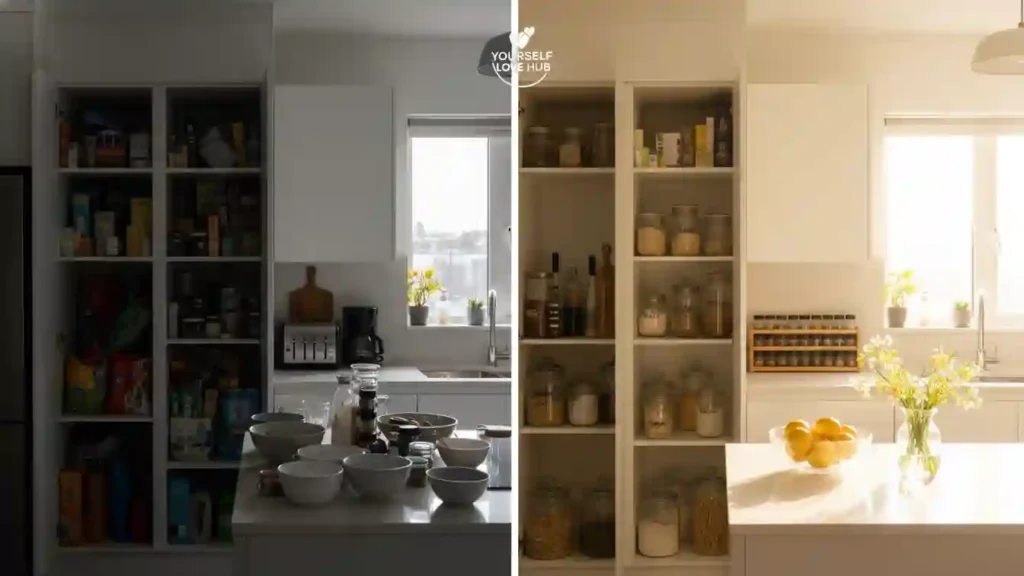
The kitchen accumulates clutter faster than almost any other space. Between expired pantry items, duplicate utensils, and mystery containers missing lids, this room demands regular attention.
Start With Expired Items Begin by checking dates on everything in your pantry, refrigerator, and freezer. Research shows that the average household wastes approximately $1,500 annually on unused food. Remove expired items immediately, and group remaining items by category to identify duplicates and assess what you actually use.
Tackle Dish and Cookware Overload How many coffee mugs does one household truly need? For most families, keeping 8-10 mugs is plenty. The same principle applies to plates, bowls, and serving dishes. If you haven’t used special occasion items in over a year, consider whether they’re worth the storage space they’re consuming.
Organize Strategic Zones Group items based on how you use them: baking supplies together, coffee and tea items near your brewing station, and cooking utensils within reach of the stove. This zone-based approach reduces clutter on countertops while making meal preparation more efficient.
Once your counters and cabinets are under control you can focus on styling details and use gorgeous green kitchen ideas to add color and personality without bringing clutter back.
Bedroom: Your Personal Sanctuary

Your bedroom should be a retreat, but accumulated clothing, unread books, and miscellaneous items can transform it into a source of stress. Spring decluttering your bedroom creates a peaceful environment for rest and rejuvenation.
Master the Wardrobe Edit The approaching warmer season makes this the perfect time for spring decluttering your wardrobe. Remove everything from your closet and drawers—yes, everything. This allows you to see the full scope of what you own.
For each item, ask three questions:
- Does it fit my current body and lifestyle?
- Have I worn it in the past year?
- Does wearing it make me feel confident?
If you can’t answer yes to at least two of these questions, it’s time to let the item go.
Consider adopting the capsule wardrobe concept, where you maintain a curated collection of approximately 30-50 versatile pieces per season. This approach reduces decision fatigue each morning while ensuring everything in your closet actually gets worn.
Clear Surface Clutter Nightstands and dressers tend to collect items that don’t belong: loose change, receipts, magazines, yesterday’s coffee mug. Establish the rule that surfaces are for display and immediate necessities only. Everything else needs a designated home.
Bathroom: Hidden Clutter Hotspot

Bathrooms are deceptively small yet capable of harboring impressive amounts of clutter.
Medication and Cosmetics Audit Safety first: expired medications can lose effectiveness or even become harmful. Check every bottle, tube, and container for expiration dates. Most cosmetics should be replaced every 6-12 months due to bacterial growth, even if they seem fine.
Streamline Your Products How many half-empty bottles of shampoo are hiding in your shower? Consolidate what you can, discard what you don’t use, and be honest about products that promised miracles but never delivered. Your bathroom should contain only items you actively use and enjoy.
Once the extra bottles are gone and your surfaces are clear you can introduce a few shower plants to turn your bathroom into a steamy mini oasis instead of a product graveyard.
Organize Under the Sink This dark space becomes a graveyard for forgotten purchases. Pull everything out, categorize items (first aid, cleaning supplies, hair products), and use bins or shelf organizers to maintain order. Discard duplicates and items you no longer need.
Living Room: The Family Hub

Your living room should facilitate relaxation and connection, not anxiety about visual chaos.
Manage Media and Entertainment Old magazines pile up with alarming speed. Institute a simple rule: keep only the current month’s issues. If there’s an article you want to save, tear it out and recycle the rest. The same principle applies to newspapers—if you haven’t read it within a week, you won’t.
For those still maintaining physical media collections, consider digitizing DVDs and CDs. Services exist that can convert your collection to digital files, freeing up significant space while maintaining access to your favorite content.
Furniture and Decor Evaluation Sometimes less truly is more. That extra chair nobody sits in, the side table covered with clutter, or the decorative items you no longer notice—removing these creates visual calm and makes the room easier to clean and maintain.
The Coffee Table Reset Coffee tables attract clutter like magnets. Establish what belongs here (perhaps a decorative item, a small plant, and coasters) and ruthlessly remove everything else. This single change can dramatically improve how the entire room feels.
Home Office: Productivity Zone
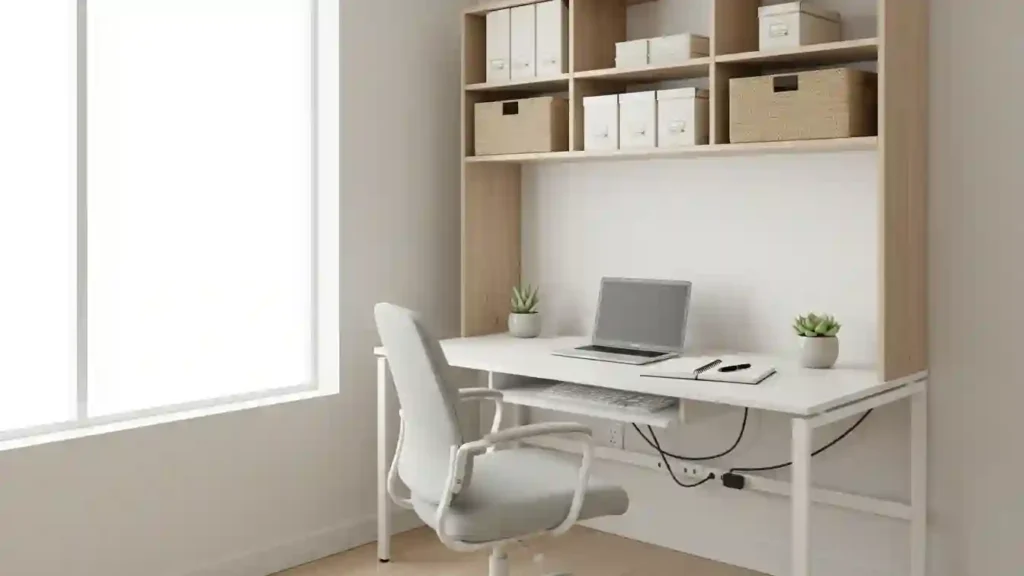
Whether you work from home or use this space for household management, organization directly impacts productivity.
Paper Purge Old receipts, bills from last year, expired warranties—paper accumulates relentlessly. Digitally scan important documents using apps like Adobe Scan or a scanner, then shred sensitive papers and recycle the rest. Maintain only current documents and those required for tax purposes.
Technology Tangle That drawer full of mystery cables, old phones, and obsolete chargers? Sort through it ruthlessly. Properly recycle broken electronics through designated e-waste programs rather than letting them occupy valuable space.
Desktop Organization A cluttered physical desktop often reflects a cluttered digital desktop. Tackle both simultaneously. Clear your desk surface completely, then add back only essentials: computer, lamp, and perhaps one personal item. File papers immediately rather than letting them pile up.
Children’s Spaces: Maintaining Order with Kids
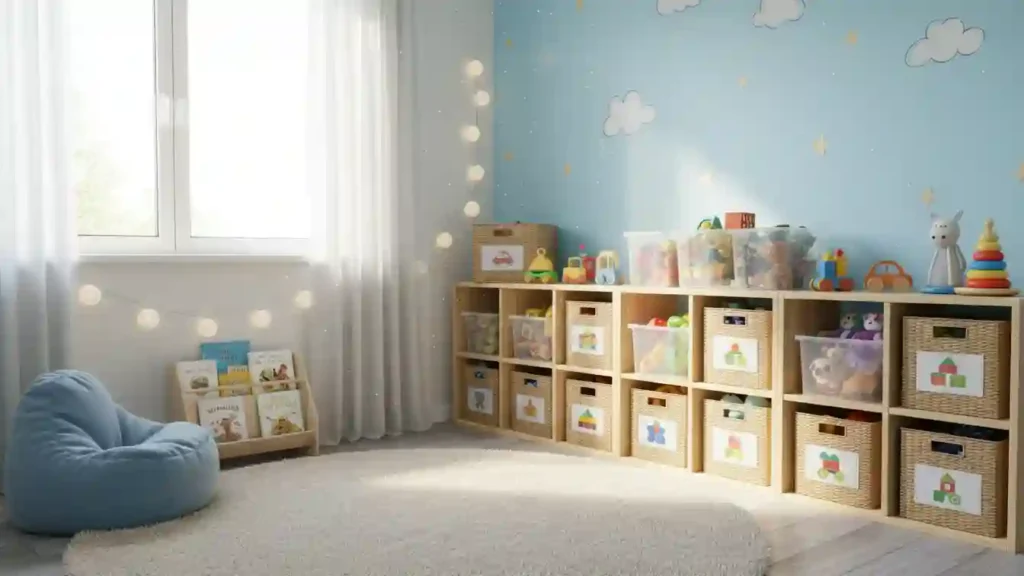
Kids’ rooms present unique challenges, but involving children in the process teaches valuable lifelong skills.
The Toy Rotation System Rather than keeping every toy accessible simultaneously, implement a rotation system. Box up half the toys and store them out of sight. Every few months, swap the boxes. This keeps playtime fresh while dramatically reducing daily clutter.
Book and Art Supply Management Children outgrow books quickly. Involve them in selecting books to donate to the library or other families. For art supplies, consolidate materials in clear bins labeled by type (crayons, markers, paper). Discard dried-out markers and broken crayons during this process.
Teaching Organizational Habits Make cleanup part of the daily routine rather than a punishment. Use picture labels for young children so they know where items belong. Establish the rule that one activity gets put away before starting another.
Garage and Storage Areas: The Final Frontier
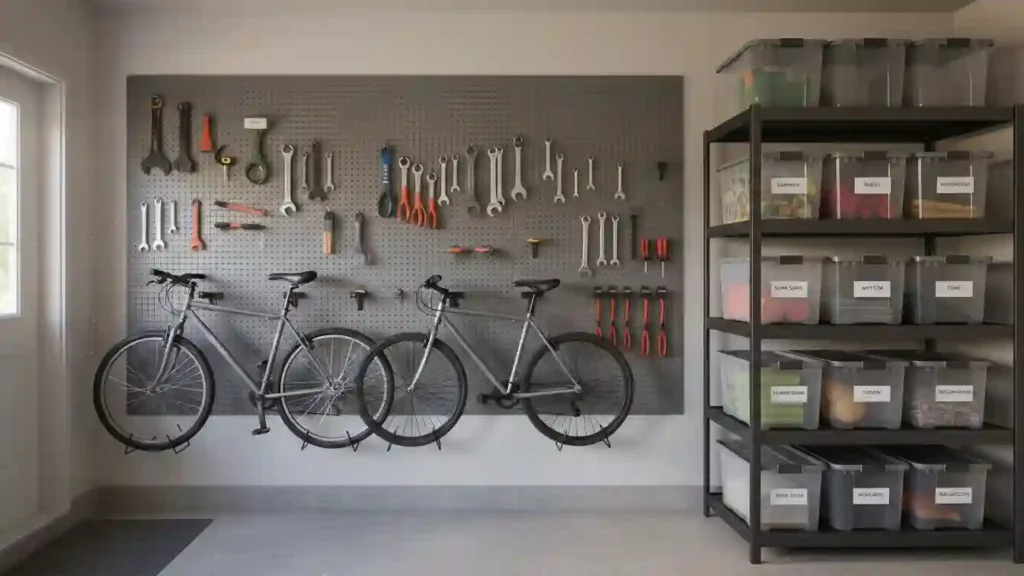
These spaces often become dumping grounds for items without other homes.
Seasonal Item Inventory Evaluate holiday decorations honestly. If you didn’t use it last year, you probably won’t use it next year. Keep only decorations you genuinely love and will display. Store them in labeled, clear bins for easy identification.
When your seasonal decor is edited and properly stored it also becomes much easier to refresh your curb appeal with simple front porch decor ideas when spring arrives.
Tool and Hardware Organization Group tools by function and store them in labeled sections. Discard duplicates and broken items. Wall-mounted pegboards maximize space while keeping frequently used tools accessible.
Sports and Hobby Equipment Equipment for abandoned hobbies or outgrown sports occupies valuable space. If items haven’t been used in two years, it’s time to find them a new home where they’ll actually be appreciated.
Advanced Strategies for Lasting Results
Implement Maintenance Systems
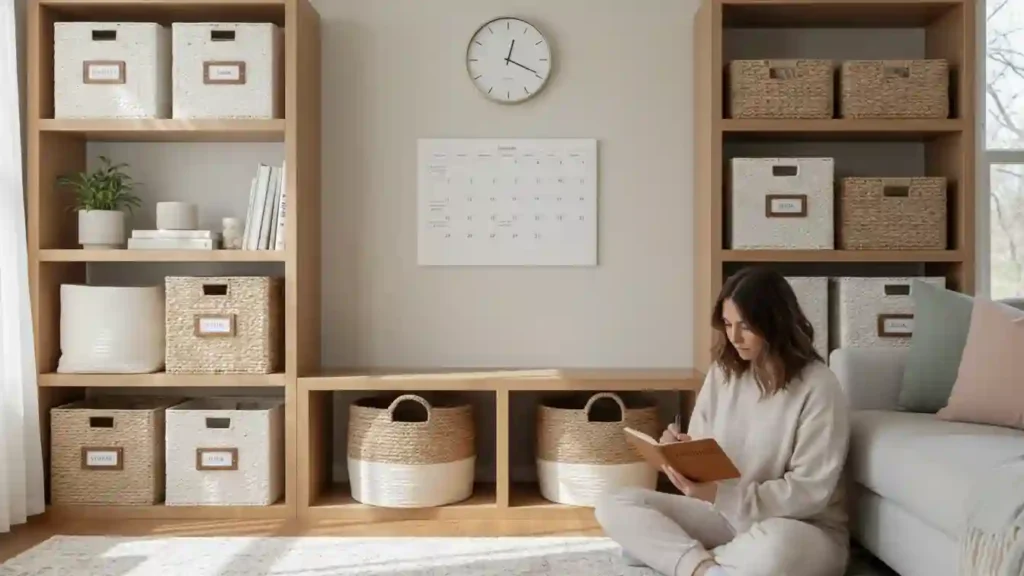
The real challenge isn’t achieving organization through spring decluttering—it’s maintaining it. Build sustainable systems that prevent clutter from accumulating again.
The One-In-One-Out Rule For every new item entering your home, one similar item must leave. Bought a new shirt? Donate an old one. This simple principle prevents gradual accumulation that leads back to clutter.
Daily Reset Routines Spend 10-15 minutes each evening returning items to their designated homes. This small investment prevents the buildup that requires major weekend efforts.
Monthly Maintenance Checks Set a recurring calendar reminder to evaluate high-traffic areas monthly. A quick 20-minute review can catch clutter before it becomes overwhelming.
The 90/90 Rule for Decision-Making
When uncertain about keeping an item, apply this simple test: Have you used it in the past 90 days? Will you use it in the next 90 days? If the answer to both questions is no, the item is consuming space without providing value.
This rule proves especially helpful for those “just in case” items we all tend to hoard. Trust that you can acquire what you need when you actually need it.
Digital Organization Matters Too
Physical clutter often has a digital counterpart. While tackling your spring decluttering projects, address digital chaos simultaneously.
Photo Management Delete duplicate photos, blurry shots, and screenshots you no longer need. Organize remaining photos into albums by year or event. This not only frees phone storage but makes cherished memories easier to find and enjoy.
Email Inbox Reset Unsubscribe from newsletters you never read. Create folders for important emails and archive or delete the rest. A clean inbox reduces daily stress and improves focus.
App Audit Delete apps you haven’t opened in three months. Organize remaining apps into folders by category. This streamlines your phone’s interface while eliminating mental clutter every time you look at your screen.
Responsible Disposal and Donation

Where Your Items Can Go
One crucial aspect of spring decluttering is ensuring your unwanted items find appropriate new homes rather than ending up in landfills.
Donation Centers Organizations like Goodwill, Salvation Army, and local thrift stores accept gently used clothing, household items, books, and more. Many offer pickup services for large donations.
Specialized Donations
- Professional clothing: Career closets and job training programs
- Books: Libraries, Little Free Libraries, schools
- Toys: Children’s hospitals, daycare centers, shelters
- Linens: Animal shelters welcome old towels and bedding
- Electronics: Check manufacturer take-back programs
Selling Options Quality items can be sold through:
- Consignment shops for clothing and furniture
- Facebook Marketplace or OfferUp for local sales
- ThredUp or Poshmark for online clothing sales
- eBay for collectibles and specialty items
Proper Recycling
- Electronics: Locate e-waste recycling centers through Earth911.com
- Batteries: Most hardware stores offer battery recycling
- Textiles: Some recycling centers accept worn-out fabric that can’t be donated
- Hazardous materials: Follow local guidelines for paint, chemicals, and other dangerous items
Never simply discard items that could benefit others or harm the environment if improperly disposed.
The Psychological Benefits: Why Spring Decluttering Matters

Beyond Clean Surfaces
The impact of an organized environment extends far beyond aesthetics. When you commit to spring decluttering, research consistently demonstrates that you’ll experience:
Reduced Decision Fatigue With fewer items demanding attention, you conserve mental energy for decisions that actually matter. This cognitive benefit improves everything from work performance to relationship quality.
Enhanced Focus and Productivity Studies show that clutter significantly impairs concentration. A simplified environment allows your brain to process information more efficiently, leading to improved task completion and creative thinking.
Better Sleep Quality Bedrooms free from visual clutter promote more restful sleep. Your brain can truly relax when it’s not subconsciously processing disorder in your environment.
If better sleep is one of your goals you can pair a calmer bedroom with avoiding the worst snacks to eat before bed so your environment and your nightly habits work together.
Improved Relationships Clutter creates conflict. When everyone knows where items belong and maintains shared spaces, household tension decreases significantly. This is particularly impactful for families with children.
Financial Benefits Knowing exactly what you own prevents duplicate purchases. Additionally, maintaining your possessions becomes easier, extending their lifespan and saving replacement costs.
The Ripple Effect
Perhaps most significantly, organizing one area of your life often catalyzes improvements in others. People who successfully complete spring decluttering projects frequently report increased motivation to address other life areas: health habits, relationships, career goals, and personal development.
This isn’t coincidental. The sense of control and accomplishment gained from your spring decluttering efforts builds confidence and demonstrates that change is possible. What begins as a simple project can evolve into a broader life transformation.
Common Challenges and Solutions
“I Don’t Have Time”
This is the most common objection, and it’s valid—you are busy. However, consider this: How much time do you currently spend searching for lost items, cleaning around clutter, or dealing with the stress of disorganization?
Start extraordinarily small. Commit to just 10 minutes daily. Set a timer, tackle one drawer or shelf, and stop when the timer sounds. Ten minutes seems insignificant, but it compounds remarkably over weeks.
“I Might Need It Someday”
This fear of future regret keeps us trapped with items we never use. Challenge this thought pattern by asking: If I did need this item in the future, how difficult would it be to obtain another?
For most items, the answer is: not very difficult. And the probability you’ll actually need that item is far lower than the certainty that it’s currently occupying valuable space and contributing to daily stress.
“It Was Expensive/A Gift”
The money is already spent. Keeping an unused item doesn’t recoup that investment—it just compounds the mistake by sacrificing your space and peace of mind.
For gifts, remember: the gift was the moment of giving, not an obligation to maintain the physical item indefinitely. The giver wanted you to be happy, and being surrounded by clutter doesn’t fulfill that intention.
“I’m Overwhelmed and Don’t Know Where to Start”
Start with the space that bothers you most. Not the biggest mess—the one that affects your daily life most significantly. Maybe it’s the cluttered entryway you see every time you come home, or the bathroom you use each morning.
Alternatively, begin with an easy win. That junk drawer everyone has? Clear it completely in 15 minutes and enjoy the satisfaction of one completed task. Momentum matters more than magnitude.
Your Action Plan: Getting Started Today
Week One: Foundation
Start your spring decluttering journey with these essential first steps:
- Day 1-2: Walk through your home and create a written list of all areas needing attention
- Day 3-4: Gather supplies (bags, boxes, labels) and set up donation/disposal options
- Day 5-7: Tackle one small, high-visibility area (junk drawer, entryway, bathroom counter)
Week Two: Momentum Building
- Day 8-10: Complete one entire room using the strategies outlined above
- Day 11-12: Remove all donation items from your home (do not let them sit!)
- Day 13-14: Implement one organizational system (morning reset, one-in-one-out rule)
Week Three: Major Projects
- Day 15-17: Tackle your most challenging space (likely a bedroom closet or garage)
- Day 18-19: Address digital clutter (photos, emails, apps)
- Day 20-21: Organize remaining storage areas and seasonal items
Week Four: Integration
- Day 22-24: Final touches—arrange furniture, add any needed storage solutions
- Day 25-26: Photograph your transformed spaces for motivation and future reference
- Day 27-28: Establish maintenance routines and plan monthly check-ins
Remember: this timeline is a guide, not a mandate. Adjust based on your schedule, space, and energy levels. Completion matters more than speed.
Maintaining Your Fresh Start
Building Sustainable Habits
The difference between a temporary cleaning frenzy and lasting spring decluttering success lies in daily habits.
Evening Resets Before bed, spend 10 minutes returning items to their designated homes. This simple practice prevents accumulation and ensures you wake to an organized space.
Mindful Acquisition Before bringing new items home, pause and ask: Where will this live? What purpose does it serve? Do I already own something similar? This conscious approach prevents clutter at its source.
Seasonal Reviews Mark your calendar for quarterly reviews. As seasons change, reassess what you need accessible and what can be stored. This rhythm aligns with natural cycles and prevents overwhelming buildups. Your initial spring decluttering effort establishes the foundation, but regular maintenance keeps it sustainable.
Family Involvement If you share your space, organization cannot be a solo endeavor. Hold brief family meetings to establish shared systems and ensure everyone understands their role in maintaining order.
Celebrating Progress
Acknowledge your achievements at every stage. Take before and after photos. Share your success with supportive friends. Treat yourself to something special (preferably an experience rather than more stuff) after completing major milestones.
This positive reinforcement strengthens your commitment and makes the maintenance phase feel rewarding rather than burdensome.
The Transformation Continues

Your home now reflects the change you’ve created through spring decluttering—surfaces clear, possessions curated, systems established. But the true transformation extends beyond your physical space.
You’ve reclaimed time previously lost to managing excess. You’ve reduced the mental load that cluttered environments impose. You’ve created space—literally and figuratively—for what genuinely matters in your life.
As the seasons continue their eternal cycle, you’ll find that maintaining this clarity becomes progressively easier. The habits you’ve built through spring decluttering, the systems you’ve implemented, and the mindset shift you’ve experienced all contribute to lasting change.
Spring’s arrival offered the catalyst, but you created the transformation. Your organized, peaceful environment now supports your goals, nurtures your wellbeing, and welcomes each new season with openness rather than overwhelm.
The warmth and light of spring are here. Your fresh start is complete. And the benefits you’ll experience extend far beyond this single season—they’ll enhance your life every day moving forward.
Your Next Steps
Ready to begin your transformation? Start with one small area today—right now, if possible. Set a timer for just 10 minutes and clear one surface, one drawer, or one shelf.
That single action, small as it seems, marks the beginning of something significant. Your organized, peaceful, life-supporting home awaits. All that’s required is the decision to begin.
The season of renewal is here. What will you create?