18 Best Miniature Dwarf Vegetables and Fruit Plants for Small Spaces (2026 Guide)
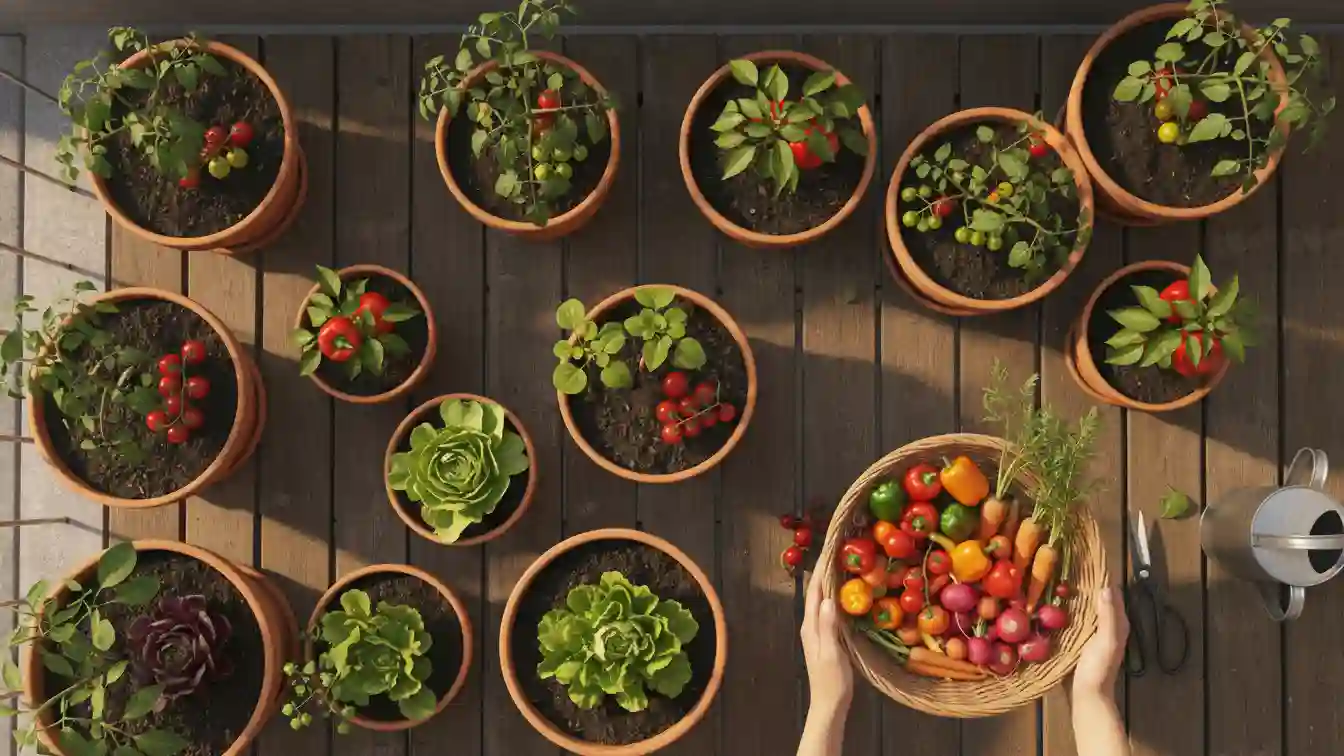
If you’re working with limited space but still dream of harvesting fresh, homegrown produce, you’re in the right place. Miniature dwarf vegetables and fruit plants are transforming how American homeowners approach gardening—whether you have a tiny apartment balcony, a modest patio, or just a sunny windowsill.
These compact varieties aren’t just scaled-down versions of their full-sized cousins. They’re specially bred or carefully selected plants that deliver impressive yields without demanding acres of land. Better yet, they taste just as delicious (sometimes even more flavorful) than standard varieties.
Let’s explore everything you need to know about growing miniature dwarf vegetables and fruit plants in your home garden.
Why Choose Miniature Dwarf Vegetables and Fruit Plants?
Before we dig into specific varieties, here’s why more homeowners are embracing these compact plants:
Perfect Portions for Modern Households A standard cabbage can weigh 3-5 pounds—way too much for a couple or small family. Mini vegetables give you just the right amount, reducing food waste and keeping produce fresher since you’re harvesting exactly what you need.
And if you’re already dreaming about blooms around your veggie beds, these best white flowers to plant in gardens pair beautifully with small-space food gardens.
Space Efficiency That Actually Works You can grow a surprising amount of food in containers on a balcony, porch, or small patio. Many dwarf varieties thrive in pots as small as 5-10 gallons, making them ideal for urban and suburban settings.
Faster Harvest Times Many miniature varieties mature 10-20 days faster than full-sized plants, meaning you’ll enjoy homegrown produce sooner and can often squeeze in multiple harvests per season.
Lower Maintenance Requirements Smaller plants generally need less water, fertilizer, and pruning. They’re also easier to protect from pests and weather extremes—you can simply move containers indoors or under cover when needed.
Year-Round Growing Potential Since most dwarf plants adapt well to container growing, you can bring them indoors during cold months, extending your harvest season significantly.
For even more indoor greenery inspiration, you can also explore bedroom plants that improve air health and wellness alongside your dwarf veggies.
Essential Growing Conditions for Dwarf Varieties
While specific plants have unique needs, most miniature dwarf vegetables and fruit plants share these basic requirements:
Sunlight Requirements
Most dwarf vegetables and fruits need 6-8 hours of direct sunlight daily. South-facing patios or balconies work best in the northern hemisphere. If you’re limited on sun, focus on leafy greens and herbs, which tolerate partial shade better than fruiting plants.
Soil and Container Considerations
Use high-quality potting mix (not garden soil) in containers with drainage holes. Most dwarf varieties need containers at least 10-12 inches deep, though root vegetables and tomatoes prefer 14-18 inches.
Mix in compost or aged manure to boost nutrients, and consider adding perlite or vermiculite for better drainage in container gardens.
Watering Strategy
Container plants dry out faster than in-ground gardens. Check soil moisture daily during hot weather—if the top inch feels dry, it’s time to water. Consistent moisture is crucial, especially for fruiting plants, to prevent issues like blossom end rot or bitter-tasting vegetables.
Temperature and Climate Zones
Most dwarf vegetables thrive in USDA zones 3-10, depending on the variety. The beauty of container growing is that you can extend seasons by moving plants indoors or providing frost protection.
Warm-season crops (tomatoes, peppers, eggplant, melons) need soil temperatures above 60°F to thrive, while cool-season crops (lettuce, peas, carrots) can handle temperatures down to 40°F.
The Best Miniature Dwarf Vegetables for Small Gardens
Compact Tomatoes

Tiny Tim Tomato This cherry tomato variety is a superstar for container gardens. Plants stay under 18 inches tall and produce clusters of sweet, red tomatoes perfect for snacking or salads.
- Container size: 5-gallon pot minimum
- Days to maturity: 55-60 days
- Hardiness: Zones 3-11 (as annual)
- Yield: 1-2 pounds per plant
- Growing tip: Stake even dwarf varieties for better air circulation and easier harvesting. Water consistently to prevent splitting.
Tumbling Tom Tomato This trailing variety works beautifully in hanging baskets, cascading over the edges with cherry tomatoes throughout the season.
- Container size: 8-10 gallon hanging basket
- Days to maturity: 70-80 days
- Yield: 2-4 pounds per plant
- Growing tip: Pinch off the first flowers to encourage stronger root development before fruiting begins.
Miniature Peppers

Lunchbox Pepper Mix These adorable snack-sized peppers come in red, orange, and yellow. They’re sweet, crunchy, and incredibly productive on compact plants.
- Container size: 3-5 gallon pot
- Days to maturity: 65-75 days
- Plant size: 18-24 inches tall
- Hardiness: Zones 5-11
- Growing tip: Peppers prefer consistent warmth. Wait until nighttime temperatures stay above 55°F before moving outdoors.
Thai Dragon Chili (Bird’s Eye Pepper) For heat lovers, this compact pepper plant produces dozens of fiery chilies that point upward like flames. Perfect for small containers and surprisingly ornamental.
- Container size: 2-3 gallon pot
- Days to maturity: 75-85 days
- Heat level: 50,000-100,000 Scoville units
- Growing tip: These plants actually produce better when slightly root-bound, making them ideal for smaller containers.
Dwarf Eggplants

Fairy Tale Eggplant Winner of All-America Selections, this stunning variety produces clusters of small, purple-and-white striped eggplants with exceptional flavor and no bitterness.
- Container size: 5-7 gallon pot
- Days to maturity: 50-65 days after transplant
- Plant size: 18-24 inches tall and wide
- Fruit size: 2-4 inches long
- Growing tip: Harvest when skin is glossy and firm. Mulch with black plastic or landscape fabric to keep soil warm and boost production.
Patio Baby Eggplant These golf ball-sized eggplants have creamy white flesh perfect for grilling whole or stuffing. Plants stay compact and manageable.
- Container size: 5 gallon pot
- Days to maturity: 55-60 days
- Yield: 15-20 fruits per plant
- Growing tip: Use floating row covers early in the season to protect from flea beetles, which love young eggplant leaves.
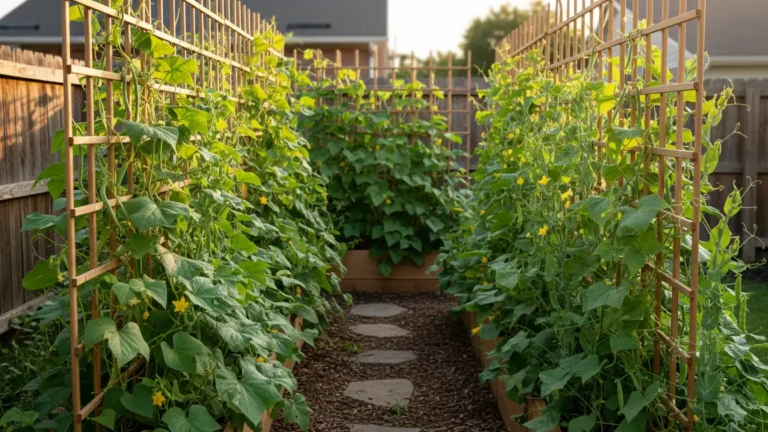
Miniature Cucumbers

Mini Munch Cucumber This all-female hybrid produces abundant thumb-sized cucumbers at every node. The skin is tender enough to eat without peeling, and they’re incredibly crisp and sweet.
- Container size: 10-gallon pot or larger
- Days to maturity: 60 days from seed
- Vine length: 8-10 feet (train on trellis)
- Fruit size: 3-4 inches long
- Growing tip: Harvest every 2-3 days to encourage continuous production. Vines produce heavily when trained vertically on a trellis.
Bush Pickle Cucumber True to its name, this variety grows on compact bushes rather than vines, making it perfect for container gardens. Great for fresh eating or pickling.
- Container size: 5-7 gallon pot
- Days to maturity: 48-52 days
- Plant size: 24 inches tall, 36 inches wide
- Growing tip: Plant in succession every 2 weeks for continuous harvest throughout summer.
Dwarf Carrots

Thumbelina Carrot These round, golf ball-sized carrots are incredibly sweet and tender. They’re perfect for heavy or shallow soils where traditional carrots struggle.
- Container size: 10-12 inches deep
- Days to maturity: 60-70 days
- Hardiness: Zones 3-10
- Growing tip: Thin seedlings to 2 inches apart for best root development. Keep soil consistently moist for sweetest flavor.
Little Finger Carrot These slender, 3-4 inch carrots are incredibly sweet and perfect for snacking straight from the garden.
- Container size: 12 inches deep minimum
- Days to maturity: 55-65 days
- Growing tip: Carrots taste sweeter after a light frost. In fall gardens, you can leave them in the ground and harvest as needed.
Compact Peas

Tom Thumb Pea These adorable dwarf pea plants grow only 10 inches tall but produce surprising amounts of sweet, tender peas. No staking required!
- Container size: 8-10 inches deep
- Days to maturity: 50-60 days
- Plant size: 8-10 inches tall
- Hardiness: Zones 2-11 (cool season)
- Growing tip: Plant in early spring (as soon as soil can be worked) or late summer for fall harvest. Peas prefer cooler weather.
Sugar Ann Snap Pea This All-America Selections winner grows on compact 24-inch vines and produces early, sweet snap peas you can eat pod and all.
- Container size: 10-12 inches deep
- Days to maturity: 52-58 days
- Growing tip: Provide light support (even dwarf varieties benefit from small stakes or pea netting). Pick regularly to extend harvest.
Baby Beets

Baby Ball Beet Mix These colorful beets (red, golden, and striped Chioggia) reach perfect baby size quickly and taste incredibly sweet.
- Container size: 10-12 inches deep
- Days to maturity: 35-50 days
- Hardiness: Zones 2-10
- Spacing: 2-3 inches apart
- Growing tip: Both the roots and greens are edible. Harvest greens when 4-6 inches tall for salads, then continue growing the roots.
Detroit Dark Red (harvested young) While not technically a dwarf variety, harvesting this classic beet young gives you perfect 1-2 inch baby beets with exceptional flavor.
- Container size: 12 inches deep
- Days to maturity: 35-40 days for baby size
- Growing tip: Each beet “seed” is actually a cluster of 2-4 seeds, so thinning is essential for good root development.
Miniature Squash

Eight Ball Zucchini These round, dark green zucchini are perfectly portioned and incredibly tender when harvested at 2-3 inches in diameter.
- Container size: 15-20 gallon pot
- Days to maturity: 40-50 days
- Plant size: 2-3 feet spread
- Hardiness: Zones 3-10
- Growing tip: Check plants daily once fruiting begins—zucchini grows fast! Harvest at baseball size or smaller for best texture.
Honey Bear Butternut Squash This miniature butternut produces 1-pound fruits perfect for two servings. The plants are naturally compact and produce 8-10 fruits per vine.
- Container size: 15-gallon pot minimum
- Days to maturity: 85-95 days
- Vine length: 3-4 feet
- Growing tip: Let fruits cure in the sun for a week after harvest to develop sweeter flavor and extend storage life.
Dwarf Lettuce

Little Gem Lettuce This mini romaine forms compact, 6-inch heads with sweet, crispy leaves. Heat-tolerant for longer spring harvests.
- Container size: 6-8 inches deep
- Days to maturity: 45-55 days
- Hardiness: Zones 4-9
- Spacing: 6 inches apart
- Growing tip: Plant in succession every 2 weeks for continuous harvest. Provide afternoon shade in hot climates to prevent bolting.
Tom Thumb Butterhead This heritage variety forms adorable, tennis ball-sized heads perfect for individual salads. It’s been popular since the 1850s for good reason.
- Container size: 6-8 inches deep
- Days to maturity: 48-55 days
- Growing tip: Lettuce grows well in partial shade, making it ideal for spaces that don’t get full sun all day.
The Best Miniature Dwarf Fruit Plants for Small Gardens
Dwarf Citrus Trees
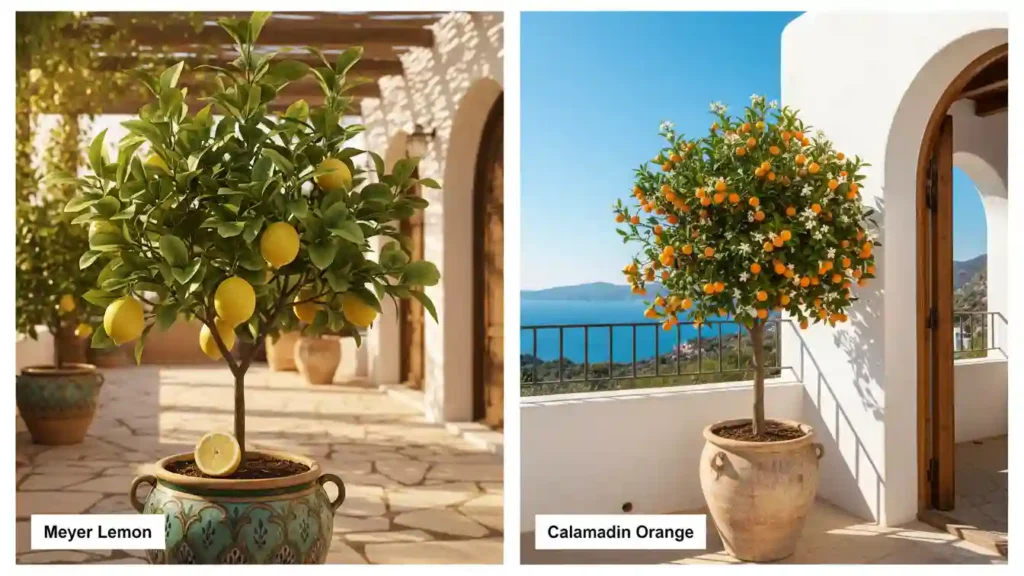
Meyer Lemon This naturally compact lemon tree produces sweet, thin-skinned lemons year-round. It’s one of the most popular container fruit trees in America.
- Container size: 15-20 gallon pot
- Mature size: 4-6 feet in containers
- Hardiness: Zones 8-11 (or container-grown and brought indoors)
- Fruit production: 2-3 years to first fruit; 20-50 lemons per year at maturity
- Growing tip: Citrus needs high humidity. Mist leaves regularly when growing indoors, or place containers on pebble trays filled with water.
Calamondin Orange This ornamental citrus produces tart, small oranges perfect for marmalade. The tree is extremely cold-hardy for citrus and blooms beautifully indoors.
- Container size: 12-15 gallon pot
- Mature size: 3-4 feet indoors
- Hardiness: Zones 9-11
- Growing tip: This variety is more forgiving of indoor conditions than other citrus. It can tolerate lower light and drier air.
Dwarf fruit trees also look stunning in bright transitional areas, so you can absolutely combine them with your sunny sunroom ideas for a lush, indoor–outdoor feel.
Dwarf Stone Fruit Trees

Bonanza Miniature Peach This genetic dwarf peach tree produces full-sized, delicious peaches on a tree that stays under 6 feet tall. Perfect for patio containers.
- Container size: 20-25 gallon pot
- Mature size: 4-6 feet
- Hardiness: Zones 6-9
- Chill hours: 250-300 hours
- Fruit production: Year 2-3; 2-3 dozen peaches at maturity
- Growing tip: Peaches fruit on last year’s growth. Prune lightly in late winter to maintain shape and encourage new fruiting wood.
Garden Prince Almond This naturally dwarf almond tree produces sweet nuts and gorgeous spring blossoms on a tree that maxes out at 8-10 feet.
- Container size: 20-gallon pot minimum
- Mature size: 6-8 feet in containers
- Hardiness: Zones 7-9
- Growing tip: Almonds bloom early and can lose crops to late frosts. In cold zones, grow in containers so you can move them to shelter during late spring cold snaps.
Miniature Berry Plants

Raspberry Shortcake This thornless, dwarf raspberry produces full-sized berries on compact 2-3 foot plants that don’t require staking.
- Container size: 10-15 gallon pot
- Mature size: 2-3 feet tall and wide
- Hardiness: Zones 5-8
- Fruit production: 1-2 pints per plant
- Growing tip: Raspberries are heavy feeders. Fertilize monthly during growing season with balanced organic fertilizer.
Peach Sorbet Blueberry This dwarf blueberry variety produces sweet berries and stunning pink new growth. It’s as ornamental as it is productive.
- Container size: 10-12 gallon pot
- Mature size: 18-24 inches
- Hardiness: Zones 5-10
- Growing tip: Blueberries require acidic soil (pH 4.5-5.5). Use acidic potting mix or amend with sulfur. Never use tap water if your water is alkaline—use rainwater or distilled water instead.
Dwarf Melons

Sugar Baby Watermelon This bush-type watermelon produces 8-10 pound personal melons on compact vines that only spread 3-4 feet.
- Container size: 20-gallon pot minimum
- Days to maturity: 75-85 days
- Vine length: 3-4 feet
- Hardiness: Zones 3-11 (warm season)
- Growing tip: Melons develop sweetest flavor with consistent deep watering, followed by reduced watering the week before harvest.
Minnesota Midget Cantaloupe These softball-sized cantaloupes are perfectly portioned and incredibly sweet. The short vines make them ideal for small gardens.
- Container size: 15-gallon pot
- Days to maturity: 60-70 days
- Fruit size: 4 inches diameter, 1-2 pounds
- Vine length: 3 feet
- Growing tip: Melons slip easily from the vine when ripe—if you have to tug hard, they’re not ready yet.
Dwarf Banana Plants

Dwarf Cavendish Banana This fast-growing tropical produces full-sized, sweet bananas on plants that stay under 8 feet tall, making them perfect for containers.
- Container size: 20-25 gallon pot
- Mature size: 6-8 feet in containers
- Hardiness: Zones 9-11 (or grow in container and overwinter indoors)
- Fruit production: 9-15 months to first fruit; 50-100 bananas per plant
- Growing tip: Bananas are heavy feeders and drinkers. Fertilize every 2 weeks during growing season and water deeply whenever top 2 inches of soil dry out.
Super Dwarf Cavendish Even more compact than standard Dwarf Cavendish, this variety maxes out at 4-5 feet and still produces regular-sized bananas.
- Container size: 15-20 gallon pot
- Mature size: 4-5 feet
- Growing tip: Protect from strong winds, which can shred the large leaves. On windy balconies, provide a windbreak or move plants to more sheltered spots.
Advanced Growing Tips for Maximum Yields
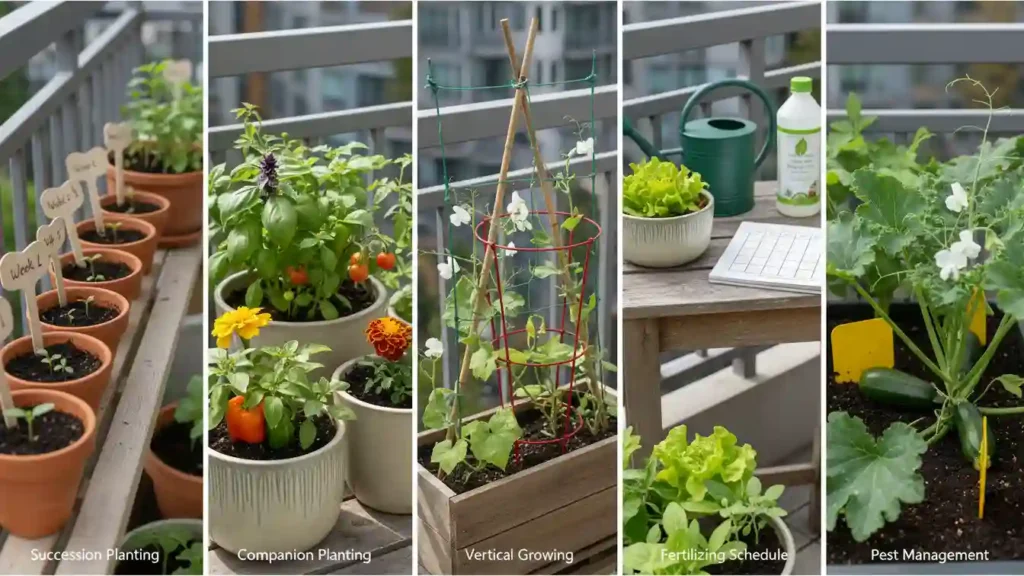
Succession Planting Strategy
Don’t plant everything at once. Stagger plantings of quick-maturing crops like lettuce, radishes, and bush beans every 2-3 weeks for continuous harvest throughout the season. This prevents the feast-or-famine problem many gardeners face.
Companion Planting in Containers
Even in small spaces, companion planting works. Try these proven combinations:
- Tomatoes with basil (improves flavor and repels pests)
- Carrots with chives (deters carrot rust fly)
- Peppers with marigolds (repels aphids and whiteflies)
- Lettuce with radishes (radishes grow fast and mark rows)
Vertical Growing Techniques
Maximize your space by training vining crops upward:
- Use tomato cages, trellises, or stakes for indeterminate tomatoes
- Train cucumbers and mini melons on A-frame trellises
- Create a teepee structure for pole beans or peas
- Install wall-mounted trellises for small-space gardens
This approach increases yields, improves air circulation (reducing disease), and makes harvesting easier.
Fertilizing Schedule for Container Plants
Container plants need more frequent feeding than in-ground gardens because nutrients wash out with regular watering. Follow this general schedule:
Weeks 1-4: No fertilizer needed (potting mix has nutrients) Weeks 5-8: Begin fertilizing with half-strength liquid fertilizer every 2 weeks Week 9+: Full-strength fertilizer every 10-14 days during growing season
Use balanced organic fertilizers (like fish emulsion or compost tea) for leafy vegetables, and switch to higher phosphorus formulas (like 5-10-5) when fruiting plants begin flowering.
Pest Management for Small Gardens
Container gardens face fewer pest issues than in-ground beds, but problems still arise:
Aphids: Spray off with water or use insecticidal soap. Attract ladybugs and lacewings with small flower plantings.
Whiteflies: Use yellow sticky traps. Neem oil spray works for heavy infestations.
Spider mites: Increase humidity and spray leaves with water. These pests thrive in hot, dry conditions.
Slugs and snails: Sprinkle diatomaceous earth or crushed eggshells around containers. Beer traps work but need regular maintenance.
Tomato hornworms: Hand-pick these large caterpillars. Check plants daily during peak season.
The key to organic pest control is early detection—inspect plants during your daily watering routine.
Troubleshooting Common Problems
Yellowing Leaves
Possible causes:
- Nitrogen deficiency (fertilize with fish emulsion)
- Overwatering (check drainage and reduce watering frequency)
- Root-bound plants (transplant to larger container)
Blossom End Rot
Those dark, sunken spots on tomatoes and peppers signal calcium deficiency, usually caused by inconsistent watering. Maintain even soil moisture and consider adding calcium to soil.
Poor Fruit Set
Solutions:
- Hand-pollinate with small paintbrush (important for indoor plants)
- Ensure adequate sunlight (6-8 hours minimum)
- Avoid over-fertilizing with nitrogen, which promotes leaves over fruit
- Check temperature—most fruiting plants won’t set fruit when nighttime temps drop below 55°F or rise above 85°F
Leggy Seedlings
Thin, stretched seedlings indicate insufficient light. Move plants to brighter location or supplement with grow lights positioned 2-3 inches above plants.
Premature Bolting
Lettuce and other greens bolt (go to seed) when stressed by heat or inconsistent watering. Provide afternoon shade in hot climates and maintain consistent moisture.
Year-Round Growing Calendar
Spring (March-May)
Start: Cool-season crops (lettuce, peas, carrots, radishes) Transplant: Warm-season seedlings started indoors (tomatoes, peppers, eggplant) Harvest: Early greens, radishes
Summer (June-August)
Start: Bush beans, second lettuce succession (in shade) Maintain: Tomatoes, peppers, cucumbers, squash Harvest: Peak production for fruiting crops
Fall (September-November)
Start: Cool-season crops again (lettuce, carrots, beets, peas) Harvest: Late tomatoes, peppers, fall greens Prepare: Move tender plants indoors before first frost
Winter (December-February)
Maintain: Indoor citrus, herbs, microgreens Plan: Order seeds and plan spring garden Start: Begin indoor seed starting 6-8 weeks before last frost
Frequently Asked Questions
Do miniature vegetables taste different from full-sized varieties? Not at all! Most dwarf varieties taste identical to their full-sized relatives. Some gardeners even report better flavor because smaller fruits and vegetables can be harvested at peak ripeness without overwhelming your kitchen.
Can I save seeds from dwarf plants? It depends. Open-pollinated and heirloom dwarf varieties will grow true from seed. However, many popular dwarf varieties are F1 hybrids, which won’t produce reliable offspring. Check your seed packet—if it says “hybrid” or “F1,” you’ll need to buy new seeds each year.
How much money can I save growing dwarf vegetables? A single tomato plant can produce $50-75 worth of tomatoes over a season. Herbs offer even better returns—a $3 basil plant can replace dozens of grocery store packages. Most gardeners report saving $200-500 annually on produce from a modest container garden.
Do I need special soil for container vegetables? Yes, regular garden soil compacts in containers and drowns roots. Use high-quality potting mix specifically formulated for containers. Look for mixes containing peat moss or coir, perlite or vermiculite, and compost.
Can apartment balconies support large containers? Most balconies safely support 50-100 pounds per square foot, but check your building’s specifications. Distribute weight near walls and support beams. Use lightweight materials (fiberglass or resin containers instead of terracotta) and avoid putting all heavy pots in one spot.
What’s the easiest dwarf fruit or vegetable for beginners? Cherry tomatoes and lettuce are the most forgiving for new gardeners. Both grow quickly, tolerate mistakes, and produce generous harvests with basic care.
Final Thoughts: Start Small, Think Big
Growing miniature dwarf vegetables and fruit plants proves that you don’t need acres of land to enjoy homegrown produce. Whether you have a sprawling patio or just a sunny windowsill, these compact varieties deliver genuine satisfaction and delicious harvests.
Start with 2-3 easy varieties this season—perhaps a cherry tomato, some lettuce, and a dwarf pepper. As you gain confidence and experience, expand your collection. Before you know it, you’ll be enjoying fresh vegetables and fruits from your own small-space garden year-round.
The best part? Every tomato, pepper, or handful of berries you grow connects you more deeply to your food and the changing seasons. That’s something worth celebrating, regardless of how much space you have.
What miniature vegetables or fruits will you grow first? Share your plans in the comments below!