Maximalist Living Room Decor Ideas: Embrace the Art of More is More
Transform your space with bold patterns, vibrant colors, and expressive design that celebrates abundance
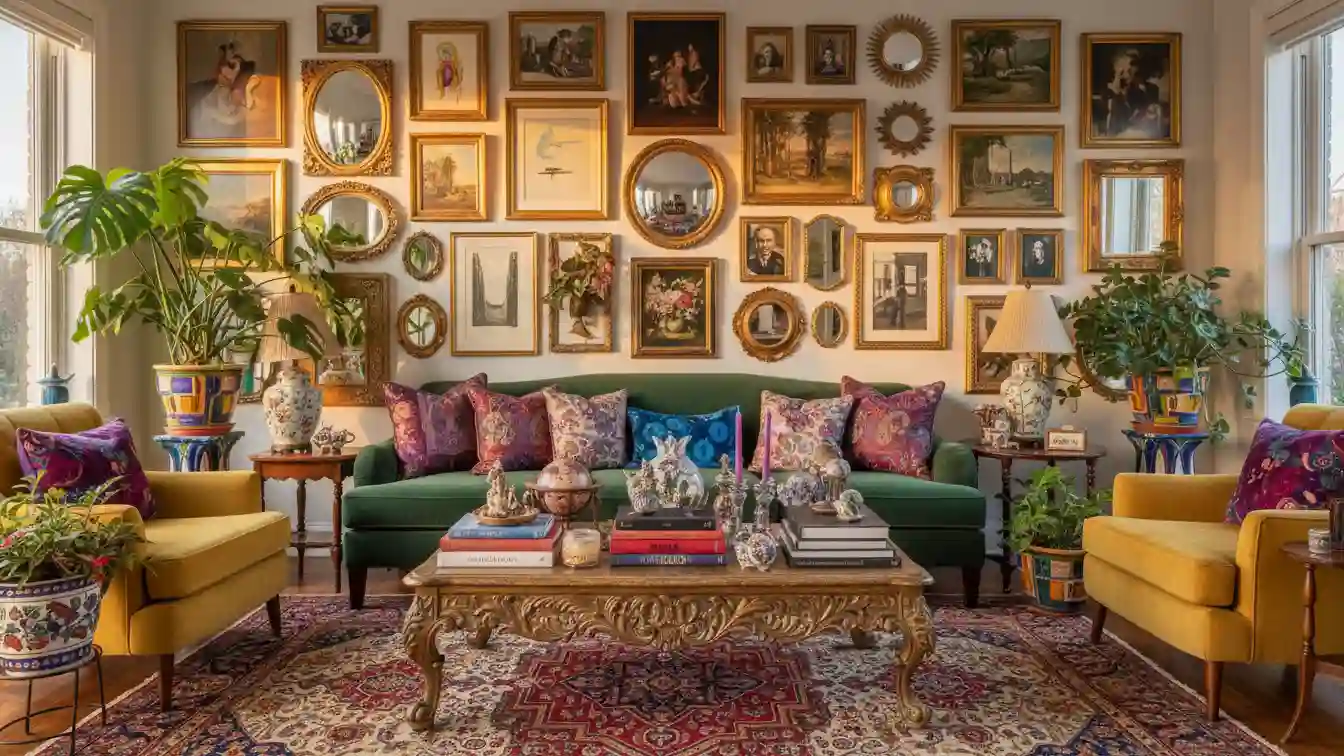
If minimalism feels like a constraint rather than freedom, you’re not alone. Maximalist living room decor ideas embrace the art of more is more, celebrating personality, color, and self-expression in ways that minimalism simply cannot. This comprehensive guide will show you how to create a stunning maximalist living room that feels curated, not chaotic.
If you’re still defining your aesthetic, these stylish living room ideas will help you see how different looks feel in a real home.
What Is Maximalist Living Room Design?
Maximalism is an intentional design philosophy that layers patterns, textures, colors, and collections to create visually rich, personality-driven spaces. Unlike cluttered rooms, maximalist living room decor ideas embrace the art of more is more through thoughtful curation and strategic placement.
The key difference? Every element serves a purpose—whether aesthetic, emotional, or functional. A maximalist space tells your story through carefully selected pieces that work together in unexpected harmony.
Key Characteristics of Maximalist Design:
- Bold, saturated color palettes with multiple hues
- Pattern mixing across textiles, wallpaper, and accessories
- Texture layering through fabrics, materials, and finishes
- Gallery walls and abundant artwork
- Personal collections displayed prominently
- Statement furniture with unique silhouettes
- Abundant decorative accessories and objets d’art
The Foundation: Color Psychology in Maximalist Spaces

Color is the backbone of maximalist living room decor ideas. Unlike minimalist spaces that rely on neutrals, maximalist rooms demand bold, confident color choices that create emotional impact.
Start with a Dominant Color Story
Begin by selecting 2-3 dominant colors that will appear throughout your space. Consider jewel tones like emerald green, sapphire blue, and ruby red for richness, or opt for warm terracotta, burnt orange, and golden yellow for inviting energy.
Pro Tip: Use the 60-30-10 rule as a starting point—60% dominant color, 30% secondary color, 10% accent color—then break this rule intentionally by adding additional layers. This creates visual interest while maintaining cohesion.
Mastering Color Combinations
Tried-and-True Maximalist Color Palettes:
- Jewel Box: Emerald + Sapphire + Amethyst + Gold accents
- Desert Sunset: Terracotta + Ochre + Burnt Sienna + Cream
- Tropical Paradise: Fuchsia + Teal + Coral + Kelly Green
- Victorian Romance: Deep Burgundy + Forest Green + Navy + Blush Pink
- Bohemian Spice: Mustard + Rust + Deep Teal + Warm Brown
Pattern Mixing: The Ultimate Maximalist Skill

Pattern mixing is where maximalist living room decor ideas truly embrace the art of more is more. The secret isn’t matching—it’s creating visual rhythm through strategic contrast and repetition.
The Three-Pattern Rule (And How to Break It)
Start with three pattern types in different scales:
- Large-scale pattern: Oversized florals on wallpaper or large area rug
- Medium-scale pattern: Geometric prints on upholstery or curtains
- Small-scale pattern: Delicate prints on throw pillows or lampshades
Once comfortable, add a fourth or fifth pattern. The key is varying the scale and maintaining a unifying color thread that appears across multiple patterns.
Pattern Categories That Work Together
Organic Patterns: Florals, botanicals, animal prints, paisley
Geometric Patterns: Stripes, chevron, hexagons, Greek key
Abstract Patterns: Watercolor effects, splatter, brushstrokes
Traditional Patterns: Damask, toile, ikat, medallion
Mix at least two different pattern categories for dynamic contrast. Pairing florals with geometrics creates more interest than combining two geometric patterns.
Texture Layering: Creating Tactile Richness

Texture transforms maximalist living room decor from visually interesting to sensorially captivating. Layering diverse materials creates depth that photography can barely capture—you need to experience it in person.
Essential Textures for Maximum Impact
- Luxe Fabrics: Velvet sofas, silk pillows, chenille throws, brocade curtains
- Natural Elements: Jute rugs, rattan furniture, wood accents, woven baskets
- Metallics: Brass side tables, copper light fixtures, gold-leafed mirrors
- Glass & Crystal: Lucite coffee tables, crystal chandeliers, glass vases
- Cozy Layers: Faux fur throws, knitted poufs, tufted ottomans, quilted fabrics
The goal is to mix smooth with rough, shiny with matte, soft with hard. This contrast makes each texture more noticeable and creates visual intrigue from every angle.
Statement Furniture That Commands Attention

In maximalist spaces, furniture isn’t background—it’s a starring role. Choose pieces with personality, unique shapes, and bold presence.
The Anchor Piece Strategy
Start with one show-stopping furniture piece: a jewel-toned velvet sofa, an intricately carved antique sideboard, or a sculptural accent chair. This becomes your anchor around which everything else orbits.
Maximalist Furniture Characteristics:
- Curved silhouettes (barrel chairs, round sofas, kidney-shaped coffee tables)
- Deep, saturated colors in luxe fabrics
- Ornate details (tufting, nailhead trim, carved wood)
- Mixed eras (Victorian chair + mid-century modern credenza)
- Unusual proportions (oversized armchairs, low-slung sofas)
Don’t match your furniture set. Maximalist living room decor ideas embrace the art of more is more by combining pieces from different periods, styles, and origins. A French bergère chair looks stunning next to a contemporary lacquered console.
Gallery Walls and Art as Focal Points

Art is non-negotiable in maximalist design. Your walls should be as layered and interesting as every other surface in the room.
Creating a Maximalist Gallery Wall
Step 1: Collect diverse pieces—oil paintings, photographs, prints, textile art, mirrors, decorative plates, even sculptural elements.
Step 2: Mix frame styles freely. Gold ornate frames next to simple black ones create the eclectic tension maximalism thrives on.
Step 3: Vary the spacing. Some pieces can touch or overlap slightly, while others have breathing room.
Step 4: Extend beyond traditional boundaries. Let your gallery wall wrap around corners, cascade down staircases, or climb to the ceiling.
Lighting Layers: The Often-Overlooked Element
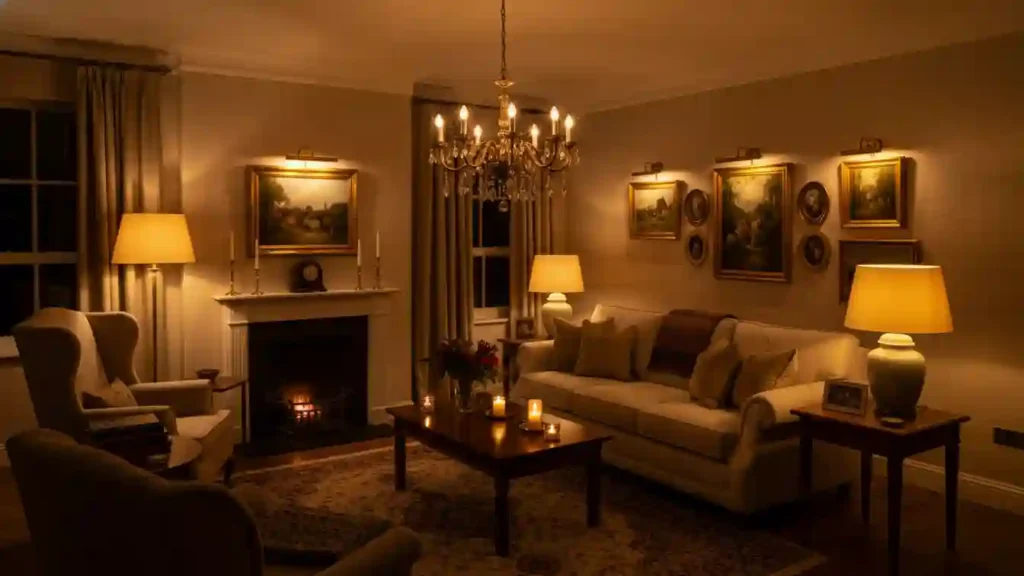
Maximalist living rooms require multiple light sources at different heights to showcase all your carefully curated elements. Poor lighting makes maximalism look cluttered rather than curated.
The Four-Layer Lighting Approach
- Ambient Lighting: Statement chandeliers, oversized pendants, or ornate ceiling fixtures
- Task Lighting: Reading lamps, desk lamps with personality, articulated floor lamps
- Accent Lighting: Picture lights, upward-facing spots on plants, LED strips under shelves
- Decorative Lighting: Candles in varied holders, string lights, illuminated art pieces
Choose lighting fixtures that are sculptural and beautiful even when unlit. A crystal chandelier, brass floor lamp with a colorful shade, or a vintage ceramic table lamp all contribute to the visual feast.
Rugs: Grounding Your Maximalist Vision

In maximalist living room decor, rugs are foundational art pieces. They anchor your color palette, introduce pattern, and define conversation areas.
The Rug Layering Technique
Layer smaller, patterned rugs over larger, neutral ones for added dimension. Try a Persian rug over natural jute, or a geometric kilim over a plush shag. This technique adds visual weight and creates defined zones within open-plan spaces.
Don’t shy away from bold patterns underfoot. A maximalist rug with intricate medallions, vibrant colors, or abstract designs can become the inspiration for your entire color scheme.
Collections and Personal Treasures
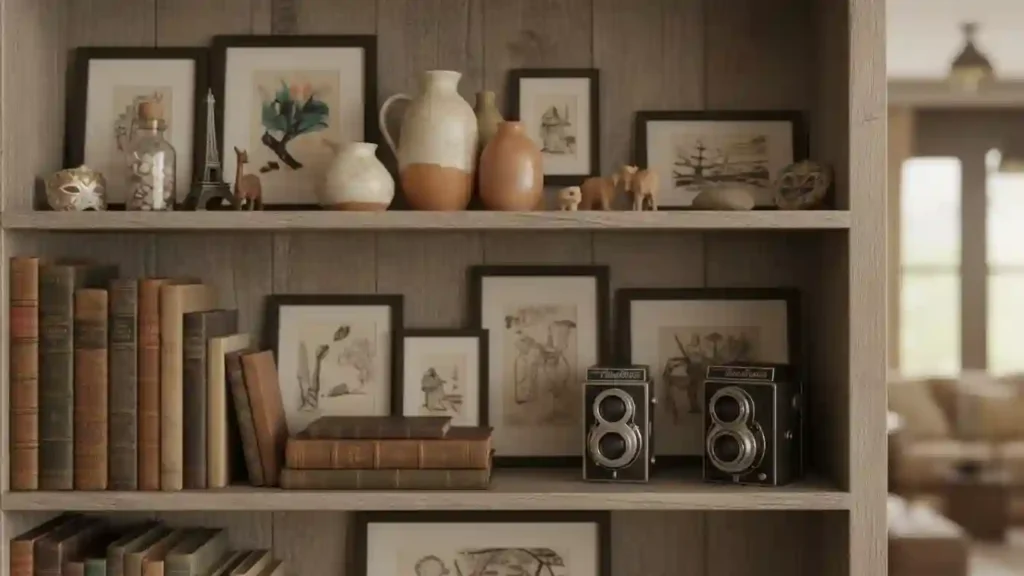
Maximalist living room decor ideas embrace the art of more is more by celebrating your collections rather than hiding them. This is where your space becomes uniquely yours.
Display Strategies That Work
- Shelf Styling: Create vignettes with books, ceramics, plants, and art objects in varied heights
- Table Displays: Coffee table stacks of oversized art books topped with decorative objects
- Cabinet Showcases: Glass-front cabinets revealing vintage glassware, figurines, or rare finds
- Wall-Mounted Collections: Plates, hats, masks, or fans arranged as sculptural installations
The key is grouping. Three or more of anything looks intentional; one looks forgotten. Cluster your vintage vases, display your book collection en masse, or create a wall of mirrors in different sizes and styles.
Bringing Life: Plants in Maximalist Spaces

Plants introduce organic shapes and living color that soften the intensity of bold patterns and rich colors. Go big or go abundant—or both.
Plant Selection for Maximum Impact
- Statement Plants: Fiddle leaf fig, monstera deliciosa, bird of paradise (large, architectural)
- Trailing Plants: Pothos, string of pearls, ivy (creates movement and softness)
- Colorful Foliage: Calathea, croton, coleus (adds pattern naturally)
- Sculptural Succulents: Large agave, dramatic cacti (adds textural contrast)
Don’t forget the planters. Choose ceramics in bold colors, woven baskets, brass stands, or vintage containers that complement your overall aesthetic.
Common Maximalist Mistakes (And How to Avoid Them)

The line between curated maximalism and cluttered chaos is real. Here’s how to stay on the right side of it.
Mistake #1: No Visual Breathing Room
The Problem: Every surface covered, every wall packed, zero negative space.
The Fix: Create small “rest stops” for the eye. Leave some wall sections less busy, keep one surface relatively clear, or use larger-scale items that don’t feel busy despite taking up space.
Mistake #2: Forgetting About Flow
The Problem: Furniture placement that blocks pathways or creates awkward navigation.
The Fix: Despite the abundance, maintain clear walkways and conversational groupings. Your space should feel full but never cramped or difficult to move through.
Mistake #3: No Color Cohesion
The Problem: Using every color without any connecting thread, creating discord rather than harmony.
The Fix: Choose a core color palette (5-7 colors) and use variations of those tones throughout. This creates visual connection even among disparate elements.
Mistake #4: Fast Fashion Approach
The Problem: Buying everything at once from the same store, resulting in a “catalog” look.
The Fix: Build your maximalist living room over time. Mix vintage finds, family heirlooms, travel treasures, and new pieces. The curated, collected-over-time look is essential to authentic maximalism.
Maximalism on a Budget: Strategic Splurging

Creating a maximalist living room doesn’t require unlimited funds. It requires strategic investment and creative resourcefulness.
Where to Splurge
- Your anchor furniture piece (sofa, statement chair)
- High-quality area rug that grounds the space
- Statement lighting fixture
- One large piece of art
Where to Save
- Decorative pillows and throws (easy to DIY or find affordable versions)
- Gallery wall art (mix in prints, posters, and personal photos)
- Accessories and styling objects (thrift stores are goldmines)
- Side tables and smaller furniture (vintage scores or repainted finds)
Budget Maximalist Pro Tip: Thrift stores, estate sales, and online marketplaces are maximalist treasure troves. One unique vintage find often has more character than ten new mass-produced pieces.
Room-by-Room Maximalist Approach
While this guide focuses on living rooms, understanding how maximalist living room decor ideas embrace the art of more is more can extend throughout your home.
Connecting Spaces
If your living room flows into other areas, create visual threads. Repeat key colors, carry pattern themes, or extend your gallery wall into adjacent spaces. This creates cohesion while allowing each room its own personality.
Seasonal Maximalism: Keeping It Fresh
One advantage of maximalist decor is the ease of seasonal updates. With so many layers, switching out a few elements creates entirely new moods without starting from scratch.
- Spring/Summer: Swap in lighter throws, botanical prints, fresh florals, brighter accent colors
- Fall/Winter: Add velvet pillows, jewel tones, metallic accents, heavier textures
Finding Your Personal Maximalist Style

The beauty of maximalist living room decor ideas is that they embrace the art of more is more in ways unique to you. There’s no single “right” way to be maximalist.
Maximalist Substyles to Explore
Bohemian Maximalism: Layered textiles, global influences, warm earth tones, vintage finds, plants everywhere
Glam Maximalism: Luxe fabrics, metallics, crystal chandeliers, jewel tones, Hollywood Regency influences
Eclectic Maximalism: Mixed periods and styles, unexpected combinations, bold art, conversation-starting pieces
Modern Maximalism: Contemporary furniture with bold colors, graphic patterns, sleek shapes with maximal styling
Final Thoughts: Trusting Your Maximalist Instincts
Maximalist living room decor ideas embrace the art of more is more, but that “more” should always feel intentional, personal, and joyful. The goal isn’t to stuff your space with objects—it’s to surround yourself with things that spark delight, tell stories, and create an environment that feels authentically you.
Start with one bold choice—a colorful sofa, a patterned wallpaper, a gallery wall—and build from there. Trust your instincts about what brings you joy. If you love it, there’s a place for it in your maximalist vision.
Remember: maximalism is about abundance, yes, but curated abundance. Every pattern, color, and object should earn its place. When you achieve that balance, you’ll have a living room that’s not just decorated—it’s an expression of who you are.
Frequently Asked Questions
How do I start with maximalist decor if I’m overwhelmed?
Begin with one focal point—a bold piece of furniture or dramatic wallpaper. Build your maximalist living room gradually around that anchor piece, adding layers over time rather than all at once.
Can a small living room be maximalist?
Absolutely! Scale is key. Use smaller patterns, vertical space for displays, and mirrors to reflect light and create depth. Small maximalist rooms can feel cozy rather than cramped when thoughtfully designed.
How do I keep maximalism from looking cluttered?
Maintain a cohesive color palette, vary heights and scales, and create intentional groupings. Leave some breathing room and ensure furniture placement allows for easy movement. Curation, not accumulation, is key.
What’s the difference between maximalism and being messy?
Maximalism is intentional and curated—every piece has a purpose and contributes to the overall design. Messiness lacks intention and organization. The difference is in the thoughtful arrangement and cohesive color/style threads.
How many colors should I use in a maximalist living room?
Start with 5-7 core colors and use variations and shades of those throughout. This creates harmony despite the abundance. You can always add more accent colors sparingly.