How Often Should You Get Your Hair Highlighted? The Real Answer (From Someone Who’s Been There)
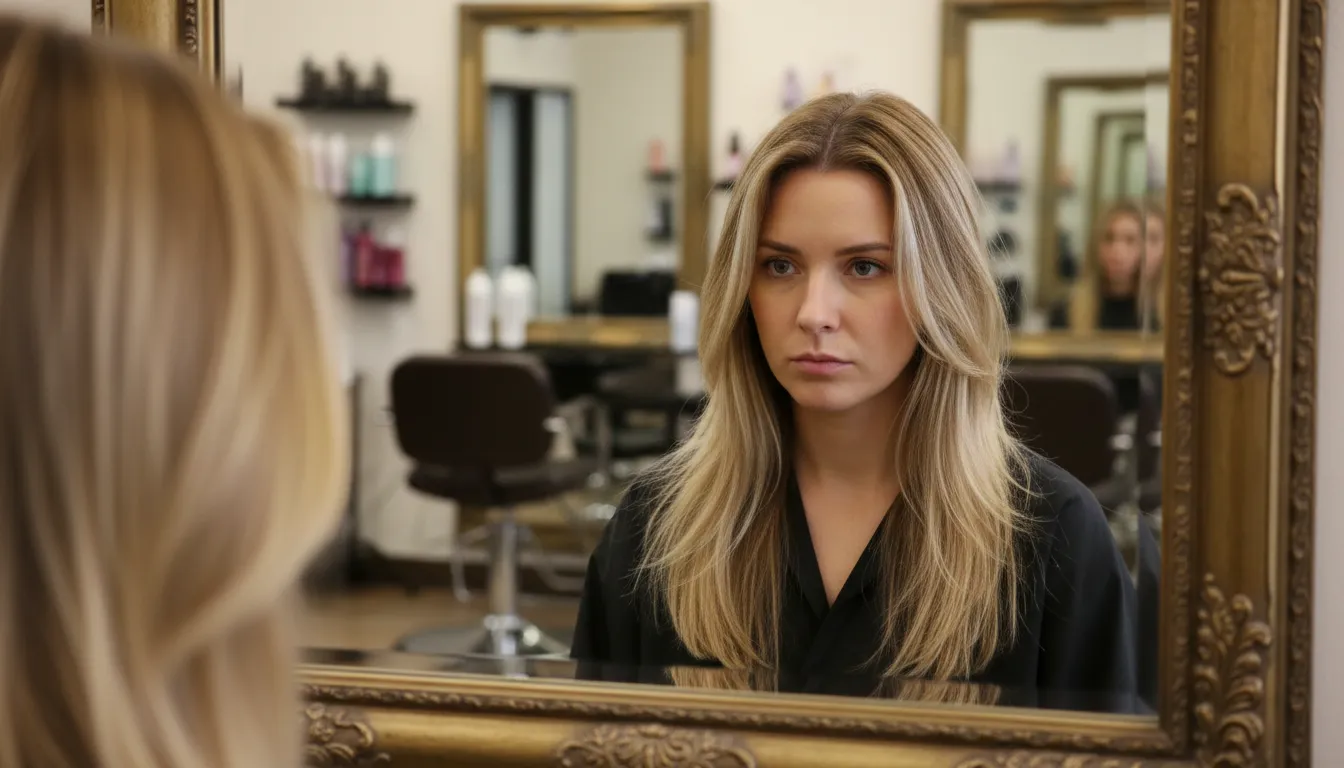
Picture this: You’re sitting at your desk, and you catch your reflection in your phone screen. Those gorgeous highlights you got a while back? They’re looking a little… questionable. The roots are showing, there’s some brassiness happening, and you’re wondering if you’ve officially crossed into skunk territory.
I’ve been there. Trust me.
As someone who’s been getting hair highlighted for over fifteen years (and yes, I’ve made every mistake in the book), I’ve finally cracked the code on highlight maintenance. And spoiler alert—it’s not as simple as “every six weeks” like some articles claim.
Here’s the thing: the answer to “how often should you get your hair highlighted” depends on way more factors than you’d think. Your hair growth rate, the type of highlights you have, your natural color, your budget, and even your lifestyle all play a role.
In my experience, understanding these factors has saved me thousands of dollars and countless bad hair days. I’ve gone from being that girl with obvious roots and fried ends to someone who actually knows how to work with my hair’s natural rhythm.
What I love about modern highlighting techniques is that we’ve moved past the one-size-fits-all approach. Whether you’re rocking balayage, traditional foil highlights, or going full platinum blonde, there’s a maintenance schedule that’ll work for your life.
Ready to figure out your perfect highlight schedule? Let’s break down everything I’ve learned so you can keep your highlighted hair looking fresh without living at the salon.
Understanding Different Types of Highlights (And Why It Matters)
Before we dive into timing, you need to understand what kind of highlights you have. Because honestly? This makes all the difference in how often you get your hair highlighted.
Traditional Foil Highlights
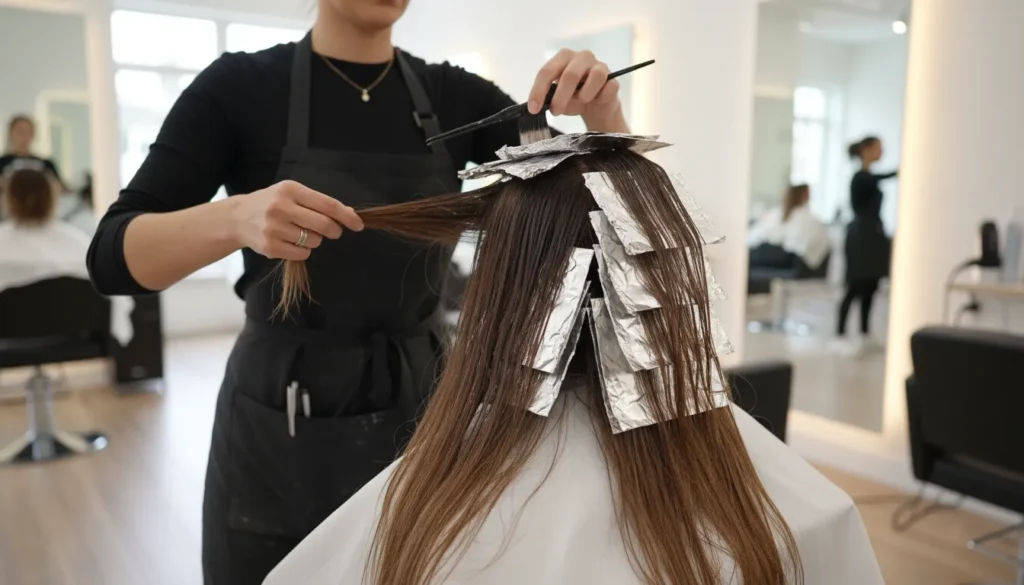
These are the classic highlights where your stylist wraps sections of hair in foil and applies lightener. The result is pretty dramatic contrast between your natural color and the highlighted sections.
In my experience with foil highlights, the regrowth is super obvious because there’s a clear line of demarcation. When I had these, I couldn’t push past eight weeks without looking like I’d given up on life. The contrast between my dark brown roots and blonde highlights was just too stark.
Balayage Highlights

Now here’s where it gets interesting. Balayage is a freehand painting technique that creates softer, more natural-looking highlights. The colorist literally paints the lightener onto your hair, focusing on where the sun would naturally lighten it.
What I love about balayage highlights is how forgiving they are with regrowth. Because the application is more diffused and natural, you can stretch your appointments way longer. I went from needing touchups every six weeks with foil highlights to every twelve weeks with balayage. Game changer.
Partial vs. Full Highlights

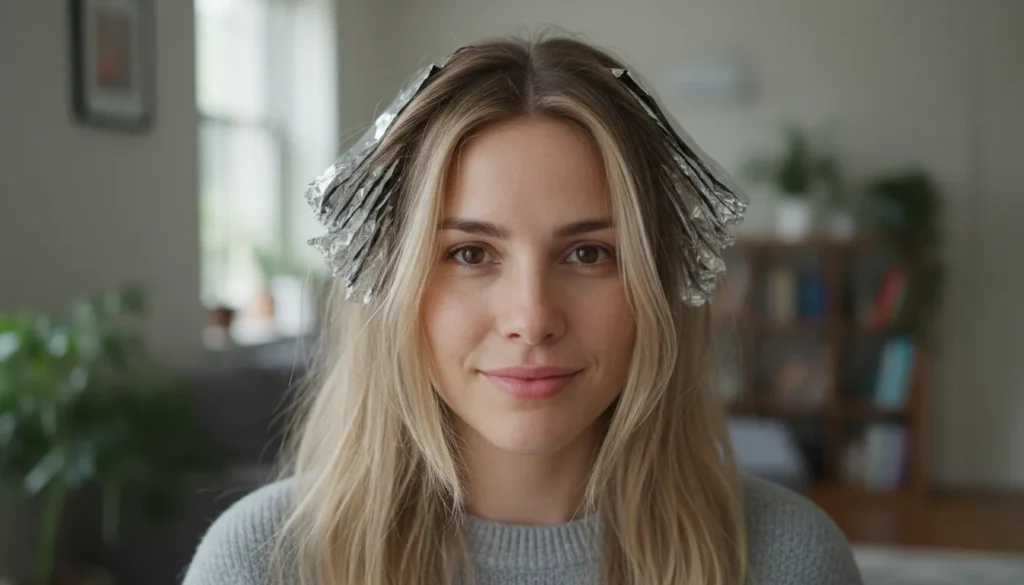
Partial highlights focus on the top sections of your hair—think around your face, your part, and the crown. Full highlights cover your entire head. The difference in maintenance is significant.
With partial highlights, you’re looking at touchups every 6-8 weeks because that regrowth around your face is super noticeable. Full highlights give you more wiggle room—usually 8-12 weeks—because the regrowth blends better overall.
All-Over Blonde
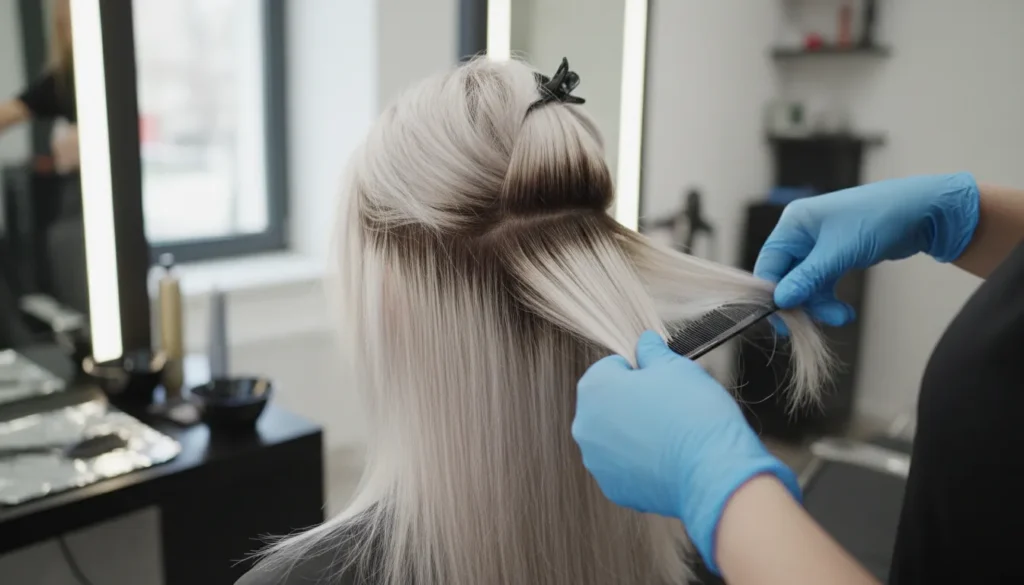
Let’s talk about the highest maintenance situation: all-over platinum or bleached blonde. This isn’t technically highlights anymore—it’s a full color service. And it’s brutal on your schedule and wallet.
If you’ve gone full blonde, you’re looking at touchups every 4-6 weeks maximum. I watched my friend go through this for a year, and the maintenance was intense. Any longer than a month and those dark roots peeked through like nobody’s business.
How Often Should You Get Your Hair Highlighted? The Real Timeline
Alright, let’s get into the actual numbers. But remember—these are guidelines, not rules. Your mileage may vary, and that’s totally normal.
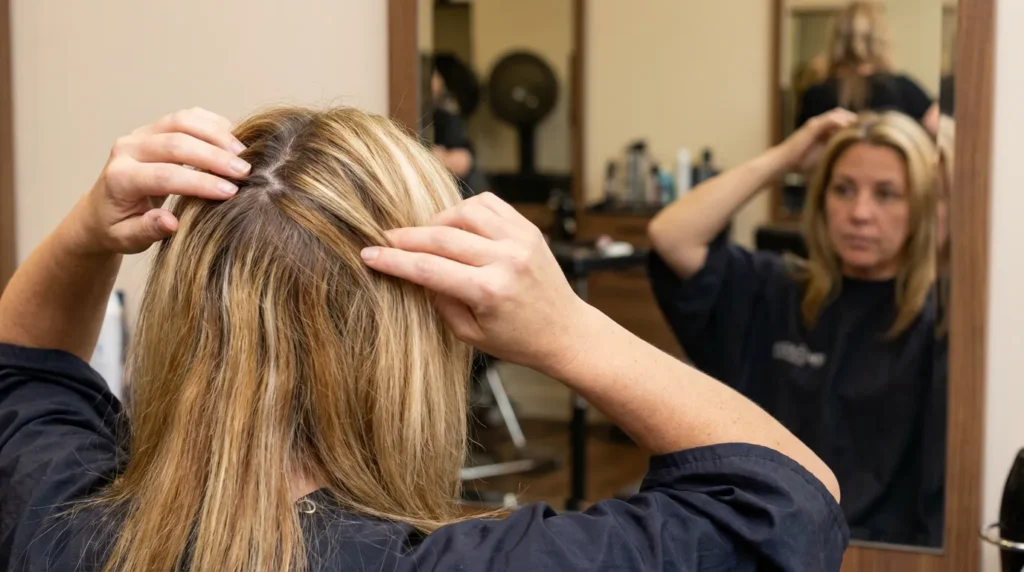
For Partial Highlights: Every 6-8 Weeks
Partial highlights need the most frequent attention because they frame your face. That regrowth line around your hairline and part? It’s the first thing people notice.
I used to stretch my partial highlights to ten or twelve weeks to save money, and let me tell you—it wasn’t worth it. The harsh line of demarcation made me look like I’d forgotten about my hair entirely. Now I stick religiously to seven weeks, and it makes all the difference.
You might be wondering why such a specific timeframe. It’s because most people’s hair grows about half an inch per month. By week six or seven, you’ve got almost an inch of regrowth showing. With partial highlights concentrated up front, that inch is really obvious.
For Full Highlights: Every 8-12 Weeks
Full highlights give you more breathing room because the highlighted sections are distributed all over your head. The regrowth blends more naturally, especially if your highlights are well-placed.
In my experience, ten weeks is the sweet spot for full highlights. It’s long enough to get your money’s worth but not so long that you start looking unkempt. However, this timeline depends heavily on how dark your natural hair is.
If you’re naturally dark brown or black, you’ll want to lean toward the eight-week mark. The contrast with blonde highlights is more obvious. If you’re a natural light brown or dirty blonde, you can easily push to twelve weeks.
For Balayage: Every 10-16 Weeks
Here’s where balayage highlights really shine. Because the technique creates such a natural, lived-in look, you can stretch those appointments significantly.
What I love about balayage is that it’s designed to grow out beautifully. The hand-painted application means there’s no harsh line—just a gradual transition from your roots to your highlighted ends. I comfortably go twelve to fourteen weeks between balayage appointments, and sometimes I’ll push it to sixteen if I’m busy.
The key with balayage is getting a root smudge or shadow root at your appointments. This technique blends your natural roots with the highlights, creating an even softer transition. It’s a game-changer for extending your time between salon visits.
For All-Over Blonde: Every 4-6 Weeks
If you’re committed to that platinum blonde look, buckle up. All-over blonde requires serious dedication to maintenance.
My friend Sarah rocked this look for about eighteen months, and she was at the salon every four weeks like clockwork. Any longer and those roots would show up in every photo, every Zoom call, every mirror. It’s not subtle.
The reason for such frequent touchups isn’t just aesthetics—it’s also about hair health. You need to avoid overlapping the bleach on already-lightened hair, which means precise application on just the new growth. That requires regular appointments.
Factors That Actually Affect How Often You Get Your Hair Highlighted
Now here’s where it gets interesting. Those timelines I just gave you? They’re starting points. Your actual highlight schedule depends on several personal factors.
Your Hair Growth Rate
Not all hair grows at the same speed. Some people’s hair grows like weeds (that’s me), while others have slower growth. This biological factor makes a huge difference in how often you should get your hair highlighted.
In my experience, my hair grows about three-quarters of an inch per month, which is faster than average. This means I need to stick to the shorter end of every timeframe. If you have slower-growing hair, you can stretch those appointments longer without issues.
You might be wondering how to tell your growth rate. Easy—measure your roots. If you’ve got more than an inch of regrowth after six weeks, you’re a fast grower. Less than half an inch? Slow grower. This simple test tells you whether to aim for the shorter or longer end of the recommended windows.
Your Natural Hair Color vs. Highlight Color
The contrast between your natural hair and your highlights dramatically affects visibility of regrowth. It’s basic color theory—the more contrast, the more obvious the grow-out.
When I went from dark brown to platinum blonde highlights, I couldn’t go longer than six weeks without looking ridiculous. But when I switched to a more natural-looking light brown balayage with subtle blonde pieces, I could easily stretch to twelve weeks.
Think about it this way: if you’re a brunette with blonde highlights, every millimeter of regrowth shows. If you’re a blonde with slightly lighter highlights, the transition is almost invisible.
Hair Condition and Health
Here’s something people don’t talk about enough: sometimes you need to skip or postpone highlight appointments because your hair needs a break.
Highlighting is controlled damage. You’re using chemicals to strip color from your hair shaft. If you notice excessive dryness, breakage, or brittleness, that’s your hair telling you to slow down.
I learned this the hard way when I was obsessed with being platinum blonde. My colorist warned me that highlighting every four weeks was too much for my hair, but I didn’t listen. Within six months, my ends were completely fried. I had to cut off four inches and give my hair a three-month break from any highlighting.
Now I pay close attention to my hair’s condition. If it feels straw-like or breaks easily, I’ll stretch my appointment an extra two weeks and do intensive conditioning treatments instead.
Your Lifestyle and Environment
Your daily habits affect how often you should get your hair highlighted more than you’d think. Things like how often you wash your hair, your styling routine, sun exposure, and even your water quality all impact highlight longevity.
If you wash your hair every day with hot water, your highlights will fade faster and you’ll need more frequent toning appointments. Chlorine from swimming pools? That’ll turn blonde highlights green. Hard water can cause brassiness.
What I’ve learned is that protecting your highlighted hair between appointments extends your time at the salon. I wash my hair twice a week max, use lukewarm water, and always apply a heat protectant before styling. These habits mean my highlights stay fresher longer.
Your Budget Reality
Let’s be honest—highlighting is expensive. Full highlights can run anywhere from $150 to $400+ depending on where you live and your salon. That adds up fast if you’re going every six weeks.
In my experience, being realistic about your budget is crucial to choosing the right highlighting technique and maintenance schedule. If you can’t afford full highlights every eight weeks, maybe balayage every twelve weeks is a better choice. Or partial highlights instead of full highlights.
There’s no shame in choosing a lower-maintenance option because of cost. I’d rather have healthy, well-maintained balayage every three months than damaged, poorly maintained highlights on a stressful schedule I can’t afford.
Smart Strategies to Extend Your Highlights (Without Looking Like a Mess)
Now here’s where it gets interesting. Even with regular appointments, sometimes life happens. Maybe you’re traveling, maybe money’s tight, or maybe you just want to see if you can stretch it a bit longer.
I’ve learned some savvy tricks for extending highlights between salon visits. These aren’t permanent solutions, but they’ll buy you extra time when you need it.
Root Touch-Up Products Are Your Friend
Root cover-up sprays and powders have come a long way in recent years. These temporary products deposit color on your regrowth to blend it with your highlights.
My go-to is a root concealing spray that matches my natural color. A quick spritz along my part and hairline makes my regrowth way less obvious. It washes out completely, so there’s no commitment, but it can easily buy me an extra week or two between appointments.
What I love about these products is how quick they are. Literally thirty seconds in the morning and my roots are camouflaged. They also add a bit of volume at the roots, which is a nice bonus.
Purple Shampoo for Blonde Highlights
If you have blonde highlights, purple shampoo is non-negotiable. The violet pigments neutralize the warm, brassy tones that develop as highlights age.
I use purple shampoo once a week religiously. It keeps my highlights looking fresh and cool-toned between appointments. Without it, my highlights would turn yellow and dull within two weeks of leaving the salon.
The key is not overdoing it—too much purple shampoo can leave your hair with a purple tint. I learned that lesson when I used it three times in one week and ended up with lavender hair. Once or twice weekly is plenty for most people.
Get Strategic with Toners and Glosses
Toner treatments are way cheaper than full highlight touchups, and they can dramatically refresh your look. A toner or gloss service deposits translucent color to brighten highlights and blend regrowth.
In my experience, getting a toner at the midpoint between highlight appointments is a smart move. It’s usually $50-75 versus $200+ for full highlights, and it makes your existing highlights look fresh again.
I’ll get highlights at week zero, a toner at week six, then back to highlights at week twelve. This schedule keeps my hair looking consistently good without over-processing it.
Try a Root Smudge or Shadow Root
Root smudging is a technique where your colorist applies a color closer to your natural shade at the roots, then blends it into your highlights. This creates a softer transition that grows out more gracefully.
What I love about shadow roots is how much they extend the time between appointments. Instead of a harsh line where my natural color meets the highlights, there’s a gradual fade. This technique alone added three to four weeks to my maintenance schedule.
Ask your colorist about adding a root smudge at your next appointment. It’s usually included or adds minimal cost, but the payoff in extended wear is huge.
Embrace the Lived-In Look
Here’s a mindset shift that changed everything for me: stop thinking of visible roots as a bad thing. The “lived-in” hair color trend has made intentional regrowth totally acceptable—even desirable.
Balayage and modern highlighting techniques are specifically designed to grow out beautifully. That shadow at your roots adds depth and dimension. It looks natural and effortless, which is exactly what modern hair trends are all about.
You might be wondering if this works in professional settings. In my experience, absolutely. As long as your hair looks healthy and styled, a bit of root showing reads as chic and intentional, not neglected.
Common Highlight Mistakes That’ll Cost You Time and Money
Let me save you from the mistakes I made over the years. These are the biggest highlighting pitfalls that mess up your maintenance schedule and damage your hair.
Waiting Too Long Between Appointments
I know it’s tempting to stretch appointments to save money, but waiting too long actually costs more in the long run. Here’s why: when you let highlights grow out excessively, your colorist needs to do more work to correct the color difference.
In my experience, going four months between highlight appointments that should happen every two months means my colorist has to apply highlights farther down the hair shaft to blend everything. This overlaps previously highlighted hair, causing damage and color inconsistency.
It’s better to stay on schedule and maintain healthy hair than to save $200 but end up with $300 of damage to correct.
Going Too Light Too Fast
This was my biggest mistake when I first started getting highlights. I wanted to go from dark brown to platinum blonde in one session. My colorist tried to warn me, but I insisted.
The result? Fried, orange-toned hair that broke off in chunks. We ended up having to do a series of four highlighting sessions spaced three months apart to safely get me to blonde. If I’d listened and taken the gradual approach from the start, my hair would’ve been healthier and I would’ve saved money on all those corrective treatments.
The lesson: trust your colorist when they recommend a gradual approach. Your hair will thank you.
Ignoring Hair Health for Highlight Timing
There were times when my scheduled highlight appointment rolled around, but my hair was clearly not ready for more chemical processing. It felt dry, looked dull, and broke easily.
What I’ve learned is that sticking rigidly to a schedule when your hair needs a break is counterproductive. Sometimes you need to postpone your appointment and focus on deep conditioning treatments and trims to get your hair back to a healthy state.
Now I assess my hair’s condition before every appointment. If it’s not in good shape, I’ll reschedule and spend that time doing intensive repair treatments instead.
Choosing the Wrong Highlight Type for Your Lifestyle
This is huge. If you can’t commit to highlight maintenance every six to eight weeks, don’t get partial highlights or all-over blonde. It’s that simple.
I learned this when I got foil highlights knowing full well I was about to have a busy work season with lots of travel. Within two months, I looked terrible because I couldn’t get to the salon, and I was stressed about it constantly.
Now I match my highlighting technique to my current life situation. Busy season at work? Balayage it is. Slower period with more time? I might splurge on full highlights or try something higher-maintenance.
Skipping the Consultation
Never, and I mean never, skip the consultation with your colorist. This is where you discuss your natural color, desired look, maintenance commitment, and budget to determine the best highlighting approach.
In my experience, the consultation is where good colorists earn their money. They’ll recommend techniques and maintenance schedules that actually fit your life. When I finally started having thorough consultations, my highlight satisfaction went way up.
A Quick Reference Guide for Your Highlight Schedule
Let me break this down into an easy-to-reference table so you can figure out your ideal highlight timeline at a glance:
| Highlight Type | Frequency | Best For | Maintenance Level |
|---|---|---|---|
| Partial Foil Highlights | 6-8 weeks | Face-framing brightness | High – requires frequent touchups |
| Full Foil Highlights | 8-12 weeks | All-over dimension | Medium – regular but manageable |
| Balayage Highlights | 10-16 weeks | Natural, lived-in look | Low – grows out beautifully |
| Shadow Root + Highlights | 12-16 weeks | Minimal maintenance | Very Low – intentional roots |
| All-Over Blonde | 4-6 weeks | Platinum, uniform color | Very High – constant upkeep |
| Color Melt/Ombre | 12-20 weeks | Dramatic transition | Very Low – designed for grow-out |
This table has saved me so much confusion over the years. I keep it on my phone and reference it when I’m trying to decide which highlighting technique to try next.
When to Skip Your Highlight Appointment (Yes, Really)
Here’s something most beauty articles won’t tell you: sometimes you should skip or postpone your highlight appointment, even if it’s “time” according to your schedule.
Signs Your Hair Needs a Break
If your hair is breaking easily, feels like straw, or has visible split ends throughout, it needs a rest from chemical processing. Period.
I’ve been there—standing in front of the mirror with hair that literally snaps when I brush it, but my highlight appointment is in two days. In the past, I would’ve gone anyway. Now? I reschedule and focus on repair.
What I do instead: deep conditioning treatments twice a week, a protein treatment if needed, a good trim to remove damaged ends, and a month off from any chemical services. When I come back, my hair actually holds the highlights better and stays healthier.
Financial Priorities Shift
Let’s be real—life happens. Sometimes the money you budgeted for highlights needs to go toward a car repair or medical bill or any number of unexpected expenses.
There’s absolutely no shame in pushing your appointment when finances are tight. Use those root cover-up products, embrace the lived-in look, and get back on schedule when you can. Your hair isn’t going anywhere, and the right colorist will understand.
Major Life Changes
Moving, changing jobs, having a baby, dealing with stress—these situations might mean your highlight schedule needs to take a backseat temporarily.
In my experience, trying to maintain high-maintenance highlights during chaotic life periods adds unnecessary stress. It’s okay to switch to a lower-maintenance style or take a break entirely. You can always resume your preferred highlight schedule when life settles down.
Final Thoughts: Finding Your Perfect Highlight Rhythm
After fifteen-plus years of getting my hair highlighted, here’s what I’ve learned: how often you should get your hair highlighted is deeply personal.
The “rules” are just guidelines. Your perfect schedule depends on your hair growth, your natural color, the type of highlights you choose, your lifestyle, and honestly—what makes you feel good.
What I love about modern highlighting techniques is the flexibility. You’re not locked into harsh, high-maintenance schedules anymore. Balayage, shadow roots, and other techniques let you customize your maintenance to fit your actual life.
My advice? Start with the recommended timelines in this article, then pay attention to your hair. Notice when the regrowth starts bothering you. Notice when your hair feels damaged. Notice when your highlights start looking brassy or dull. Your hair will tell you what it needs if you listen.
And here’s something nobody tells you: your highlight schedule will change over time. What worked in your twenties might not work in your forties. What works during a slow work season might not work when you’re traveling constantly. That’s totally normal.
The key is staying flexible, working with a colorist you trust, and being honest about what you can maintain. Highlights should make you feel amazing, not stressed about timing or worried about damage.
Now you’ve got all the information to figure out your perfect highlight schedule. Whether you’re going for subtle balayage, dramatic foil highlights, or anything in between, you know exactly how often to book those appointments.
Go forth and rock those highlights—on your own schedule.