17 Hairstyles for Damaged Hair That’ll Save Your Strands
Let’s just say it—if you’ve ever fried your hair with bleach, torched it with a flat iron, or wondered if you accidentally shampooed with actual gasoline, you’re in the right place.
I’ve been there. Multiple times. And I’ve learned that hairstyles for damaged hair aren’t about hiding in shame—they’re about working with what you’ve got while your hair recovers from whatever crime against follicles you (or your stylist) committed.
The truth is, damaged hair hairstyles can actually look amazing when you know the tricks. You don’t need perfect, commercial-worthy hair to look put-together. You just need the right styles that protect your strands while they heal.
Whether your hair is fried from bleach, crispy from heat tools, or just generally sad and brittle, these hairstyles for damaged hair will help you look fabulous while you’re on the road to recovery.
What Actually Causes Hair Damage (Beyond the Obvious)
Before we dive into hairstyles for damaged hair, let’s talk about why your hair is damaged in the first place. Understanding the enemy is half the battle.
Heat styling is the obvious culprit. Curling irons, straighteners, and blow dryers can strip your hair of natural moisture faster than you can say “keratin treatment.” Every time you apply high heat without protection, you’re literally cooking your hair protein.
Chemical treatments like coloring, bleaching, perming, or relaxing weaken the hair structure. They break down the bonds that keep your hair strong, leaving it vulnerable and prone to breakage. This is especially true if you’re doing multiple processes or going really light with bleach.
But here’s what people don’t talk about enough: environmental damage is real. Sun exposure, wind, chlorine, salt water, and even pollution can take a serious toll on your hair’s health over time.
And then there’s mechanical damage—tight hairstyles, rough brushing, sleeping on cotton pillowcases, and even towel-drying too aggressively. All of these seemingly innocent habits add up to seriously stressed strands.
The good news? Once you identify what’s damaging your hair, you can start protecting it with the right hairstyles for damaged hair while it heals.
How the Right Hairstyle Actually Protects Damaged Hair
Here’s something most people don’t realize: choosing the right hairstyles for damaged hair isn’t just about aesthetics. It’s literally a protective measure that can prevent further damage and help your hair recover.
When you constantly heat style or pull your hair into tight ponytails, you’re making existing damage worse. But switching to gentle, low-tension damaged hair hairstyles gives your strands a fighting chance to heal while still looking intentional and styled.
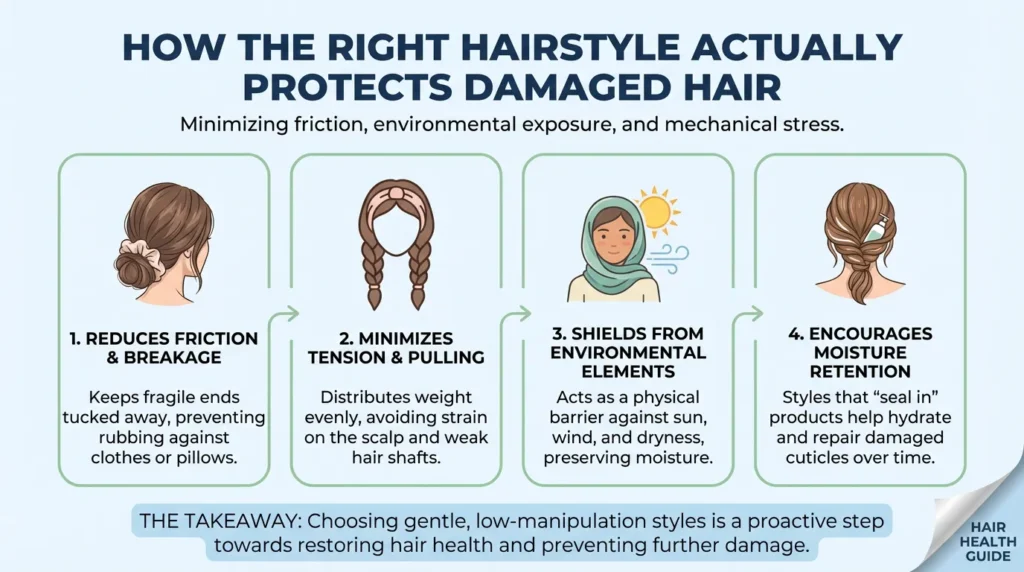
Experts agree that styling damaged hair incorrectly can create a vicious cycle of worsening breakage. The solution is to break that cycle with protective styles that reduce friction, minimize manipulation, and avoid heat.
Think of it this way: hairstyles for damaged hair are like putting your hair in recovery mode. Loose buns, gentle braids, and natural texture styles reduce stress on already-weakened strands, allowing them to rebuild strength over time.
The key is choosing styles that look polished and cute but don’t require pulling, heating, or excessive product. It’s entirely possible to look amazing while your hair heals—you just need to be strategic about it.
17 Hairstyles for Damaged Hair That Actually Work
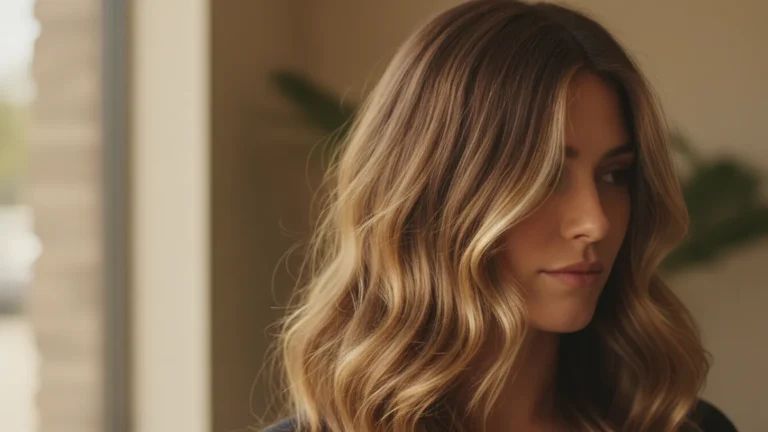
1. Shoulder-Length Layers (The Fresh Start)
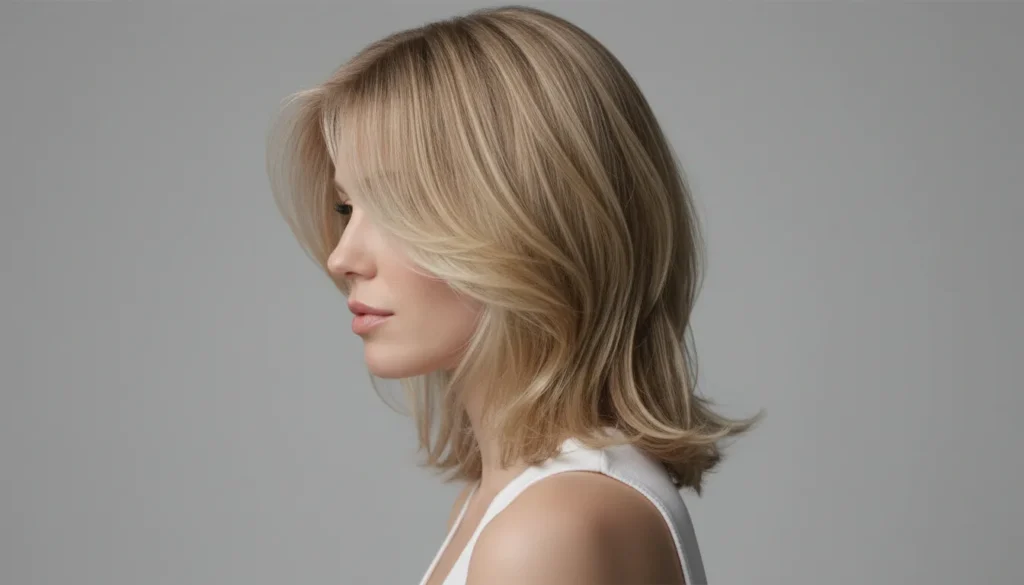
Sometimes the best thing you can do for seriously damaged hair is cut off the worst of it. Shoulder-length layers eliminate those crispy, split ends while still giving you enough length to style.
The beauty of this hairstyle for damaged hair is how effortless it looks. The layers add movement and make your hair appear fuller, which is crucial when damage has thinned out your ends.
You can air-dry this style and it still looks polished. No heat tools required, which means no additional damage. Just add a leave-in conditioner and you’re good to go.
2. The Pixie Cut (Ultimate Damage Reset)

If your hair is really fried, sometimes the only answer is to chop it all off and start fresh. A pixie cut eliminates all damaged sections in one bold move.
This is honestly one of the most liberating hairstyles for damaged hair because it instantly makes your hair look healthier and fuller. You’re removing all the thin, broken length and keeping only the strong, healthy hair near your scalp.
Plus, styling a pixie is incredibly low-maintenance. You can finally ditch the heat tools and let your new healthy hair grow without constant damage.
3. Deep Side Part (The Instant Volume Trick)
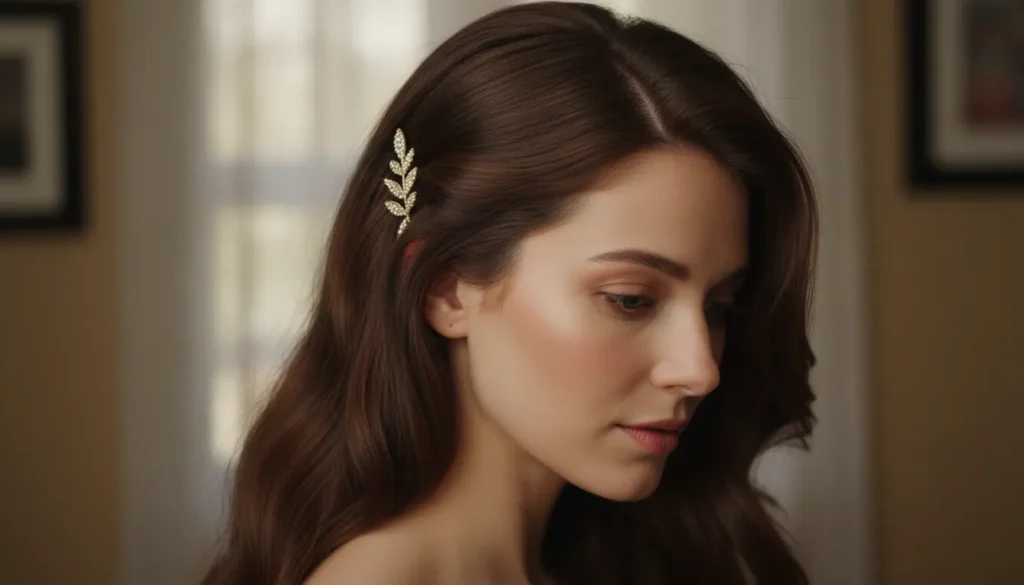
You might be wondering how a simple part change counts as a protective style—but hear me out. A deep side part creates instant root lift, which makes thin, damaged ends less noticeable.
This damaged hair hairstyle requires literally zero heat and takes two seconds to achieve. Just change where you part your hair and boom—instant volume and a different look.
The trick is tucking one side behind your ear with a clip or bobby pin. This keeps damaged front layers from looking stringy while adding visual interest.
4. Messy Top Knot (Damage-Free Chic)

When you need to get your damaged hair completely off your neck and face, a high messy bun is your friend. The key word here is “messy”—you’re not pulling it tight.
This hairstyle for damaged hair protects your strands from sun, wind, and friction all day. Your hair is safely tucked away where it can’t rub against clothes or get tangled.
The slightly undone texture is actually strategic. It means you’re not stressing your roots with excessive pulling, which prevents breakage at the scalp where your hair is healthiest.
Pro tip: Use a fabric scrunchie instead of thin elastic bands. Regular hair ties can cause additional breakage, especially on already-weakened hair.
5. Baseball Cap Style (The Ultimate Hide)

Let’s be real—sometimes your damaged hair needs a day off from being looked at. A baseball cap is the lazy girl’s protective style, and I mean that in the best way.
This hides damage, texture issues, and greasy roots without requiring any heat tools or products. Pull a few front pieces out to frame your face, and it looks intentional rather than like you’re hiding something (even though you totally are).
As a bonus, wearing a hat on sunny days actually protects your vulnerable strands from UV damage. It’s fashion and function in one move.
6. Low Relaxed Bun (Classic and Gentle)

A low bun is one of the gentlest hairstyles for damaged hair because it doesn’t pull on your scalp the way high ponytails do. It’s sophisticated and works for literally any occasion.
The loose, relaxed version is key. You’re not slicking your hair back with gel or pulling it tight. You’re just gathering it gently at the nape of your neck and securing it with soft bobby pins or a fabric tie.
This style gives your hair a break from brushing and manipulation while keeping damaged ends tucked away safely. It’s damage control that looks intentional and polished.
7. Sleek Low Ponytail (Professional Polish)
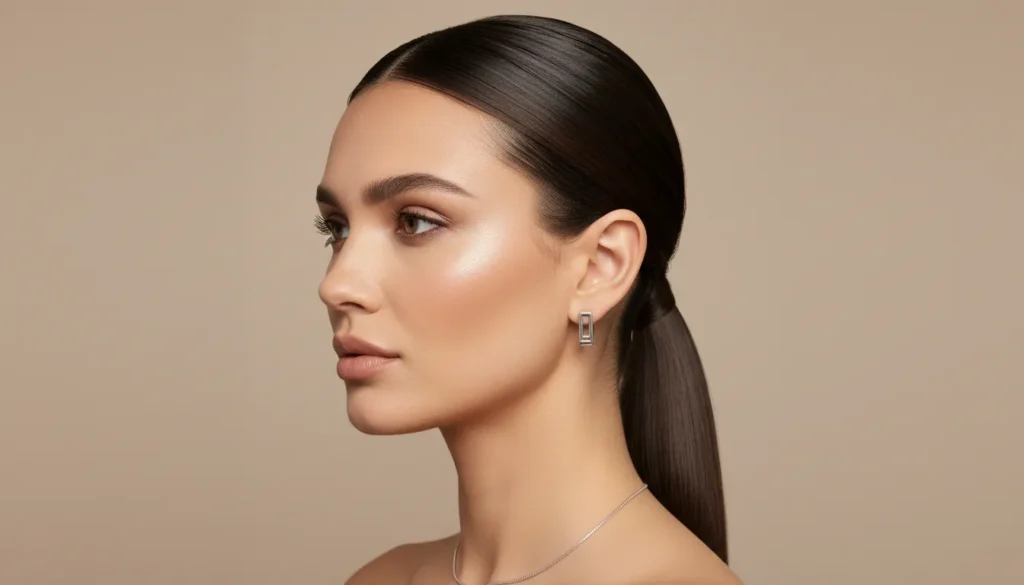
When you need to look put-together for work or important events, a sleek low ponytail hides damaged ends while maintaining a professional vibe.
The trick to making this a protective hairstyle for damaged hair is using a smoothing serum instead of heat to slick it back. You want smooth, not fried, so skip the flat iron and use product instead.
Keep the ponytail itself loose rather than tight. You’re going for contained and polished, not a facelift-level of tension that’ll stress your already-fragile strands.
8. Headband Magic (Frizz Disguiser)
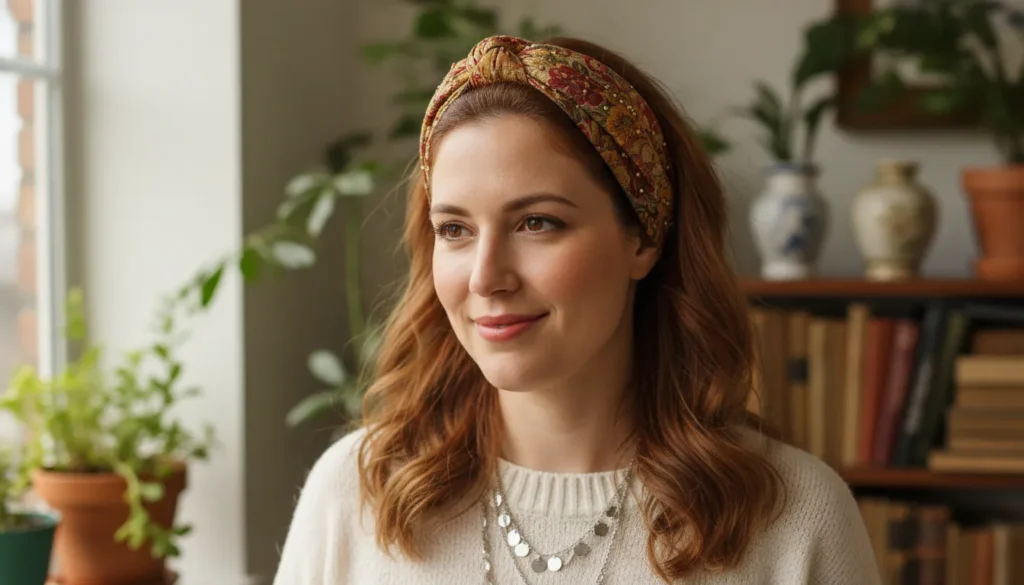
If your damaged hair is frizzy at the roots or along your hairline, a headband is your new best friend. It instantly tames flyaways and broken pieces without heat or products.
This damaged hair hairstyle is genius because it distracts from damage while requiring zero effort. Slide on a cute headband and suddenly your messy hair looks like an intentional style choice.
It’s gentle, it’s fast, and it gives your hair a much-needed break from styling while still looking polished and put-together.
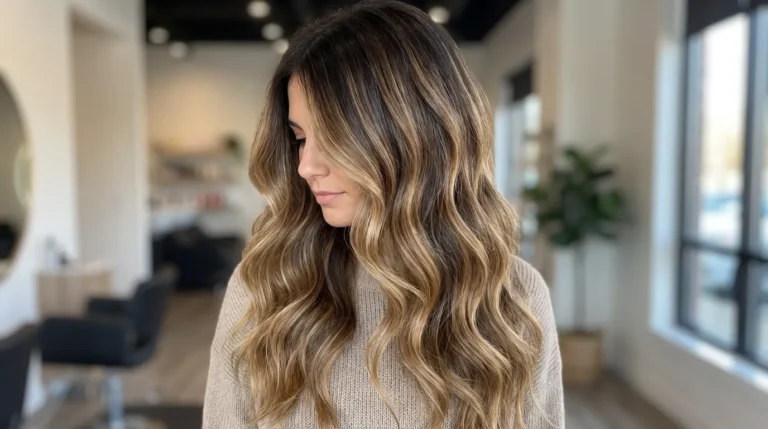
9. Natural Air-Dried Waves (Embrace the Texture)

Sometimes the best thing you can do for stressed-out hair is literally nothing. Just let it air dry and embrace whatever texture you get.
Skipping the blow dryer and straightener is huge for damaged hair. You’re avoiding high-heat trauma and letting your hair exist in its natural state, which is always healthier.
A simple center part gives this long style structure without requiring aggressive styling. The slightly imperfect waves and texture are the point—it’s effortless and healing.
10. Layered Shag (Textured Volume)

If you’re not ready for a pixie but need to lose damaged length, a layered shag cut is perfect. It relies on texture and movement rather than perfect, smooth hair.
This hairstyle for damaged hair works because the layers disguise thin, stringy ends while adding volume. Damaged hair often loses body, and the shag cut brings it back.
You can air-dry this style and it looks intentionally cool and textured. No heat required, which means your hair can start recovering immediately.
11. Classic Bob with Bangs (The Power Move)
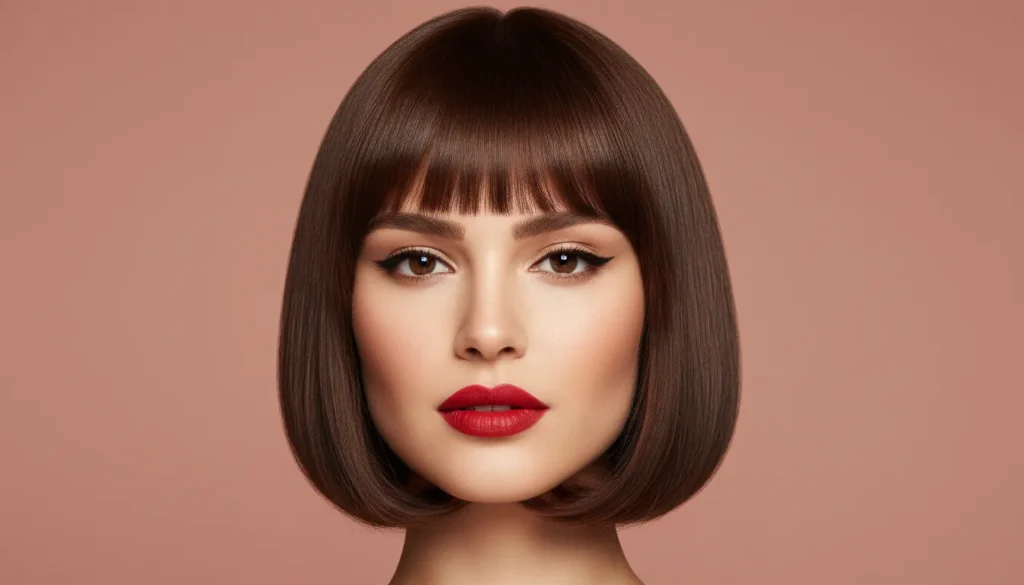
A clean bob cut eliminates all those crispy, damaged ends in one chop. The uniform length instantly makes your hair look thicker and healthier.
The addition of bangs is strategic—they frame your face and draw attention away from any weak hair around your crown. It’s a distraction technique that actually works.
This is one of the most powerful hairstyles for damaged hair because it’s a fresh start. You’re saying goodbye to damage and hello to a chic, low-maintenance look that requires minimal styling.
12. Headscarf Protection (Stylish Shield)
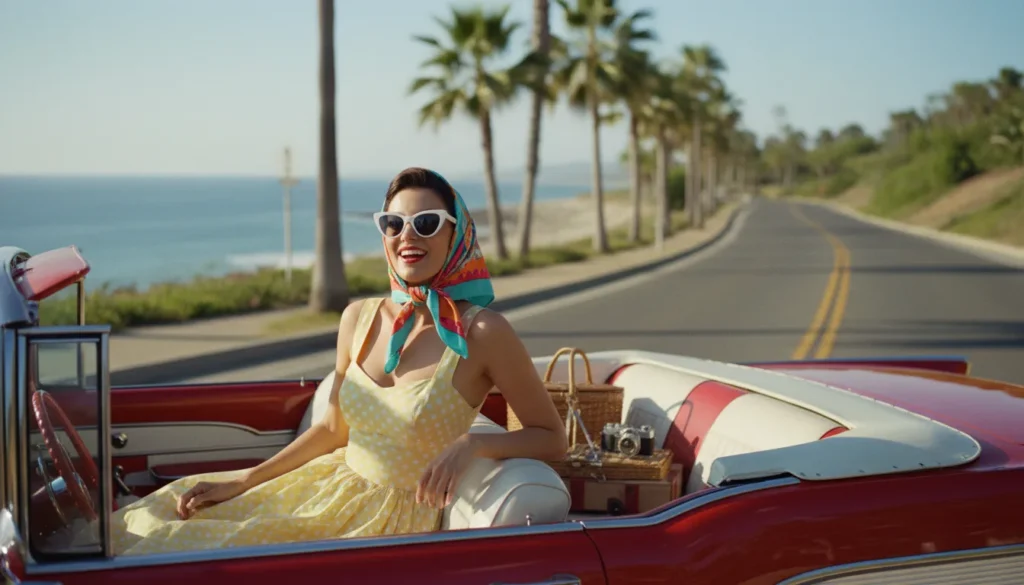
A headscarf isn’t just cute—it’s actual protection for damaged hair. It shields your strands from UV rays, which can cause additional fading and dryness.
This damaged hair hairstyle hides messy roots, frizzy pieces, and damaged sections while looking effortlessly cool. You can tuck all your hair up or let some healthy pieces hang out in front.
It’s one of the most versatile protective styles because it works for bad hair days, fresh color protection, or just when you want to give your hair a complete break.
13. High Ponytail (The Sleek Version)
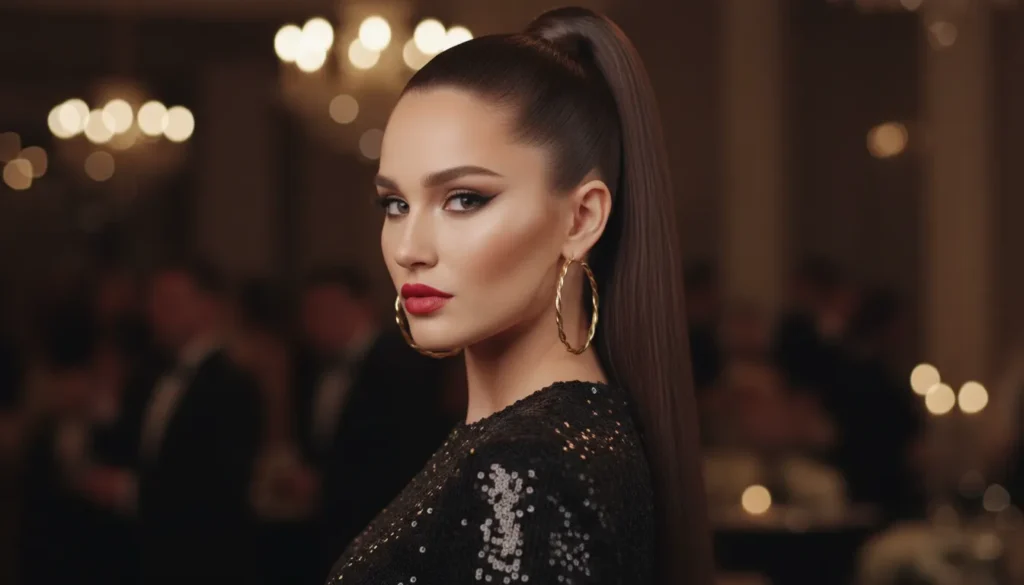
For nights out or when you want a polished look, a high ponytail can work—but you need to be gentle about it. This isn’t a super-tight, pulled-back ponytail that stresses your scalp.
Use a soft, thick hair tie and don’t pull the elastic tight. Smooth the roots with hydrating, alcohol-free gel or mousse instead of heat. The volume at the crown hides flyaways and damaged pieces.
This hairstyle for damaged hair works because it keeps split ends tucked out of sight while still looking intentional and styled.
14. Relaxed Low Ponytail (Everyday Easy)

When you need something quick and no-fuss, a low, relaxed ponytail is the ultimate move. It gathers damaged ends together and protects them from friction.
The slightly messy texture is actually healthier because you’re not fighting to make it perfectly smooth. You’re working with your hair’s natural texture rather than against it.
Use a gentle scrunchie or coil hair tie to secure it loosely. This is as easy as hairstyles for damaged hair get, and it saves your strands from heat damage.
15. Textured Mullet Shag (Trendy and Fresh)

If you want a modern cut that disguises damage while feeling cool and current, a mullet or shag works perfectly. It’s built on layers and texture, so it works with natural waves and air-dried hair.
The shorter length on top means you can chop off most broken hair while keeping some length in back. It’s a compromise between going super short and keeping length.
This hairstyle for damaged hair is low-effort, high-impact. You get a fresh start without committing to a pixie, and the style itself requires minimal heat or manipulation.
16. Natural Curls with Bangs (Heat-Free Beauty)
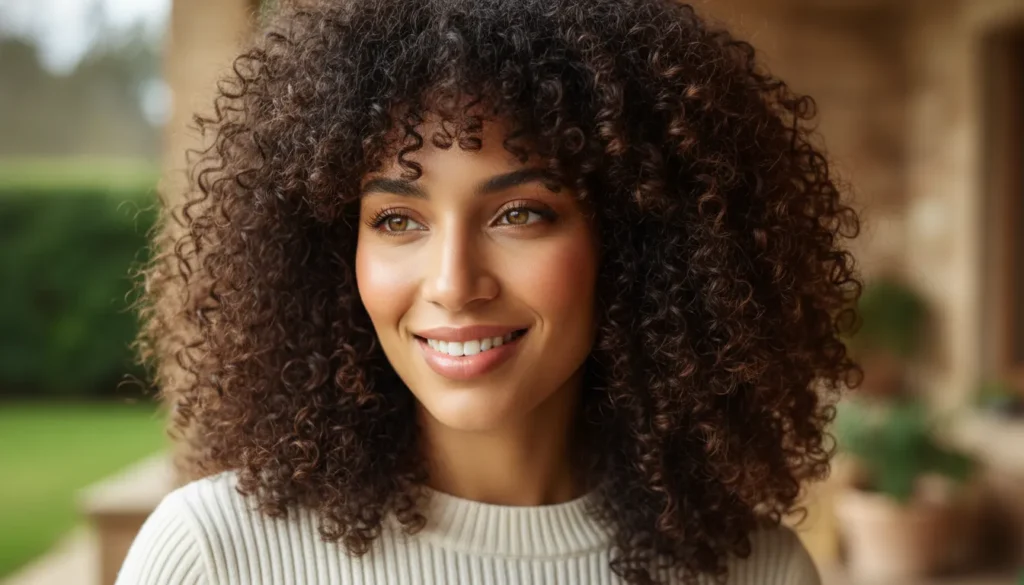
The absolute best thing you can do for damaged hair is give heat tools a permanent vacation. Embracing your natural curl texture lets your strands heal without constant thermal damage.
Adding soft, curly bangs frames your face and draws attention to your features rather than your damaged ends. It’s a strategic distraction that also looks gorgeous.
Just use leave-in conditioner or light curl cream on wet hair, let it air dry, and rock those natural curls. Your hair will thank you.
17. Double Braids (Ultimate Protection)
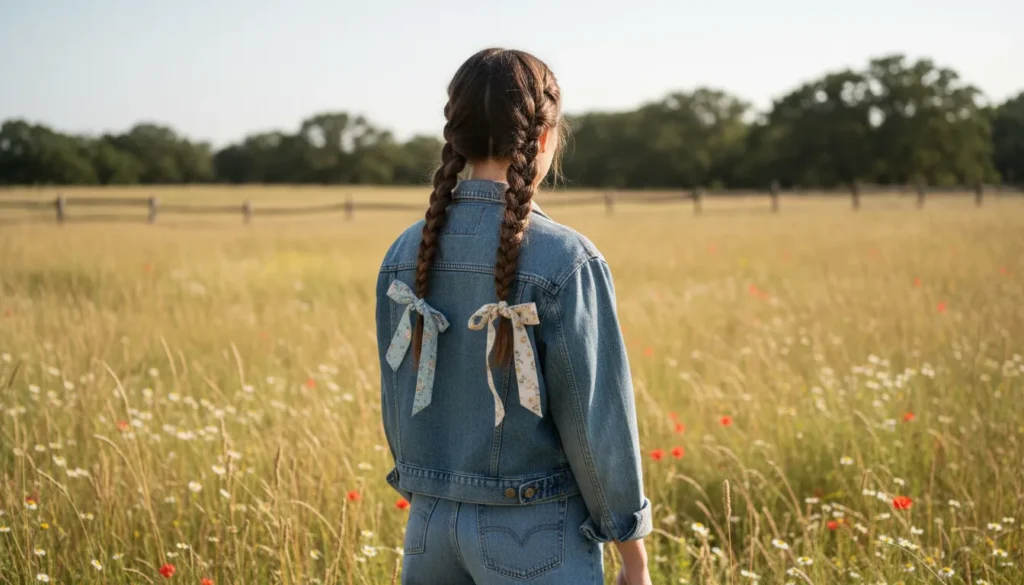
When you need a style that completely protects every strand, braids are the answer. They keep ends tucked away and prevent tangling, rubbing, and breakage throughout the day.
This hairstyle for damaged hair is perfect because it’s no-heat and low-manipulation. Your hair gets to rest and recover while still looking stylish and put-together.
Use soft ribbons or fabric ties to finish the braids instead of harsh elastic bands. It’s the ultimate protective style that actually helps your hair heal.
Essential Care Tips for Damaged Hair Between Styles
Choosing protective hairstyles for damaged hair is just part of the equation. Your everyday hair care routine makes a massive difference in recovery time.
| Hair Care Step | Why It Matters | How to Do It Right |
|---|---|---|
| Gentle brushing | Prevents additional breakage | Use wide-tooth comb, start from ends, work up slowly |
| Skip heat styling | Stops ongoing thermal damage | Air-dry when possible, use lowest heat setting if needed |
| Regular trims | Removes split ends before they travel up | Every 6-8 weeks, even just 1/4 inch makes a difference |
| Silk/satin pillowcase | Reduces friction while sleeping | Switch from cotton to prevent overnight breakage |
| Deep conditioning | Rebuilds moisture and elasticity | 1-2 times weekly with proper hair mask |
| Avoid tight styles | Prevents tension damage | Choose loose hairstyles for damaged hair |
| Hydrate properly | Keeps hair flexible, not brittle | Drink water, use leave-in conditioner |
In my experience, combining protective damaged hair hairstyles with proper care can cut recovery time in half. You’re not just hiding damage—you’re actively healing it.
Products That Actually Make a Difference
The right products can transform how your hairstyles for damaged hair look and how quickly your hair recovers.
Heat protectants are non-negotiable if you absolutely must use hot tools. They form a protective barrier that reduces thermal damage. Look for ones with silicones or proteins that can withstand high temperatures.
Leave-in conditioners are your daily defense. They detangle, lock in moisture, and protect hair from environmental stress. This is especially important for damaged hair hairstyles that are air-dried.
Deep conditioning masks should be used 1-2 times weekly. These intensive treatments replenish lost hydration and improve elasticity, making your hair more resistant to breakage.
Bond-building treatments with proteins or strengthening complexes actually repair broken internal hair structure. These products are game-changers for severely damaged hair.
Hair oils and serums smooth frizz, add shine, and protect ends from splitting further. Argan oil, jojoba oil, and lightweight serums work best for damaged hair that’s already fragile.
Strengthening shampoos and conditioners with keratin, amino acids, or natural oils fortify weak strands from the outside. Use these as your daily foundation.
The key is consistency. Using these products regularly while wearing protective hairstyles for damaged hair creates the optimal environment for recovery.
Choosing the Right Hairstyle Based on Your Damage Level
Not all damage is created equal, and your hairstyle choice should match your damage level.
Mild damage (slight dryness, minimal breakage): You can get away with longer styles like shoulder-length layers, natural air-dried waves, or loose ponytails. Focus on heat-free hairstyles for damaged hair that maintain length.
Moderate damage (visible split ends, some breakage, dullness): Consider medium-length cuts like bobs or shags that remove damaged ends while keeping some length. Protective updos and braids work great here.
Severe damage (extreme breakage, very thin ends, major split ends): Bite the bullet and go short. Pixie cuts, short bobs, or textured crops remove damage completely and give you a fresh start. These are the most effective hairstyles for damaged hair when things are really bad.
Be honest with yourself about your damage level. Sometimes holding onto length is actually making your hair look worse, not better.
Common Mistakes to Avoid with Damaged Hair
I’ve made every mistake possible with damaged hair, so learn from my failures.
Mistake #1: Continuing to heat style daily. This is like treating a burn by putting it back in the fire. Stop it. Choose heat-free hairstyles for damaged hair instead.
Mistake #2: Using harsh elastics and tight styles. These cause additional breakage at stress points. Always use fabric scrunchies or coil ties with gentle damaged hair hairstyles.
Mistake #3: Skipping regular trims because you’re “trying to grow it out.” Split ends don’t heal—they travel up the hair shaft making damage worse. Trim regularly.
Mistake #4: Over-washing damaged hair. This strips remaining moisture. Wash 2-3 times per week maximum and use dry shampoo between washes.
Mistake #5: Brushing wet hair aggressively. Hair is most vulnerable when wet. Use a wide-tooth comb or wet brush and be extremely gentle.
Mistake #6: Ignoring protein treatments. Damaged hair needs protein to rebuild structure. Use protein masks monthly if your hair is severely damaged.
Why Protective Styling Actually Works
The science behind why protective hairstyles for damaged hair work is pretty simple: they minimize manipulation and stress.
Every time you brush, style, heat, or even touch your hair, you’re causing micro-damage. When hair is already weakened, this daily manipulation compounds existing problems.
Protective styles like buns, braids, and natural air-dried looks reduce how much you handle your hair. Less handling equals less breakage, which gives your hair time to strengthen.
Additionally, styles that keep ends tucked away (like buns or braids) protect the most damaged part of your hair—the oldest section at the tips—from environmental damage and friction.
Think of protective hairstyles for damaged hair as putting your hair in a cast while it heals. The cast (protective style) prevents further injury while the natural healing process happens underneath.
When to See a Professional
Sometimes DIY hairstyles for damaged hair aren’t enough, and you need professional intervention.
See a stylist if: Your hair is breaking off in large sections, you have severe chemical damage from at-home treatments, or you’re experiencing significant hair loss beyond normal shedding.
See a trichologist if: You have scalp issues accompanying the damage, unusual texture changes, or if damage persists despite proper care.
A professional can assess the actual condition of your hair and scalp, recommend medical-grade treatments, and create a recovery plan tailored to your specific damage type.
Sometimes the best hairstyle for damaged hair is one that’s professionally cut to remove damage while maintaining the most flattering shape for your face and hair texture.
Final Thoughts on Hairstyles for Damaged Hair
Look, damaged hair happens to the best of us. Whether you went too blonde, heat-styled too much, or just had a series of unfortunate hair decisions, you’re not alone.
The good news is that with the right hairstyles for damaged hair, you can look amazing while your hair heals. You don’t have to hide or feel embarrassed—you just need to be strategic.
Choose styles that protect your strands, minimize heat and manipulation, and work with your hair’s natural texture rather than against it. Combine these damaged hair hairstyles with proper care products and regular trims, and you’ll be back to healthy hair faster than you think.
Start with one of the easier styles if you’re overwhelmed—a simple low bun or air-dried waves. You can experiment with more dramatic cuts later once you’re comfortable.
What I love most about these hairstyles for damaged hair is that they prove you don’t need perfect hair to look fabulous. You just need to work smart, not hard.
Which of these hairstyles for damaged hair are you planning to try? Have you found any protective styles that worked wonders for your damaged strands? Share your tips in the comments—we’d love to hear what’s worked for you!