
Fatigue Fighting Habits to Supercharge Your Mornings: Your Complete Guide

Can we be honest for a second? That alarm going off in the morning can feel like actual torture, especially when you’re already exhausted before your day even begins.
I used to be that person who hit snooze five times, dragged myself out of bed feeling like I’d been hit by a truck, and stumbled through the first few hours of the day in a fog. Coffee helped a little, but not enough. I was tired, cranky, and honestly? Not living my best life.
But here’s what changed everything: I discovered that morning fatigue isn’t something you just have to accept. It’s not about being a “morning person” or not. It’s about having the right fatigue fighting habits to supercharge your mornings and actually wanting to start your day.
These aren’t complicated biohacks or expensive supplements (though we’ll talk about nutrition too). They’re simple, science-backed strategies that genuinely work—and I’m going to walk you through exactly how to implement each one, troubleshoot when things don’t go as planned, and customize them to fit your actual life.
Ready to transform your mornings from “ugh, why?” to “let’s do this”? Let’s dive in.
Why You’re So Tired in the Morning (And It’s Not Just Lack of Sleep)

Before we jump into solutions, let’s talk about what’s actually happening when you wake up feeling like you could sleep for another twelve hours.
If your evenings feel heavy and emotionally draining, you might love my guide on Things to Do in the Evening When Lonely to make nights feel softer instead of exhausting.
It’s Not Always About Sleep Duration
Here’s something that surprised me: you can sleep for eight full hours and still wake up exhausted. Why? Because sleep quality matters just as much as quantity. If you’re:
- Waking up multiple times during the night
- Not getting enough deep sleep or REM sleep
- Sleeping at inconsistent times
- Dealing with sleep apnea or other disorders
…then even “enough” sleep won’t leave you feeling rested.
Your Circadian Rhythm Might Be Off
Your body has an internal clock (circadian rhythm) that regulates when you feel alert and when you feel sleepy. When this gets out of sync—from irregular sleep schedules, too much screen time before bed, or not enough natural light during the day—your body doesn’t know when it’s supposed to be awake or asleep.
Dehydration Hits Hard in the Morning
You go 7-9 hours without drinking water while you sleep. By the time you wake up, you’re already dehydrated, which causes:
- Brain fog
- Sluggish muscles
- General fatigue
- Headaches
Your Blood Sugar Crashed Overnight
If you haven’t eaten since dinner (maybe 7 PM), and you wake up at 6 AM, that’s 11 hours without food. Your blood sugar is low, which makes you feel weak, tired, and unmotivated.
Stress and Mental Fatigue Accumulate
Even if your body got rest, your mind might not have. Stress, anxiety, and mental exhaustion don’t just disappear because you slept. They can actually make waking up feel harder.
Understanding why you’re tired helps you choose which fatigue fighting habits to supercharge your mornings will work best for you. Now let’s get into the solutions.
The 8 Most Powerful Fatigue Fighting Habits to Supercharge Your Mornings
1. Master Your Sleep Quality (Not Just Quantity)

Everyone tells you to “get enough sleep,” but let’s get more specific about what actually helps you wake up feeling refreshed.
Why this works:
Sleep isn’t just downtime—it’s when your brain clears out toxins, consolidates memories, and restores energy. Research shows that sleep replenishes your brain’s energy stores, particularly glycogen, which fuels cognitive function. Without proper sleep architecture (the right balance of light, deep, and REM sleep), you’ll wake up tired no matter how many hours you spent in bed.
How to actually do this:
Establish a consistent sleep schedule:
- Go to bed and wake up at the same time every day—yes, even weekends
- Your body thrives on predictability; consistency helps regulate your circadian rhythm
- If you need to shift your schedule, do it gradually (15-30 minutes at a time)
Create the perfect sleep environment:
- Keep your bedroom cool (65-68°F is ideal)
- Make it as dark as possible (blackout curtains or a sleep mask)
- Minimize noise (white noise machine or earplugs if needed)
- Invest in a comfortable mattress and pillows (you spend 1/3 of your life here!)
The 10-3-2-1-0 rule for better sleep:
- 10 hours before bed: No more caffeine
- 3 hours before bed: No more food or alcohol
- 2 hours before bed: No more work
- 1 hour before bed: No more screens
- 0: The number of times you hit snooze
Wind down intentionally:
- Read a physical book (not on a screen)
- Take a warm bath or shower
- Do gentle stretching or yoga
- Practice deep breathing or meditation
- Journal about your day or tomorrow’s plans
Limit blue light exposure:
- Blue light from screens suppresses melatonin production
- Use blue light blocking glasses in the evening
- Enable night mode on all devices
- Better yet, stop scrolling at least an hour before bed
What if this doesn’t work?
If you’re doing all of this and still waking up exhausted, you might have an underlying sleep disorder like sleep apnea, restless leg syndrome, or insomnia. Don’t suffer through it—talk to your doctor or a sleep specialist. A sleep study can identify issues you can’t detect on your own.
Real talk about caffeine:
That afternoon coffee you love? It has a half-life of 5-6 hours, meaning if you drink coffee at 3 PM, half the caffeine is still in your system at 9 PM. This can seriously disrupt your sleep quality even if you don’t realize it. Try cutting off caffeine by early afternoon and see how you feel.
2. Get Out of Bed Immediately (The Alarm Across the Room Trick)

This one sounds simple, but it’s genuinely life-changing. The hardest part of your morning is the transition from asleep to awake, and hitting snooze only makes it worse.
Why this works:
When you hit snooze, you’re entering a new sleep cycle that you won’t complete. This leaves you feeling groggier than if you’d just gotten up the first time. It’s called sleep inertia, and those extra 10 minutes aren’t restful—they’re actually sabotaging your morning energy.
How to actually do this:
Place your alarm across the room:
- Not on your nightstand where you can easily reach it
- Somewhere you physically have to get out of bed to turn it off
- Once you’re standing, you’re already halfway to starting your day
Use a smart alarm app:
- Apps like Alarmy make you solve math problems or take a photo of something (like your bathroom sink) to turn off the alarm
- Sounds annoying? It is. But it works because by the time you’ve completed the task, you’re awake
The 5-second rule:
- Count backwards: 5-4-3-2-1, then immediately throw off the covers and stand up
- Don’t give your brain time to negotiate or make excuses
- Your brain will try to convince you to stay in bed—don’t let it
Have something to look forward to:
- Maybe it’s your favorite coffee, a delicious breakfast, or your morning playlist
- Give yourself a reason to want to get up instead of dreading it
What if you share a bed?
Talk to your partner about your new strategy. They might actually appreciate not hearing your alarm go off five times. You can also use vibrating alarms or a smartwatch that vibrates on your wrist without waking them.
Pro tip: Put your slippers right next to where your alarm is. Cold feet are a major excuse for getting back into bed. Warm feet = more likely to stay up.
3. Hydrate Before You Caffeinate

This is one of those fatigue fighting habits to supercharge your mornings that seems too simple to be effective, but trust me—it’s powerful.
Why this works:
After 7-8 hours of sleep, your body is dehydrated. Even mild dehydration (as little as 1-2% of body weight) can cause:
- Fatigue and sluggishness
- Brain fog and difficulty concentrating
- Muscle weakness
- Headaches
Your body is about 60% water, and your brain is about 75% water. When you’re dehydrated, everything slows down. Drinking water first thing kickstarts your metabolism, flushes out toxins, and helps your brain wake up.
How to actually do this:
The morning water ritual:
- Keep a large glass or bottle of water on your nightstand
- Drink 16-20 oz of water as soon as you wake up (before anything else)
- Room temperature or warm water is easier on your system than ice cold
- Add a squeeze of lemon for extra benefits (vitamin C, digestive support)
Make it a habit:
- Link it to another action: “After I turn off my alarm, I drink water”
- Use a water bottle you actually like (sounds silly, but it matters)
- Track it for the first week to build the habit
Throughout the morning:
- Aim for 8-16 oz of water before your first coffee
- Continue drinking water with breakfast
- Keep water visible and accessible (out of sight = out of mind)
The coffee compromise:
- If you absolutely need coffee immediately, fine—but drink water first
- Coffee is a diuretic, meaning it can dehydrate you further
- For every cup of coffee, drink an equal amount of water
- Consider switching your first drink to green tea (less dehydrating, still has caffeine)
Add flavor if plain water is boring:
- Lemon, lime, or orange slices
- Fresh mint or basil
- Cucumber slices
- Berries (frozen berries work great)
- A splash of 100% fruit juice
What if you’re not thirsty?
Your thirst mechanism isn’t fully active when you first wake up. Drink anyway. After a few days, your body will start expecting and craving that morning hydration.
Bonus tip: The color of your urine is a good hydration indicator. Aim for pale yellow. If it’s dark yellow or amber, you need more water.
4. Move Your Body (Even Just a Little)

You don’t need to run a marathon before breakfast. But getting your body moving—even for just 5-10 minutes—can dramatically increase your energy levels.
Why this works:
Exercise releases endorphins (feel-good hormones), increases blood flow to your brain and organs, and raises your core body temperature—all of which signal to your body that it’s time to be awake and alert.
Morning exercise also:
- Boosts metabolism for the rest of the day
- Improves mood and reduces anxiety
- Enhances mental clarity and focus
- Regulates your circadian rhythm (especially if done outdoors)
How to actually do this:
Start small if you’re not a workout person:
- 5-10 minutes of stretching in bed or on the floor
- A short walk around the block
- 10 jumping jacks and 10 push-ups
- A quick yoga flow
- Dancing to one or two upbeat songs
Build up gradually:
- Week 1: 5 minutes of movement
- Week 2: 10 minutes
- Week 3: 15-20 minutes
- Eventually work up to 30+ minutes if it feels good
Find what you actually enjoy:
- Yoga or Pilates
- Running or jogging
- Cycling
- Swimming
- HIIT workouts
- Walking in nature
- Dancing in your living room (no judgment!)
Time it right:
- Exercising early “locks in” your workout before life gets in the way
- You won’t have it hanging over your head all day
- You’re less likely to skip it when it’s done first thing
Workout music matters:
- Create a high-energy morning playlist
- Aim for songs between 120-140 BPM (beats per minute)
- Music distracts from physical discomfort and makes exercise feel easier
- Science shows music can increase workout performance by up to 15%
Hydration + exercise:
- Drink water before, during, and after exercise
- Dehydration can decrease performance by up to 30%
- Keep a water bottle with you during workouts
Post-workout fuel:
- Eat within 30-60 minutes of exercise
- Combine protein and carbs for optimal recovery
- This helps prevent the post-workout energy crash
What if you’re not a morning person?
Start with just stretching in bed before you even stand up. Seriously—stretch your arms, legs, neck, and back while still lying down. It’s better than nothing, and it starts to wake up your body.
What if you work weird hours?
The principle still applies: move your body shortly after waking, whenever that is. Night shift worker waking up at 3 PM? Same strategy applies.
5. Take a Strategic Shower

The temperature of your shower can significantly impact your energy levels. And no, you don’t have to torture yourself with icy water (unless you want to).
Why this works:
Cold water exposure:
- Increases circulation and blood flow
- Triggers the release of norepinephrine (a hormone that increases alertness)
- Activates your sympathetic nervous system (fight-or-flight response = awake)
- Reduces inflammation
- May decrease symptoms of depression and anxiety
Research shows that even short cold water exposure can increase energy and reduce fatigue.
How to actually do this:
The gradual approach (best for beginners):
- Start your shower warm
- Gradually decrease the temperature every 15-30 seconds
- End with 30-60 seconds of cold water
- Build up to 2-3 minutes of cold over time
The contrast shower:
- Alternate between hot (90 seconds) and cold (30 seconds)
- Repeat 3-5 cycles
- Always end on cold
- This is energizing and great for circulation
The “just do it” method:
- Jump straight into cold water
- Focus on deep breathing
- Stay for 2-3 minutes
- Surprisingly, this gets easier after the first week
If you absolutely hate cold:
- Even lukewarm (not hot) water in the morning is better than super hot
- Hot showers can actually make you feel sleepy
- At minimum, rinse your face with cold water
Additional shower tips:
- Use invigorating scents: peppermint, eucalyptus, citrus
- Play energizing music
- Do some light stretching in the shower
- Practice deep breathing
Health benefits beyond energy:
- Better skin and hair (cold water is gentler)
- Improved immunity
- Faster muscle recovery
- Lower utility bills (cold showers use less energy)
What if you shower at night?
That’s fine! The morning equivalent is splashing cold water on your face and wrists. This still triggers the alertness response without a full shower.
6. Establish a Consistent Morning Routine

Your brain loves patterns and predictability. When you have a solid morning routine, you remove decision fatigue and create momentum.
Why this works:
Humans are creatures of habit. When you do the same things in the same order every morning, your brain shifts into autopilot in a good way. You don’t have to think about what to do next—you just do it. This conserves mental energy and reduces the resistance you feel about starting your day.
A consistent routine also:
- Reduces stress and anxiety
- Gives you a sense of control
- Creates positive momentum
- Makes mornings feel easier and more automatic
How to actually do this:
Design your ideal morning sequence:
Here’s a template (customize to fit your life):
- Alarm goes off → immediately stand up (5 seconds)
- Drink water (2 minutes)
- Use the bathroom, splash face with cold water (3 minutes)
- Light movement or exercise (10-30 minutes)
- Shower (10 minutes)
- Get dressed (5-10 minutes)
- Eat breakfast (15-20 minutes)
- Quick planning or meditation (5-10 minutes)
Prepare the night before:
- Lay out your clothes
- Prep breakfast ingredients or your coffee setup
- Put out your workout clothes or yoga mat
- Set out anything you need for the day
- This eliminates morning decisions and friction
Start with a realistic routine:
- Don’t try to wake up 2 hours earlier overnight
- Begin with 15-30 minutes earlier than usual
- Add one new element at a time
- Build up gradually over weeks
Make it enjoyable:
- Include something you genuinely look forward to
- Maybe it’s your favorite coffee, a good podcast, or time to read
- Your morning shouldn’t feel like punishment
Track your routine:
- Use a habit tracker app or simple checklist
- Seeing consistency builds motivation
- After 21-30 days, it becomes more automatic
What if you have kids?
Wake up before them (I know, easier said than done). Even 15 minutes of “you time” before the chaos starts can make a huge difference. Or involve them in your routine as they get older—morning stretches or breakfast together can become family rituals.
What if your schedule changes constantly?
Keep a few elements that can stay consistent no matter what (like water first thing, movement, and breakfast). The sequence can shift, but the core habits remain.
7. Eat an Energy-Boosting Breakfast

What you eat in the morning directly impacts how you feel for the next several hours. Choose wisely, and you’ll have sustained energy. Choose poorly, and you’ll crash by mid-morning.
Why this works:
After fasting overnight, your blood sugar is low. Your body needs fuel to function, and the type of fuel matters enormously. The right breakfast:
- Stabilizes blood sugar
- Provides sustained energy (not a quick spike and crash)
- Improves concentration and mood
- Kickstarts your metabolism
- Reduces cravings later in the day
The wrong breakfast (high sugar, low protein) causes:
- Blood sugar spike followed by a crash
- Mid-morning energy slump
- Cravings and hunger
- Brain fog
How to actually do this:
The ideal breakfast formula:
- Protein (20-30g): eggs, Greek yogurt, protein powder, nuts, nut butter
- Complex carbs: oatmeal, whole grain toast, quinoa, sweet potato
- Healthy fats: avocado, nuts, seeds, olive oil
- Fiber: fruits, vegetables, whole grains
- Hydration: water, herbal tea
Best breakfast options for energy:
Quick options (under 10 minutes):
- Greek yogurt with berries, granola, and almond butter
- Overnight oats with chia seeds, banana, and walnuts
- Smoothie with protein powder, spinach, berries, and flax seeds
- Whole grain toast with avocado and scrambled eggs
- Nut butter on whole grain English muffin with banana
Weekend options (when you have more time):
- Veggie-packed omelet with whole grain toast
- Quinoa breakfast bowl with nuts and fruit
- Sweet potato hash with eggs
- Protein pancakes with berries
- Smoked salmon with whole grain bagel and cream cheese
Foods that boost energy:
- Bananas: potassium, fiber, natural sugars for quick but sustained energy
- Almonds: protein, healthy fats, B vitamins
- Oatmeal: complex carbs that release energy slowly
- Eggs: complete protein, B vitamins, healthy fats
- Greek yogurt: protein, probiotics for gut health
- Berries: antioxidants, fiber, vitamins
- Avocado: healthy fats, fiber, B vitamins
- Spinach/kale: iron for oxygen transport to cells
Foods that drain energy (avoid or limit):
- Sugary cereals
- Pastries and donuts
- White bread or bagels
- Processed breakfast bars
- Fruit juice (high sugar, no fiber)
- Energy drinks (crash later)
What if you’re not hungry in the morning?
Start small:
- A handful of nuts
- A banana with nut butter
- A protein smoothie (easier to drink than eat)
- Your appetite will increase as your body adjusts
Meal prep strategies:
- Make overnight oats in batches
- Hard boil eggs for the week
- Prep smoothie ingredients in bags (just blend)
- Batch cook breakfast burritos to freeze
Supplements to consider:
- B-complex vitamins (help convert food to energy)
- Iron (if you’re deficient, especially important for women)
- Vitamin D (many people are deficient)
- Magnesium (supports energy production)
Talk to your doctor before starting supplements.
8. Use Light to Your Advantage

Light is one of the most powerful regulators of your circadian rhythm. Getting the right light at the right time can transform how you feel in the morning.
Why this works:
Light exposure, especially natural sunlight, signals to your brain that it’s time to be awake. It:
- Suppresses melatonin production (the sleep hormone)
- Increases cortisol (which should be highest in the morning)
- Regulates your circadian rhythm
- Boosts serotonin (mood and energy)
- Improves alertness and cognitive function
Morning light exposure has been shown to:
- Help you fall asleep easier at night
- Improve sleep quality
- Increase daytime energy
- Reduce symptoms of seasonal affective disorder (SAD)
How to actually do this:
Get natural sunlight within 30 minutes of waking:
- Open curtains or blinds immediately
- Go outside for 10-15 minutes (even if it’s cloudy)
- Have your coffee or breakfast near a window
- Take a morning walk
- Do your workout outdoors
The earlier, the better:
- Morning sunlight (before 10 AM) is most effective
- Aim for at least 10-30 minutes
- No sunglasses during this time (your eyes need to detect the light)
If it’s still dark when you wake up:
- Use a sunrise alarm clock (gradual light increase)
- Turn on bright lights immediately
- Use a light therapy box (10,000 lux)
- Get outside as soon as the sun comes up
Light therapy for winter or dark mornings:
- 10,000 lux light therapy box
- Use for 20-30 minutes while eating breakfast or getting ready
- Especially helpful for SAD or living in areas with limited winter sunlight
Avoid light sabotage:
- Dim lights in the evening
- Use blue light blockers or night mode
- Keep bedroom dark at night
- No screens in bed
Create a light routine:
- Morning: bright light immediately
- Daytime: natural light as much as possible
- Evening: dim, warm lights
- Night: complete darkness
What if you work night shifts?
The principles still apply, just reversed. Use bright light when you need to be alert, and create darkness when you need to sleep—even if that’s during the day. Blackout curtains and sleep masks are your friends.
Creating Your Personalized Morning Routine
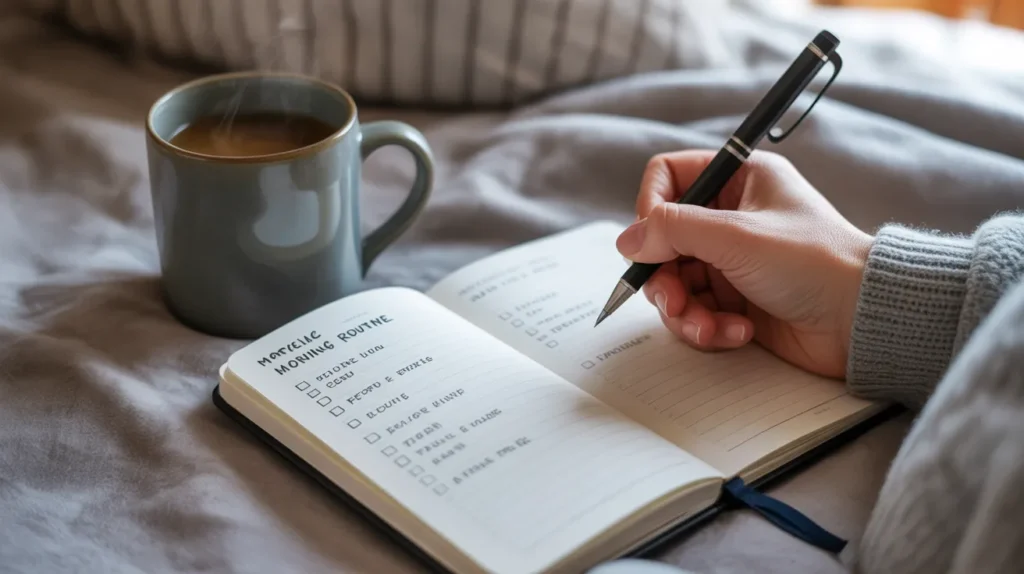
Not everyone’s morning will look the same, and that’s perfect. Here’s how to customize these fatigue fighting habits to supercharge your mornings based on your specific situation.
For Parents with Young Kids
Reality check: You might not have a luxurious morning routine, and that’s okay.
Adapt these habits:
- Wake up 30 minutes before kids (even if it’s painful)
- Quick 5-minute workout or stretching
- Prep everything the night before
- Involve kids in your routine as they get older (morning dance party, anyone?)
- Lower your expectations and celebrate small wins
For Night Shift Workers
Reality check: Your “morning” might be 3 PM.
Adapt these habits:
- All the same principles apply to your wake-up time
- Use blackout curtains and sleep masks for daytime sleep
- Stick to a consistent sleep schedule even on days off
- Use bright light when you wake up (light therapy box if it’s evening)
For People Who Hate Mornings
Reality check: You might never love waking up early, but you can feel less miserable.
Adapt these habits:
- Start with just ONE habit
- Make everything as easy as possible
- Focus on preparation the night before
- Give yourself something to genuinely look forward to
- Be patient—it takes time
For Busy Professionals
Reality check: You need efficiency.
Adapt these habits:
- Meal prep on weekends
- Workout at home or during commute (walk, bike)
- Combine habits (audiobooks during workout, etc.)
- Protect your morning routine as non-negotiable time
For People with Health Issues
Reality check: Fatigue might be a symptom of something bigger.
Important:
- Talk to your doctor if fatigue persists despite good habits
- Possible causes: thyroid issues, anemia, depression, sleep disorders, chronic fatigue syndrome
- These habits help, but they’re not a substitute for medical care
Your 30-Day Morning Transformation Plan
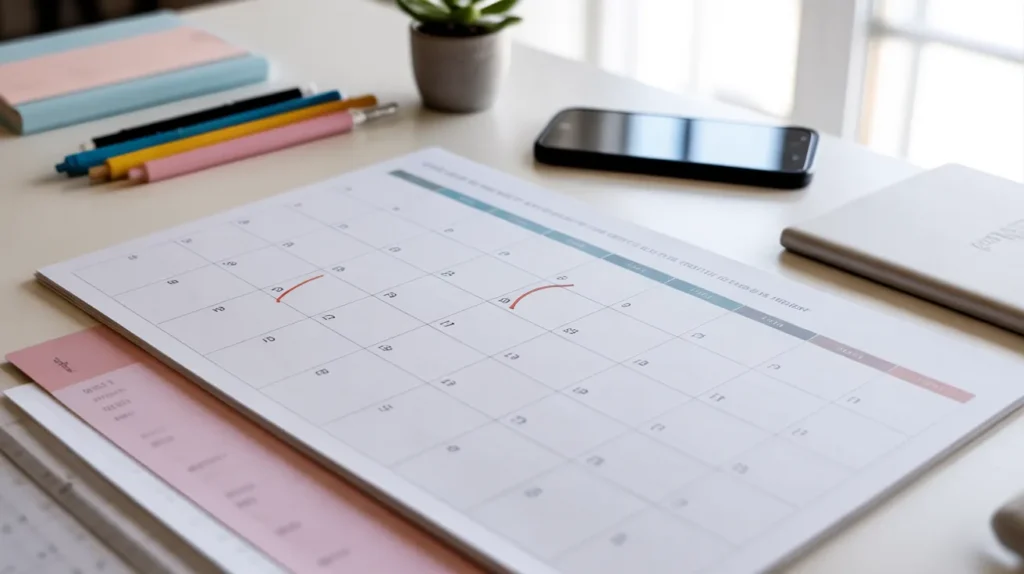
Trying to change everything at once usually fails. Here’s a gradual approach:
Week 1: Foundation
- Consistent wake-up time (even weekends)
- Drink water immediately upon waking
- Get outside for 10 minutes
Week 2: Add Movement
- Continue Week 1 habits
- Add 10 minutes of movement
- Prep breakfast the night before
Week 3: Optimize Sleep
- Continue previous habits
- Implement better sleep hygiene
- No screens 1 hour before bed
Week 4: Fine-Tune
- Continue everything
- Add cold shower or face splash
- Refine your routine based on what’s working
Beyond 30 Days:
- Keep what works, adjust what doesn’t
- Add new elements gradually
- Celebrate progress, not perfection
When to See a Doctor

These fatigue fighting habits to supercharge your mornings work for most people, but sometimes fatigue is a sign of something that needs medical attention.
See your doctor if you:
- Feel exhausted despite adequate sleep for more than 2 weeks
- Have other symptoms (unexplained weight changes, pain, depression)
- Snore loudly or wake up gasping (possible sleep apnea)
- Have persistent difficulty falling or staying asleep
- Experience extreme daytime sleepiness
- Feel that your fatigue is worsening or interfering with daily life
Possible medical causes of morning fatigue:
- Sleep disorders (apnea, insomnia, restless leg syndrome)
- Thyroid problems
- Anemia (iron deficiency)
- Depression or anxiety
- Chronic fatigue syndrome
- Diabetes
- Heart problems
- Hormonal imbalances
Don’t suffer in silence. If lifestyle changes aren’t helping, get checked out.
Final Thoughts: Your Mornings Are Worth It
Here’s what I want you to know: transforming your mornings isn’t about becoming some superhuman 5 AM productivity machine (unless that’s your thing). It’s about waking up feeling like you can actually handle your day instead of dreading it.
These fatigue fighting habits to supercharge your mornings aren’t all-or-nothing. You don’t need to implement every single one perfectly to see results. Start with one or two that resonate most with you. Maybe it’s the water thing because it’s so simple. Or maybe it’s the exercise because you know you need it anyway.
Give yourself time to adjust. Your body has been operating one way for years—it’s not going to transform overnight. But I promise you, even small changes compound over time.
A month from now, you could be that person who wakes up feeling energized instead of exhausted. Who has time for breakfast instead of rushing out the door. Who starts their day with intention instead of chaos.
Your mornings set the tone for your entire day. And honestly? You deserve to start every day feeling good, capable, and ready—not tired, overwhelmed, and behind before you’ve even begun.
So pick one habit. Just one. Start tomorrow. See how you feel in a week.
Your future well-rested self will thank you.
Now go set that alarm across the room, fill up your water bottle for morning, and get some good sleep. Tomorrow is a new day, and you’re going to crush it.
Ready for more energy-boosting content? Check out:
- The Best Morning Routine for People Who Hate Mornings
- How to Fix Your Sleep Schedule in One Week
- Energy-Boosting Foods That Actually Work
- The Ultimate Guide to Beating Afternoon Energy Crashes