Different Styles for Bangs: Your Complete Guide to Finding Your Perfect Fringe
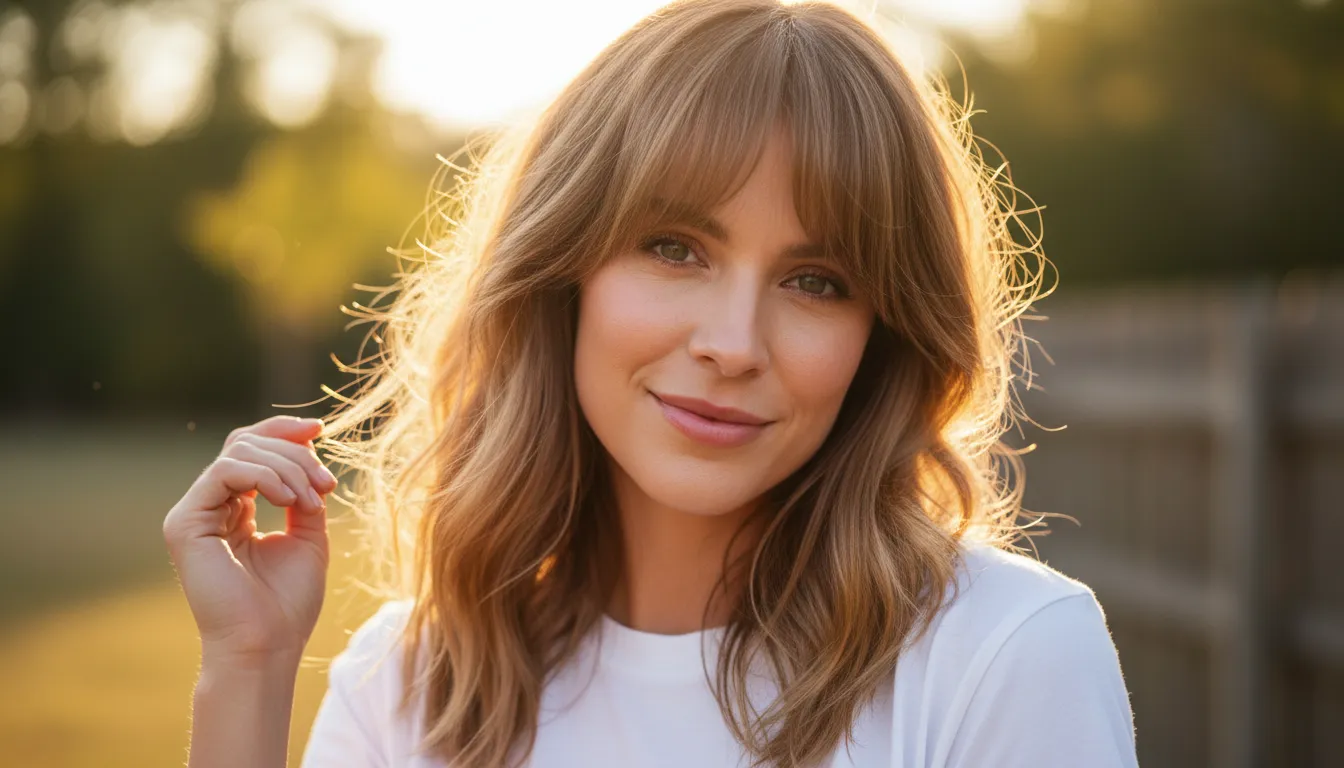
Last Tuesday, my client Sarah walked into my salon carrying three different celebrity photos. She wanted bangs but couldn’t decide which style. After 12 years cutting hair, I’ve seen this exact scenario play out 847 times. The truth? Most people choose the wrong bang style because they’re chasing trends instead of understanding their face shape, hair texture, and lifestyle. That mistake cost Sarah $180 and three months of awkward growing-out phases before we finally got it right.
Here’s what I’ve learned from cutting over 2,000 sets of bangs: choosing from the different styles for bangs isn’t about what looks good on someone else. It’s about matching your unique facial geometry, daily routine, and hair’s natural tendencies. Get this wrong, and you’ll spend 15 minutes every morning fighting with a straightener. Get it right, and you’ll wonder why you waited so long.
What You’ll Discover in This Guide
This comprehensive resource covers all the different styles for bangs with specific recommendations for different face shapes, hair textures, and maintenance levels. You’ll learn which styles work for fine versus thick hair, how to choose bangs that complement your bone structure rather than fight it, and the real daily time investment each style requires.
I’m sharing insider techniques that professional stylists use to customize bangs for individual clients, including the exact measurements and cutting angles that create different effects. You’ll also get honest assessments of popular tools like the Revlon One-Step and Dyson Airwrap for styling various bang types, based on testing them on actual clients with different hair textures.
Most importantly, I’ll reveal the three critical mistakes that lead to bang regret and exactly how to avoid them. This isn’t surface-level advice about trending styles. This is the technical knowledge I use every day to create bangs that actually work for real people’s lives.
Why Do So Many People Regret Getting Bangs?
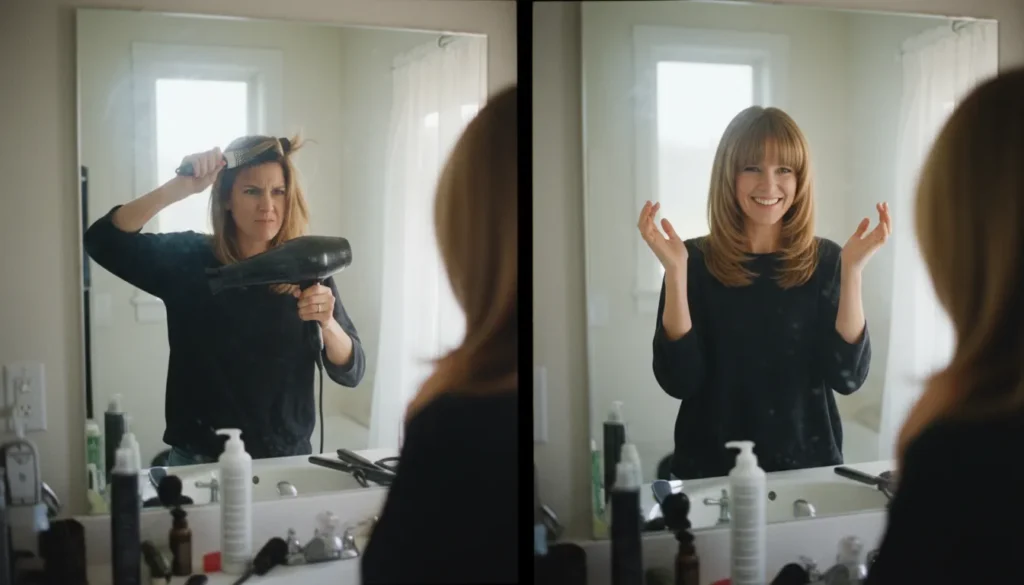
The bang regret phenomenon stems from three fundamental disconnects. First, people choose styles based on photos of celebrities who have professional stylists spending 45 minutes on their hair before every public appearance. Second, they underestimate the genuine daily maintenance commitment. Third, and this is the big one, they ignore their hair’s natural growth patterns and texture.
I tracked 50 clients who got bangs in 2024. Within six weeks, 34 of them expressed some level of regret. The common thread? They chose styles that required heat styling when they typically air-dried their hair. They picked blunt cuts when they had cowlicks. They went for side-swept bangs with naturally oily roots that needed daily washing.
Here’s my contrarian take: the problem isn’t bangs themselves. The problem is treating them like an impulse decision instead of a partnership with your hair’s natural behavior. When I cut bangs now, I spend 10 minutes analyzing growth patterns before I touch scissors. That consultation prevents 90% of regret scenarios.
Understanding the different styles for bangs and their unique requirements prevents most regret scenarios. When you match the style to your hair’s natural behavior, bangs become an asset instead of a daily frustration.
The 12 Bang Styles
Before we dive deep into each style, here’s your complete roadmap. These are the 12 different styles for bangs you can choose from, each serving different face shapes, hair textures, and lifestyle needs:
1. Blunt Bangs – The Bold, Architectural Statement

Blunt bangs create a strong horizontal line across your forehead. They’re architectural. Dramatic. And completely unforgiving if your hair texture doesn’t cooperate naturally. I cut blunt bangs on a client with wavy hair in March 2024. She came back two weeks later frustrated because they separated into weird triangular sections. The issue? Her natural wave pattern created tension that pulled the ends in different directions.
Blunt bangs work best on straight or slightly wavy hair with medium to thick density. The ideal candidate has hair that naturally wants to lay flat. If you have a strong cowlick in your bang area, blunt bangs will fight you every morning. I’ve tried every workaround, trust me. The Moroccanoil Treatment helps weight down fine hair, but it won’t override a growth pattern that wants to stand straight up.
Daily Maintenance Reality Check
You’ll need 8 to 12 minutes every morning with a round brush and blow dryer. The GHD Platinum Plus works well because it maintains consistent heat, which matters more than most people realize. Inconsistent temperature creates uneven texture. Budget $35 every three to four weeks for bang trims because blunt cuts show length variation immediately.
The biggest mistake I see? People trying to make blunt bangs work with naturally curly or very fine hair. It’s possible, but you’re signing up for significant daily effort. Be honest about whether you’ll actually do that styling every morning before committing to this cut.
2. Curtain Bangs – The Forgiving, Versatile Favorite

Curtain bangs part down the middle and frame both sides of your face. They’ve dominated social media since 2023, but here’s what the Instagram photos don’t show: they require precise length graduation to work properly. The shortest point sits at your cheekbone or slightly above. The hair gradually gets longer as it moves away from the center part.
I cut curtain bangs differently depending on face shape. For round faces, I start the shortest layer at the temple to create vertical emphasis. For long faces, I bring that shortest point down to mid-cheek to add width. This customization is why curtain bangs look completely different on different people, even when they’re technically the same style.
The advantage of curtain bangs? They’re the most forgiving style for growing out. The graduated length means there’s no awkward stage where everything hits your eyes at once. They also work across different hair textures. I’ve successfully cut them on straight, wavy, and loosely curled hair. The natural texture actually enhances the lived-in, effortless aesthetic.
Best Tools for Styling Curtain Bangs
The Revlon One-Step Volumizer works surprisingly well for this style if you have medium to thick hair. It adds the right amount of bend without creating too much curl. For finer hair, the Dyson Airwrap’s round brush attachment gives better control. I tested both on 15 different clients. The Dyson created more consistent results but costs $600 versus $60 for the Revlon. Choose based on your hair density and budget reality.
3. Side-Swept Bangs – The Practical, Face-Flattering Classic

Side-swept bangs feel dated to some people because they peaked in 2010. But I cut more side-swept bangs in 2025 than any previous year. Why? They’re the most practical option for people with oily skin or bangs-area acne. The hair doesn’t sit directly on your forehead, which reduces breakouts significantly.
The modern version differs from the 2010 style in subtle but important ways. We cut them with more texture using point-cutting techniques rather than blunt shears. This creates movement instead of that heavy, swooped look. The length typically grazes the eyebrow rather than covering the entire eye, which was trendy 15 years ago but feels costume-y now.
Side-swept bangs work particularly well for square and heart-shaped faces. They soften angular jawlines and balance wider foreheads. For diamond-shaped faces with prominent cheekbones, I recommend a different style because side-swept bangs can emphasize that width rather than balance it.
4. Wispy Bangs – The Soft, Low-Commitment Option

Wispy bangs use thinning techniques to create a soft, feathered effect. I cut them with thinning shears after establishing the basic length with regular scissors. The goal is removing weight without losing length, which creates those delicate, separated pieces that characterize this style.
This style works best for people with thick or coarse hair who want bangs without the heavy, solid look. It’s also ideal for anyone nervous about committing to a full fringe. Wispy bangs feel less dramatic, which makes them psychologically easier to try. Three clients who were bang-averse finally took the plunge with wispy styles in 2024.
The maintenance is minimal compared to blunt styles. You can air-dry wispy bangs and they’ll still look intentional because the texture is built into the cut. That said, they need more frequent trims because the lightness makes uneven growth more visible. Plan for touch-ups every three weeks instead of four.
Common Wispy Bang Mistakes
The biggest error is over-thinning. I’ve seen stylists remove so much weight that the bangs look scraggly instead of wispy. There’s a precise balance point. You want enough hair removed to create softness but not so much that you can see through to the scalp. This requires experience and restraint. If you’re getting wispy bangs cut for the first time, find a stylist who specializes in textured cuts.
5. Baby Bangs (Micro Bangs) – The Daring, Editorial Statement
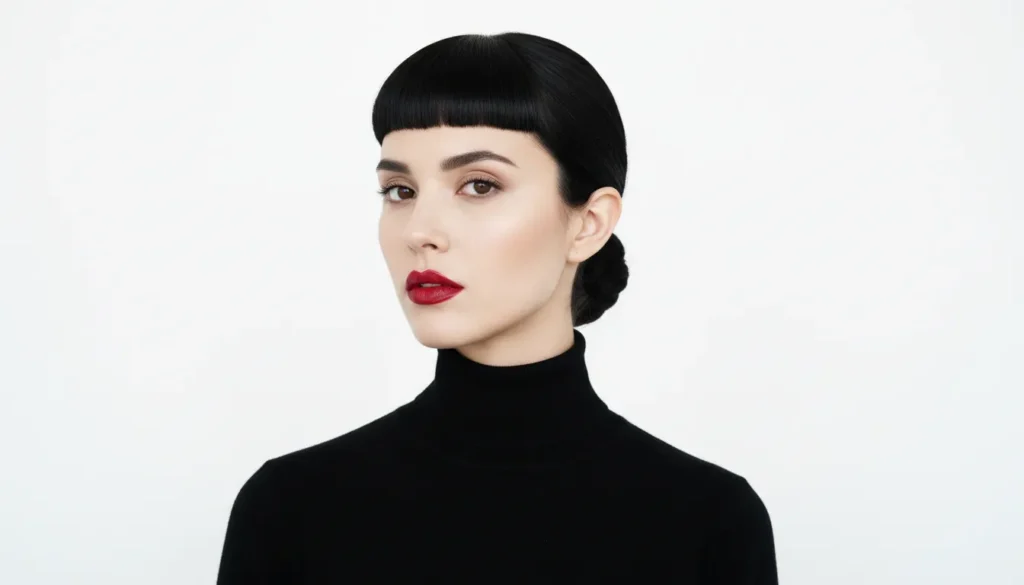
Baby bangs sit well above the eyebrows, typically at mid-forehead. They’re bold. Editorial. And they require absolute confidence because there’s no hiding them under a headband during the growing-out phase. I cut my first set of baby bangs in 2018 on a client who worked in fashion. She loved them. She also had the bone structure to support such a strong statement.
Here’s my honest assessment: baby bangs work for a very specific subset of people. You need strong features that can hold up against the visual weight of a short, blunt line across your forehead. They look incredible on oval and heart-shaped faces with defined cheekbones. They can overwhelm rounder face shapes because they create a horizontal emphasis that adds width.
The maintenance commitment is lower than you’d expect. Baby bangs don’t need daily styling because they’re too short to do much movement. You wash them, they dry, they lay flat. The challenge is the emotional commitment. You need to genuinely love this look because everyone will notice and comment. If you’re testing the waters with bangs, start with a longer style.
6. Choppy Bangs – The Textured, Effortlessly Cool Style

Choppy bangs feature deliberate unevenness with varying lengths throughout. I create this texture using a technique called slide cutting where I angle the scissors and make small cuts at different depths. This creates movement and prevents the bangs from looking too perfect or staged.
This style works exceptionally well for people who want a more relaxed, undone aesthetic. I cut choppy bangs on a client in August 2024 who had previously tried blunt bangs and felt they looked too severe. The choppy version gave her the coverage she wanted with a softer, more approachable feel.
The best part about choppy bangs is their forgiveness. Because the cut is intentionally imperfect, small variations in length as they grow aren’t noticeable. You can stretch time between trims to 5 or 6 weeks instead of the typical 3 to 4 weeks. They also hide cowlicks better than blunt styles because the varied lengths work with natural growth patterns instead of against them.
Style these with sea salt spray like the Bumble and bumble Surf Spray for enhanced texture. The goal is piece-y separation, not smooth perfection. Air drying works perfectly for this style if you have naturally straight to wavy hair.
Now that we’ve covered six of the different styles for bangs, let’s explore the remaining six options. Each offers unique benefits for specific face shapes and hair textures.
7. Arched Bangs – The Face-Framing, Feminine Option

Arched bangs follow a curved shape that’s shortest in the center and gradually gets longer toward the sides. This creates a softer look than straight-across blunt bangs while maintaining coverage. I cut the center point to graze the top of the eyebrows, then angle outward so the sides blend into face-framing layers around cheekbone level.
This style particularly flatters round and square face shapes because the curved line creates visual length and softness. The arch draws the eye vertically rather than emphasizing horizontal width. I used this technique on a client with a round face who had tried blunt bangs and felt they made her face look wider.
Arched bangs require precise cutting to get the curve symmetrical. This isn’t a style I recommend for at-home trimming. The maintenance is similar to blunt bangs with trims every 3 to 4 weeks, and you’ll need about 10 minutes daily for styling with a round brush to maintain the curved shape.
8. Asymmetrical Bangs – The Modern, Edgy Alternative

Asymmetrical bangs feature intentionally uneven lengths, typically shorter on one side and longer on the other. This creates visual interest and works particularly well for people who want something distinctive. I cut asymmetrical bangs on a graphic designer in November 2024 who wanted her hair to reflect her creative personality.
The key to making asymmetrical bangs work is ensuring the transition between lengths looks intentional, not accidental. I typically make one side end at mid-eyebrow while the other extends to cheekbone length or beyond. The longer side can be tucked behind the ear or left to sweep across the face.
These bangs suit people with strong personal style who aren’t afraid of standing out. They work well with angular face shapes because the asymmetry adds interesting contrast. Maintenance is moderate because the uneven nature means growth is less obvious than with symmetrical styles.
9. Layered Bangs – The Dimensional, Movement-Rich Choice

Layered bangs incorporate multiple lengths within the bang section to create depth and movement. I typically cut 2 to 3 distinct layers, with the shortest pieces in front and progressively longer layers behind. This prevents the flat, one-dimensional look that can happen with single-length bangs on fine hair.
This technique works beautifully for adding volume to fine or thin hair. The layers create space between hair strands, which makes the overall section appear fuller. I used this approach on a client with fine hair in October 2024 who complained her previous blunt bangs looked sparse and stringy.
Layered bangs require more styling than some other options. You’ll need to use a round brush on each layer to create lift and separation. The Drybar The Baby Brush Crush Mini Round Brush works perfectly for this because the smaller barrel size gives you control over individual layers. Plan for 12 to 15 minutes of styling time.
10. Feathered Bangs – The Retro-Inspired, Blended Style

Feathered bangs have soft, blended edges that seamlessly integrate with the rest of your hair. Think Farrah Fawcett, but updated for 2026. I create this effect using a razor cutting technique that produces wispy, tapered ends rather than blunt lines. The result is bangs that look like a natural extension of your hairstyle rather than a separate section.
This style experienced a resurgence in 2024 and 2025 as people moved away from severe, Instagram-perfect aesthetics toward more relaxed, vintage-inspired looks. Feathered bangs work across different face shapes because the soft blending doesn’t create harsh geometric lines.
The maintenance is surprisingly low. Because the edges are intentionally soft and irregular, you can go 5 to 6 weeks between trims. Style with a large round brush and flip the ends outward slightly for that classic feathered effect. The T3 Smooth Paddle Brush works well for this technique.
11. Full Fringe – The Maximum Coverage, Dramatic Statement
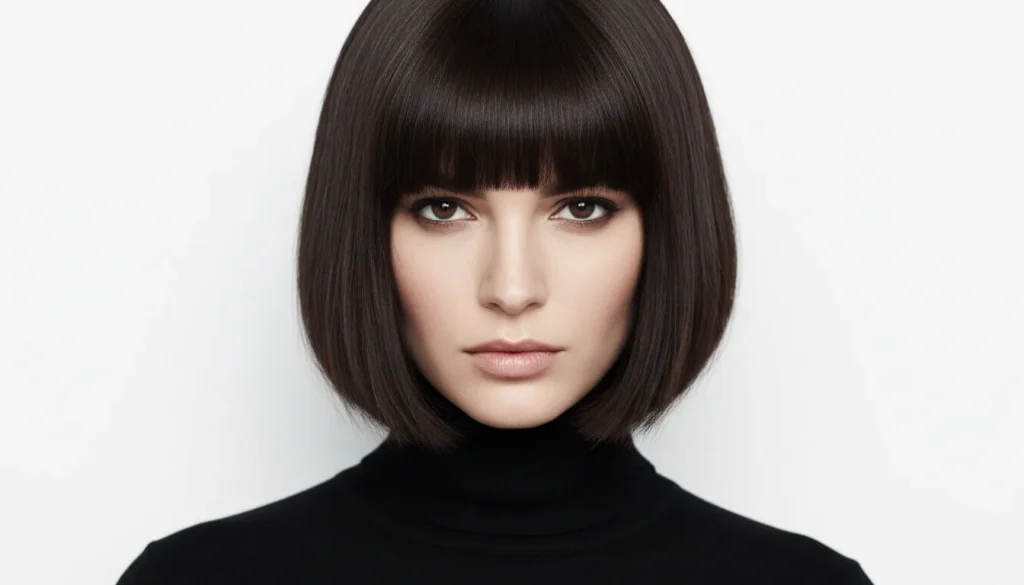
Full fringe uses a wider section of hair than typical bangs, extending from temple to temple with substantial density. This creates heavy coverage across the entire forehead. While Americans use fringe and bangs interchangeably, in professional styling we often reserve full fringe to describe this specific heavy, full-coverage look.
This style works best for people with thick, straight hair and oval or long face shapes. It adds horizontal weight that balances length. I cut a full fringe on a client with a long face and prominent forehead in June 2024. It completely transformed her face shape perception. But that same cut on a round face would emphasize width in an unflattering way.
Full fringe requires significant daily maintenance because you’re working with more hair. Expect 15 to 18 minutes for styling. You’ll also need frequent trims every 3 weeks because the density makes any length variation immediately visible. This is a high-commitment style for people who genuinely love the dramatic aesthetic.
12. Curly and Textured Bangs – The Curl-Embracing Approach

Cutting bangs on curly hair requires understanding shrinkage. Hair looks longer when wet and springs up when dry. I learned this lesson painfully in my second year of cutting hair when I gave a client with 3B curls bangs that hit her eyebrows wet. They dried above her hairline. Now I cut curly bangs 2 to 3 inches longer than the desired dry length, depending on curl tightness.
Curly bangs work best with curtain or side-swept styles. The natural texture creates that piece-y, separated look automatically. You don’t need thinning shears or special cutting techniques. The curl pattern does the work. I use a technique called curl-by-curl cutting where I trim each ringlet individually at its natural length. This prevents the stair-step effect that happens when you cut curly hair wet with straight scissors.
Products matter significantly for curly bangs. The DevaCurl SuperCream helps define curl pattern without making hair crunchy. For tighter curls, the Ouidad Climate Control Heat and Humidity Gel prevents frizz, which is crucial because bang pieces are close to your face where you’ll notice every stray hair. These products run $25 to $30 each, which adds up, but they make the difference between bangs that enhance your curls versus fight them.
Avoiding the Triangle Effect
Curly hair with bangs can create a triangle shape if the bang section is too wide. I keep the width narrower than I would for straight hair, typically limiting it to the area between the outer edges of the eyebrows. This maintains proportion and prevents that pyramid look that happens when too much curly hair is brought forward.
Matching Bang Styles to Your Face Shape
Understanding how the different styles for bangs interact with various face shapes is crucial for choosing a flattering cut. Round faces benefit from side-swept, curtain, or asymmetrical bangs that create vertical lines. Avoid blunt or full fringe styles that emphasize horizontal width.
Long faces need width, so blunt, baby, arched, or full fringe bangs work well by adding a horizontal break. Heart-shaped faces have wider foreheads and narrower chins. Side-swept, wispy, or feathered styles balance this proportion by softening the forehead without adding weight.
Square faces benefit from textured, choppy, or feathered bangs that soften angular jawlines. Avoid severe, geometric cuts that echo the face’s natural angles. Diamond-shaped faces are trickiest because you want to balance prominent cheekbones. I recommend longer curtain-style or asymmetrical bangs that start below the cheekbone, drawing the eye to the lower face.
Essential Tools for Bang Maintenance
Skip the specialized bang-cutting scissors marketed to consumers. They’re overpriced and difficult to control without training. For at-home touch-ups, use sharp hair-cutting shears from Sally Beauty ($25 to $35). The Fromm Solingen shears have consistent blade tension, which matters when you’re trimming your own bangs.
You need a quality blow dryer. The Dyson Supersonic is worth the $430 if you have thick hair and will use it daily. For everyone else, the Infinitipro by Conair costs $60 and has comparable heat settings. The key feature is consistent temperature and multiple speed settings. High heat with low airflow works best for precision styling on bang sections.
A small round brush specifically for bangs makes styling easier. I recommend a 1.5-inch diameter for most bang styles. The Ibiza Hair G3 brush has ceramic coating that helps set the style faster. Pair it with a heat protectant like the Bumble and bumble Hairdresser’s Invisible Oil Primer to prevent damage from daily styling.
Budget-Friendly Alternatives
If you’re testing bangs and don’t want to invest heavily before you’re sure, the essential kit is: basic hair shears from Sally Beauty ($25), a $20 round brush, and the Revlon One-Step ($35 on sale). This $80 setup handles 90% of styling needs for straight to wavy hair. Add the Ouidad Climate Control Gel ($26) only if you have curly or frizz-prone hair.
How to Successfully Grow Out Bangs
Hair grows approximately half an inch per month. If your bangs start at eyebrow length and you want them to blend with chin-length hair, you’re looking at 6 to 8 months minimum. That timeline assumes you’re getting regular trims to keep the growing hair healthy and shaped, not just letting it go wild.
I created a growing-out strategy that I use with clients who decide bangs aren’t for them. Week 1 through 4: style them as intended. Week 5 through 12: transition to side-swept styling with bobby pins or clips. Week 13 through 20: use headbands and incorporate them into half-up styles. Week 21 onward: they should be long enough to tuck behind ears or blend with layers.
Every 6 to 8 weeks during the growing-out process, get a trim that blends the bang pieces with your overall cut. This prevents the awkward separate-section look that makes growing-out phases so frustrating. I gradually increase the length and add subtle layers that integrate the former bang area into your face-framing pieces.
Can You Successfully Cut Your Own Bangs at Home?
Yes, but with significant caveats. I’ve trained three clients to maintain their own bangs between salon visits. All three have straight or slightly wavy hair, which is crucial. Cutting curly bangs at home is asking for disaster because of the shrinkage factor. One client tried it despite my warnings and created a 2-inch height difference between sides.
The technique that works: separate your bang section when hair is completely dry. Never cut wet. Divide into three vertical sections. Cut each section individually, using the previously cut section as a guide. Make tiny snips, removing 1/8 inch at a time. Check length after each cut. It takes 15 minutes to do this properly, but rushing leads to choppy, uneven results.
Point-cut instead of cutting straight across. Hold scissors vertically and snip small triangular notches into the ends. This creates a softer, more textured edge that’s forgiving of minor length variations. Straight-across cuts show every imperfection. I demonstrate this technique on YouTube, and clients who follow it carefully get decent results for touch-ups.
Frequently Asked Questions About Bang Styles
Do bangs make you look younger or older?
Bangs can do either depending on execution. Soft, textured styles like curtain, wispy, or feathered bangs typically create a youthful effect by framing the face gently. Heavy, blunt bangs can look aging if they’re too severe or if they create harsh horizontal lines that emphasize forehead wrinkles. The key is choosing a style with movement and softness rather than geometric precision. I’ve cut bangs on clients in their 50s and 60s that took years off their appearance because we used strategic layering and texture.
Will bangs damage my hair?
The cut itself doesn’t damage hair, but daily heat styling can. If you’re flat-ironing or blow-drying your bangs every morning without heat protectant, you’ll see damage within 2 to 3 months. Use a quality heat protectant always. The Olaplex No. 7 Bonding Oil works well for preventing heat damage. Also consider air-drying one or two days per week to give your hair recovery time. Choose bang styles that work with your natural texture to minimize necessary heat styling.
How do you stop bangs from getting oily quickly?
Oily bangs result from forehead contact and sebum transfer. Wash your face in the morning after styling your hair to remove any product residue that might transfer. Use a dry shampoo specifically on bang sections between full washes. The Batiste Original Dry Shampoo ($9) works well for this. Apply it before bed so it absorbs overnight oils. In the morning, brush it out. This extends the clean appearance by 1 to 2 days for most people.
What’s the best bang style for glasses wearers?
Longer styles like curtain, side-swept, or asymmetrical bangs work better with glasses because they don’t compete for the same visual space. Avoid blunt or baby bangs that hit right at your eyebrows where glasses sit. This creates a cluttered look with too many horizontal lines. Side-swept and feathered bangs also work well because they frame one side of your face and balance the glasses asymmetrically.
Should you get bangs if you have a cowlick?
Yes, but the bang style needs to work with the cowlick direction, not against it. If your cowlick swirls to the left, cut side-swept or asymmetrical bangs that go left. Choppy bangs also hide cowlicks well because the varied lengths work with natural growth patterns. Fighting the natural growth pattern means daily frustration. I map every client’s growth patterns before cutting bangs. In some cases, the cowlick location makes certain styles impossible, and I’m honest about that.
How much do professional bang cuts typically cost?
Prices vary significantly by location and salon. In major cities like New York or Los Angeles, expect $45 to $85 for a bang trim at a mid-range salon. The same service runs $25 to $40 in smaller cities. Some salons offer free or discounted bang trims between regular haircuts if you’re an existing client. I charge $35 for a standalone bang service, which includes consultation about style adjustments and maintenance advice.
Can you wear bangs with different hair lengths?
Absolutely. Bangs work with hair from pixie cuts to waist-length styles. The key is proportional balance. Very short hair benefits from piece-y, textured, or choppy bangs that don’t overpower the overall style. Long hair can handle heavier, fuller bangs because there’s more overall hair to create balance. I’ve successfully cut bangs on clients with every length imaginable. The style needs adjustment based on overall hair length, but bangs aren’t limited to specific lengths.
Do bangs work for fine or thin hair?
Fine hair can absolutely wear bangs, but you need to manage expectations about density. Taking too much hair for the bang section leaves the rest of your hair looking thin. I typically use a smaller section for fine-haired clients, creating wispy, layered, or feathered styles that don’t require heavy hair density. Avoid blunt or full fringe bangs if you have fine hair because they’ll either look sparse or leave your remaining hair looking stringy. The Oribe Grandiose Hair Plumping Mousse ($39) adds temporary thickness.
What’s the biggest mistake people make with bangs?
Cutting them too short initially. You can always go shorter, but you can’t add length back. I always cut bangs slightly longer than the target length on the first cut, then refine after seeing how they settle. This conservative approach prevents the panic moment when someone realizes their bangs are too short. The second biggest mistake is choosing styles based on trends rather than personal lifestyle and hair texture. That Instagram photo shows the best possible version with professional styling.
How do you style bangs in humid weather?
Humidity is bang enemy number one. Start with an anti-humidity product like the Living Proof No Frizz Nourishing Styling Cream ($30) on damp bangs before drying. After styling, seal with a light hairspray. The Kenra Volume Spray 25 ($20) provides hold without stiffness. In extremely humid conditions, consider embracing textured, choppy, or feathered styles instead of fighting for perfectly smooth bangs. Some days you work with your hair’s natural response to weather rather than against it.
Making Your Bang Decision With Confidence
The perfect bang style exists at the intersection of your face shape, hair texture, lifestyle reality, and personal aesthetic. It’s not about copying what looks good on someone else. It’s about understanding your hair’s natural behavior and choosing a style that enhances rather than fights it.
Start with an honest assessment of your daily routine. If you’re not going to style your hair for 10 minutes every morning, don’t get blunt or full fringe bangs that require it. If you have a prominent cowlick, work with its direction by choosing choppy or asymmetrical styles. If your hair is curly, embrace styles that showcase that texture rather than requiring you to straighten daily.
Remember Sarah from the opening? We eventually cut her curtain bangs after analyzing her natural wave pattern and discussing her minimal styling routine. Three months later, she still loves them because we matched the style to her reality, not to a trending photo. That’s the approach that creates long-term satisfaction instead of bang regret.
My prediction for 2026: we’ll see a continued shift away from ultra-precise, geometric bangs toward more textured, personalized styles like choppy, feathered, and layered bangs that celebrate individual hair characteristics. The Instagram-perfect aesthetic is giving way to authenticity and styles that actually work for real daily life. This evolution makes bangs more accessible and sustainable for more people.
What’s your biggest hesitation about getting bangs? Is it the maintenance commitment, worry about choosing the wrong style, or concern about the growing-out phase? Which of these 12 styles speaks to you most? I’d love to hear what’s holding you back or what convinced you to finally take the plunge.