
Declutter Your Bedroom by Banning These Bedroom Items: 12 Items to Ban
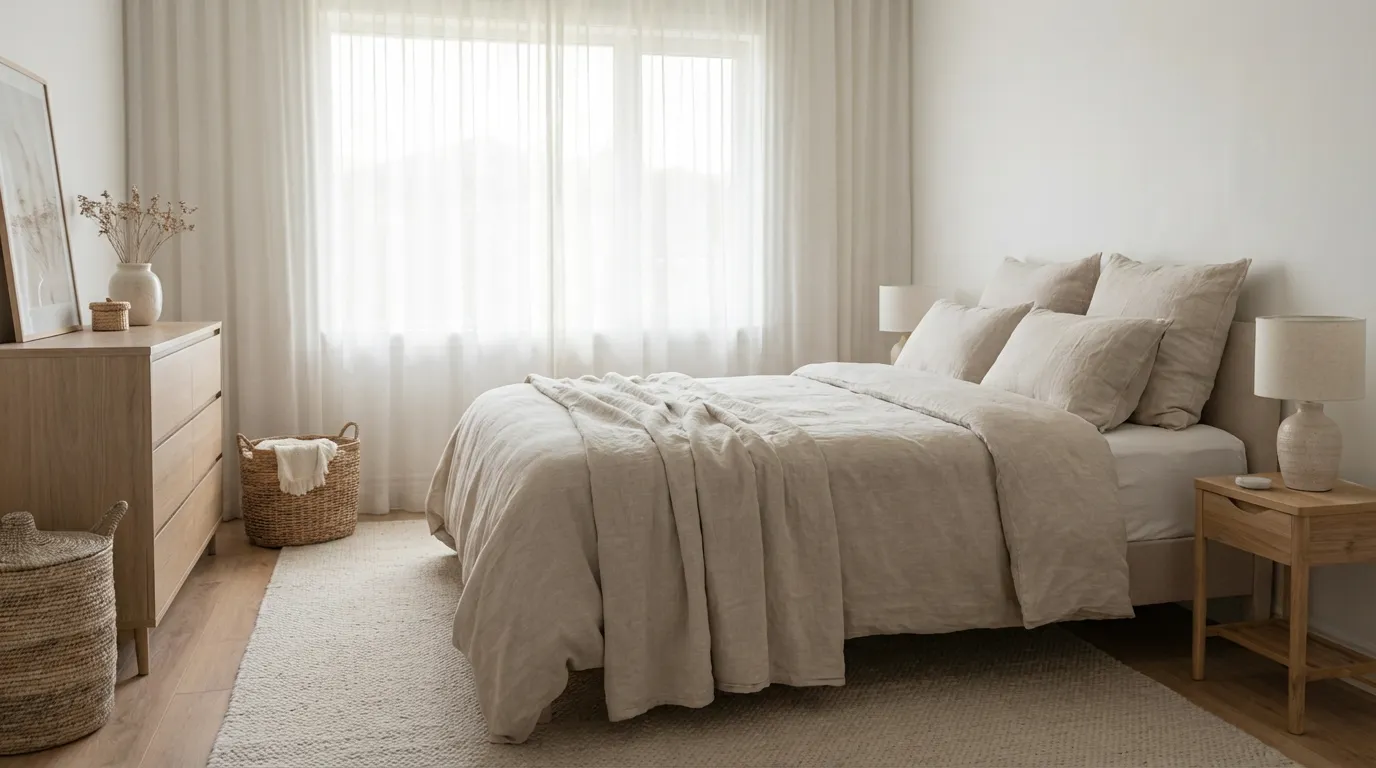
Look, I’m going to be honest with you. Your bedroom is probably hiding some stuff that’s secretly sabotaging your sleep, your safety, and your sanity.
I learned this the hard way when I couldn’t figure out why I kept waking up feeling exhausted. Turns out, my “cozy” bedroom was actually a clutter-filled stress zone packed with items that had no business being there. The moment I started decluttering my bedroom, everything changed.
Here’s the thing – not all bedroom items deserve a spot in your personal sanctuary. Some are downright dangerous. Others are just draining your energy without you even realizing it. And today, when you declutter your bedroom by banning these bedroom items, I’m showing you exactly which ones need to go.
Ready to declutter your bedroom and finally create that peaceful retreat you’ve been dreaming about? Let’s ban these items for good.
Why You Need to Declutter Your Bedroom (And Fast)
Your bedroom organization isn’t just about looking neat. It’s about protecting your health and actually getting decent sleep.
In my experience, most people don’t realize how much their cluttered bedroom affects them. You might be wondering why you can’t fall asleep at night or why you wake up stressed. The answer might be staring you right in the face.
Studies show that bedroom clutter directly impacts sleep quality and mental wellness. When your brain sees mess, it interprets it as unfinished tasks. That’s not exactly relaxing, is it?
Plus, some bedroom items are actual safety hazards. We’re talking fire risks and health problems that could’ve been avoided by simply removing the wrong stuff from your sleep space.
The Bedroom Items You Need to Ban Right Now
Now here’s where it gets interesting. I’ve organized these items by priority – starting with the most dangerous and working down to the sneaky clutter that’s robbing you of peace.
1. Space Heaters (Your Bedroom’s Biggest Fire Risk)

This one’s non-negotiable. Space heaters don’t belong in your bedroom overnight, period.
According to the National Fire Protection Association, space heaters are involved in 79% of fatal home heating fires. That’s a terrifying statistic. These devices get incredibly hot and can ignite bedding, curtains, or clothing in seconds.
I get it – you’re cold at night. However, the solution isn’t worth the risk. Invest in a heated blanket with an automatic shut-off instead, or just pile on an extra comforter. Your life is worth more than temporary warmth.
What I love about ditching the space heater is the peace of mind. You won’t have to worry about whether you remembered to turn it off before falling asleep.
2. Halogen Lights (The Double Threat)
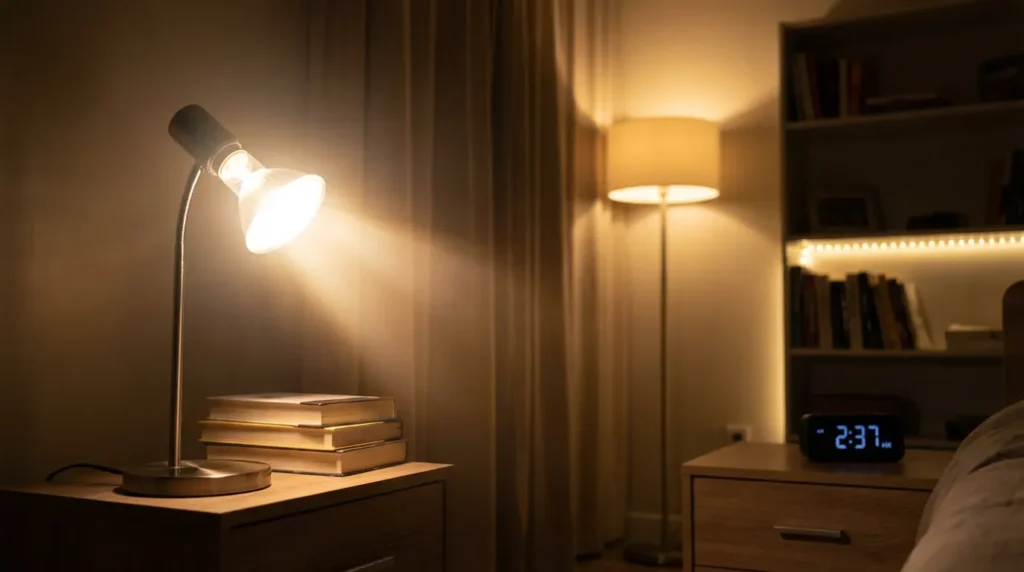
Most people don’t think twice about their bedroom lighting. That’s a mistake.
Halogen lights are dangerous for two reasons. First, they reach extremely high temperatures and create a serious fire hazard when placed near fabrics or paper. Second, they emit blue light that disrupts your melatonin production, making it harder to fall asleep.
Switch to LED bulbs immediately. They’re safer, more energy-efficient, and won’t mess with your sleep hormones. Plus, they last way longer, so you’ll save money in the long run.
3. Electronics and Blue Light Devices (Sleep Killers)
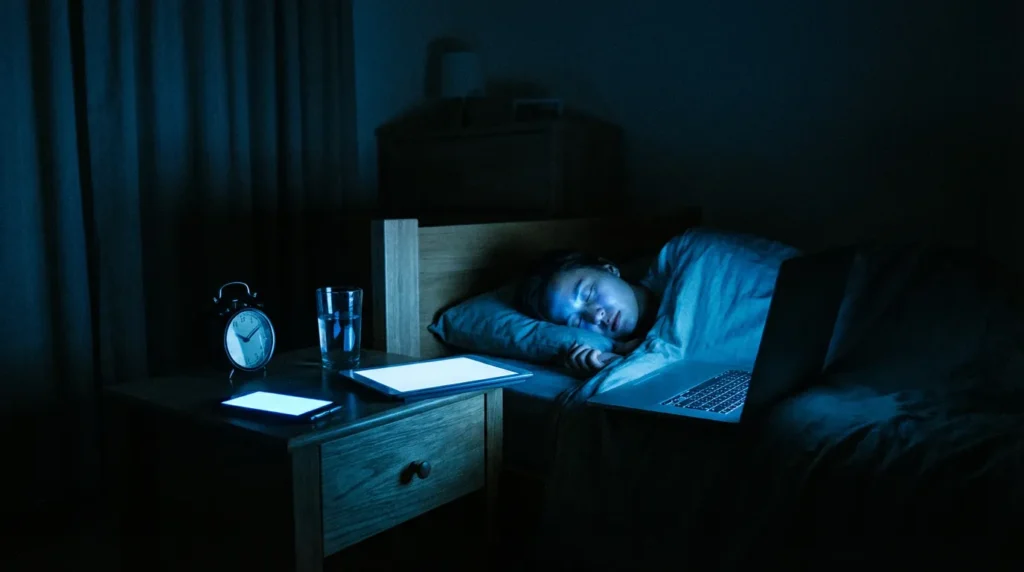
Your phone, tablet, laptop, and TV need to leave your bedroom. Or at minimum, they need to be far from your bed.
The blue light from these devices tricks your brain into thinking it’s daytime. This suppresses melatonin and makes falling asleep nearly impossible. What’s more, having electronics within arm’s reach creates a temptation to “just check one thing” that turns into an hour of scrolling.
Here’s what I’ve learned works: create a charging station outside your bedroom. Get an old-school alarm clock if you need one. Better yet, try using your phone’s bedtime mode and keeping it across the room.
If you absolutely must have devices in your bedroom, stop using them at least two hours before bed. Consider blue-light-blocking glasses or screen protectors as a compromise.
Replacing late-night scrolling with screen-free activities for adults can instantly improve your sleep routine.
4. Your Work Desk and Office Materials
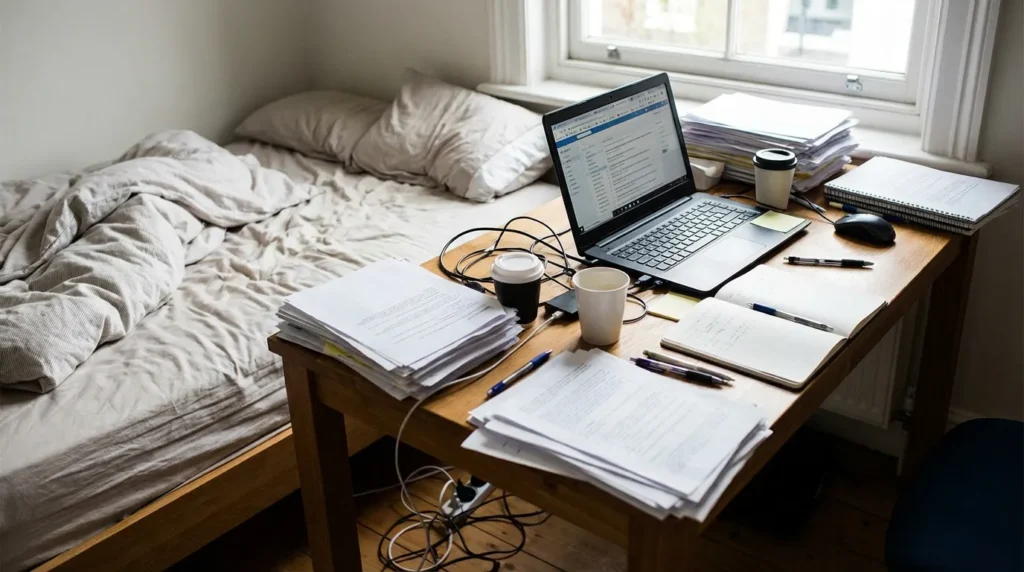
Decluttering your bedroom means removing anything that reminds you of work stress. That desk covered in papers? It’s got to go.
When your bedroom doubles as your home office, your brain never fully relaxes. You’ll constantly see that pile of work, even when you’re trying to unwind. This creates chronic stress and makes it harder to separate work life from rest time.
Now, I understand not everyone has space for a dedicated office. If you’re stuck with a desk in your bedroom, at least create a physical barrier. Use a room divider or turn the desk to face away from your bed. Cover it with a decorative cloth at night so you can’t see your work materials.
The goal is to make your bedroom a bedroom sanctuary, not an extension of your office. Your mental health will thank you.
If work clutter has spilled beyond the bedroom, this 15-minute living room reset routine helps restore boundaries fast.
5. Exercise Equipment (The Gym Smell Problem)
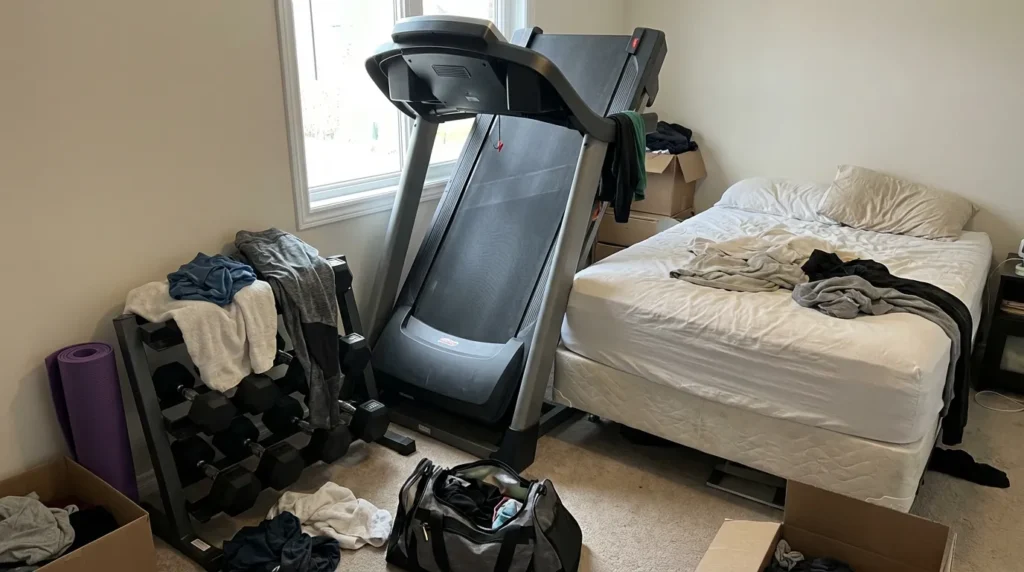
I used to keep my treadmill in my bedroom because “it was convenient.” Know what else was convenient? Never getting quality sleep.
Exercise equipment turns your relaxation space into a gym. The visual reminder of workouts represents effort and work – exactly what you don’t want to see when trying to rest. Additionally, workout gear tends to smell like sweat no matter how much you clean it.
Bedroom organization experts agree that exercise equipment belongs anywhere but your sleep space. Move it to a spare room, basement, garage, or even your living room. Your bedroom should only contain items that promote relaxation and sleep.
Can’t move your equipment? At least cover it completely with a decorative sheet or position it behind a folding screen. Out of sight, out of mind actually works here.
Understanding the Impact: What These Items Are Really Costing You
Let me show you something eye-opening. This table breaks down exactly how common bedroom items affect your sleep, safety, and overall wellbeing:
| Bedroom Item | Sleep Impact | Safety Risk | Mental Wellness Impact | Action Priority |
|---|---|---|---|---|
| Space Heaters | Moderate (worry/anxiety) | EXTREME (79% of fatal fires) | High (constant worry) | Remove immediately |
| Halogen Lights | High (melatonin disruption) | High (fire hazard) | Low | Replace within 1 week |
| Electronics/Phones | EXTREME (blue light exposure) | Low | Moderate (FOMO, anxiety) | Remove tonight |
| Work Desk | High (stress association) | None | EXTREME (chronic stress) | Relocate within 1 month |
| Exercise Equipment | Moderate (psychological) | Low | Moderate (guilt, pressure) | Move within 2 weeks |
| Flat/Old Pillows | High (neck pain, allergens) | Low | Moderate (frustration) | Replace ASAP |
| Alcohol | High (disrupts REM sleep) | Moderate (health) | Moderate (dependency risk) | Stop bringing in |
| Overflowing Laundry | Low-Moderate | None | High (visual stress) | Fix this weekend |
This table makes it crystal clear, doesn’t it? Some items are literally dangerous, while others are slowly draining your energy every single day.
6. Flat, Lumpy, or Outdated Pillows
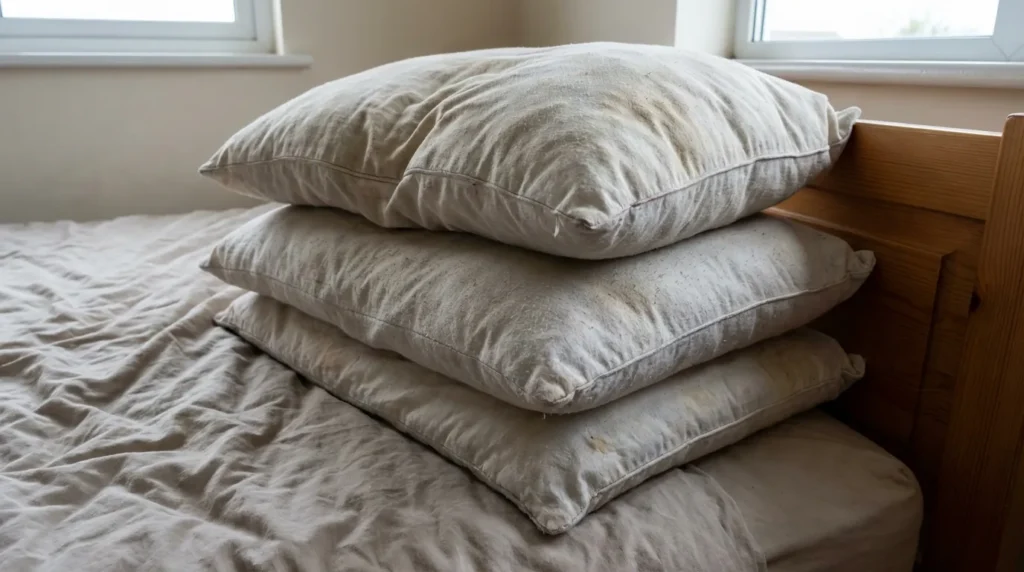
Your pillow directly affects your sleep quality and neck health. If you’re waking up with neck pain or allergies, your pillow is probably the culprit.
Here’s a simple test: fold your pillow in half. If it doesn’t spring back into shape, it’s dead. Toss it immediately and get a new one. Most pillows need replacing every 1-2 years because they accumulate dust mites, dead skin cells, and lose their support.
In my experience, investing in a quality pillow changed everything about my sleep. Don’t cheap out on something your head rests on for 8 hours every night. Your neck and spine deserve better.
Better sleep posture pairs perfectly with calming beauty habits before bed for real results that support overnight recovery.
7. Alcohol (The Sleep Quality Destroyer)
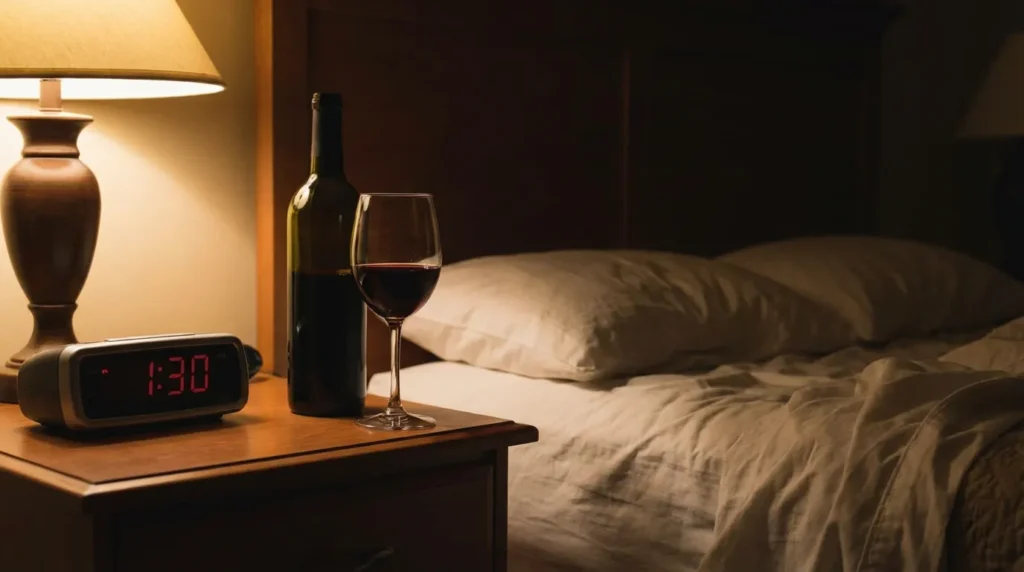
This one’s controversial, but hear me out. Alcohol might help you fall asleep faster, but it absolutely destroys your sleep quality.
Research from the Sleep Foundation shows that alcohol disrupts REM sleep – the restorative phase where your brain processes emotions and memories. You’ll wake up feeling exhausted even after a full night’s sleep.
Ban alcohol from your bedroom entirely. If you’re going to have a drink, finish it at least three hours before bed and stay in your living room or kitchen. Don’t bring it into your sleep space.
8. Overflowing Laundry Baskets
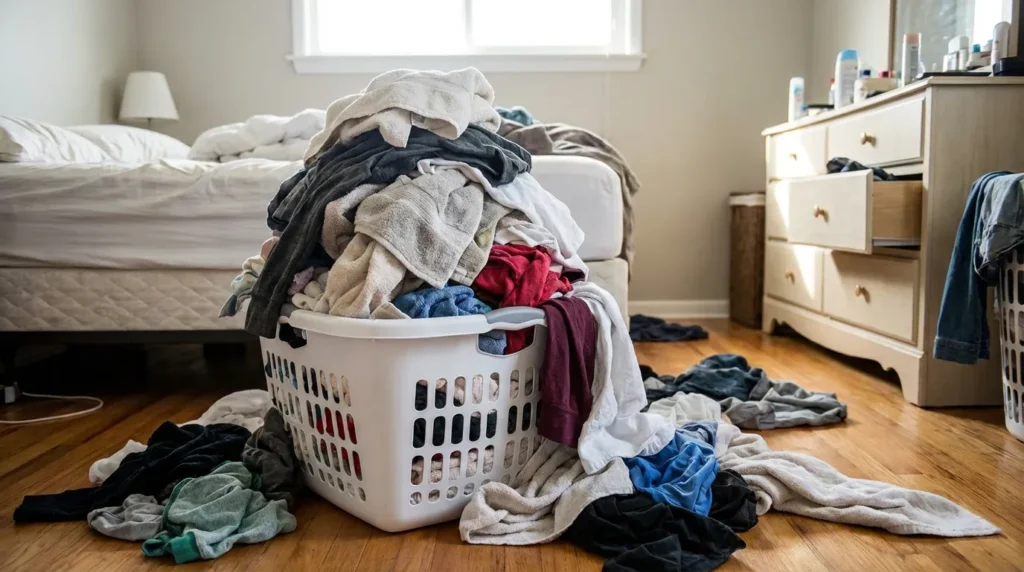
Look, I get it – laundry piles up. However, that overflowing basket is a visual reminder of unfinished tasks, and it’s stressing you out more than you realize.
The sight of a full laundry basket triggers your brain’s task-management system. Even when you’re trying to relax, part of your mind is thinking “I need to do laundry.” That’s not exactly conducive to rest.
Move your laundry basket to your closet, bathroom, or laundry room. Better yet, commit to doing a load before it overflows. Your bedroom organization improves instantly when you remove this visual clutter.
9. Clothes You Never Wear
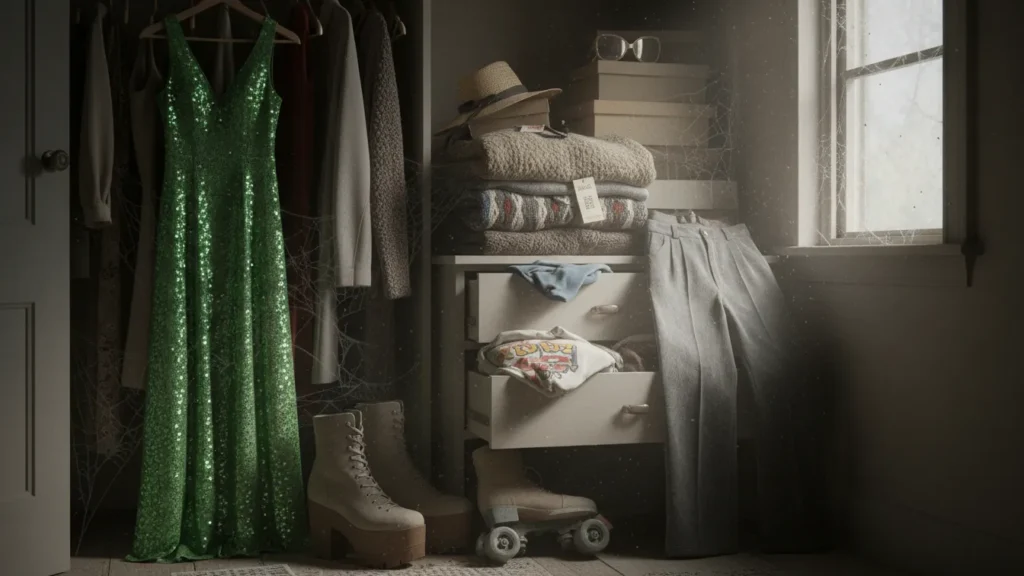
Declutter your bedroom by tackling your closet and drawers. Those clothes you haven’t worn in a year? They’re taking up valuable space and creating decision fatigue every morning.
You might be wondering why unworn clothes matter. Here’s the thing – excess clothing creates visual clutter and makes it harder to find what you actually want to wear. This starts your day with frustration instead of calm.
Go through your clothes honestly. If you haven’t worn something in 12 months (and it’s not formal wear or seasonal), donate it. Someone else can actually use it, and you’ll feel lighter. Trust me on this.
10. Books You’ve Already Read
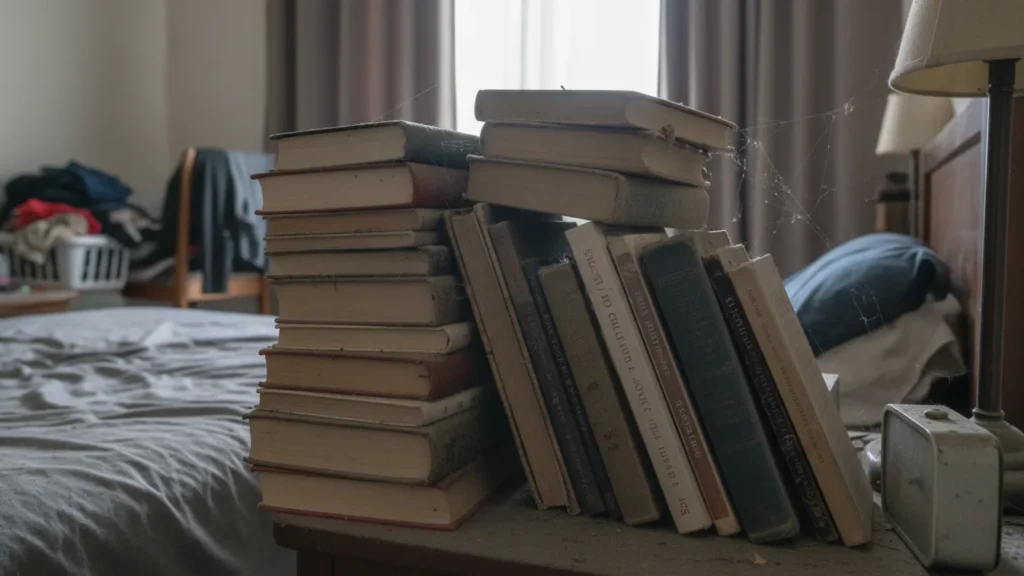
I used to keep every book I’d ever read on my bedroom shelves. Then I learned something interesting from Feng Shui principles – old, read books represent completed energy, not fresh possibilities.
Now here’s where it gets interesting. Keeping books you’ve already finished can actually block new experiences and opportunities from entering your life. Plus, they collect dust and create visual clutter.
Move finished books to a living room bookshelf where they can spark conversations with guests. Keep only unread books in your bedroom – the ones you’re actually excited to dive into. Additionally, never store books under your bed according to Feng Shui experts, as this can disrupt sleep and romantic energy.
11. Old Collectibles and Sentimental Items You Don’t Love
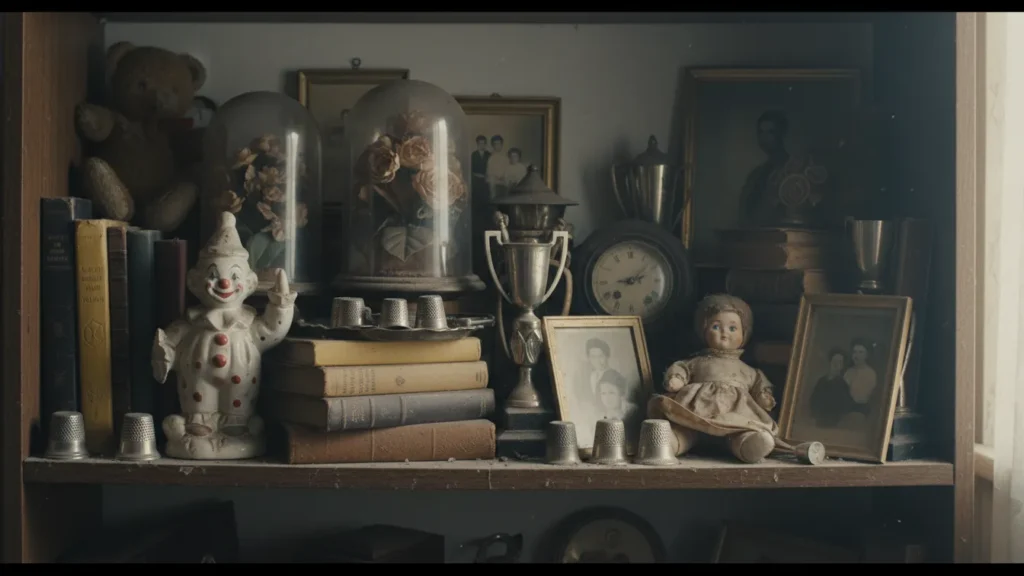
Bedroom items should only include things you truly love right now. That dusty collection from high school? Those figurines you inherited but don’t connect with? They need to go.
In my experience, holding onto sentimental items out of guilt creates stagnant energy in your space. Your bedroom should reflect who you are now, not who you used to be or who someone else wants you to be.
Be ruthless here. Keep a few meaningful pieces that genuinely make you smile, and donate the rest. What I love about this process is how liberating it feels. You’re not betraying anyone’s memory by letting go of physical objects.
12. Dead or Dying Plants
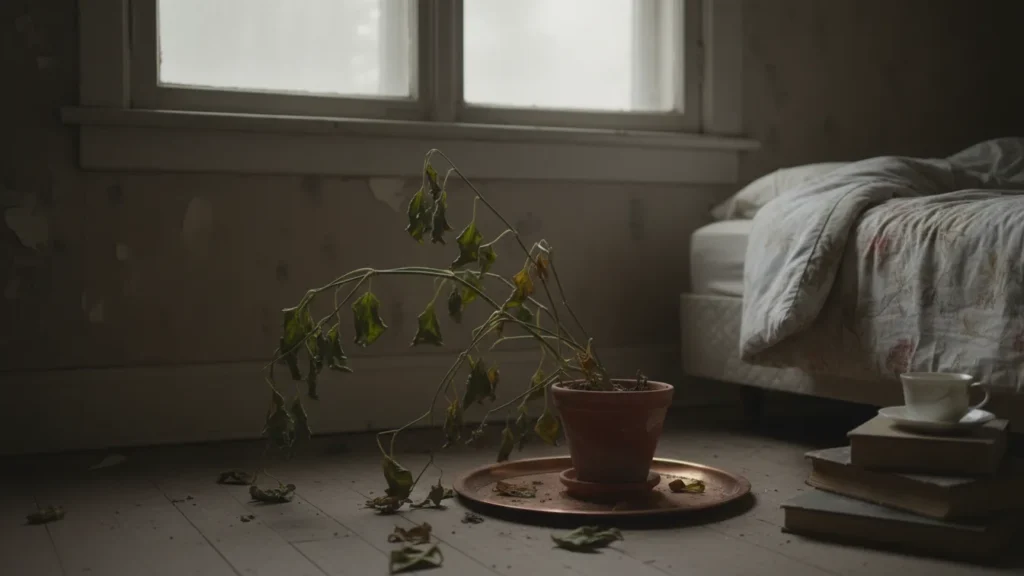
Plants can be wonderful bedroom additions – when they’re healthy. Dead or dying plants, however, represent decay and create negative energy in your space.
Plus, dying plants can harbor mold, attract bugs, and just look depressing. If you can’t keep a plant alive in your bedroom (maybe it doesn’t get enough light), don’t force it.
Choose low-maintenance plants like snake plants or pothos that thrive in bedroom conditions, or skip plants entirely. There’s no rule saying you must have them.
Step-by-Step Guide: How to Declutter Your Bedroom This Weekend
Ready to actually declutter your bedroom? Here’s exactly how to do it without getting overwhelmed.
Day 1: Safety Items (2-3 hours)
Start with the dangerous stuff first. Remove space heaters, replace halogen bulbs with LEDs, and create an electronics charging station outside your bedroom. This is your highest priority for both safety and sleep quality.
Additionally, check your smoke detector while you’re at it. Make sure it’s working and has fresh batteries.
Day 2: Work and Exercise Items (2-4 hours)
Next, tackle work materials and exercise equipment. If you can’t move them permanently right away, at least create temporary barriers or covers. The goal is to visually separate these items from your sleep space.
What’s more, this is a great time to evaluate what you actually need. Do you really use that exercise bike, or is it just an expensive clothes hanger?
Day 3: Clutter and Personal Items (3-5 hours)
Now for the longer process – bedroom organization of clothes, books, collectibles, and laundry. Go through one category at a time:
- Start with clothes – try everything on if needed
- Move to books and papers – keep only what excites you
- Tackle collectibles and decorative items last
- Handle laundry and get everything put away
Be honest with yourself during this process. However, don’t beat yourself up if it takes longer than expected. Decluttering your bedroom is a big job.
Creating Your Bedroom Sanctuary: What to Keep Instead
Decluttering your bedroom isn’t just about removing stuff. It’s about being intentional with what stays.
Keep items that directly support sleep and relaxation: comfortable bedding, blackout curtains, a simple alarm clock, and maybe one or two meaningful photos or art pieces. That’s really all you need for a peaceful bedroom sanctuary.
What I love about a minimalist bedroom is how much easier it is to keep clean. There’s less to dust, less to organize, and less to stress about. Your bedroom organization practically maintains itself.
Additionally, consider what you add back carefully. Every bedroom item should earn its place by either serving a function or bringing you genuine joy.
Common Mistakes When Decluttering Your Bedroom
Let me save you from the mistakes I made when I first started decluttering my bedroom.
Mistake #1: Trying to do everything in one day. This leads to burnout and often means you’ll give up halfway through. Break it into manageable sessions instead.
Mistake #2: Just moving clutter around. Don’t shift items from your bedroom to another room without deciding their fate. Make real decisions: keep, donate, or trash.
Mistake #3: Keeping things “just in case.” If you haven’t used it in a year, you probably won’t. Let it go.
Mistake #4: Ignoring the emotional aspect. Decluttering your bedroom can bring up feelings. That’s normal. Take breaks when needed and be gentle with yourself.
The Mental Health Benefits of a Decluttered Bedroom
Now here’s where it gets really good. Bedroom organization dramatically improves your mental wellness.
Studies on clutter and mental health show that cluttered spaces increase cortisol (stress hormone) levels and contribute to anxiety and depression. When you declutter your bedroom, you’re literally reducing your stress hormones.
You might be wondering if it really makes that big of a difference. In my experience, absolutely yes. Walking into a clean, organized bedroom at the end of a long day feels like a weight lifting off your shoulders.
What’s more, a decluttered bedroom improves your relationships. When your space is calm and inviting, you feel better about spending time there with your partner. It creates a more romantic, peaceful atmosphere.
Maintaining Your Decluttered Bedroom Long-Term
Decluttering your bedroom once is great. Keeping it that way? That’s the real challenge.
Here’s what works: implement a “one in, one out” rule. When you bring a new bedroom item in, something old must leave. This prevents clutter from building up again.
Additionally, do a quick 10-minute reset every night before bed. Put clothes away, clear surfaces, and tidy up. This small habit maintains your hard work and helps you wake up to a peaceful space.
Schedule a seasonal bedroom declutter session every few months. Go through your space with fresh eyes and remove anything that’s crept back in. Think of it as regular maintenance for your bedroom sanctuary.
Your Bedroom Sanctuary Awaits
Look, decluttering your bedroom isn’t about achieving perfection. It’s about creating a space where you can actually rest, recharge, and feel at peace.
Start with the dangerous items today – remove that space heater and replace those halogen bulbs. Then tackle one category at a time over the next few weekends. You don’t have to do this all at once.
The bedroom items you ban today will transform your sleep quality, safety, and mental wellness tomorrow. Your future self will thank you for taking this step.
Ready to create your bedroom sanctuary? Pick one item from this list right now and commit to removing it this weekend. Start small, but start today. Your peaceful, clutter-free bedroom is waiting for you.
What’s the first bedroom item you’re going to ban? Drop a comment below and let me know – I’d love to hear about your decluttering journey!