25+ Cottage Core Garden Ideas to Transform Your Outdoor Space Into a Storybook Paradise
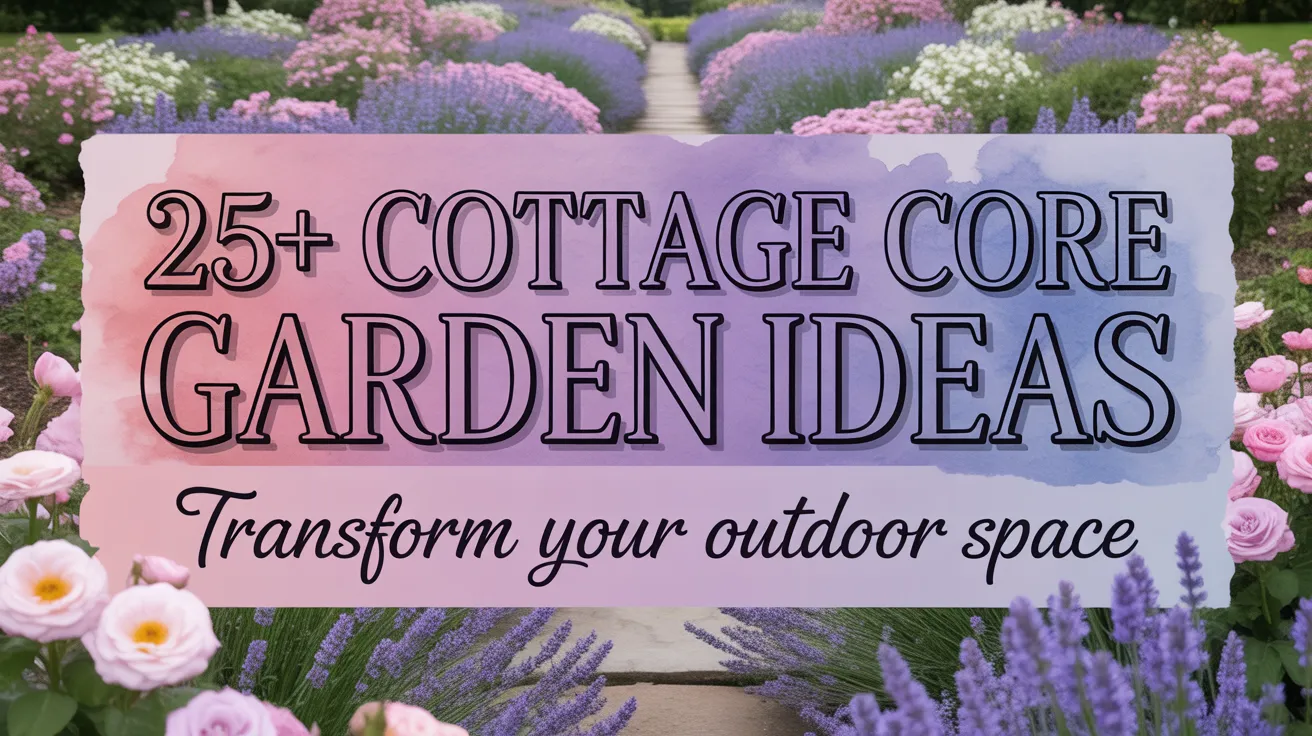
Creating a cottage core garden is more than just planting flowers—it’s about crafting a magical sanctuary that transports you to a simpler, more enchanting time. Whether you’re working with a sprawling backyard or a cozy balcony, these cottage core garden ideas will help you design the whimsical outdoor retreat you’ve always dreamed of.
What Makes Cottage Core Gardens So Magical?
Cottage core gardens celebrate the beauty of imperfection and the romance of nature. Unlike manicured landscapes, these gardens embrace wild growth, vintage charm, and a deep connection to the natural world. The aesthetic draws inspiration from English countryside cottages, rural life, and nostalgic memories of grandmother’s gardens filled with climbing roses, lavender, and herb patches.
The magic lies in the intentional chaos—where wildflowers mingle freely with edible herbs, climbing vines cascade over weathered trellises, and every corner reveals a delightful surprise. These gardens aren’t just visually stunning; they’re sensory experiences filled with fragrant blooms, buzzing pollinators, and the gentle rustling of ornamental grasses.
Understanding the Cottage Core Aesthetic in Garden Design
At its heart, the cottage core aesthetic represents a return to simpler living. This design philosophy prioritizes:
- Natural, organic materials like weathered wood, natural stone, terracotta, and wrought iron
- Sustainable practices that support local ecosystems and wildlife
- Nostalgic elements featuring vintage treasures and handcrafted items
- Abundant plantings with overlapping textures and colors
- Romantic touches including soft lighting, cozy seating areas, and whimsical decor
Unlike formal garden styles, cottage core gardens thrive on spontaneity. Plants are encouraged to self-seed, spill over edges, and create natural groupings. This organized chaos creates a garden that feels alive, evolving, and deeply personal.
You can also bring the same cozy charm indoors with these cottagecore decor ideas that match your garden’s romantic, vintage feel.
Essential Elements for Authentic Cottage Core Gardens
Natural Color Palettes
Cottage core gardens favor soft, muted tones inspired by nature. Think sage greens, dusty blues, soft pinks, buttery yellows, and warm earth tones. These colors create a soothing, timeless atmosphere that complements the natural surroundings.
These soft, muted tones are very similar to the palette I use in my warm apartment aesthetic ideas, so your indoor and outdoor spaces feel beautifully connected.
For flower selections, combine pastels with pops of vibrant color—blush roses paired with deep purple lavender, creamy whites mixed with fiery dahlias, or pale yellow daisies alongside rich burgundy poppies.
Sustainable Garden Practices
Modern cottage core garden ideas embrace eco-conscious living. Incorporate drought-tolerant plants like yarrow, catmint, and grevillea for water conservation. Create pollinator-friendly spaces with native wildflowers, echinacea, and coneflowers. Add bird feeders, birdbaths, and bee hotels to support local wildlife.
Composting, rainwater collection, and organic gardening methods align perfectly with the cottage core philosophy of living in harmony with nature.
Layered Planting Strategies
Create depth and visual interest through strategic layering:
- Ground layer: Low-growing plants like creeping thyme, violets, and sweet alyssum
- Mid-layer: Perennials such as catmint, dianthus (cottage pinks), and coreopsis
- Tall layer: Hollyhocks, delphiniums, foxgloves, and climbing roses
- Vertical elements: Clematis, jasmine, honeysuckle, and wisteria on trellises
This multi-dimensional approach ensures your garden looks full and lush throughout the growing season.
25+ Enchanting Cottage Core Garden Ideas
1. Design a Romantic Garden Entrance with Weathered Gates

Your garden entrance sets the tone for the entire space. Install a rustic wooden gate or ornate wrought-iron design adorned with climbing roses, wisteria, or jasmine. Add a hand-painted welcome sign or vintage wreath to personalize the entry.
Let vines wrap naturally around the gate structure, creating that overgrown, timeless look. Place stone pavers or gravel pathways leading through the gate to invite exploration.
2. Create a Wildflower Meadow Paradise
Wildflower meadows epitomize the cottage core aesthetic. Plant native species like black-eyed Susans, coneflowers (echinacea), cornflowers, poppies, and daisies for a low-maintenance, pollinator-friendly display.
Allow flowers to grow tall and untamed, creating waves of color that shift with the seasons. Add winding stepping stone paths through the meadow to encourage wandering and discovery.
Pro tip: Use a cottage garden seed mix containing traditional favorites like nasturtiums and sweet peas for instant cottage charm.
3. Incorporate Vintage Garden Treasures
Scour flea markets, antique shops, and estate sales for unique cottage core decor. Look for weathered watering cans, vintage birdcages, antique lanterns, distressed urns, old wheelbarrows, and rustic metal buckets.
Display these treasures strategically among your plantings—an old watering can overflowing with trailing petunias, a vintage bicycle planter filled with seasonal blooms, or antique milk cans converted into flower vases.
4. Build a Cozy Garden Seating Nook
Transform a quiet corner into your personal sanctuary. Place a weathered wooden bench, vintage bistro set, or rustic swing adorned with floral cushions and crocheted throws.
Surround your seating area with fragrant plants like lavender, roses, and sweet peas. Add hanging baskets filled with trailing ivy or fuchsia. String fairy lights or hang vintage lanterns for enchanting evening ambiance.
5. Plant a Functional Herb Garden with Cottage Charm

Herb gardens are quintessentially cottage core—beautiful and practical. Plant lavender, rosemary, mint, basil, thyme, sage, and oregano in terracotta pots, wooden crates, or vintage tin containers.
Arrange herbs near kitchen entrances or along pathways where you’ll brush against them, releasing their wonderful scents. Include edible flowers like nasturtiums and calendula for added color and culinary versatility.
6. Design Winding Secret Garden Paths
Create intrigue with meandering pathways using natural gravel, moss-covered bricks, weathered flagstone, or rustic stepping stones. Avoid straight lines—curves and gentle bends feel more organic and inviting.
Line paths with lush borders of catmint, lamb’s ear, lady’s mantle, or ornamental grasses. Add archways covered in climbing roses or clematis to create magical transitions between garden rooms.
7. Host Enchanting Garden Tea Parties
Dedicate a space for outdoor entertaining with cottage charm. Set up a vintage table with mismatched floral china, lace tablecloths, and fresh flower centerpieces.
Serve homemade scones, finger sandwiches, and tea in delicate teacups. Decorate with pastel linens, vintage silver, and scattered rose petals. This space becomes perfect for intimate gatherings or solitary afternoon retreats.
8. Create Miniature Fairy Gardens
Add whimsy with fairy garden vignettes using miniature houses, tiny furniture, moss landscapes, and small-scale plants like succulents and baby’s tears.
Tuck fairy gardens into tree stumps, large containers, or garden corners. Add tiny lights, pebble pathways, and fairy figurines to complete these magical micro-landscapes.
9. Attract Wildlife with Vintage Bird Feeders

Repurpose vintage teacups, mason jars, rustic birdhouses, and weathered wood into charming bird feeders. Hang them from shepherd’s hooks, tree branches, or garden posts.
The sight and sound of birds visiting your garden adds vitality and connection to nature. Include birdbaths and water features for additional wildlife appeal.
10. Train Climbing Vines on Rustic Trellises
Vertical gardening is essential for cottage core gardens. Use wooden or metal trellises to support climbing roses, clematis, sweet peas, jasmine, honeysuckle, and morning glories.
Place trellises against walls, fences, or as freestanding structures. The cascading flowers add height, fragrance, and romantic vertical interest while maximizing limited space.
11. Transform Garden Sheds into Cozy Retreats
Paint your garden shed in soft pastels—pale blue, sage green, or buttery yellow. Add window boxes overflowing with geraniums and trailing ivy. Install vintage hardware and a weathered screen door.
Inside, decorate with rustic shelves, vintage garden tools, floral curtains, and comfortable seating. Your shed becomes a functional workspace or peaceful hideaway.
12. Add Serenity with Water Features
Incorporate vintage fountains, stone birdbaths, or small ponds to create tranquil focal points. The gentle sound of trickling water enhances the peaceful atmosphere while attracting birds and beneficial insects.
Choose designs with aged patina—weathered stone, verdigris copper, or moss-covered concrete—for authentic cottage charm.
13. Design with Upcycled Garden Art

Turn salvaged materials into unique garden features. Convert old ladders into vertical planters, repurpose vintage windows as trellises, transform kitchenware into quirky containers, and use architectural salvage as garden sculptures.
These one-of-a-kind pieces add personality while supporting sustainable practices.
14. Create a Moonlight Garden for Evening Magic
Plant white and silver flowers that glow in twilight: moonflowers, white roses, silver artemisia, white nicotiana, and angel’s trumpet. Add night-blooming plants like evening primrose and night phlox.
Use soft lighting—solar lanterns, string lights, or candles in hurricane lamps—to create ethereal evening ambiance perfect for nighttime relaxation.
15. Build a Garden Tea House or Gazebo
Construct a rustic tea house, gazebo, or pergola using natural wood and stone. Fill it with comfortable seating, hanging plants, and soft lighting.
This becomes your ultimate retreat for meditation, journaling, reading, or simply enjoying your garden sanctuary. Drape climbing vines over the structure for added romance.
16. Plant Traditional Cottage Flowers
Stock your garden with classic cottage plants including:
- Roses: Climbing, shrub, and old-fashioned varieties
- Peonies: Lush, fragrant spring bloomers
- Hollyhocks: Tall, architectural favorites
- Delphiniums: Stately blue and purple spires
- Foxgloves: Elegant tubular flowers
- Dahlias: Bold, vibrant late-summer stars
- Hydrangeas: Abundant mophead and lacecap blooms
- Hellebores: Early spring elegance
- Bearded iris: Dramatic ruffled flowers
17. Incorporate Ornamental Grasses

Soften edges and add movement with ornamental grasses like feather reed grass, fountain grass, Mexican feather grass, and blue fescue. These low-maintenance plants provide texture, sound, and year-round interest.
18. Design Diagonal Brick or Stone Edging
Add nostalgic charm with traditional edging techniques. Lay bricks diagonally to create zigzag patterns along paths and beds—a classic cottage garden detail that adds visual interest and defines spaces.
19. Create Container Gardens with Vintage Charm
For small spaces or balconies, embrace container gardening using terracotta pots, vintage wooden crates, galvanized buckets, and ceramic planters.
Group containers in varied heights and sizes. Mix flowers, herbs, and trailing plants for cottage core abundance in compact spaces.
20. Plant Fragrant Flower Borders
Line pathways and seating areas with aromatic plants: lavender hedges, sweet peas on supports, stock, heliotrope, dianthus, and scented geraniums.
These fragrant borders engage the senses and create memorable garden experiences.
21. Add Rustic Garden Lighting

Install vintage-inspired lighting: shepherd’s hook solar lights, mason jar lanterns, string Edison bulbs, wrought-iron lamp posts, and candle chandeliers.
Proper lighting extends garden enjoyment into evening hours while adding romantic ambiance.
22. Create a Cutting Garden
Dedicate a space for growing flowers specifically for indoor arrangements. Plant zinnias, cosmos, sunflowers, celosia, and annual dahlias in rows or blocks for easy harvesting.
This practical addition provides fresh bouquets while maintaining cottage charm.
23. Incorporate Evergreen Structure
Balance seasonal blooms with evergreen shrubs and perennials: boxwood, yew, lavender, rosemary, and ornamental kale. These provide year-round structure and ensure your garden looks beautiful even in winter.
24. Design a Vegetable and Flower Mix
Blend edible and ornamental plants—tomatoes with marigolds, beans climbing beside sweet peas, lettuce edging rose beds. This traditional cottage approach maximizes space while creating beautiful, productive gardens.
25. Add Whimsical Garden Ornaments

Incorporate charming accessories: vintage garden signs, decorative plant markers, weathered statues, painted stones, wind chimes, and sundials.
These personal touches make your cottage core garden uniquely yours.
26. Create Seasonal Succession Plantings
Plan for year-round interest with succession planting:
- Spring: Bulbs, primrose, hellebores
- Summer: Roses, lavender, echinacea
- Fall: Asters, sedum, ornamental grasses
- Winter: Evergreens, winter-flowering plants, decorative seed heads
Cottage Core Garden Ideas for Small Spaces
Limited space doesn’t limit cottage core potential. Urban gardeners and balcony enthusiasts can create magical retreats through:
Vertical gardening: Use wall-mounted planters, hanging baskets, and tiered plant stands to maximize vertical space.
Container groupings: Cluster pots of varied sizes filled with cottage favorites like petunias, trailing ivy, and herbs.
Compact varieties: Choose dwarf versions of traditional cottage plants—miniature roses, compact lavender, and small-scale delphiniums.
Window boxes: Fill with trailing geraniums, petunias, and herbs for instant cottage charm visible from indoors and out.
Balcony trellises: Install trellises for climbing plants like jasmine, sweet peas, or compact clematis varieties.
Practical Planning for Your Cottage Core Garden
Assess Your Space and Conditions
Before planting, evaluate:
- Sunlight patterns: Full sun, partial shade, or full shade
- Soil type: Clay, sandy, or loamy
- Water availability: Irrigation needs and drainage
- Climate zone: Hardy plants for your region
- Space constraints: Available square footage
Create a Garden Design Plan
Sketch your layout considering:
- Focal points: Water features, specimen trees, or garden structures
- Pathways: Natural flow and accessibility
- Plant groupings: Color schemes, bloom times, and heights
- Seating areas: Strategic placement for maximum enjoyment
- Maintenance access: Easy reach for weeding, watering, and deadheading
Choose Plants Strategically
Select plants based on:
- Growth habits: Mature size, spread, and height
- Maintenance level: Time available for upkeep
- Seasonal interest: Succession of blooms and textures
- Wildlife value: Pollinator and bird-friendly choices
- Personal preferences: Favorite colors, scents, and styles
Consider Maintenance Realities
Cottage core gardens can be surprisingly low-maintenance when planned well:
- Perennials reduce replanting needs
- Self-seeding annuals return naturally each year
- Native plants require less water and care
- Mulching suppresses weeds and retains moisture
- Drip irrigation reduces watering time
Sustainable Cottage Core Garden Practices
Modern cottage core embraces environmental consciousness:
Water Conservation
- Install rain barrels for natural irrigation
- Choose drought-tolerant plants like lavender, yarrow, and Russian sage
- Apply mulch to retain soil moisture
- Group plants by water needs
Wildlife Support
- Plant native wildflowers and shrubs
- Avoid pesticides and chemicals
- Provide nesting sites and shelter
- Include water sources like birdbaths and ponds
Organic Methods
- Compost kitchen and garden waste
- Use natural pest control methods
- Build healthy soil with organic matter
- Practice companion planting
Biodiversity
- Mix perennials, annuals, shrubs, and ornamental grasses
- Include plants with varied bloom times
- Grow edibles alongside ornamentals
- Welcome beneficial insects
Common Cottage Core Garden Mistakes to Avoid
Overcrowding: While abundance is key, plants need adequate space for healthy growth and air circulation.
Neglecting structure: Include evergreen elements and hardscaping to prevent gardens looking chaotic rather than charmingly wild.
Forgetting maintenance: Even cottage gardens require regular deadheading, dividing, and editing.
Ignoring scale: Choose plants appropriate for your space to avoid overwhelming small gardens or sparse-looking large ones.
Rushing the process: Build your cottage core garden gradually, starting small and expanding as you learn what works.
Seasonal Cottage Core Garden Care
Spring
- Cut back dead perennial growth
- Divide overcrowded plants
- Add fresh mulch
- Plant summer-blooming bulbs and annuals
Summer
- Deadhead regularly for continuous blooms
- Water deeply during dry spells
- Harvest herbs and flowers
- Monitor for pests organically
Fall
- Plant spring-blooming bulbs
- Cut back spent perennials
- Collect seeds from favorite plants
- Prepare beds for winter
Winter
- Enjoy evergreen structure and decorative seed heads
- Plan next season’s additions
- Order seeds and plants
- Maintain hardscaping and structures
Finding Cottage Core Garden Inspiration
Instagram accounts: Follow hashtags like #cottagegarden, #cottagecore, and #englishcottage for daily inspiration.
Garden tours: Visit public cottage gardens, botanical gardens, and open garden days in your area.
Gardening books: Explore classic cottage garden texts and modern interpretations.
Online communities: Join gardening forums and Facebook groups focused on cottage-style gardens.
Pinterest boards: Create inspiration collections for colors, layouts, and specific elements.
Your Cottage Core Garden Journey Begins
Creating a cottage core garden is a deeply personal journey that unfolds over seasons and years. Start with one or two ideas that resonate most—perhaps a wildflower patch, a cozy seating area, or a collection of vintage treasures scattered among your plants.
Remember, cottage core gardens celebrate imperfection and evolution. Your garden will grow and change, developing its own character as plants establish, self-seed, and create natural combinations you never planned. This organic development is part of the magic.
Whether you’re transforming a sprawling backyard into a wildflower paradise or creating a balcony oasis with containers and climbing vines, these cottage core garden ideas offer endless possibilities for crafting your personal sanctuary.
The beauty of cottage core lies not in perfection but in authenticity—a garden that reflects your love of nature, appreciation for nostalgia, and desire for a peaceful retreat from modern life. With patience, creativity, and these inspiring cottage core garden ideas, you’ll create an enchanting outdoor space that feels like stepping into a storybook.
Your cottage core haven awaits—grab your gardening gloves and let the magic unfold.
Frequently Asked Questions About Cottage Core Gardens
What plants are essential for cottage core gardens?
Essential cottage core plants include climbing roses, lavender, hollyhocks, foxgloves, peonies, delphiniums, wildflowers like poppies and cornflowers, herbs like rosemary and thyme, and fragrant flowers such as sweet peas and dianthus.
Can I create a cottage core garden in a small space?
Absolutely! Use vertical gardening with trellises, hanging baskets, and wall planters. Fill containers with cottage favorites, install window boxes, and choose compact plant varieties. Even balconies can achieve cottage core charm.
How much maintenance do cottage core gardens require?
Cottage core gardens can be surprisingly low-maintenance. Focus on perennials and self-seeding annuals, use mulch to reduce weeding, and choose drought-tolerant plants. The relaxed, slightly wild aesthetic means less fussy grooming than formal gardens.
What’s the difference between cottage core and cottage gardens?
Cottage core is the aesthetic lifestyle embracing rural nostalgia, simplicity, and nature connection. Cottage gardens are the traditional English planting style. Cottage core gardens blend both—the romantic aesthetic with practical cottage garden techniques.
How do I start a cottage core garden on a budget?
Start with seeds rather than plants, collect cuttings from friends’ gardens, shop thrift stores for vintage decor, repurpose household items as planters, divide existing perennials, and build your garden gradually over time.
What colors work best in cottage core gardens?
Soft, muted palettes work beautifully: sage greens, dusty blues, soft pinks, buttery yellows, and warm earth tones. Combine pastels with pops of vibrant color like deep purple lavender, fiery dahlias, or rich burgundy flowers for visual interest.