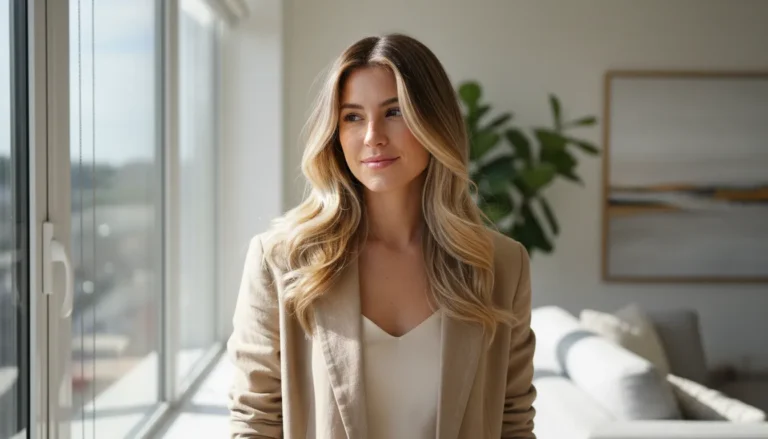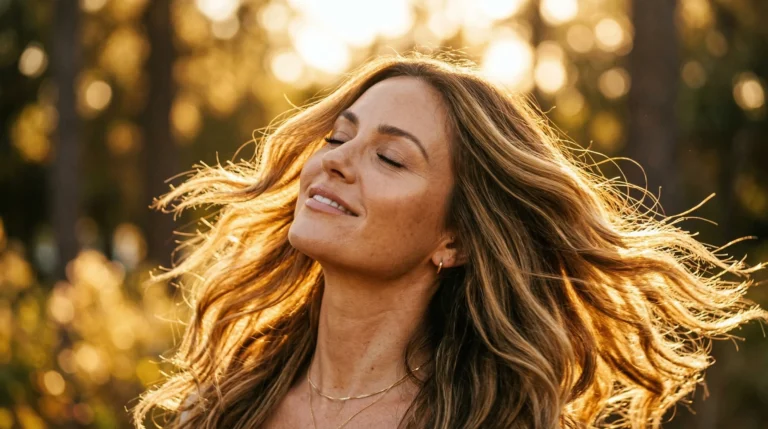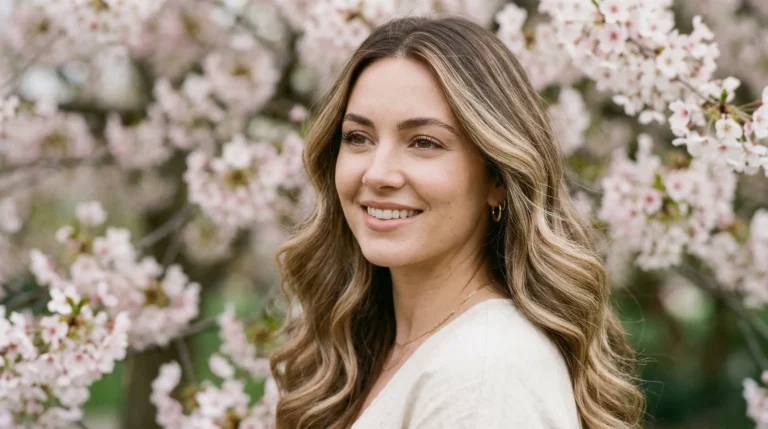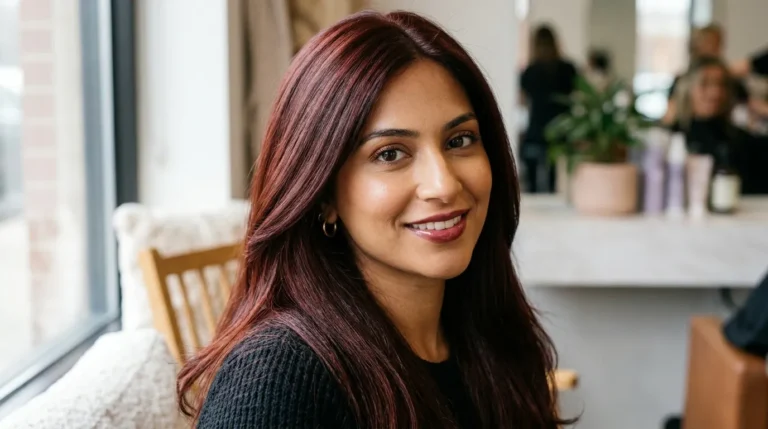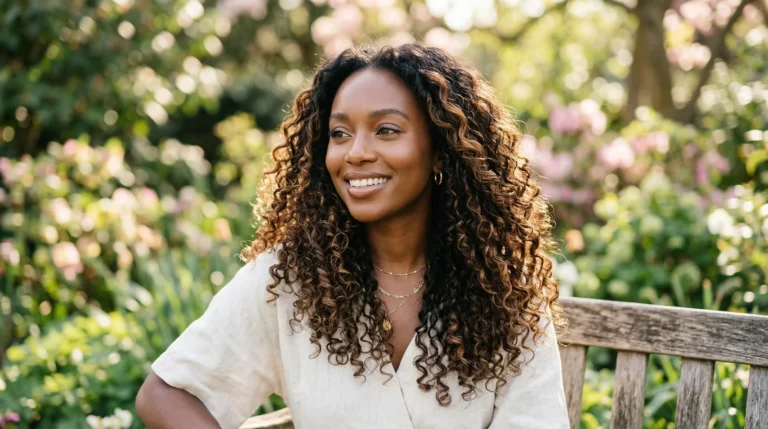
Chic Spring Ombre Hair Color 2026: Trendy Ombre Ideas That Will Transform Your Look
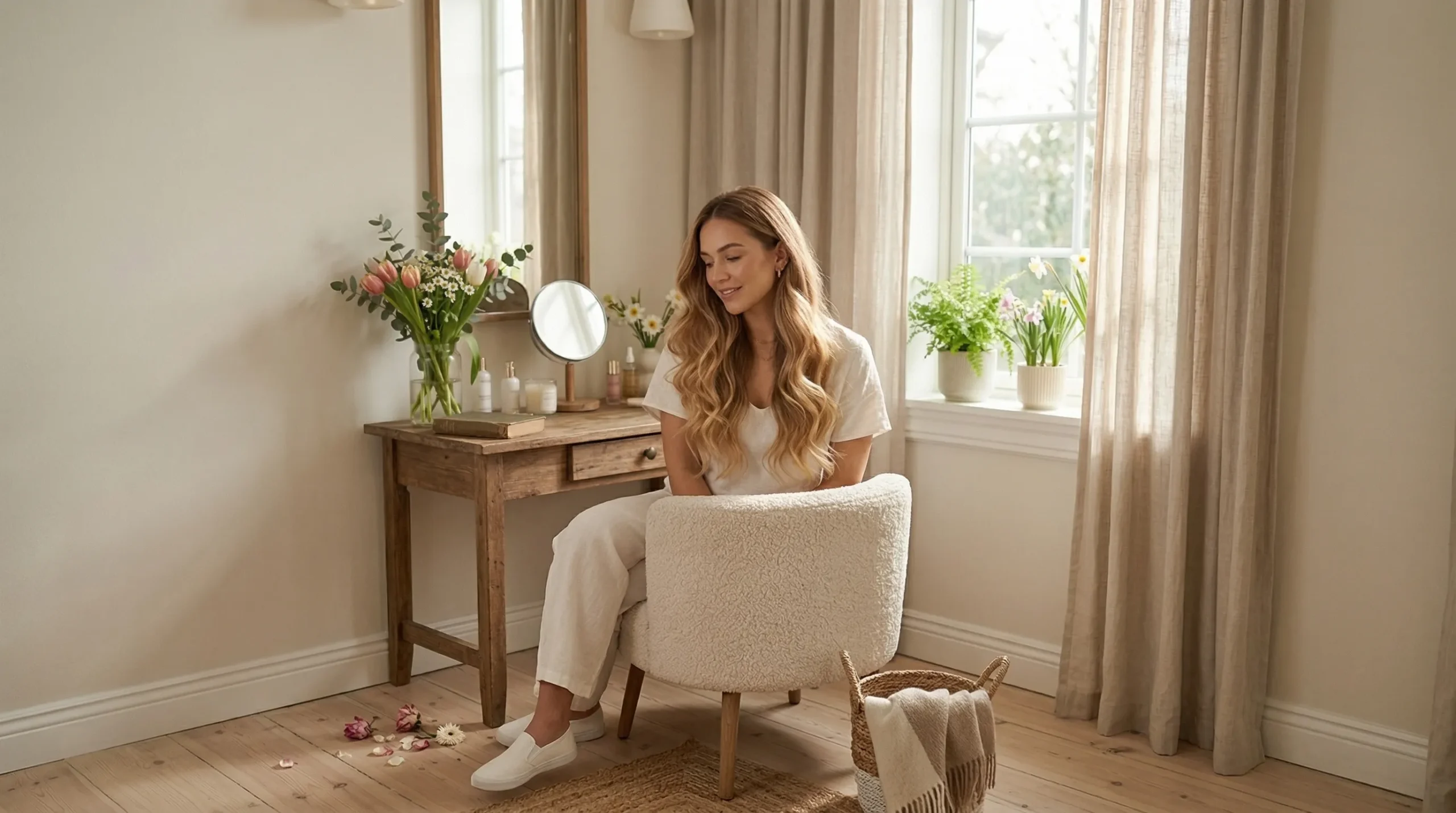
If there’s one hair trend that never really goes out of style, it’s ombre. But spring 2026 is taking it somewhere genuinely exciting. Chic spring ombre hair color 2026 trendy ombre ideas isn’t just about dark roots fading into light ends anymore. It’s softer, it’s more dimensional, and it’s incredibly wearable for real life — not just Instagram photos.
In my experience, ombre hair tends to look its absolute best in spring. The natural light, the fresh energy of the season — it all just clicks. And the trendy ombre hair ideas coming out of salons right now are genuinely some of the most beautiful I’ve seen in years. Whether you have long hair, a bob, curls, or color-treated hair, there’s a 2026 ombre look that was made for you.
So let’s get into it. I’m going to walk you through everything — from the hottest color combinations to how to talk to your colorist, plus what to do if you want to try it at home.
What Is Ombre Hair and Why Is It Still So Popular?
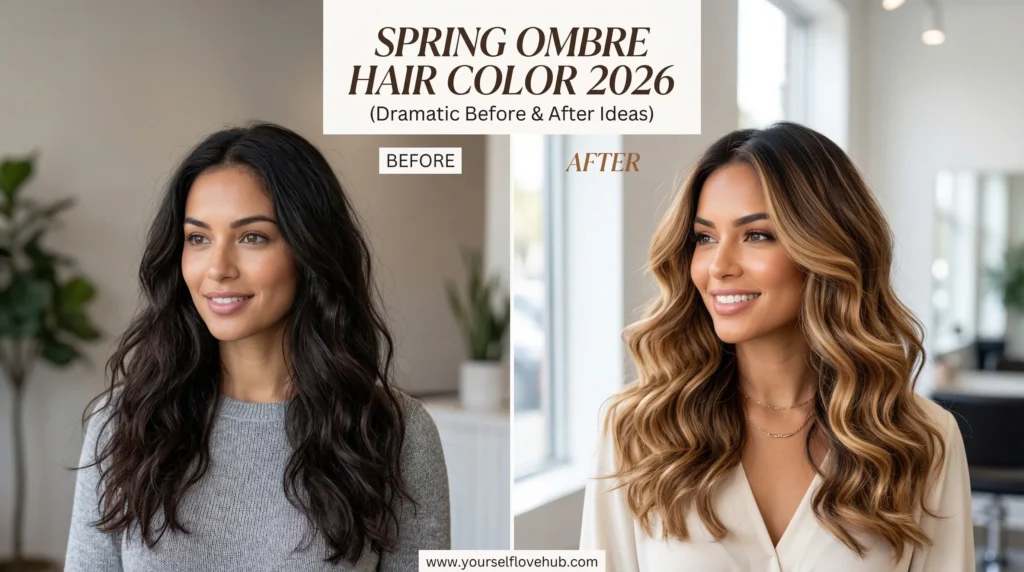
You might be wondering: hasn’t ombre been around for a while? Yes — and that’s actually the point. Ombre hair color has lasted because it solves a real problem for most people. It’s a low-maintenance style that grows out beautifully. Unlike solid all-over color, ombre doesn’t show a harsh root line as your hair grows. That means fewer salon visits and less upkeep — which is a big deal for anyone with a busy life.
Now here’s where it gets interesting for 2026 specifically: the technique has evolved a lot. What used to look like a stark two-tone contrast has become much more blended, natural, and multidimensional. The spring ombre hair trend 2026 leans heavily into soft transitions, lived-in color, and tones that actually complement your skin rather than fighting against it.
Colorists are now layering multiple shades within a single ombre — sometimes three or four tones — to create depth that looks almost like sunlight moving through your hair. It’s genuinely stunning, and it’s more flattering on a wider range of skin tones than older ombre techniques were.
The Biggest Spring 2026 Ombre Hair Color Trends
Before we dive into specific looks, let me give you a quick overview of where spring hair color trends 2026 are heading overall. The big themes this season are warmth, softness, and nature-inspired palettes. We’re seeing a shift away from the cool ashy tones that dominated the last couple of years toward richer, warmer hues — think honey, caramel, copper, and golden blonde.
That said, cooler tones haven’t disappeared. Brunette ombre 2026 is still very much alive, and ash blonde balayage is still going strong for those who prefer a cooler look. The difference is that even the cooler tones in 2026 have more warmth blended in than before — less icy, more natural.
Transitionally, the ombre line itself is sitting lower on the hair this year — more on the mid-lengths and ends rather than starting high up near the roots. This creates a more natural, sun-kissed effect and is generally more flattering across different hair lengths.
Top Trendy Ombre Hair Ideas for Spring 2026
Alright, here’s the part you’ve been waiting for. These are the trendy ombre hair ideas that are genuinely worth trying this season. I’ve included options for every hair color, length, and commitment level — because not everyone wants to go all-in with a dramatic transformation, and that’s totally okay.
1. Honey Caramel Ombre
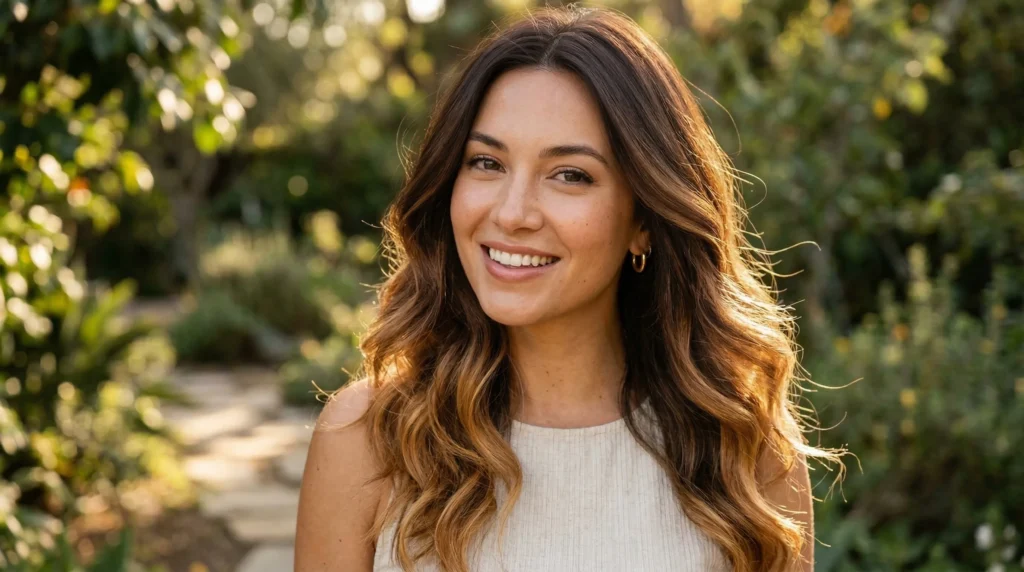
This is the ombre look of spring 2026. Full stop. Honey caramel ombre hair is warm, golden, and incredibly flattering on a huge range of skin tones — from fair to deep. The transition moves from a deeper brunette or dark caramel root down into rich honey gold at the ends.
What I love about this look is how alive it makes hair appear. The warm golden tones catch the light in a way that makes every shade look intentional and expensive. In my experience, this is also one of the best ombre options for people who are nervous about going too light — the caramel tones are warm enough to feel bold but natural enough to not feel shocking.
This style works especially well on medium to long hair where the transition has room to breathe. On a bob, it can look very chic if the colorist keeps the gradient tight and well-blended.
2. Soft Brunette to Blonde Ombre
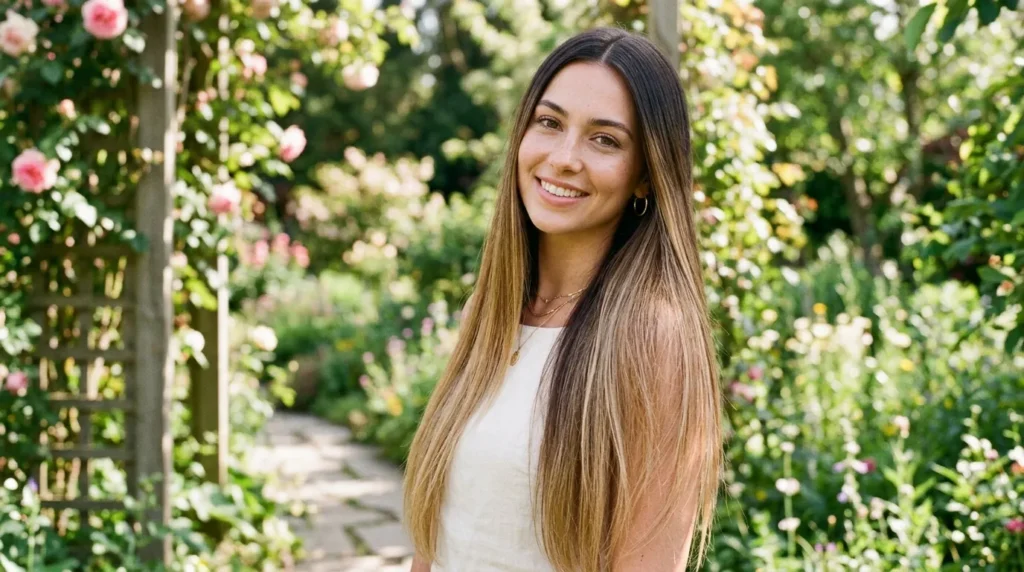
The classic brunette to blonde ombre isn’t going anywhere — it’s just been refined for 2026. This year’s version is less dramatic than the stark dark-to-platinum looks of the early 2010s. Instead, we’re seeing soft, seamlessly blended transitions from rich brown roots into warm or sandy blonde ends.
Now here’s where it gets interesting: the blonde used in this 2026 iteration is much softer. Think buttery, golden blonde rather than bleach-bright platinum. The result is a look that feels sun-kissed rather than colored — like you’ve been on holiday for two weeks and the sun did all the work.
You might be wondering if this damages your hair badly. Honestly, it depends on your starting color. The further away your natural shade is from the target blonde, the more processing is involved. A good colorist will always do a strand test first and may recommend a multi-session approach to protect your hair’s integrity.
3. Copper Rose Ombre
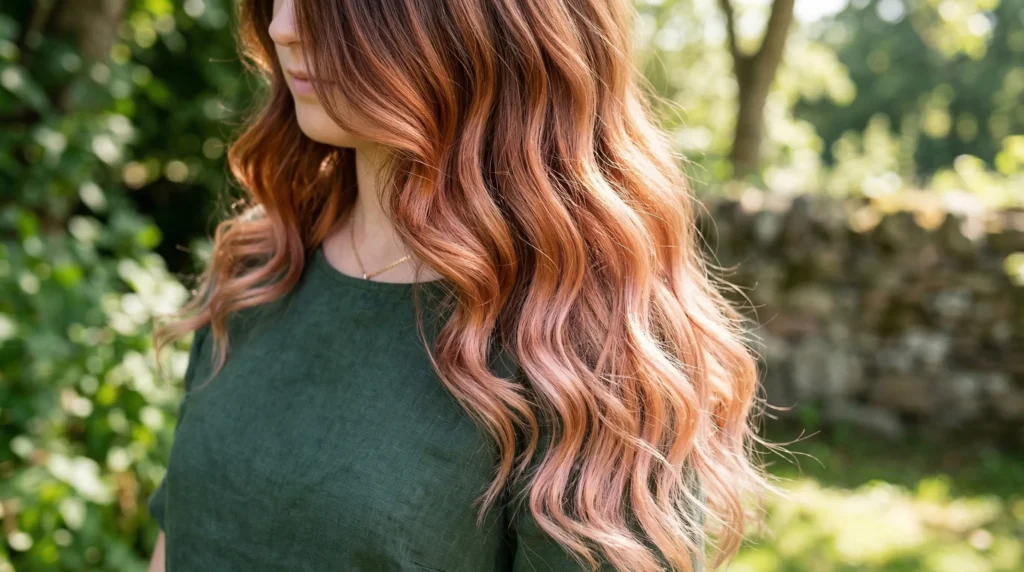
If you want something more unique and fashion-forward, copper rose ombre hair is having a huge moment this spring. It blends warm copper tones with soft rose and peachy-pink at the ends — creating a look that sits right between natural and fantasy without going full rainbow.
This is genuinely one of the most creative spring ombre hair color ideas of the year. It works beautifully on both dark and light base colors. On darker hair, the copper sits as a rich mid-tone before the rose peeks through at the ends. On lighter hair, the entire look becomes more vibrant and rosy.
In my experience, this color fades gracefully too — which matters a lot for ombre. As the rose fades, it softens to a peachy gold that still looks intentional and lovely.
4. Ash Blonde Balayage Ombre
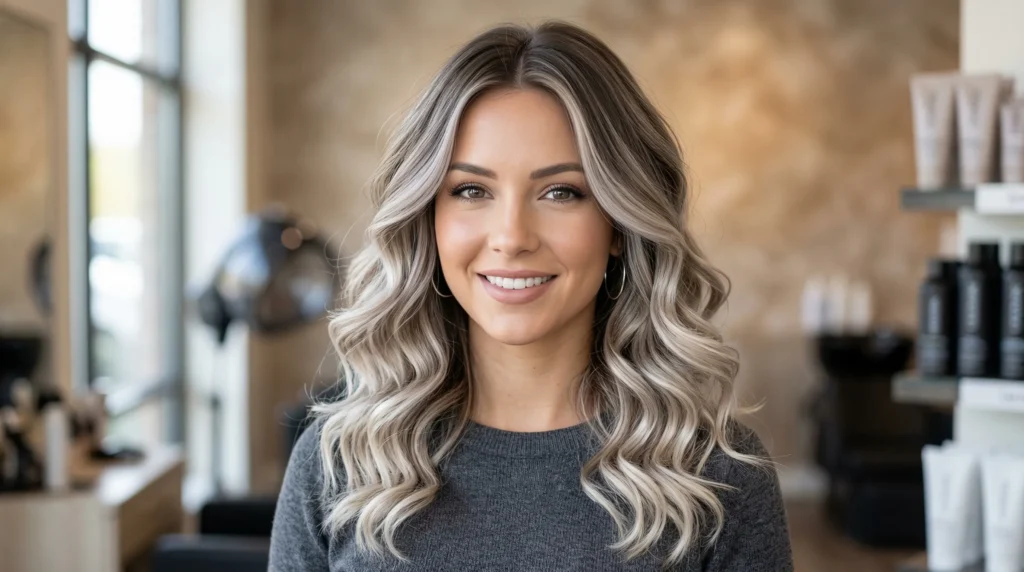
For those who prefer cooler tones, ash blonde balayage ombre remains one of the most sought-after looks in 2026. The balayage technique involves hand-painting highlights onto sections of hair, which creates a more natural, multidimensional effect than traditional foil highlights.
The 2026 version of this look has slightly warmer roots than previous years — colorists are adding a touch of warmth near the scalp to prevent the harsh regrowth line that can happen with cooler tones. The mid-lengths and ends stay cool and ashy, but the overall effect feels more lived-in and natural.
What I love about ash blonde balayage is the versatility. It looks polished in a sleek blowout, effortless in waves, and still gorgeous when it’s just air-dried. Honestly, it’s one of the few hair colors that looks good no matter what you’re doing with your hair.
5. Chocolate Cherry Ombre
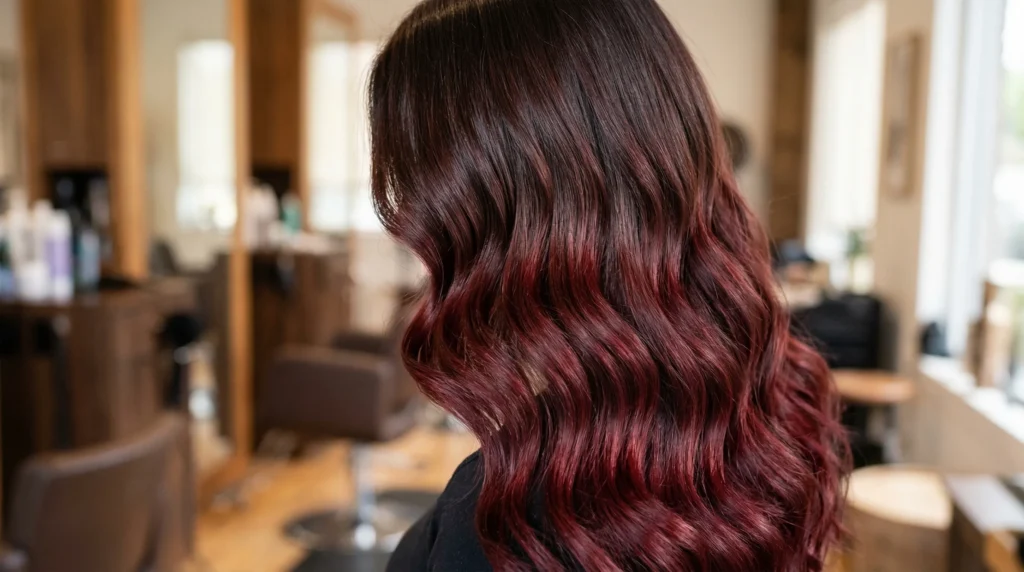
Here’s a spring pick that might surprise you: chocolate cherry ombre hair is one of the most talked-about looks of 2026. It starts with a deep, rich chocolate brown at the roots and transitions into warm cherry or burgundy tones through the lengths and ends.
Now here’s where it gets interesting: this isn’t your typical “red hair” look. It’s much more subtle and sophisticated. The cherry tones are dark enough to feel elegant rather than flashy, but they catch the light in a way that makes your hair look genuinely dimensional and alive. Think of it as the grown-up version of red hair.
This color looks incredible in spring sunlight and it’s particularly flattering on warm and olive skin tones. It’s also a great option for anyone who wants to experiment with color without fully committing to a dramatic change — the darker cherry tones don’t look out of place even as they grow out.
6. Peach Sunset Ombre
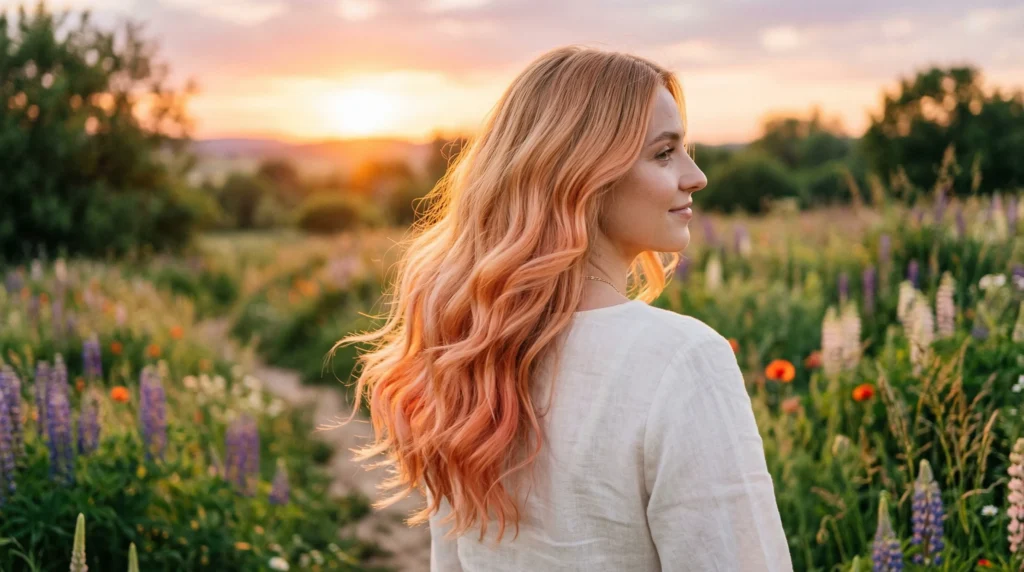
If you’re feeling adventurous, peach sunset ombre is one of the most joyful trendy ombre hair ideas of this spring season. It moves from golden blonde or light brown roots into soft peach and coral at the ends — like a sunset captured in your hair.
You might be wondering if peach tones work on darker hair. They do, but they typically require pre-lightening the ends first to get the color to show vibrantly. On naturally light or already-blonde hair, the peach applies much more easily and fades into a beautiful soft gold rather than disappearing entirely.
In my experience, this look pairs especially well with a beachy wave texture. The movement of the waves shows off the color gradient in the most flattering way. It’s a high-impact color that still feels soft and feminine rather than edgy — which is very much in the spirit of spring 2026.
7. Golden Hour Ombre
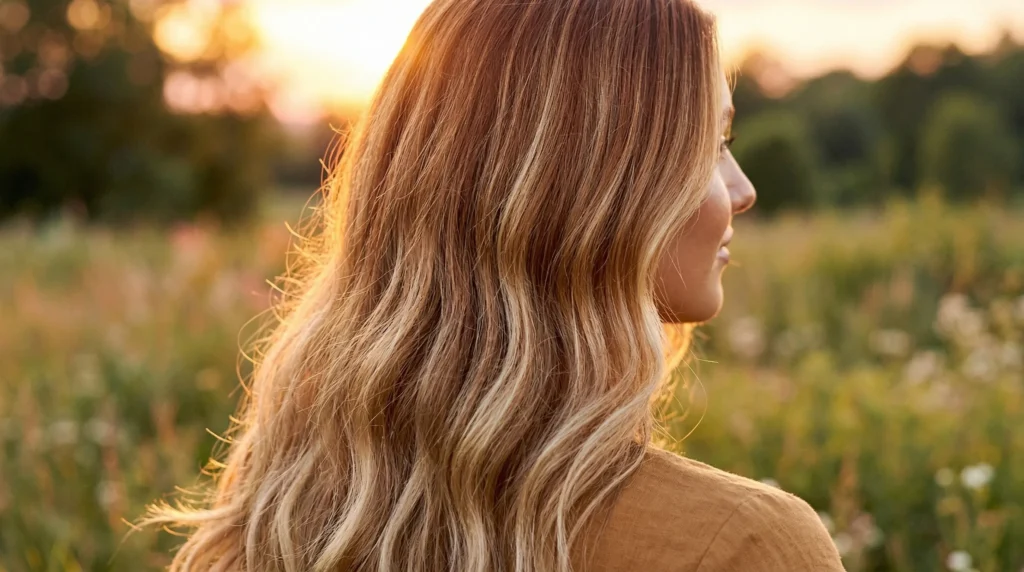
The golden hour ombre is exactly what it sounds like — a warm, glowing gradient that mimics that magic light right before sunset. It layers deep amber, warm gold, and soft champagne tones from root to end, creating a look that seems to glow from within.
This is one of those spring hair color ideas 2026 that photographs absolutely beautifully. The multiple warm tones layered together create depth and movement that a single flat color simply can’t replicate. It looks stunning on medium to long hair because the layers have more space to develop.
What I love about this particular look is how universally flattering it is. Unlike some ombre styles that really only suit certain skin tones, the warm golden spectrum works on almost everyone. It’s rich enough to look intentional on darker complexions and bright enough to feel fresh on lighter ones. It’s also a wonderful option for anyone transitioning from darker winter color into something lighter for spring without going all the way to blonde.
8. Silver Lilac Ombre
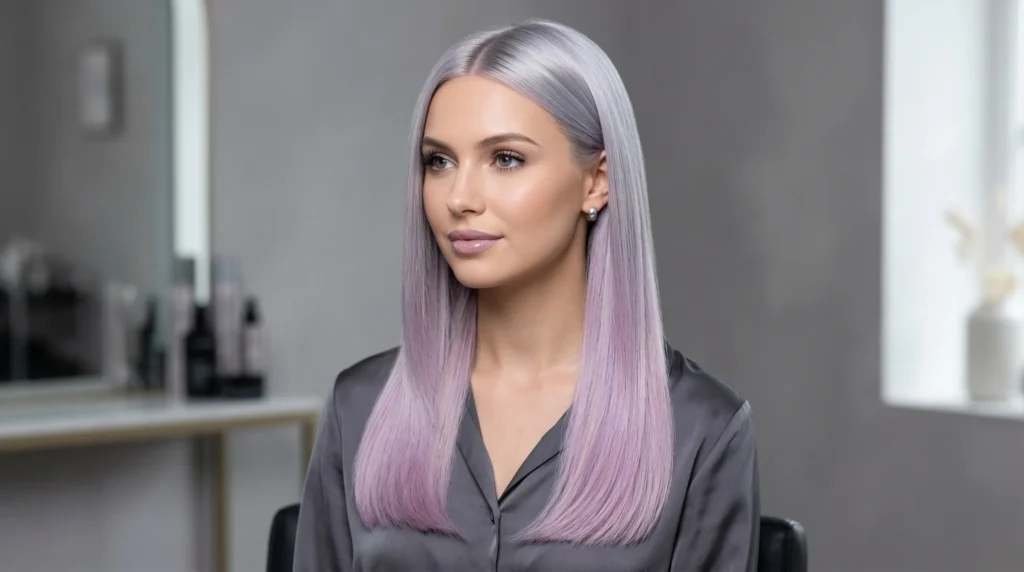
For those who want to make a real statement, silver lilac ombre hair is one of the most stunning and unexpected spring ombre hair trends 2026 has to offer. It blends cool silver tones with soft lilac and lavender at the ends, creating an ethereal, almost otherworldly finish.
Now I’ll be honest with you: this look requires the most commitment. To achieve true silver and lilac tones, you almost always need to pre-lighten the hair significantly — especially if your natural color is medium to dark. That means multiple sessions and a solid commitment to color maintenance. This isn’t a low-effort look.
But if you’re willing to put in the work? The result is genuinely showstopping. There’s something about silver lilac ombre in spring light that’s almost magical. It pairs especially well with cool, fair, or rosy skin tones. In my experience, people who go for this look almost never regret it — they just wish they’d done it sooner.
How to Choose the Right Ombre for Your Hair Type
Not every ombre style works equally well on every hair type. This is something a lot of people don’t realize until they’re already sitting in the salon chair. So let’s talk about how to match your ombre hair color to your actual hair.
Fine Hair
If you have fine hair, you’ll want to be careful with ombre. Heavy bleaching can weaken fine strands significantly. The best approach is a softer, more gradual transition — think honey caramel ombre or a subtle brunette-to-blonde rather than anything requiring dramatic lightening. A balayage technique is kinder to fine hair than foil because it applies color selectively without saturating the entire strand.
Also, for fine hair, dimension is your best friend. A well-done ombre actually makes fine hair look thicker and more voluminous because the multiple tones create the illusion of depth.
Thick or Coarse Hair
Thick hair handles ombre beautifully. You have more hair to work with, which means the gradient can be more dramatic and still look natural. Chocolate cherry ombre and golden hour ombre work especially well on thick hair because there’s enough density for the color layers to show up richly.
The main consideration for thick hair is processing time. More hair means more product and more time. Make sure you’re booking a longer appointment — usually three to four hours minimum for a full ombre on thick hair.
Curly or Wavy Hair
Curly and wavy hair and ombre are genuinely one of the best combinations in the hair world. The natural movement of curls shows off color gradients in the most beautiful, organic way. Copper rose ombre and peach sunset ombre look especially stunning on curly textures because the color picks up differently on each curl for a truly multidimensional result.
One tip: make sure your colorist has experience working with curly hair specifically. The way color develops and processes on curly hair is different from straight hair, and you want someone who knows how to account for that.
Color-Treated Hair
If your hair is already color-treated, things get a little more complex. You’ll need to be upfront with your colorist about your full color history — every dye, bleach, and treatment. This matters a lot because previously processed hair can react unpredictably to new color.
The good news is that ombre is actually one of the more forgiving techniques for color-treated hair because it concentrates the lightening on the ends rather than the roots. Your colorist may recommend a protein treatment or bond-building treatment alongside the color to keep your hair strong throughout the process.
Quick Reference: Ombre Styles by Skin Tone and Hair Color
| Ombre Style | Best Skin Tone | Best Base Hair Color | Maintenance Level |
| Honey Caramel Ombre | All skin tones | Light to dark brown | Low |
| Brunette to Blonde Ombre | Fair to medium | Dark brown to black | Medium |
| Copper Rose Ombre | Fair, medium, olive | Any base | Medium |
| Ash Blonde Balayage Ombre | Fair to medium cool | Light to medium brown | Medium |
| Chocolate Cherry Ombre | Warm, olive, deep | Dark brown to black | Low–Medium |
| Peach Sunset Ombre | Fair to medium warm | Blonde to light brown | Medium–High |
| Golden Hour Ombre | All skin tones | Light to medium brown | Low–Medium |
| Silver Lilac Ombre | Fair to cool medium | Any (pre-lightening needed) | High |
Salon Ombre vs. DIY Ombre: What You Need to Know
Let’s be honest about this. Ombre is one of those hair techniques where the DIY vs. salon question really matters. And my honest opinion? For most of the spring ombre hair color 2026 looks we’ve discussed, a salon visit is worth the money.
Here’s why. A good ombre is all about seamless blending. The transition between your base color and the lighter ends needs to be smooth, natural, and personalized to your face shape and hair length. That kind of custom blending is genuinely hard to replicate at home, especially if you’re working on your own hair and can’t see the back.
That said, if you have a very simple two-tone look in mind and your hair is already fairly light, at-home ombre kits can work reasonably well. The key is to use a kit specifically designed for ombre (not a regular dye kit), follow the instructions carefully, and — most importantly — do a strand test first.
When to Always Go to a Salon
There are some situations where you really shouldn’t try ombre at home. If your hair is dark and you want a light blonde result, please see a professional. Lifting dark hair to blonde without causing serious damage requires skill, experience, and professional-grade products. Similarly, silver lilac ombre and copper rose ombre both require precise color formulation that’s very difficult to get right without professional training.
Also — if your hair has been chemically relaxed, permed, or heavily color-treated, please see a professional before applying any new color at home. The combination of processes can cause serious breakage.
At-Home Ombre Tips That Actually Work
If you are going the DIY route, here are a few things that genuinely make a difference. First, work in sections. Don’t try to apply your color all at once across the entire head — section it into four quadrants and work methodically. This gives you much more control over where the color goes.
Second, blend upward with your fingers or a wide-tooth comb while the color is still wet. This is what creates that seamless gradient rather than a harsh line. Third, start lighter than you think you need to — you can always add more color, but you can’t easily remove it.
How to Take Care of Your Ombre Hair
Getting a beautiful ombre is one thing. Keeping it that way is another. Ombre hair care is genuinely important because ombre almost always involves some level of lightening, and lightened hair needs more moisture and protection than untreated hair.
Use a Color-Safe Shampoo and Conditioner
This one sounds basic but so many people skip it. Regular shampoos can strip color and dry out already-processed hair. A color-safe shampoo preserves your tones and keeps the ombre gradient looking fresh for longer. Look for sulfate-free formulas — sulfates are harsh detergents that are particularly damaging to color-treated hair.
Additionally, a purple shampoo used once or twice a week is a game-changer if you have any blonde or silver tones in your ombre. It neutralizes brassiness and keeps cool tones looking clean and vibrant rather than yellow or orange.
Deep Condition Weekly
Lightened hair is more porous than untreated hair, which means it absorbs and loses moisture more quickly. A weekly deep conditioning treatment or hair mask keeps the ends hydrated, smooth, and strong. This is especially important for the ends of your ombre, which have typically been processed the most.
In my experience, the difference between ombre hair that looks gorgeous after three months and ombre hair that looks fried comes down almost entirely to how consistently you’ve been deep conditioning. It makes that much of a difference.
Minimize Heat Styling
Heat is the enemy of color-treated hair. Every time you use a flat iron, curling wand, or blow dryer on high heat, you’re causing micro-damage to the hair cuticle — which leads to faster color fading and dryness. If you do use heat tools, always, always use a heat protectant spray first. And when possible, let your hair air-dry or use your blow dryer on a low or medium heat setting.
What I love about the spring season is that the warmer weather actually encourages people to wear their hair more naturally — waves, air-dried texture, loose styles. These all put less stress on your ombre and help the color last longer.
Protect Your Color from the Sun
Here’s one people often forget: UV rays fade hair color just like they fade fabric. If you’re spending a lot of time outdoors in spring and summer, your ombre can fade faster than expected — especially lighter blonde or pastel tones. Look for a UV-protecting hair product or simply wear a hat when you’re in direct sun for extended periods. It sounds small but it makes a real difference in how long your color lasts.
How to Talk to Your Colorist About Ombre
This section might be the most practical thing in this entire article. So many people walk into a salon knowing roughly what they want but struggle to communicate it clearly — and the result is disappointment. Here’s how to make sure you and your colorist are on the same page.
First, bring reference photos. More than one. Don’t just bring one photo of the exact shade you want — bring three to five photos that collectively show the vibe, the transition style, the end color, and the overall feel you’re going for. The more visual information your colorist has, the better.
Second, be honest about your hair history. Tell them everything — box dye, bleach, relaxers, keratin treatments, all of it. They’re not judging you; they need this information to formulate your color safely.
Third, ask questions. You might be wondering how long the process will take, how many sessions it’ll need, or what the maintenance looks like. A great colorist will welcome these questions and give you honest answers. If they’re dismissive or vague, that’s a red flag.
Finally, ask to see their portfolio specifically for ombre work. Most colorists have Instagram accounts or photo albums of their work. If their portfolio is full of ombre looks you love, you’re in good hands.
Best Ombre Hair Looks by Hair Length
Short Hair and Bobs
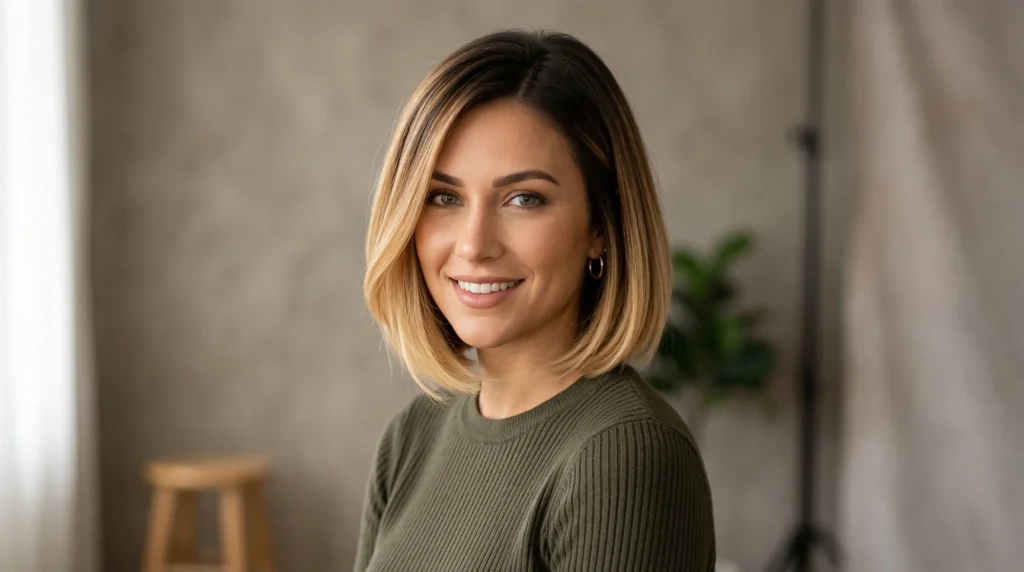
Short hair and ombre can be a stunning combination — you just need a tighter, more concentrated gradient. On a bob, the ombre typically starts around the chin and transitions to the ends, which gives a very clean, modern look. Ash blonde balayage ombre and honey caramel ombre are particularly beautiful on shorter cuts because the warm tones frame the face so well.
For pixie cuts, ombre is a bit more complex — the hair is often too short for a traditional gradient. But a colorist can create a dimensional effect by lightening the top layers while keeping the underlayers darker. It’s less of a traditional ombre and more of a color contrast technique, but the effect is similar and very chic.
Medium Length Hair
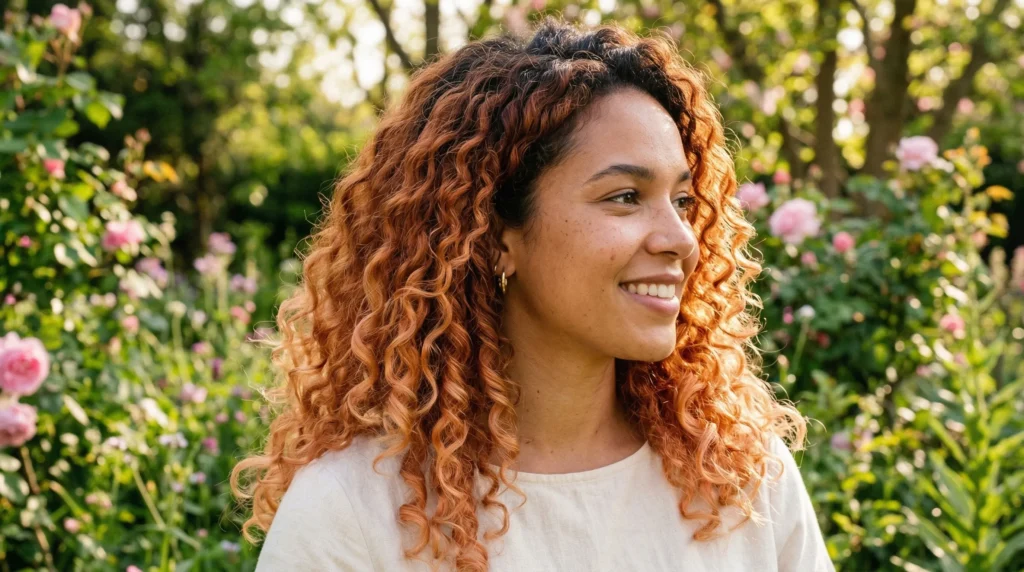
Medium length hair is honestly the sweet spot for ombre. You have enough length for a proper gradient but not so much that the process becomes extremely time-consuming or expensive. Chocolate cherry ombre and copper rose ombre look especially beautiful at medium length because the color has just enough space to transition naturally.
Long Hair
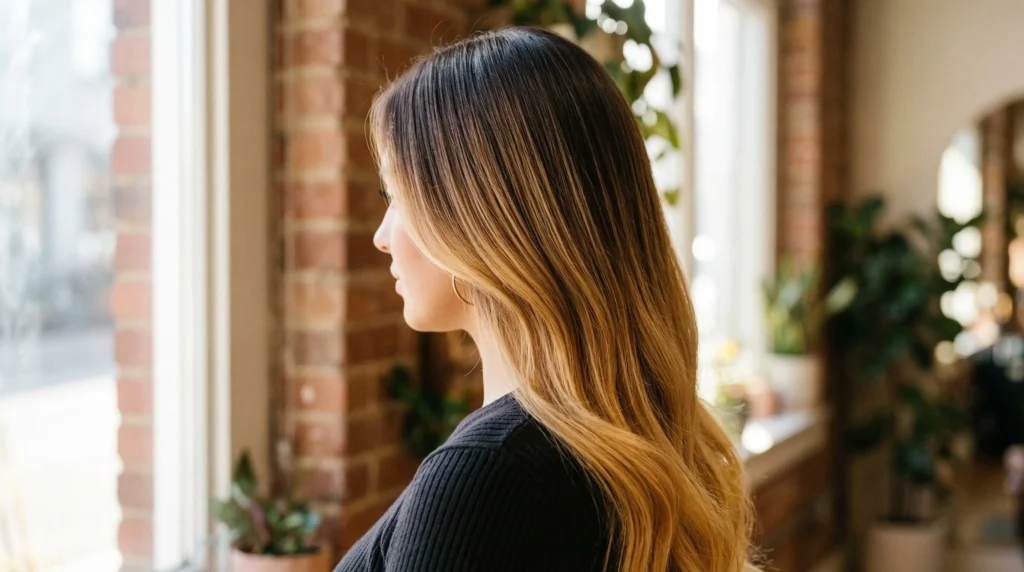
Long hair is where ombre truly shines. With longer lengths, colorists can create incredibly nuanced, multidimensional gradients with three or even four tones. The golden hour ombre and silver lilac ombre are especially spectacular on long hair because the full sweep of color is visible in all its glory.
The one downside of ombre on long hair is the time and cost investment. Expect a longer salon appointment and potentially higher cost due to the amount of product used. But the result? Absolutely worth it.
Spring 2026 Ombre Hair: What’s In and What’s Fading Out
What’s In
Warm-toned ombre in caramel, copper, and honey shades. Soft, seamless blending with no harsh lines. Lived-in ombre color that looks natural and effortless. Lower placement of the gradient — starting at mid-lengths rather than near the roots. Multi-tonal ombre with three or more shades blended together. Balayage ombre techniques for a hand-painted, bespoke look. And of course the fashion-forward options like silver lilac and copper rose for those ready to make a statement.
What’s Fading Out
High-contrast, two-tone ombre with stark visible lines between dark and light. Very icy, blue-toned platinum ends with no warmth blended in — these are starting to feel dated. And the older “dip-dye” look where only the very tips are a different color is very much last decade. The 2026 ombre is all about smooth, natural gradients, not obvious lines.
Where to Find Spring 2026 Ombre Inspiration
Finding the right reference image before your salon appointment is genuinely important. Pinterest is still the absolute best platform for hair color inspiration — search spring ombre hair 2026 and you’ll find thousands of curated looks organized by tone, length, and style. Save the ones you love into a board and bring it to your appointment.
For more editorial and trend-driven inspiration, Byrdie’s hair color section consistently covers the latest salon trends with professional quality photos and colorist commentary. It’s a great resource for understanding not just what’s trending but why certain looks work.
Final Thoughts on Chic Spring Ombre Hair Color 2026
Spring 2026 is a genuinely exciting time to change your hair. The chic spring ombre hair color 2026 trendy ombre ideas we’ve covered in this article offer something for literally everyone — whether you want a subtle sun-kissed glow or a full-on silver lilac transformation.
What I love most about ombre in 2026 is how the technique has matured. It’s no longer just a trend — it’s a technique that colorists have refined into something truly beautiful and personal. No two ombre looks are exactly alike, and that’s exactly the point.
So whether you’re heading to a salon for the first time in months or you’re a color veteran ready for something new, there’s never been a better season to try ombre. Spring is the season of change. Your hair might as well be part of it.