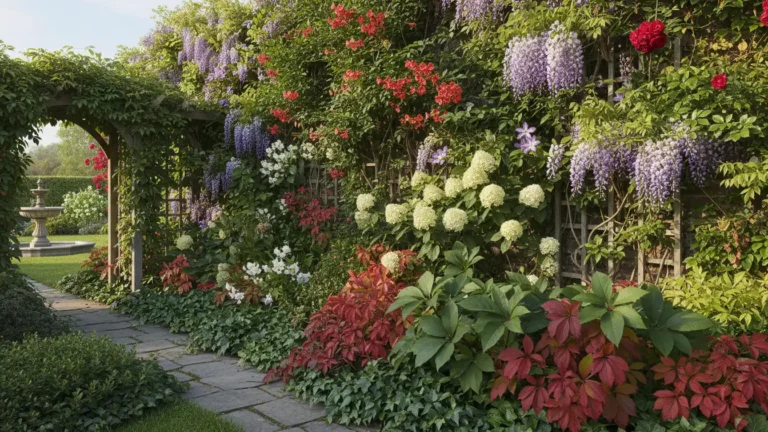
10 Best White Flowers to Plant in Gardens (For Year-Round Beauty)
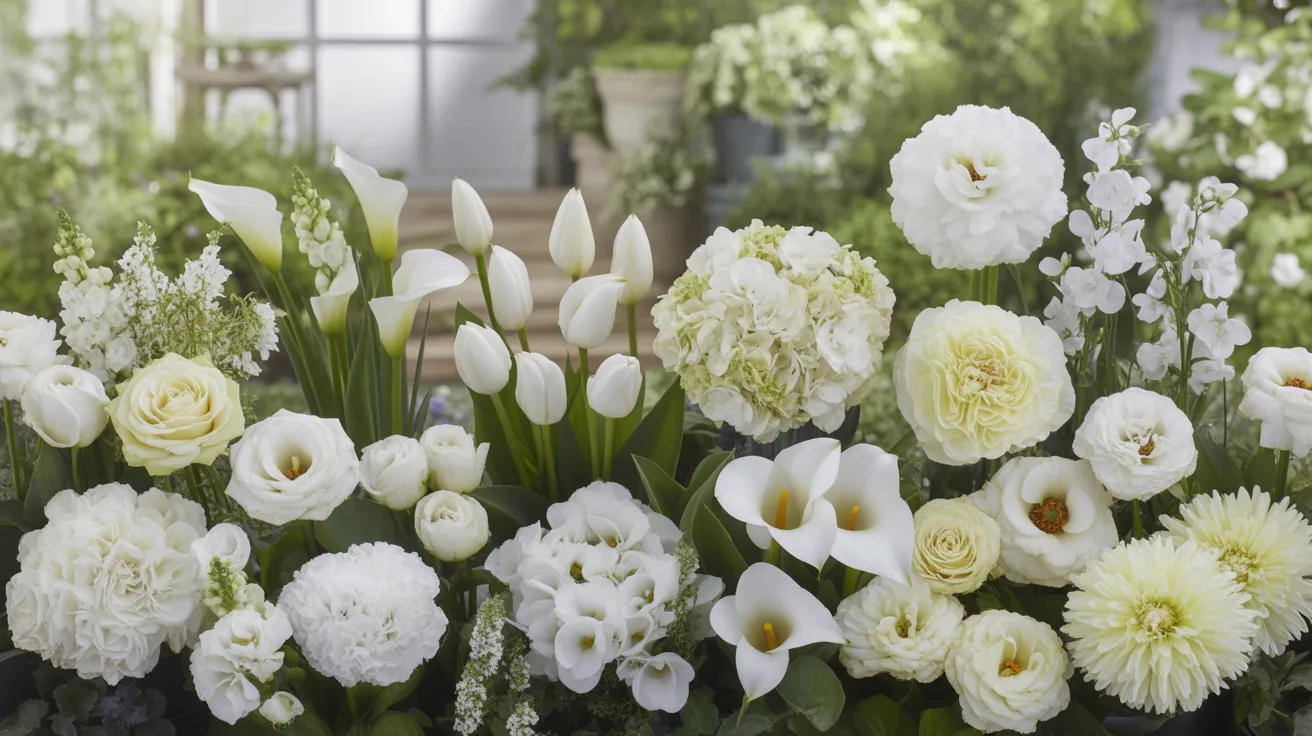
There’s something magical about a garden filled with white flowers, isn’t there?
Maybe it’s the way they seem to glow at dusk, or how they bring a sense of calm to even the busiest outdoor spaces. White flowers have this timeless elegance that never goes out of style—whether you’re going for a romantic cottage garden vibe or a sleek modern landscape.
If you’re thinking about adding some white blooms to your garden this year, you’re in the right place. I’ve put together a guide to the best white flowers to plant in gardens, complete with real-world tips that’ll help you create a stunning space without overthinking it.
Let’s dig in!
Why White Flowers Deserve a Spot in Every Garden
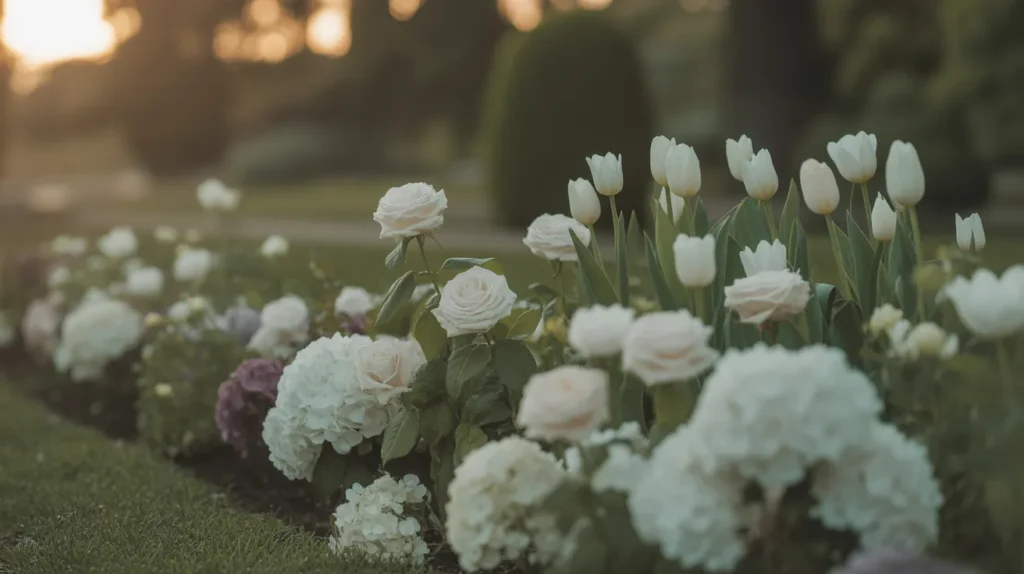
Before we jump into specific flowers, let’s talk about why white blooms are such garden superstars.
White flowers are incredibly versatile. They play well with literally every color scheme. Plant them alongside bright pinks and purples for contrast, or pair them with soft pastels for a dreamy, romantic look. They also work beautifully in all-white “moon gardens” that practically glow at night.
They brighten shady spots like nothing else. Got a corner of your garden that’s always in shadow? White flowers reflect light and make those dim areas feel more open and inviting.
White symbolizes peace and purity. There’s a reason white flowers show up at weddings, memorials, and special occasions. They create a sense of tranquility and elegance that other colors just can’t match.
They’re perfect for evening gardens. If you spend time outdoors after sunset, white flowers are your best friend. They catch the moonlight and create an almost ethereal atmosphere.
Plus, let’s be honest—there’s something deeply satisfying about a well-planned white garden. It feels intentional, sophisticated, and effortlessly chic.
If you love the idea of bringing those white blooms indoors too, these Easter decorations are full of simple ways to style white flowers around your home without making things feel fussy.
Planning Your White Flower Garden (Without the Overwhelm)
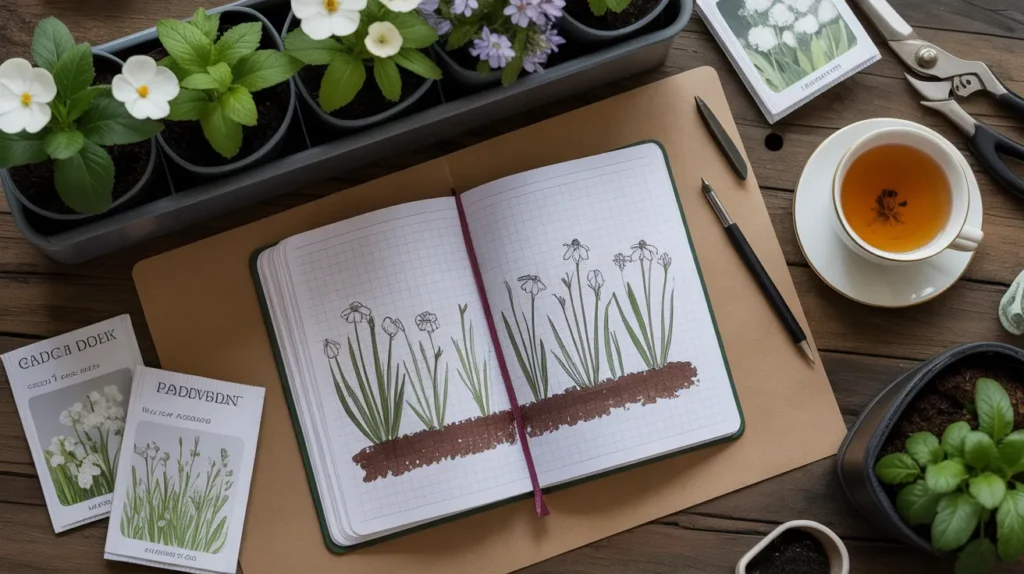
Here’s the thing about planning a white flower garden: it doesn’t have to be complicated.
Start with your conditions. Before you fall in love with a specific flower, check what your garden can actually support. How much sun does the area get? What’s your soil like—sandy, clay, or somewhere in between? Knowing this upfront saves you from heartbreak later.
Think about bloom times. The secret to a gorgeous white garden that looks good all season? Choose flowers that bloom at different times. Early spring bulbs like snowdrops kick things off, summer roses keep the show going, and late-season hydrangeas finish strong.
Mix heights and textures. Don’t just plant everything at the same level. Put taller flowers like white hydrangeas and roses toward the back, medium-height options like tulips and carnations in the middle, and low-growers like lily of the valley up front. This creates depth and makes your garden way more interesting.
Layer in different foliage. White flowers are beautiful, but they’re even better when paired with interesting greenery. Mix in plants with glossy leaves, silvery foliage, or deep green backdrops to make those white blooms really pop.
Don’t forget about fragrance. Many white flowers—like gardenias, lilies of the valley, and roses—smell absolutely incredible. Position these near seating areas or walkways where you’ll actually enjoy the scent.
One more tip: start small. You don’t need to transform your entire yard overnight. Even a small bed of white flowers can make a huge impact.
The 10 Best White Flowers to Plant in Gardens
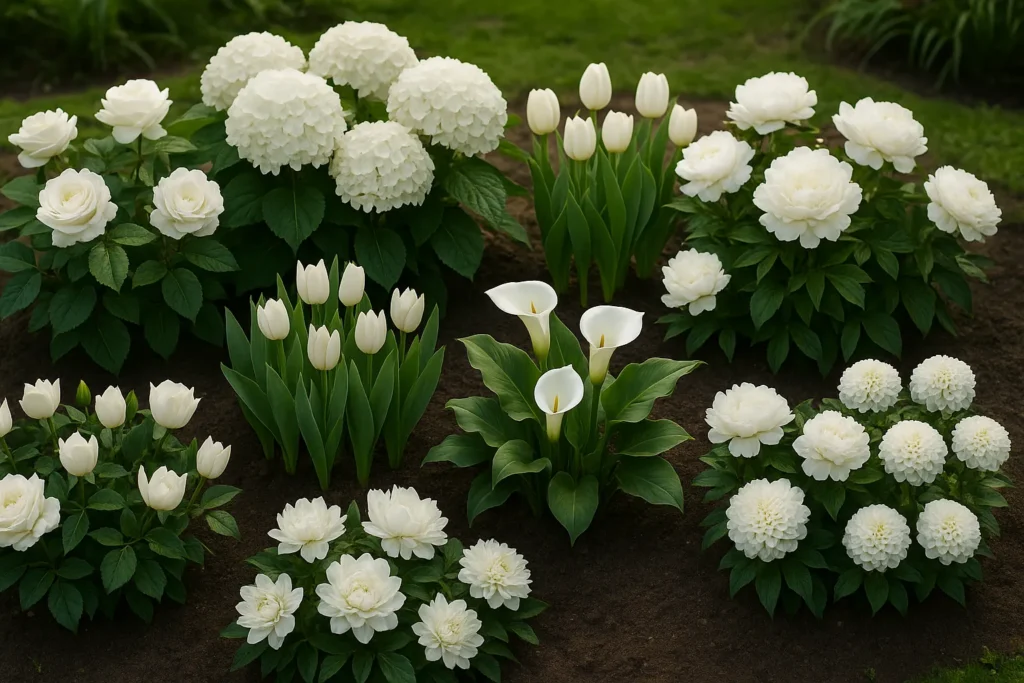
Alright, let’s get to the good stuff. Here are my top picks for white flowers that’ll thrive in most gardens.
1. White Roses (Rosa spp.)
Let’s start with the classic. White roses are the definition of timeless elegance, and they’re way easier to grow than people think.
What makes them special: White roses symbolize purity, innocence, and new beginnings—which is why they’re wedding favorites. But beyond the symbolism, they’re just stunning. Those soft, layered petals and sweet fragrance make them garden royalty.
Growing tips: Roses love full sun (at least 6 hours daily) and well-drained soil that’s been enriched with compost or aged manure. Water deeply at the base of the plant—roses hate getting their leaves wet, which can lead to fungal issues.
Prune them in early spring to encourage healthy growth and remove any dead or diseased wood. Don’t be intimidated by pruning; roses are tougher than they look.
Varieties to try:
- ‘Iceberg’ (floribunda, super reliable)
- ‘Madame Alfred Carrière’ (climbing, fragrant)
- ‘Winchester Cathedral’ (David Austin, dreamy blooms)
Best for: Formal gardens, cottage gardens, cutting gardens, or anywhere you want that “wow” factor.
Heads up: Roses are generally safe around pets and kids, but watch out for those thorns!
2. White Hydrangeas (Hydrangea macrophylla)
If you want big, bold blooms that make a statement, white hydrangeas are your answer.
What makes them special: Those massive flower clusters—sometimes up to a foot wide—are absolutely show-stopping. They bloom all summer long and even look gorgeous as they fade into fall, developing beautiful antique tones.
Growing tips: Hydrangeas prefer morning sun and afternoon shade, especially in hot climates. They’re thirsty plants, so keep the soil consistently moist (but not waterlogged). A thick layer of mulch helps retain moisture and keeps roots cool.
Here’s something cool: while pink and blue hydrangeas change color based on soil pH, white varieties stay white no matter what. Easy!
Varieties to try:
- ‘Annabelle’ (smooth hydrangea, huge blooms)
- ‘Blushing Bride’ (stays compact, great for small spaces)
- ‘Incrediball’ (improved Annabelle with stronger stems)
Best for: Mixed borders, foundation plantings, or as standalone specimens. They’re also fantastic as cut flowers.
Heads up: All parts are toxic to pets and kids if eaten, so keep that in mind if you have curious nibblers around.
3. Calla Lilies (Zantedeschia spp.)
Calla lilies bring such a sophisticated, architectural vibe to gardens. They’re elegant without being fussy.
What makes them special: Those sleek, trumpet-shaped blooms are instantly recognizable. They have a modern, almost sculptural quality that works in both traditional and contemporary gardens.
Growing tips: Calla lilies love rich, moist soil and can handle full sun to partial shade. In cooler climates, you’ll need to dig up the rhizomes in fall and store them indoors over winter. In warmer zones (8-10), they can stay in the ground year-round.
Plant them about 4 inches deep and space them 12 inches apart. They’ll reward you with blooms from late spring through summer.
Pro tip: Calla lilies also make excellent container plants, which is perfect if you want to move them around or bring them indoors.
Best for: Contemporary gardens, containers, pond edges (they love moisture!), or cut flower arrangements.
Heads up: These are toxic to pets and people if ingested, so plant them away from areas where kids and animals play.
4. Lily of the Valley (Convallaria majalis)
If you’ve got a shady spot and you’re tired of struggling to find plants that’ll thrive there, lily of the valley is about to become your new best friend.
What makes them special: Those tiny, bell-shaped flowers are ridiculously charming, and the fragrance? Absolutely heavenly. They spread to form dense carpets of greenery, making them perfect groundcovers for problem areas.
Growing tips: Lily of the valley thrives in partial to full shade with moist, well-drained soil. Once established, they’re pretty low-maintenance and will spread on their own. In fact, they can be a bit aggressive, so plant them where you don’t mind them taking over.
They bloom in late spring, usually around May, filling the air with that incredible sweet scent.
Best for: Woodland gardens, shaded borders, under trees, or anywhere grass struggles to grow.
Important warning: Every part of this plant is highly toxic—seriously toxic. Keep it well away from kids and pets, and wear gloves when handling it.
5. White Tulips (Tulipa spp.)
Spring just isn’t spring without tulips, and white varieties bring a fresh, clean elegance to the party.
What makes them special: White tulips symbolize forgiveness and purity, but honestly, you don’t need symbolism to appreciate their simple beauty. They’re crisp, clean, and absolutely cheerful.
Growing tips: Plant tulip bulbs in fall, about 6-8 inches deep and 4-6 inches apart, in well-drained soil with full to partial sun. The cold winter period is actually necessary for tulips to bloom properly, so don’t skip the fall planting!
After they bloom and the flowers fade, let the foliage die back naturally—this feeds the bulb for next year’s show.
Varieties to try:
- ‘White Triumphator’ (lily-flowered, elegant)
- ‘Maureen’ (late blooming, pure white)
- ‘Snow Lady’ (early blooming, compact)
Best for: Spring borders, containers, mass plantings under trees, or cutting gardens.
Heads up: Tulips are toxic to pets if eaten in quantity, so keep an eye on curious dogs and cats.
6. Gardenias (Gardenia jasminoides)
If you’ve ever walked past a blooming gardenia and caught a whiff of that intoxicating fragrance, you know exactly why these are on the list.
What makes them special: Gardenias are all about that scent. The creamy white flowers release a sweet, almost tropical perfume that’ll make you want to sit in your garden all day. Plus, they’re evergreen, so they look good year-round.
Growing tips: Gardenias can be a little particular. They love acidic soil (pH 5.0-6.0), consistent moisture, and humidity. They prefer morning sun and afternoon shade in hot climates.
Feed them with an acid-loving fertilizer (the kind you’d use for azaleas) and mulch well to keep roots cool and moist.
Best for: Southern gardens, containers on patios (so you can smell them!), foundation plantings, or near outdoor seating areas.
Climate note: Gardenias are happiest in zones 7-11. If you’re in a colder area, grow them in containers and bring them indoors for winter.
Heads up: Toxic to pets due to compounds like saponins, so keep them out of reach.
7. Snowdrops (Galanthus nivalis)
Snowdrops are often the very first flowers to bloom in late winter, sometimes pushing up through actual snow. Talk about determination!
What makes them special: These delicate little flowers symbolize hope and new beginnings. Seeing them pop up when everything else is still dormant is genuinely uplifting.
Growing tips: Plant snowdrop bulbs in fall, about 3 inches deep in well-drained soil with partial shade. They naturalize beautifully, meaning they’ll multiply and come back bigger and better each year with zero effort from you.
They’re perfect for planting under deciduous trees—they bloom before the trees leaf out, so they get plenty of light when they need it.
Best for: Woodland gardens, rock gardens, naturalizing in lawns, or planting in drifts under trees.
Heads up: Snowdrops contain alkaloids and can cause stomach upset if eaten, so keep pets and kids from munching on them.
8. White Carnations (Dianthus caryophyllus)
Carnations sometimes get a bad rap for being “old-fashioned,” but honestly? They’re making a comeback, and for good reason.
What makes them special: Those ruffled petals are gorgeous, and the clove-like spicy scent is addictive. Plus, carnations are workhorses—they bloom for weeks and make excellent cut flowers that last forever in a vase.
Growing tips: Carnations love full sun and well-drained soil. They’re actually pretty drought-tolerant once established, which makes them great for low-maintenance gardens.
Deadhead spent blooms regularly to encourage more flowers, and cut them back after the first flush of blooms to promote a second round.
Best for: Cottage gardens, cutting gardens, borders, or containers. They also work beautifully in mixed perennial beds.
Heads up: Mildly toxic if eaten in large quantities—may cause minor stomach upset in pets.
9. White Peonies (Paeonia spp.)
Peonies are pure romance. Those big, fluffy blooms are the stuff garden dreams are made of.
What makes them special: White peonies are classic, elegant, and incredibly fragrant. They’re also long-lived perennials—plant them once and they’ll bloom for decades.
Growing tips: Peonies need full sun and well-drained soil enriched with compost. Plant them in fall with the eyes (buds) no more than 2 inches below the soil surface. Planting too deep is the #1 reason peonies don’t bloom.
They can take a year or two to really get established, but once they do, they’re unstoppable.
Varieties to try:
- ‘Duchesse de Nemours’ (fragrant, reliable)
- ‘Festiva Maxima’ (classic white with red flecks)
- ‘Bowl of Cream’ (huge, creamy blooms)
Best for: Cottage gardens, cutting gardens, or as border stars. They need space to shine.
Bonus: Peonies are deer-resistant, which is a huge plus if you deal with those garden pests.
10. White Dahlias (Dahlia spp.)
Let’s close out the list with a real showstopper. White dahlias bring drama, texture, and seriously long bloom times.
What makes them special: Dahlias bloom from midsummer straight through the first frost, giving you months of gorgeous flowers. They come in every size from delicate pompoms to dinner-plate sized blooms.
Growing tips: Plant dahlia tubers in spring after the last frost, in full sun with rich, well-drained soil. Stake taller varieties early to prevent flopping.
Dahlias are heavy feeders, so fertilize regularly and keep them well-watered. Deadhead constantly to keep those blooms coming.
In zones 7 and colder, you’ll need to dig up the tubers after the first frost and store them indoors over winter.
Varieties to try:
- ‘Café au Lait’ (technically blush, but reads white)
- ‘Eveline’ (romantic, ruffled)
- ‘Snowstorm’ (pure white pompom)
Best for: Cutting gardens (they’re incredible in bouquets), borders, or containers.
Creating Different Garden Styles With White Flowers
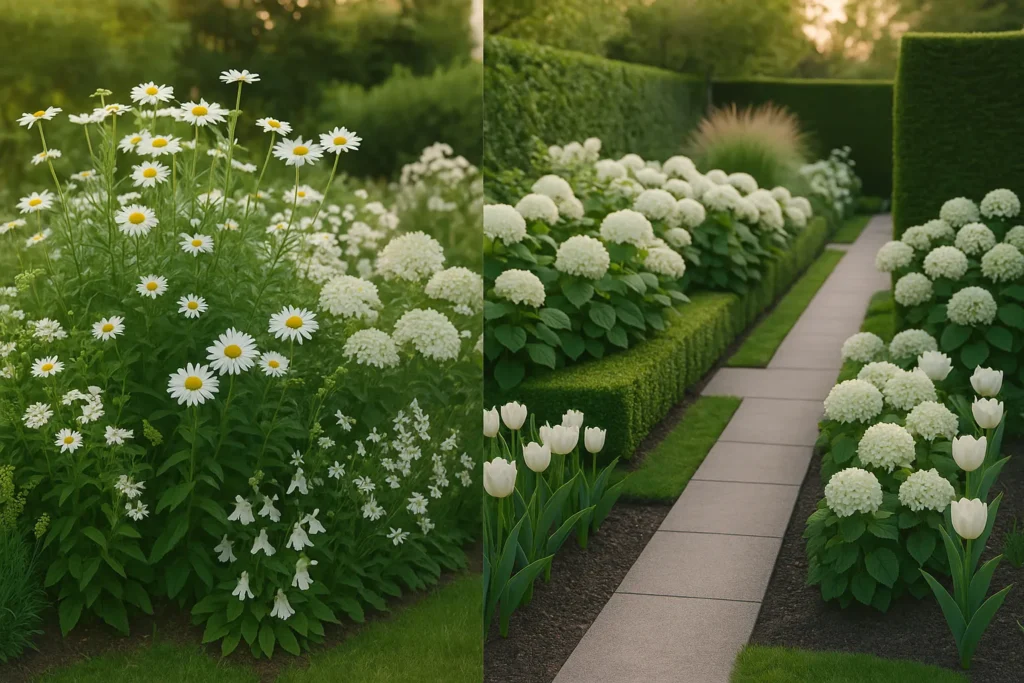
One of the coolest things about white flowers? They work in literally any garden style. Here’s how to use them:
Formal Gardens: Think symmetry and structure. Use white roses, hydrangeas, and peonies in neat rows or geometric patterns. Pair with boxwood hedges for that classic, elegant look.
Cottage Gardens: Go wild! Mix white carnations, tulips, roses, and daisies with abandon. Let things spill over paths and intermingle naturally. Add some soft blue or pink flowers for a dreamy effect.
Modern/Contemporary Gardens: Keep it sleek with architectural flowers like calla lilies and white tulips. Plant in blocks of single varieties rather than mixing. Use clean lines and minimal color palette.
Woodland Gardens: Embrace shade-lovers like lily of the valley, snowdrops, and white bleeding hearts. Plant in natural drifts under trees for that “enchanted forest” vibe.
Moon Gardens: Plant all white and night-blooming flowers (white nicotiana, moonflower, white petunias) that glow at dusk and release evening fragrance. Perfect if you only have time to enjoy your garden after work.
If you’re drawn to that dreamy, storybook look, these cottagecore decor ideas pair beautifully with a white flower garden and help you carry the same feeling inside the house.
Companion Planting Ideas for White Flowers
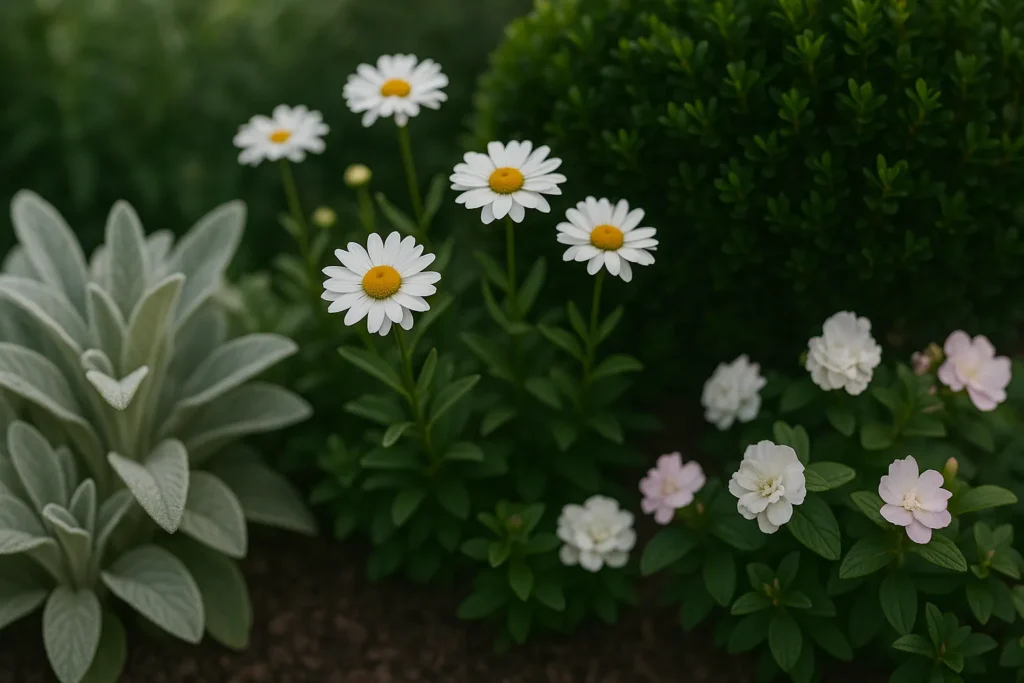
White flowers look amazing on their own, but they’re even better with the right companions.
Pair with silver foliage: Plants like lamb’s ear, artemisia, and dusty miller make white blooms absolutely pop. The silvery-gray creates a soft, romantic backdrop.
Add deep green textures: Boxwood, ferns, and hostas provide rich green contrast that makes white flowers look even brighter.
Include soft pastels: Pale pink roses, lavender, soft yellow coreopsis, or baby blue forget-me-nots create a dreamy, romantic palette with white.
Try dramatic contrasts: For bold impact, pair white with deep purple (salvia, alliums), burgundy (heuchera foliage), or even black (black mondo grass, dark-leaved dahlias).
Don’t forget spring bulbs: Intersperse white tulips with purple or pink varieties for a spring show, or plant white daffodils alongside blue muscari.
Once your garden feels soft and soothing, you can mirror that same calm indoors with these warm apartment aesthetic ideas so your whole home feels like one big retreat.
Common Mistakes to Avoid (So You Don’t Have to Learn the Hard Way)
Mistake #1: Planting sun-lovers in shade (or vice versa). Check the light requirements before you plant. White roses in deep shade will disappoint you. Lily of the valley in blazing sun will crisp up.
Mistake #2: Overcrowding. Give plants room to grow! Check mature sizes and space accordingly. Air circulation prevents diseases and lets each plant shine.
Mistake #3: Ignoring soil needs. Some white flowers (like gardenias) need acidic soil, while others are more flexible. Test your soil and amend as needed.
Mistake #4: Forgetting about deadheading. Many white flowers will bloom longer if you remove spent flowers. This includes roses, carnations, and dahlias.
Mistake #5: Planting everything to bloom at once. Spread the show! Choose early, mid, and late-season bloomers so you always have something beautiful happening.
Mistake #6: Not considering fragrance placement. Plant scented flowers like gardenias and lily of the valley near where you’ll actually smell them—patios, walkways, under windows.
Seasonal Bloom Calendar for White Flowers
Here’s a quick guide to when you can expect blooms:
Early Spring (March-April):
- Snowdrops
- White crocuses
- Early tulips
Late Spring (May-June):
- Lily of the valley
- Peonies
- Late tulips
- Calla lilies (start)
Summer (June-August):
- Roses (peak)
- Hydrangeas
- Gardenias
- Dahlias (start)
- Carnations
Late Summer/Fall (September-October):
- Dahlias (peak)
- Late-blooming roses
- Hydrangeas (fading beautifully)
- White asters
- Japanese anemones
Keeping Your White Flowers Healthy: Quick Tips
Water wisely: Most white flowers prefer consistent moisture but hate soggy soil. Water deeply and less frequently rather than light daily watering.
Mulch matters: A 2-3 inch layer of mulch keeps soil moist, suppresses weeds, and makes your garden look polished.
Watch for pests: Check regularly for aphids, spider mites, and Japanese beetles. Catch problems early and use insecticidal soap or neem oil for control.
Prevent fungal diseases: Water at the base of plants in the morning so foliage can dry. Good air circulation is key, so don’t overcrowd.
Feed appropriately: Most white flowers appreciate a balanced fertilizer in spring. Blooming plants benefit from extra phosphorus. Follow package directions—more isn’t better.
Deadhead regularly: Removing spent blooms keeps plants looking tidy and encourages more flowers.
Clean up in fall: Remove fallen leaves and dead plant material to reduce disease and pest issues next year.
Final Thoughts: Creating Your White Flower Paradise
Here’s the truth: you don’t need a huge garden or expert skills to create something beautiful with white flowers.
Start with just a few of your favorites from this list. Maybe a couple of rose bushes, some spring tulips, and a hydrangea. See how they do, learn what works in your space, and expand from there.
White flowers are forgiving, versatile, and incredibly rewarding. They’ll brighten shady corners, create peaceful retreats, and give you gorgeous bouquets all season long.
The best white flowers to plant in gardens are the ones that make you happy when you see them. So trust your instincts, have fun with it, and don’t stress about perfection.
Your white flower garden is going to be absolutely beautiful. I can already picture it.
Happy planting!
What’s your favorite white flower? Drop a comment and let me know—I’d love to hear what you’re growing!