Balayage Vs Ombre Hair: Which One’s Actually Right for You?

I’ll be honest with you—I spent way too long staring at Pinterest boards trying to figure out if I wanted balayage vs ombre hair. They looked almost identical in some photos, but totally different in others. Confusing, right?
Here’s what I’ve learned after trying both techniques and talking to colorists who’ve been doing this for years. Balayage gives you that natural, sun-kissed look where the color seems to melt into your hair. Ombre, on the other hand, is all about drama—dark roots transitioning boldly to lighter ends.
In my experience, choosing between these two comes down to your lifestyle and how much maintenance you’re willing to handle. Now here’s where it gets interesting: the technique your stylist uses makes all the difference in how your hair looks and how often you’ll need touch-ups.
Let me break down everything you need to know about balayage vs ombre hair so you can walk into your salon appointment feeling confident.
What Exactly Is Balayage?
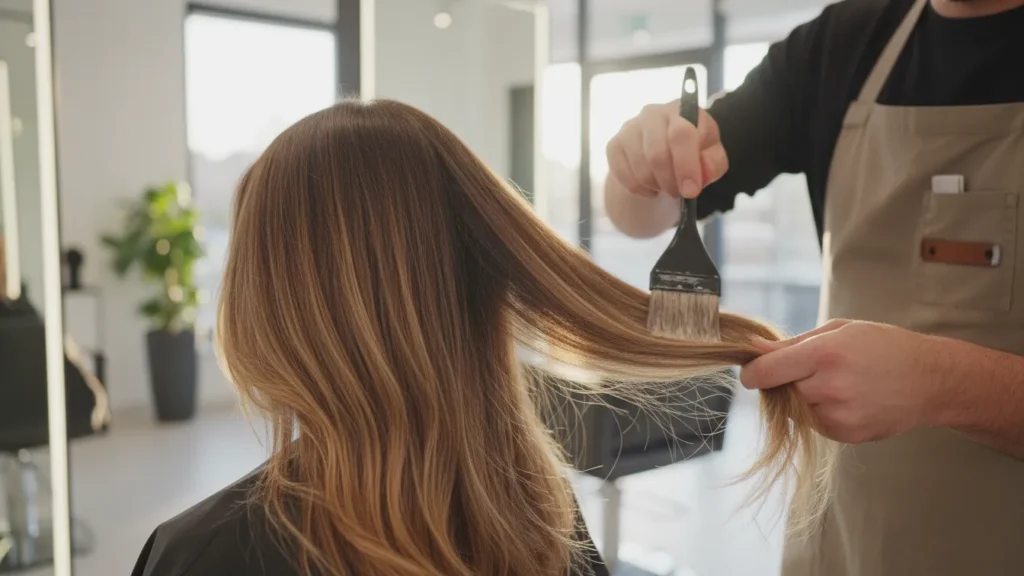
The word balayage comes from French, meaning “to sweep.” That’s literally what your stylist does—they sweep color onto your hair using freehand painting. No foils, no caps, just artistic brushwork.
What I love about this technique is how customized it feels. Your colorist can place highlights exactly where they’ll look best on you. They’re not following a formula or wrapping your whole head in foils.
The goal with balayage hair is to mimic how the sun would naturally lighten your hair. You know that gorgeous color you get after spending a week at the beach? That’s the vibe we’re going for.
How Balayage Actually Works
Your stylist starts by sectioning your hair, but here’s the key difference—they paint the lightener directly onto the surface of each section. They’ll typically start a few inches from your roots and work down to the ends.
The application isn’t uniform either. Some pieces get more product, some get less. This creates dimension and keeps everything looking natural. In fact, that’s the whole point of balayage—it shouldn’t look like you got your hair done.
Most colorists use a paddle board behind each section while they paint. This keeps the color from bleeding onto other hair and gives them better control. The whole process usually takes 2-3 hours depending on your hair length and thickness.
What Makes Balayage Special
The biggest advantage? Your grow-out looks intentional instead of messy. Since there’s no harsh line where the color starts, you can go 3-4 months between appointments without looking like you’re neglecting your hair.
I also love that balayage works on pretty much any base color. Brunettes, blondes, redheads—everyone can rock this technique. Your stylist just adjusts the lightener and toner shades to complement your natural color.
However, achieving the perfect balayage vs ombre hair look requires an experienced colorist. This isn’t a technique you want to trust to someone fresh out of beauty school. The freehand application takes serious skill and an artistic eye.
Understanding Ombre Hair Color
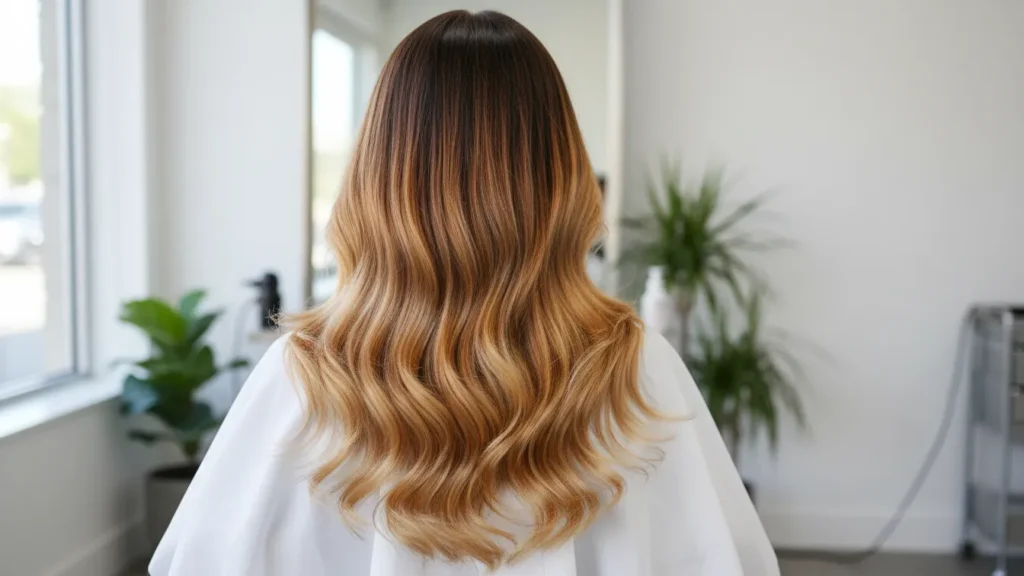
Ombre translates to “shadow” in French, and that perfectly describes this gradient effect. You’ve got darker roots that dramatically transition to lighter ends. It’s bold, it’s noticeable, and it makes a statement.
Unlike balayage, ombre has a more defined color change. You can clearly see where the dark section ends and the light section begins. Some people love this high-contrast look, while others find it too dramatic for their style.
The classic ombre hair goes from dark brown or black at the roots to blonde or caramel at the ends. But you might be wondering—does it have to be that extreme? Not at all. You can do subtle ombre with just a few shades difference.
The Ombre Application Process
Creating ombre typically involves traditional highlighting techniques like foils or balayage methods—or sometimes both. Your stylist sections your hair horizontally and applies lightener starting at the mid-lengths.
The key is creating a smooth gradient without harsh lines. Even though ombre has more contrast than balayage, you don’t want it to look choppy. Skilled colorists will blend the transition zone so it fades naturally.
Here’s something interesting: the placement of that transition zone changes everything. On longer hair, stylists might start the fade lower down. On shorter styles, they’ll adjust it higher to make the gradient visible.
The whole process takes 2-4 hours depending on how light you’re going and your starting color. Darker hair needs more processing time to lift to blonde, which is why ombre can sometimes be pricier than you’d expect.
Who Should Consider Ombre?

If you love making a statement with your hair, ombre might be your perfect match. It’s edgier than balayage and works beautifully if you want that Instagram-worthy, high-impact look.
In my experience, ombre hair looks especially stunning on longer styles. The length gives you more canvas to show off that gorgeous gradient. You can still do it on shorter hair, but the effect won’t be quite as dramatic.
Now here’s the reality check: ombre requires more upkeep than balayage. As your roots grow out, you’ll see a more obvious line of demarcation. Most people need touch-ups every 8-12 weeks to keep things looking fresh.
Balayage Vs Ombre Hair: The Real Differences
Let me clear up the confusion once and for all. While both techniques create a gradient effect, they’re actually quite different in execution and results.
| Feature | Balayage | Ombre |
|---|---|---|
| Application Method | Freehand painting technique | Foils or sectioning with lightener |
| Color Transition | Soft, blended, subtle | Defined, noticeable, bold |
| Starting Point | Can begin anywhere | Usually starts mid-lengths |
| Maintenance | Every 3-4 months | Every 8-12 weeks |
| Grow-Out | Seamless and natural | More visible line |
| Best For | Low-maintenance, natural look | Dramatic, statement-making style |
| Cost Range | $150-$300+ | $150-$350+ |
| Processing Time | 2-3 hours | 2-4 hours |
The Application Technique
The biggest difference in balayage vs ombre hair comes down to how your colorist applies the color. Balayage is all about that freehand painting—your stylist has complete creative control over where highlights go.
With ombre, it’s more systematic. They’re creating a specific gradient from point A to point B. It’s less about artistic placement and more about achieving that bold transition.
What I’ve noticed is that balayage tends to look different on everyone because it’s customized. Ombre, while still personalized, follows a more predictable pattern.
The Final Look
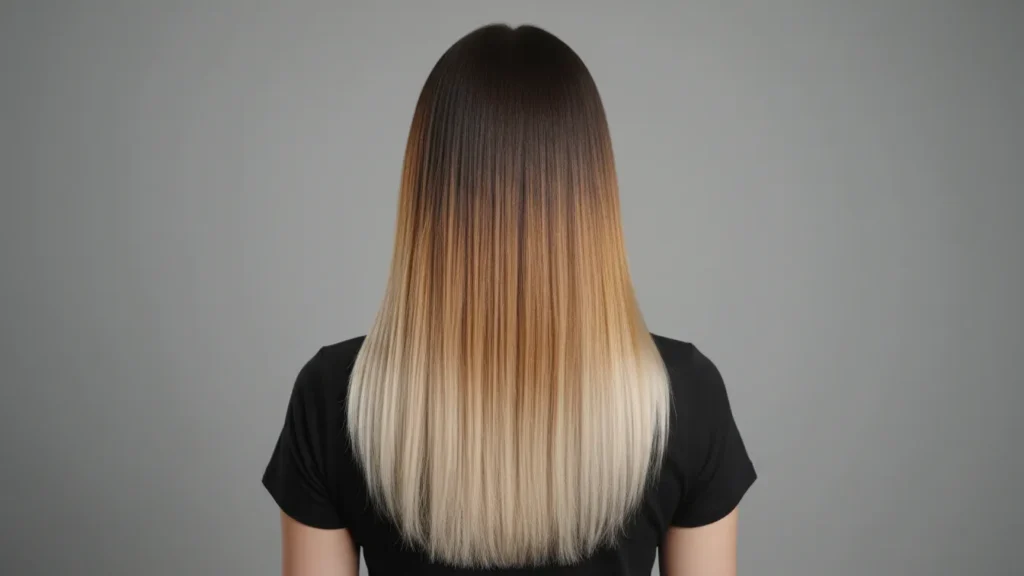
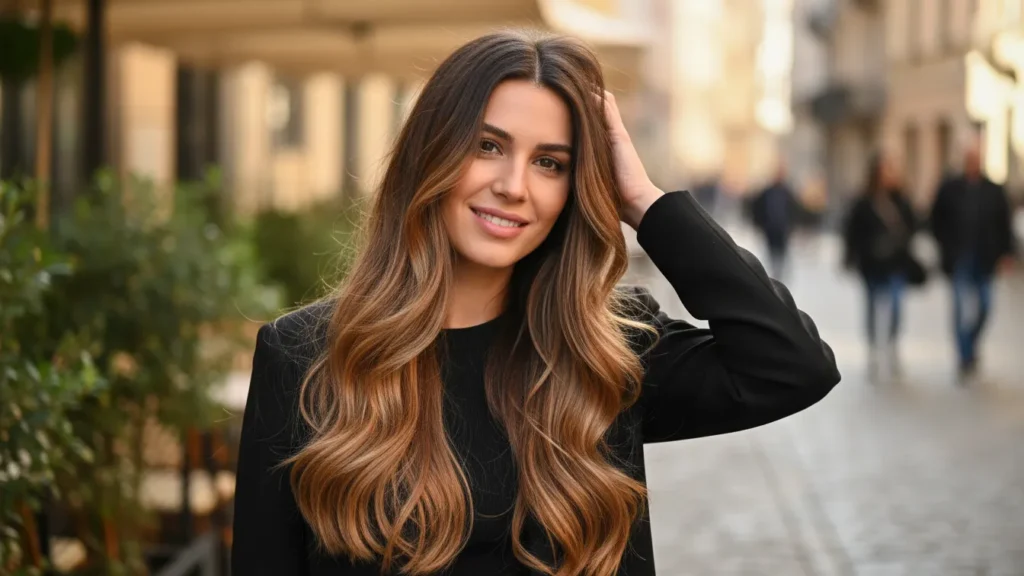
When comparing balayage vs ombre hair, the visual difference is pretty clear once you know what to look for. Balayage gives you scattered, natural-looking highlights that add dimension throughout your hair.
Ombre creates that distinctive two-toned effect. Your roots stay dark while your ends are significantly lighter. The contrast is the whole point—you’re not trying to look like you were born with it.
Think of it this way: balayage whispers, ombre shouts. Neither is better, they’re just different vibes.
Maintenance Requirements
Here’s where balayage really wins in the balayage vs ombre hair debate—at least for busy people. Since the color is painted on without a harsh starting line, your grow-out looks intentional.
I’ve gone four months between balayage appointments and still felt put-together. Try that with ombre and you’ll have a visible grow-out line that screams “I need a salon visit.”
However, both techniques need regular toning to keep the color fresh and prevent brassiness. Budget for a gloss treatment every 6-8 weeks regardless of which style you choose.
Choosing Between Balayage and Ombre
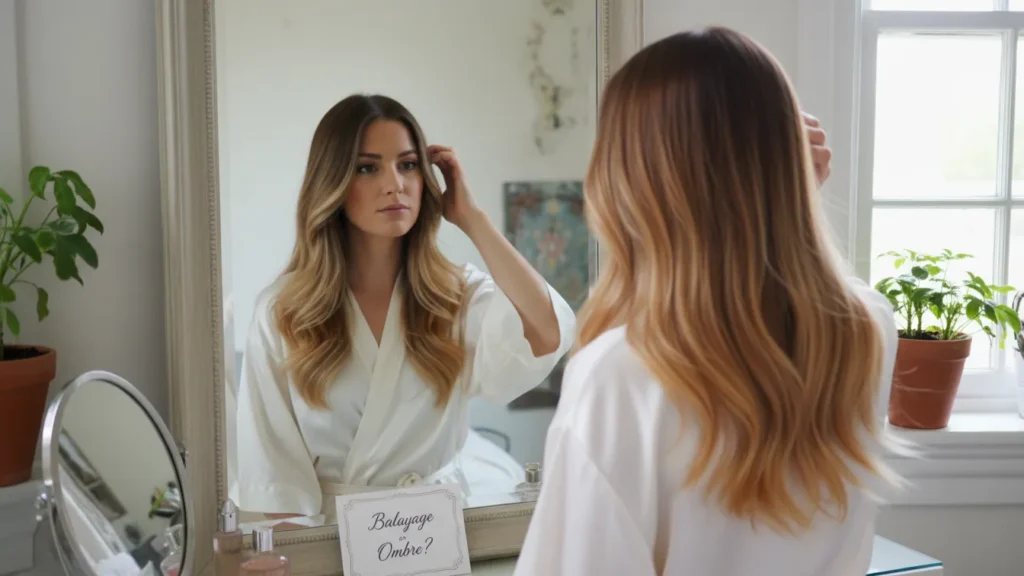
You might be wondering how to actually decide between these two gorgeous options. Let me walk you through the factors that matter most.
Your Lifestyle Matters
If you’re constantly busy and can’t commit to regular salon visits, balayage is probably your better bet. The low-maintenance nature means you won’t look disheveled if life gets hectic and you miss an appointment.
Ombre demands more attention. You’ll need those regular touch-ups to prevent a harsh grow-out line. If you don’t mind blocking out time every 2-3 months for color appointments, then ombre could work beautifully for you.
In my experience, clients with demanding jobs or young kids tend to prefer balayage. It’s one less thing to worry about scheduling.
Consider Your Natural Color
Your starting color plays a huge role in the balayage vs ombre hair decision. Brunettes can rock both techniques, but the approaches differ slightly.
For balayage, darker hair gets those caramel and honey highlights woven throughout. It brightens your overall look without a dramatic change. With ombre, you’re committing to that bold dark-to-light gradient.
Blondes often choose balayage to add dimension and avoid that flat, one-tone look. Ombre on blonde hair usually means going even lighter at the ends or adding a darker root shadow for contrast.
Your Style Personality
Are you more classic and understated, or do you love bold fashion choices? Your answer tells you a lot about which technique suits you better.
Balayage fits that effortless, natural aesthetic. It’s perfect if you want gorgeous hair that doesn’t look overly styled or high-maintenance. Think California girl, beachy vibes.
Ombre hair is for the trendsetters and risk-takers. It’s a statement that says you’re not afraid of color. If you love experimenting with your look and want something eye-catching, ombre delivers.
Hair Length and Texture
Length definitely matters when choosing between balayage vs ombre hair. Both techniques can work on shorter styles, but they shine differently.
Balayage looks incredible on any length because it’s about placement, not creating a gradient. Short pixies, long waves—the technique adapts beautifully. What I’ve seen is that balayage on shorter hair focuses more around the face for that brightening effect.
Ombre really shows off on longer hair. You need that length to display the full gradient transition. On a bob or lob, you can still do ombre, but the effect will be more subtle simply because there’s less hair to work with.
Curly and textured hair? Balayage tends to look more natural because the highlights peek through as your curls move. Ombre on curls creates a beautiful dimension, but you’ll see the color change more when your hair is straightened.
Current Trends in Balayage and Ombre
The hair color world never stops evolving, and both balayage and ombre have spawned some seriously cool variations.
Balayage Trends to Try

Face-framing balayage has exploded in popularity lately. Instead of highlighting all over, your colorist concentrates the lighter pieces around your face. It’s like built-in contouring for your features.
Colored balayage is another trend I’m seeing everywhere. Instead of traditional blonde highlights, people are going for rose gold, copper, or even pastel balayage. The freehand technique works perfectly for placing these fun colors exactly where they’ll look best.
There’s also reverse balayage, where your roots are lighter and ends are darker. It’s unexpected and gives off major cool-girl vibes. This technique works great if you’re growing out blonde and want to transition to a darker color gracefully.
Ombre Variations Worth Knowing
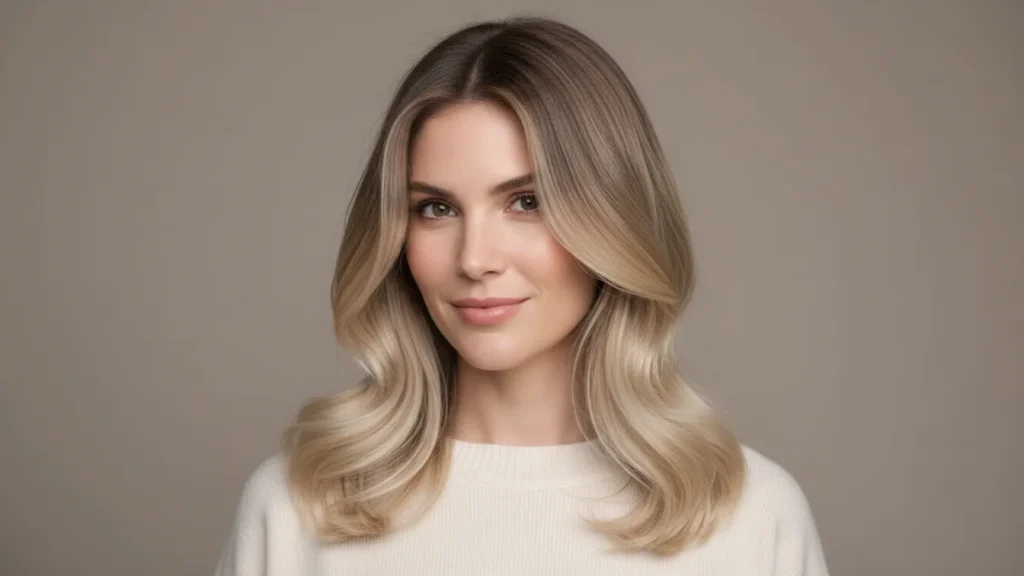
Sombré (soft ombre) has become huge for people who want the ombre effect without the drama. The transition is more gradual and blended, sitting somewhere between traditional ombre and balayage.
Color-blocking ombre takes things to the next level with bold, contrasting shades. Think purple roots fading to silver ends, or black transitioning to bright red. It’s definitely not for the faint of heart.
Eclipting combines balayage and ombre techniques to create a multidimensional look. Your colorist uses balayage throughout the mid-lengths, then adds ombre at the ends. You get the best of both worlds—natural dimension plus that striking gradient.
Maintaining Your Balayage or Ombre

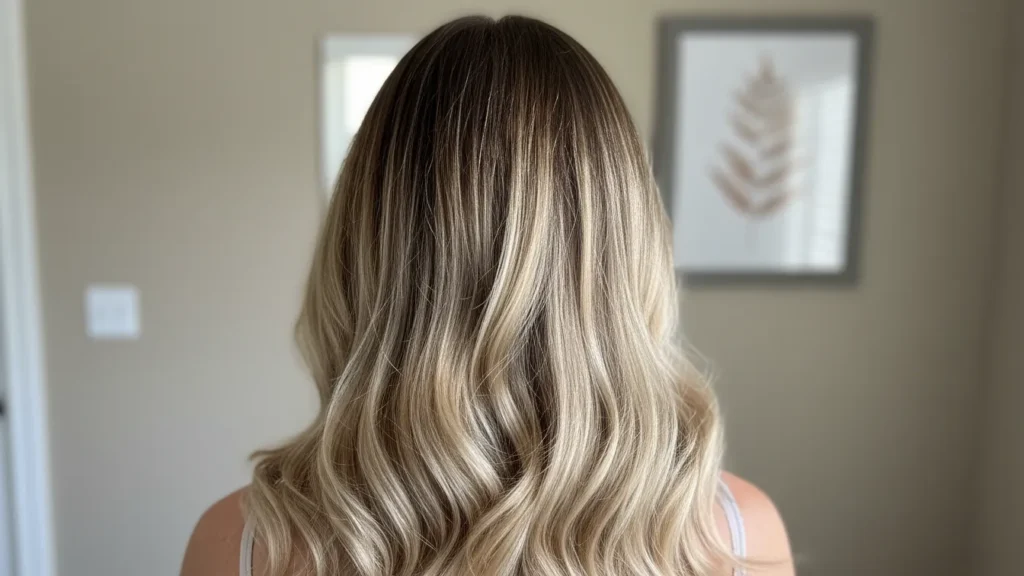
Getting the color is just the beginning. Proper maintenance keeps your balayage vs ombre hair looking salon-fresh between appointments.
Essential Hair Care Products
Invest in a good purple shampoo if you’re going blonde with either technique. It neutralizes those brassy, yellow tones that develop over time. I use mine once or twice a week—any more and your hair can start looking purple.
Sulfate-free shampoo and conditioner are non-negotiable. Sulfates strip color faster than anything else. Yes, they cost more, but you’ll actually save money because your color lasts longer.
Deep conditioning treatments should become your weekly ritual. Color-treated hair needs extra moisture, especially at the ends where the lightener was applied. Look for treatments with proteins and keratin to rebuild strength.
Protecting Your Investment
Heat styling is the enemy of color-treated hair. Always use a heat protectant spray before blow-drying or using hot tools. Better yet, embrace air-drying when possible and give your hair a break.
UV exposure fades color surprisingly fast. In summer, wear a hat or use a UV-protectant hair spray. The sun doesn’t discriminate—it’ll fade both balayage and ombre if you’re not careful.
Chlorine and saltwater are brutal on color. Before swimming, wet your hair with clean water and apply a leave-in conditioner. This creates a barrier so your hair absorbs less of the damaging stuff.
When to Schedule Touch-Ups
For balayage, you can usually stretch appointments to 12-16 weeks if your colorist did it right. Some people even go 6 months between sessions. The key is getting a toner or gloss in between to refresh the color.
Ombre needs more regular attention—plan on every 8-12 weeks. You’re maintaining that specific gradient, so root growth becomes noticeable faster. Some salons offer “ombre refresh” services that are quicker and cheaper than a full recolor.
Both techniques benefit from toning appointments between major color services. These quick sessions (usually 30-45 minutes) refresh your color and fix any brassiness. Budget for toning every 6-8 weeks.
Cost Comparison: What to Expect
Let’s talk money because balayage vs ombre hair services aren’t cheap. But understanding the costs helps you budget properly.
Initial Service Costs
Balayage typically runs $150-$300 at most salons, though high-end salons in major cities can charge $400+. The price depends on your hair length, thickness, and how many hours the service takes.
Ombre costs about the same range—$150-$350 on average. If you’re going from very dark to very light, expect to pay more because it requires more processing and possibly multiple sessions.
Master colorists charge premium rates, sometimes $500+ for either service. In my experience, it’s worth paying more for an experienced stylist who won’t damage your hair or give you orange highlights.
Long-Term Maintenance Costs
Here’s where balayage saves you money. With fewer appointments needed per year (3-4 versus 5-6 for ombre), you’re spending less annually on color services.
However, don’t forget about toning sessions, which run $50-$100 each. Both techniques need these, so factor in another $300-$600 per year for gloss treatments.
Quality hair care products add up too. Budget about $100-$150 every few months for sulfate-free shampoo, conditioner, purple shampoo, and deep treatments. It sounds like a lot, but these products genuinely make your color last longer.
Common Mistakes to Avoid
I’ve seen people make the same mistakes repeatedly when getting balayage vs ombre hair. Let me save you some heartache.
Choosing the Wrong Colorist
Not every hairstylist is trained in advanced color techniques. Just because someone can do basic highlights doesn’t mean they can execute beautiful balayage or ombre.
Look at their portfolio specifically for these techniques. Ask to see before-and-after photos of clients with similar hair to yours. Read reviews that mention balayage or ombre by name.
Don’t be afraid to have a consultation before booking. A good colorist will assess your hair condition, discuss realistic expectations, and explain their process. If they rush this conversation, find someone else.
Going Too Light Too Fast
One of the biggest temptations is wanting to go from dark brown to platinum blonde in one session. Trust me, this rarely ends well. Your hair will be fried, and the color won’t look good.
Most dramatic color changes need multiple sessions spaced weeks apart. This gives your hair time to recover between processes. Yes, it takes longer and costs more upfront, but your hair stays healthy.
With both balayage and ombre, gradual lightening looks better anyway. You can always go lighter at your next appointment if you want more contrast.
Skipping the Toner
Some people think the lightening process is all that matters. Wrong. The toner is what makes balayage vs ombre hair look expensive and professional instead of brassy and cheap.
Toner neutralizes unwanted warm tones and adds depth to your color. It’s the difference between “I did this in my bathroom” and “I just left the salon.” Never skip this step, and refresh it regularly.
If your stylist doesn’t mention toner, that’s a red flag. It should be a standard part of any lightening service.
FAQs About Balayage Vs Ombre Hair
Which lasts longer, balayage or ombre?
Balayage lasts longer between touch-ups because the grow-out is more gradual and natural-looking. You can easily go 3-4 months, sometimes longer. Ombre typically needs refreshing every 8-12 weeks to prevent a harsh line from forming as your roots grow.
Can I do balayage or ombre on dark hair?
Absolutely! Both balayage and ombre look stunning on dark hair. You might need more than one session to reach lighter shades without damage, but the results are worth it. Caramel, honey, and auburn tones are particularly gorgeous on brunettes.
Is balayage or ombre better for damaged hair?
If your hair is already compromised, balayage is gentler because it doesn’t require lightening every strand. Your colorist can work around damaged areas and focus highlights on healthier sections. Hold off on ombre until your hair is in better condition, or expect to do it gradually over multiple sessions.
Can I switch from ombre to balayage?
Yes, you can transition from ombre to balayage fairly easily. Your colorist will add highlights throughout the darker root area to blend everything together. It typically takes one session if your ombre isn’t too extreme. Going from balayage to ombre is also doable and might even be simpler.
Do balayage and ombre work on short hair?
Both techniques can work on short hair, but they look different than on longer styles. Balayage adapts beautifully to any length with strategic highlight placement. Ombre on short hair creates a more subtle gradient since there’s less length to show the full transition. Face-framing balayage is especially popular on bobs and pixies.
How much damage does balayage vs ombre cause?
Both involve lightening, which always causes some damage. However, balayage is generally less damaging because you’re not lightening every single strand. Ombre concentrates the lightening on the ends, which can become dry and brittle over time. Proper care and regular deep conditioning minimize damage with either technique.
Making Your Final Decision
So where does all this leave you in the balayage vs ombre hair debate?
If you want a natural, low-maintenance look that grows out gracefully, balayage is calling your name. It’s perfect for busy lifestyles, gives you that effortless sun-kissed glow, and works on any hair length or texture.
Choose ombre if you love bold, eye-catching color and don’t mind regular salon visits. It makes a statement and gives you that high-contrast, trendy look that photographs beautifully.
Here’s my honest advice: book a consultation with a skilled colorist and bring inspiration photos. Sometimes seeing these techniques on actual hair (not just in your imagination) makes the decision crystal clear.
Remember, hair color isn’t permanent. If you try one technique and decide it’s not for you, you can always switch it up at your next appointment. That’s the beauty of balayage vs ombre hair—both offer gorgeous results, just with different vibes.
The most important thing? Make sure you’re choosing what makes you feel confident and beautiful, not just following trends. Your hair should make you smile every time you catch your reflection.
Now go ahead and book that appointment. Your dream hair color is waiting!