Sombre Hair VS Ombre Hair: The Real Difference Explained

I’ll be honest with you—when I first heard about “sombre” hair, I thought someone was just mispronouncing ombre. Turns out, I was completely wrong. These are two totally different techniques, and understanding the difference can save you from a salon disappointment.
You know that feeling when you show your stylist a picture and what you get is… not quite what you wanted? Yeah, that’s often because people mix up sombre hair vs ombre hair. They sound similar, they look kinda similar in photos, but they’re really not the same thing at all.
I’ve tried both techniques over the years (hello, commitment issues with hair color), and let me tell you—the difference is significant. Not just in how they look, but in how much time you’ll spend maintaining them and how much cash you’ll drop at the salon.
What Exactly Is Sombre Hair?

Let’s start with sombre hair, which is basically the chill, low-key cousin of ombre. The name itself is a mashup of “soft” and “ombre”—and that pretty much tells you everything you need to know.
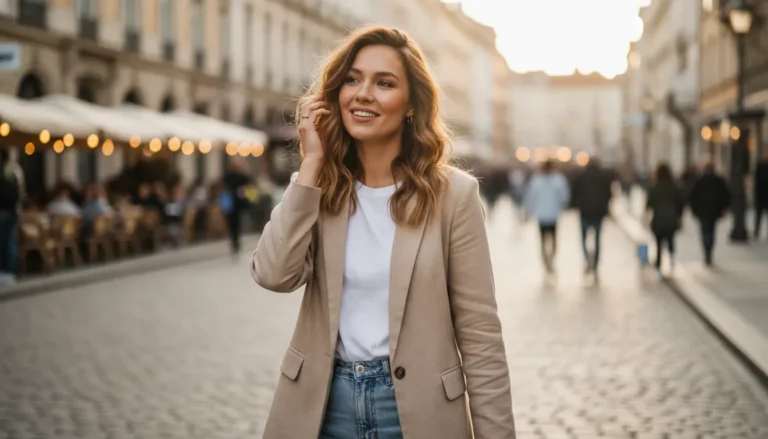
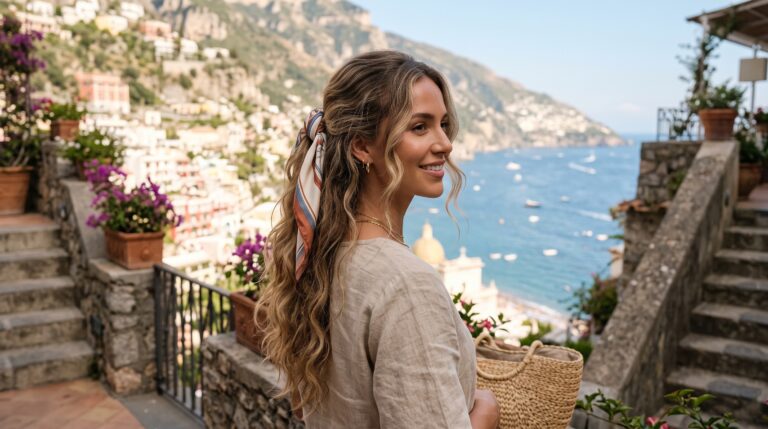
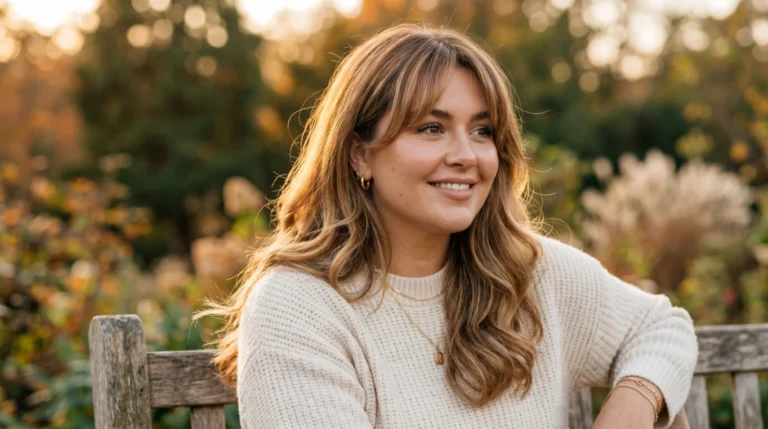
Sombre hair is all about that barely-there color transition. We’re talking subtle, sun-kissed vibes where your natural color gently melts into something slightly lighter at the ends. The change is so gradual that you almost can’t tell where one shade ends and another begins.
What I love about sombre is how natural it looks. Nobody’s going to think you spent hours in a salon chair—it just looks like you spent a lot of time at the beach (even if you haven’t seen the ocean in months).
The color placement starts closer to your roots with fine highlights that gradually get lighter as they move down. But here’s the key: the change is minimal. We’re maybe talking one to two shades lighter, max. It’s dimensional without being dramatic.
Who Should Try Sombre Hair?

In my experience, sombre hair works best if you’re:
- Looking for a low-maintenance color option
- Want to dip your toes into color without full commitment
- Prefer a natural, “I woke up like this” aesthetic
- Don’t want obvious regrowth lines as your hair grows out
- Have a professional job where dramatic hair might be frowned upon
The beauty of sombre is its versatility. It works on pretty much any base color—brunettes, blondes, even redheads can rock this technique. The key is keeping everything in the same color family as your natural shade.
Understanding Ombre Hair

Now let’s talk about ombre hair—the bold, statement-making technique that dominated Instagram for years (and honestly still looks amazing when done right).
Ombre hair is unapologetically dramatic. You’ve got darker roots that transition into significantly lighter ends, and the contrast is intentional and obvious. There’s usually a visible line where the transition happens, though a good colorist will blend it so it doesn’t look harsh.
The word “ombre” literally means “shadow” or “shade” in French, which makes sense when you think about the dark-to-light gradient. Unlike sombre, ombre hair isn’t trying to look natural—it’s making a statement.
What’s cool about ombre is how customizable it gets. You can go classic with dark brown to caramel blonde, or you can get wild with blues, purples, pinks—basically whatever colors you’re brave enough to try. The technique works with any color combination as long as there’s that distinct gradient.
Who Should Try Ombre Hair?

Ombre hair might be your match if you:
- Want a bold, eye-catching look
- Don’t mind regular salon maintenance
- Love experimenting with dramatic color
- Have the confidence to rock a statement hairstyle
- Aren’t worried about looking “natural”
The thing about ombre is that it requires commitment. Not just to the look itself, but to maintaining it. We’ll get into that more in a minute.
Sombre Hair VS Ombre Hair: Breaking Down The Differences
Alright, let’s get into the nitty-gritty of sombre hair vs ombre hair. Here’s where these techniques really diverge.
| Feature | Sombre Hair | Ombre Hair |
|---|---|---|
| Transition | Gradual, barely noticeable | Obvious, intentional contrast |
| Color difference | 1-2 shades lighter | 3+ shades, can be dramatic |
| Maintenance | Low (6-8 months between visits) | High (6-8 weeks for touch-ups) |
| Placement | Starts closer to roots | Usually starts mid-length |
| Vibe | Natural, sun-kissed | Bold, fashion-forward |
| Best for | Subtle enhancement | Dramatic transformation |
| Cost over time | Lower due to less frequent visits | Higher due to regular maintenance |
The Transition: Soft VS Bold

This is probably the biggest difference in sombre hair vs ombre hair. With sombre, you’re looking at this incredibly soft, diffused transition. The colorist uses fine highlights and lowlights to create dimension, blending everything so seamlessly that you can’t pinpoint where your natural color ends.
Ombre hair, on the other hand, has that more defined transition point. Yeah, a skilled colorist will blend it so it’s not a harsh line, but the contrast between your roots and ends is obvious and intentional. That’s the whole point—you want people to notice the dramatic color change.
Color Intensity: Whisper VS Shout

When we’re talking sombre hair vs ombre hair in terms of color intensity, think of it like this: sombre whispers while ombre shouts.
Sombre hair keeps the color intensity dialed way down. You’re enhancing your natural color, not transforming it. The lift is subtle—maybe your medium brown hair gets some caramel tones, or your blonde gets a bit brighter at the ends. It’s a gentle refresh rather than a complete overhaul.
Ombre hair cranks up that intensity. The ends can be significantly lighter (or completely different colors if you’re going creative). We’re talking dark chocolate brown roots with platinum blonde ends, or natural black hair transitioning into vibrant purple. The intensity is part of the appeal.
Maintenance: The Real Cost of Your Choice

Now here’s where it gets interesting, and honestly, this is what sealed the deal for me when choosing between sombre hair vs ombre hair.
Sombre hair is ridiculously low-maintenance. Because the transition is so gradual and stays close to your natural color, regrowth basically blends itself. I’ve gone six to eight months between touch-ups without it looking grown out or messy. For someone who hates frequent salon visits (guilty), this is perfect.
Ombre hair requires way more commitment. That stark contrast means regrowth is noticeable, especially if you’ve gone really light on the ends. You’re looking at touch-ups every six to eight weeks if you want to maintain that crisp, fresh look. Plus, if you’ve gone with vivid colors, those fade faster and need more frequent refreshing.
In my experience, the maintenance difference adds up. Not just in money (though yeah, that too), but in time spent in the salon chair and mental energy planning appointments.
The Coloring Process: What to Expect
Understanding what actually happens during the coloring process can help you decide between sombre hair vs ombre hair.
Getting Sombre Hair

The sombre process is usually gentler on your hair because it’s more subtle. Your colorist will likely use:
- Balayage technique: Hand-painting color in fine sections for that natural, sun-kissed look
- Foils: Sometimes used but with finer sections and strategic placement
- Toner: To blend everything seamlessly and create that soft transition
The whole process typically takes 2-3 hours, depending on your hair length and thickness. Because you’re not going dramatically lighter, you might not need as much bleach (which is always good news for your hair’s health).
Getting Ombre Hair

Ombre hair is usually a longer, more intensive process. Here’s what typically happens:
- Sectioning: Your colorist will section off where they want the transition to start
- Bleaching: The ends get saturated with lightener to create that dramatic lift
- Processing time: Longer processing to achieve significant color change
- Toning: Multiple toners might be used to achieve the perfect end color
- Blending: The transition zone gets special attention to avoid harsh lines
Plan on spending 3-4 hours minimum in the salon for ombre, especially if you’re starting with dark hair and going significantly lighter. The process is more intensive because you’re creating such a dramatic change.
Color Placement: Where the Magic Happens
The placement is crucial when we’re talking sombre hair vs ombre hair, and it’s what creates those distinct looks.
Sombre Placement Strategy
With sombre hair, color placement starts relatively high—sometimes just a few inches from your roots. The colorist uses fine, delicate highlights that get gradually denser and lighter as they work down the hair shaft.
The goal is creating dimension throughout most of your hair length. You want that lived-in, multi-dimensional look where light catches different tones as you move. There’s no obvious starting point—the color just gradually evolves.
Ombre Placement Strategy
Ombre hair has a more defined placement strategy. Typically, the transition starts somewhere between mid-length and the ends—though this can be adjusted based on your hair length and desired look.
The colorist will concentrate the lighter color primarily on the ends, creating that gradient effect. The mid-length area becomes the transition zone where the blending happens. Unlike sombre, there’s usually a visible (though blended) line where the color change begins.
Styling Considerations
How you style your hair actually affects how sombre hair vs ombre hair looks, which is something I didn’t realize until I’d tried both.
Styling Sombre Hair
Sombre hair is incredibly forgiving when it comes to styling. Because the color is so blended and natural-looking, it works with pretty much any hairstyle:
- Straight hair: The subtle dimension catches light beautifully
- Waves: Enhance the natural, beachy vibe
- Updos: The color blends seamlessly even when pulled up
- Braids: The dimension shows through without looking striped
What I love about sombre is that even on days when I throw my hair in a messy bun, the color still looks intentional and pretty. There’s no “wrong” way to style it.
Styling Ombre Hair
Ombre hair really shines (literally) when styled in ways that show off that gradient:
- Loose waves: These are perfect for showcasing the color transition
- Straight and sleek: Shows the gradient clearly and dramatically
- Half-up styles: Lets you see both the darker roots and lighter ends
- Down and flowing: The full effect is on display
Updos can be trickier with ombre because you might end up with just your darker roots showing, which kind of defeats the purpose of having those gorgeous light ends. Not a dealbreaker, just something to consider.
Cost Comparison: The Money Talk
Let’s talk about what sombre hair vs ombre hair means for your wallet, because this is real life and budgets matter.
Initial Cost
The first appointment for either technique is usually comparable—you’re looking at anywhere from $150-$400+ depending on your location, salon, and hair length. Both techniques require skill and time, so the initial investment is similar.
Sometimes ombre costs a bit more initially if you’re going very light and need multiple bleaching sessions, but generally, the first visit costs are in the same ballpark.
Long-Term Cost
Now here’s where sombre hair vs ombre hair really differs financially.
Sombre hair is way more budget-friendly over time. With 6-8 months between appointments, you’re looking at maybe 2-3 visits per year. Let’s say $200 per visit—that’s $400-$600 annually.
Ombre hair with maintenance every 6-8 weeks means 6-8 salon visits per year. Even if each visit is slightly less expensive than the initial application (say $150 for touch-ups), you’re still looking at $900-$1,200 annually.
Over a year, sombre can save you several hundred dollars. Over several years? The difference is significant.
Hair Health Considerations
This is something I learned the hard way: sombre hair vs ombre hair isn’t just about aesthetics—it’s about hair health too.
Sombre and Hair Health

Sombre hair tends to be gentler on your hair because:
- Less bleach is typically used overall
- The subtle lift doesn’t require as much chemical processing
- Fewer touch-ups mean less repeated chemical exposure
- The technique often uses hair-friendly balayage methods
My hair definitely stayed healthier during my sombre phase. Less damage, better texture, and I didn’t need as many intensive conditioning treatments.
Ombre and Hair Health

Ombre hair, especially dramatic versions, can be tougher on your locks:
- Significant bleaching is often required for the ends
- The ends (which are already the oldest, most fragile part of your hair) get the most processing
- Frequent touch-ups mean repeated chemical exposure
- Lighter ends are more prone to dryness and damage
If you go with ombre, invest in good quality hair care products. I’m talking deep conditioning masks, leave-in treatments, and regular trims to keep those lightened ends healthy. It’s non-negotiable if you want your hair to look good and stay strong.
Can You Switch Between Them?
You might be wondering if you can transition between sombre hair vs ombre hair. The answer is yes, but the ease of transition depends on which direction you’re going.
From Ombre to Sombre
Going from ombre to sombre is actually pretty straightforward. Your colorist can:
- Add more highlights higher up to create a gradual transition
- Tone down the contrast with lowlights through the mid-lengths
- Blend the transition zone to make it less obvious
This transition usually happens naturally as ombre grows out anyway, so you might just need some strategic color placement to speed up the process.
From Sombre to Ombre
Going from sombre to ombre is more dramatic but totally doable. You’ll need:
- More intensive lightening on the ends to create contrast
- Possibly darkening the roots if they’ve been highlighted in your sombre
- Creating that defined transition point
This is more of a transformation since you’re going from subtle to bold, but if you’re ready for a change, go for it.
Celebrity Inspiration
Sometimes seeing sombre hair vs ombre hair on actual people helps you decide. While I can’t name specific celebs, think about the difference you’ve seen on red carpets:
Sombre tends to be favored by celebrities going for that effortless, natural beauty look. It’s sophisticated and works well on camera without being distracting.
Ombre shows up more on celebrities making bold fashion statements, especially in music and entertainment. It photographs dramatically and stands out in a crowd.
Making Your Decision
So how do you actually choose between sombre hair vs ombre hair? Here’s my honest advice:
Choose sombre if:
- You want low maintenance above all else
- Your lifestyle requires a more natural look
- You’re not ready for dramatic change
- Budget is a concern long-term
- You want to enhance your natural color, not transform it
Choose ombre if:
- You love bold, statement-making looks
- You don’t mind frequent salon visits
- You want a dramatic transformation
- Hair is your favorite accessory
- You have the budget for regular maintenance
There’s no wrong choice here—it’s about what fits your life, style, and commitment level.
My Personal Take
If you’re still on the fence about sombre hair vs ombre hair, let me share what worked for me.
I started with ombre because I wanted that dramatic change. It was fun and exciting, and I loved the boldness of it. But after about a year of constant maintenance appointments, touch-ups, and dealing with dry ends, I was over it.
I switched to sombre and honestly? Game-changer. I got to keep that dimensional color I loved, but without the high maintenance. My hair stayed healthier, I spent less time and money at the salon, and I still felt like I had “a color”—it just wasn’t screaming for attention.
That said, I don’t regret my ombre phase at all. It was perfect for that time in my life when I wanted something bold. Now I’m in a different place, and sombre fits better.
Your hair journey is your own, and what works for me might not work for you. The beauty of understanding sombre hair vs ombre hair is that you can make an informed choice based on your actual needs, not just what looks pretty in a Pinterest photo.
Final Thoughts
The difference between sombre hair vs ombre hair comes down to subtlety versus statement, natural versus dramatic, low-maintenance versus high-commitment.
Sombre is that friend who always looks effortlessly put-together without trying too hard. Ombre is the friend who walks in and everyone notices because they’re making a bold choice and owning it.
Both techniques are beautiful in their own right. Both can transform your look and boost your confidence. The trick is figuring out which one aligns with your lifestyle, budget, and personal style.
Take some time to really think about what you want from your hair color. Look at inspiration photos, but also consider the reality of maintenance, cost, and how it’ll work with your daily life. Talk to your colorist about your concerns and get their professional opinion based on your hair type and condition.
At the end of the day, hair is just hair—it grows, you can change it, nothing is permanent. So whether you choose sombre, ombre, or something completely different, make the choice that makes you feel confident and beautiful.
And if you end up not loving it? That’s what hair appointments and color corrections are for. We’ve all been there, and we’ve all lived to tell the tale (and try again).