How to Grow Chrysanthemum: Your Complete Beginner’s Guide

Want to know how to grow chrysanthemum flowers that look amazing every fall? You’re in the right place. These colorful blooms are easier to grow than you think. Moreover, they’ll reward you with stunning flowers year after year.
Chrysanthemums (or “mums” as many gardeners call them) bring life to gardens when other plants are fading. In this guide, you’ll learn everything you need to successfully grow chrysanthemum plants from start to finish.
What Makes Chrysanthemums Special?
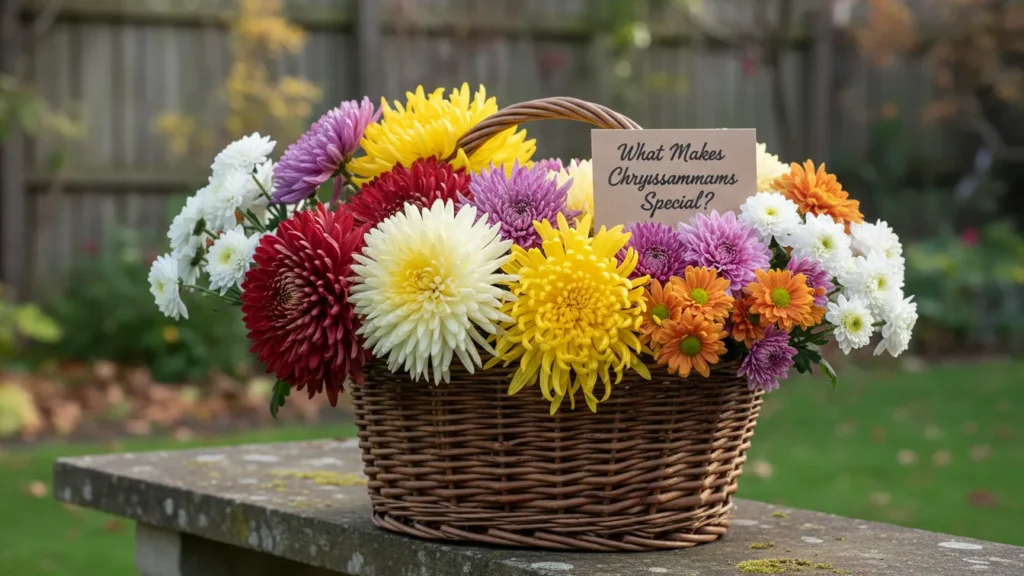
Chrysanthemums originated in China over 3,000 years ago. Today, they’re one of the world’s most popular fall flowers. These tough perennials come in dozens of colors, shapes, and sizes.
And if indoor greenery is more your style, don’t miss Bedroom Plants That Improve Air Health and Wellness for ideas that work inside your home.
The best part? Learning how to grow chrysanthemum flowers isn’t complicated. In fact, they’re quite forgiving plants for beginners.
Understanding Chrysanthemum Types
Before you learn how to grow chrysanthemum plants, you should know about the different types. This knowledge helps you pick the right ones for your garden.
Hardy Garden Mums vs. Florist Mums
There’s a big difference between these two types:
Hardy garden mums survive winter outdoors. They come back every spring. These are the ones you want if you’re learning how to grow chrysanthemum flowers long-term.
Florist mums look pretty but usually don’t survive cold winters. Furthermore, they’re bred for indoor display, not outdoor gardens. Many garden centers sell these in fall. However, treat them as temporary decorations.
Popular Chrysanthemum Varieties
Mums come in many beautiful forms:
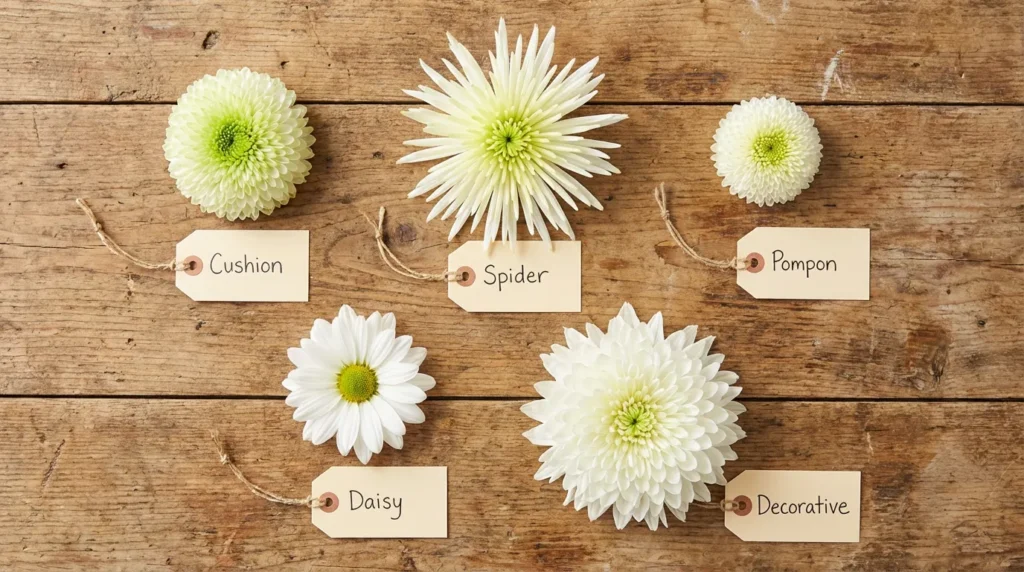
- Cushion mums – Low and bushy, perfect for borders
- Spider mums – Long, thin petals that curve outward
- Pompon mums – Small, round, ball-shaped flowers
- Daisy mums – Simple flowers with a bright center
- Decorative mums – Large, showy blooms for cutting
Choose varieties based on your climate zone and garden design. Additionally, pick colors that match your autumn landscape.
When to Plant Chrysanthemums
Timing matters when you learn how to grow chrysanthemum successfully.
Spring is the best time to plant mums. Plant them in late spring after the last frost. This gives roots time to grow strong before winter.
Many people buy mums in fall because they’re blooming then. However, fall-planted mums often don’t survive winter. Their roots simply don’t have enough time to establish.
If you must plant in fall, do it at least 6 weeks before your first frost. Even so, spring planting gives better results.
How to Grow Chrysanthemum: Choosing the Right Location
Location makes a huge difference in how to grow chrysanthemum successfully.
Sunlight Requirements
Chrysanthemums need at least 6 hours of direct sunlight daily. More sun means more flowers. Plant them where they’ll get morning and afternoon light.
Partial shade causes weak, floppy stems. Additionally, shaded plants produce fewer blooms.
Pro tip: Keep mums away from outdoor lights. Night lighting confuses them and delays flowering.
Best Soil Conditions
When learning how to grow chrysanthemum, soil preparation is crucial:
- Mums need well-draining soil above all else
- They like slightly acidic to neutral soil (pH 6.5-7.0)
- Rich, fertile soil produces the best flowers
Never plant mums in heavy clay or constantly wet areas. Poor drainage causes root rot, which kills plants quickly.
Improving Your Soil
Follow these steps to prepare perfect soil:
- Test your soil drainage by digging a hole and filling it with water
- If water sits for hours, add organic matter
- Mix in 2-3 inches of compost or aged manure
- Work amendments 12-15 inches deep
- Ensure the planting area drains well after heavy rain
Good soil preparation now means healthier plants later. Therefore, don’t skip this step.
Step-by-Step: How to Grow Chrysanthemum from Plants
Most beginners start with nursery plants. Here’s exactly how to grow chrysanthemum this way:
Planting Instructions
- Dig proper holes – Make them twice as wide as the root ball
- Space correctly – Place plants 18-24 inches apart for air circulation
- Plant at the right depth – Keep the crown (where stems meet roots) at or slightly above soil level
- Backfill gently – Remove air pockets without compacting soil too much
- Water thoroughly – Soak the soil deeply right after planting
Never bury the crown too deep. Water collecting around stems causes rot.
First Week Care
After planting, your mums need attention:
- Water daily for the first week
- Keep soil moist but not soggy
- Check plants morning and evening
- Protect from strong winds
These early days are critical. Consistent moisture helps roots establish quickly.
How to Grow Chrysanthemum from Cuttings
Want more plants for free? Growing from cuttings is easy.
Taking Cuttings
In spring, when shoots are 4-6 inches tall:
- Cut healthy stems just below a leaf node
- Remove leaves from the bottom half
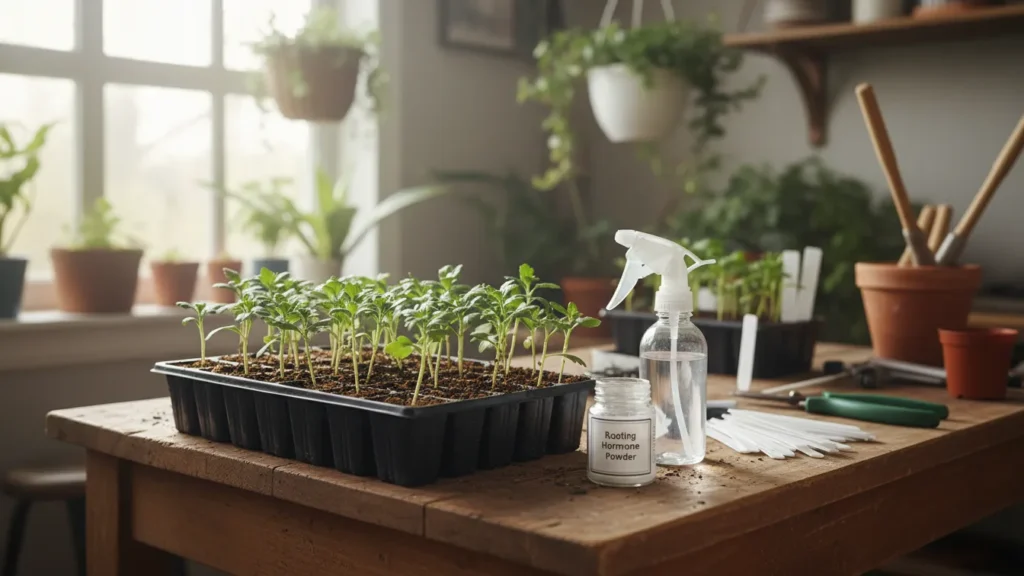
- Dip the cut end in rooting hormone
- Plant in moist vermiculite or seed-starting mix
- Keep in a bright spot out of direct sun
Most cuttings root in 2-3 weeks. Tug gently – if they resist, they’ve rooted.
Essential Care: How to Grow Chrysanthemum Successfully
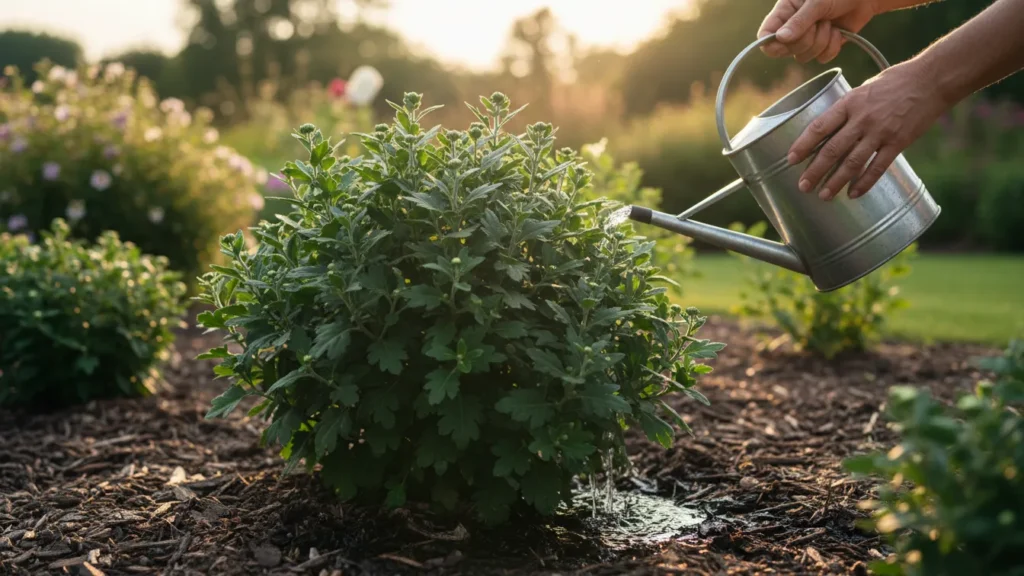
Once planted, follow these care tips to grow healthy mums.
Watering Chrysanthemums
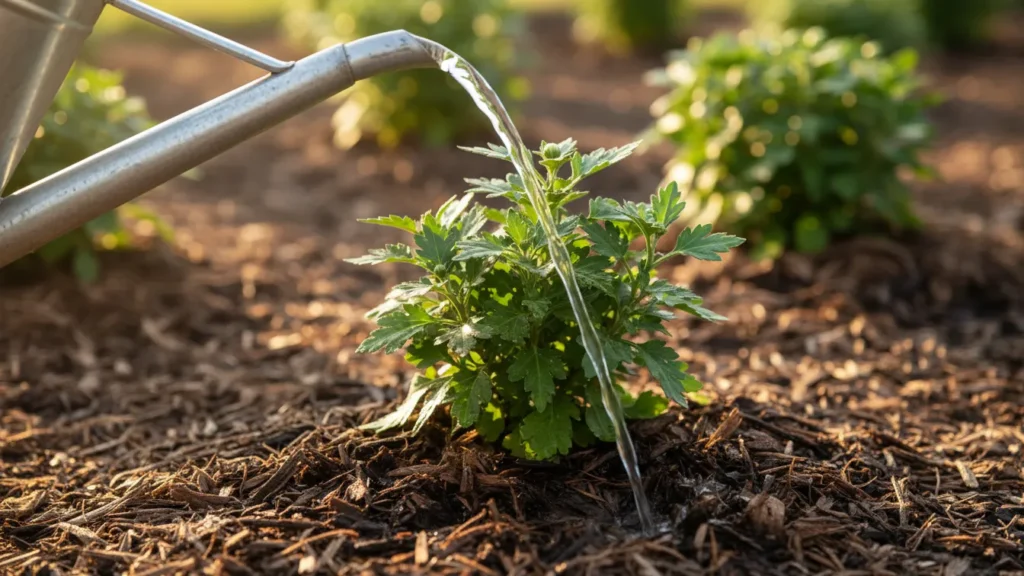
Consistent moisture is key when learning how to grow chrysanthemum:
- Water deeply once or twice weekly
- Let the top inch of soil dry between waterings
- Always water at the base, not on leaves
- Increase watering during hot, dry spells
Wet leaves invite fungal diseases like powdery mildew. Therefore, keep foliage dry.
In containers, mums dry out faster. Check daily and water when the top inch feels dry.
Fertilizing for Blooms
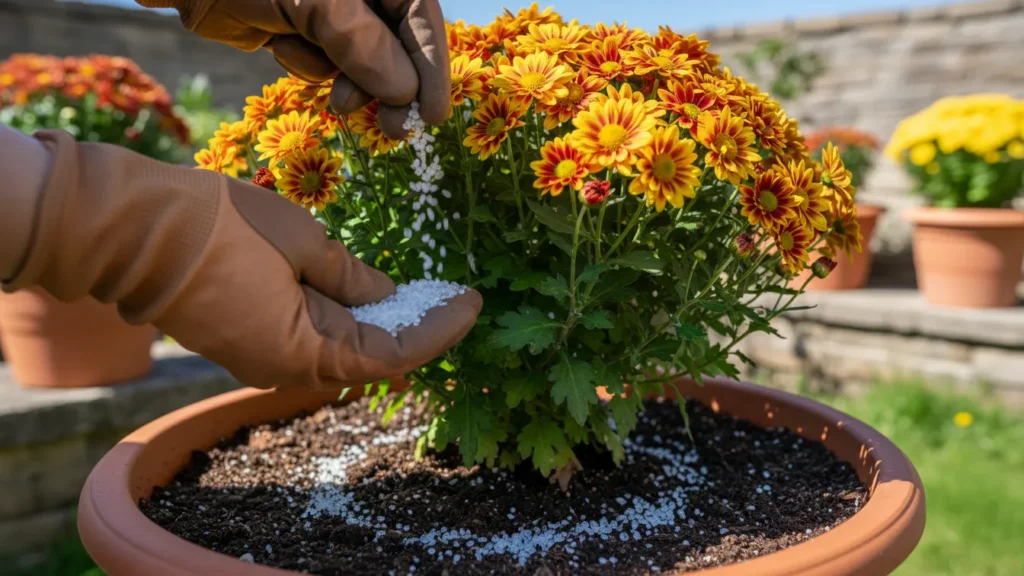
Mums are hungry plants. They need regular feeding:
Spring feeding:
- Apply balanced slow-release fertilizer when growth starts
- Use a 10-10-10 formula
- Follow package directions for amounts
Growing season:
- Feed with liquid fertilizer every 3-4 weeks
- Continue until buds form
- Switch to low-nitrogen, high-phosphorus formula before blooming
Stop fertilizing once flower buds show color. This helps blooms last longer.
The Secret to Bushier Plants: Pinching
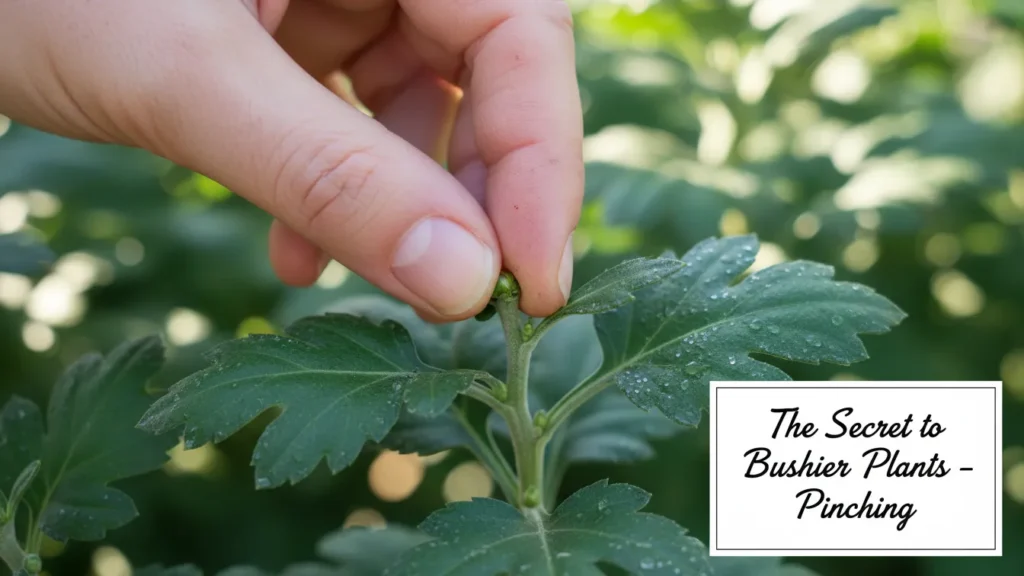
Pinching makes the biggest difference in how to grow chrysanthemum with lots of flowers.
Why pinch? Removing the growing tip forces the plant to create side branches. More branches mean more flowers. Additionally, pinched plants stay compact and sturdy.
How to pinch chrysanthemums:
- Wait until plants reach 6 inches tall
- Pinch off the top 1/2 to 1 inch
- Repeat every 2-3 weeks
- Stop pinching by mid-July (early July in warm climates)
Each pinch creates 2-3 new stems. By summer, you’ll have a full, bushy plant.
Don’t pinch after mid-July. Mums need time to form flower buds before fall.
Mulching and Weed Control
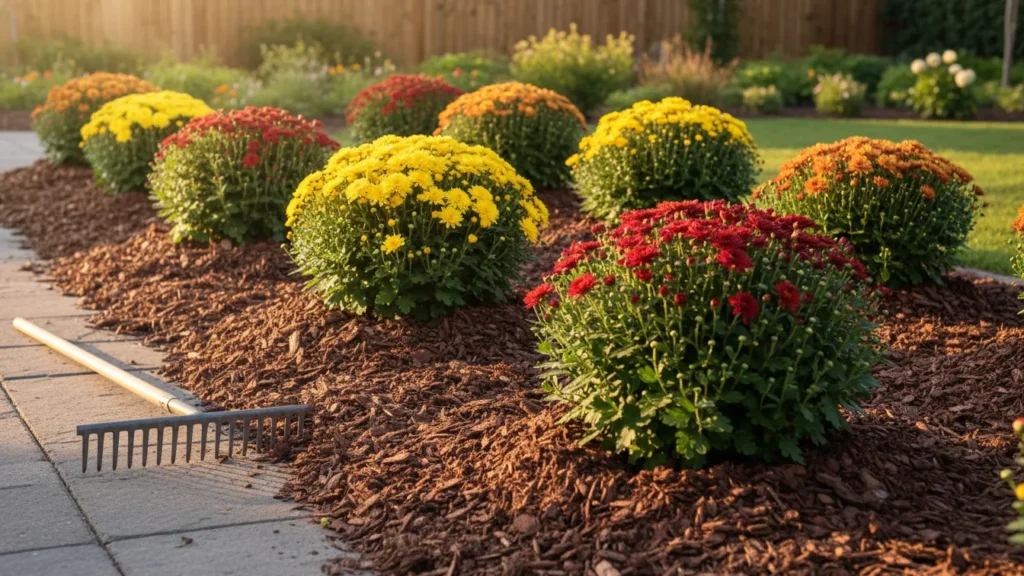
Mulch helps your chrysanthemums thrive:
- Spread 2-3 inches around plants
- Keep mulch away from stems
- Use shredded bark, compost, or straw
- Replenish as it breaks down
Mulch keeps soil moist, controls weeds, and regulates temperature. These benefits make it easier to grow chrysanthemum successfully.
Seasonal Care Throughout the Year
Understanding seasonal needs is part of knowing how to grow chrysanthemum year after year.
Spring Care
When shoots emerge:
- Remove winter mulch gradually
- Cut back dead stems to 2-3 inches
- Apply balanced fertilizer
- Check for pests and diseases
- Divide overcrowded plants (every 3 years)
Spring is also the best time to move or divide mums.
Summer Maintenance
During active growth:
- Water consistently, especially in heat
- Pinch regularly until mid-July
- Fertilize monthly
- Watch for aphids and spider mites
- Stake tall varieties if needed
Hot weather stresses mums. Therefore, don’t let them dry out completely.
Fall Flowering Time
When mums bloom:
- Continue watering regularly
- Remove spent flowers (deadheading)
- Stop fertilizing
- Enjoy the show!
Deadheading extends the blooming period. However, some gardeners leave late flowers for winter interest.
Winter Protection
Proper winter care ensures your mums return:
- Don’t cut plants back in fall – Dead stems protect roots
- Wait until spring to trim
- After the ground freezes, add 3-4 inches of mulch
- Use straw, leaves, or evergreen boughs
- Remove excess mulch in spring
In extremely cold areas, dig up plants and store them in a cool basement. Keep roots slightly moist through winter.
Common Problems and Solutions
Even experienced gardeners face challenges. Here’s how to grow chrysanthemum while avoiding common issues:
Pest Problems
Aphids – Small insects that cluster on new growth:
- Spray with water to dislodge
- Use insecticidal soap for heavy infestations
- Encourage beneficial insects
Spider mites – Tiny pests causing stippled leaves:
- Increase humidity around plants
- Spray undersides of leaves with water
- Apply neem oil if needed
Leaf miners – Create winding trails in leaves:
- Remove affected leaves
- Apply neem oil preventatively
- Keep garden clean of debris
Disease Issues
Powdery mildew – White coating on leaves:
- Improve air circulation
- Water in morning
- Apply sulfur or potassium bicarbonate
Root rot – Yellowing leaves, wilting:
- Check drainage immediately
- Reduce watering
- Remove affected plants
- Don’t replant mums in that spot
Leaf spot diseases – Brown spots on foliage:
- Water at soil level only
- Remove infected leaves
- Avoid overhead watering
- Apply appropriate fungicide
Troubleshooting Other Issues
Leggy, weak stems:
- Not enough sunlight
- Need pinching
- Too much nitrogen
No flowers or delayed blooming:
- Too much shade
- Night lighting interfering
- Planted too late in season
Plants dying in winter:
- Planted in fall (not enough time to establish)
- Poor drainage
- Florist mums (not hardy)
Dividing Chrysanthemums

Division keeps mums healthy and vigorous. Here’s how to grow chrysanthemum through division:
When to divide: Every 2-3 years in early spring
Division steps:
- Dig up entire clump when shoots are 1-3 inches tall
- Shake off excess soil
- Cut away the old, woody center
- Divide remaining parts into sections
- Each section needs several shoots and good roots
- Replant immediately in improved soil
Division also gives you new plants to share or expand your garden.
Growing Chrysanthemums in Containers

Container growing works well, especially in cold climates. Follow these tips:
Pot Selection
- Choose pots at least 12 inches wide and deep
- Ensure drainage holes exist
- Larger pots dry out slower
Potting Mix
Use quality, well-draining potting soil. Garden soil is too heavy for containers.
Container Care Differences
- Check moisture daily
- Fertilize more frequently (every 2 weeks)
- Repot annually in spring
- Move to protected spot in winter
Container mums make beautiful fall porch decorations. Furthermore, you can move them to showcase blooms where you want them.
Using Chrysanthemums in Garden Design
Now that you know how to grow chrysanthemum, use them creatively:
Placement Ideas
- Front of borders – Low-growing cushion types
- Mass plantings – Single color for impact
- Mixed with – Ornamental grasses, asters, sedums
- Containers – Combined with trailing plants
- Cut flower gardens – Tall decorative varieties
For even more inspiration on styling greenery with your décor, check out Gorgeous Green Kitchen Ideas where I share cozy, plant-filled kitchen looks.
Color Combinations
- Fall classic – Orange, yellow, burgundy
- Soft and subtle – Pinks, lavenders, whites
- Bold statement – Deep reds and purples
- Monochrome – Single color in varying shades
Mums bloom when many other plants have finished. Therefore, they become the garden’s focal point in autumn.
Harvesting Chrysanthemum Flowers
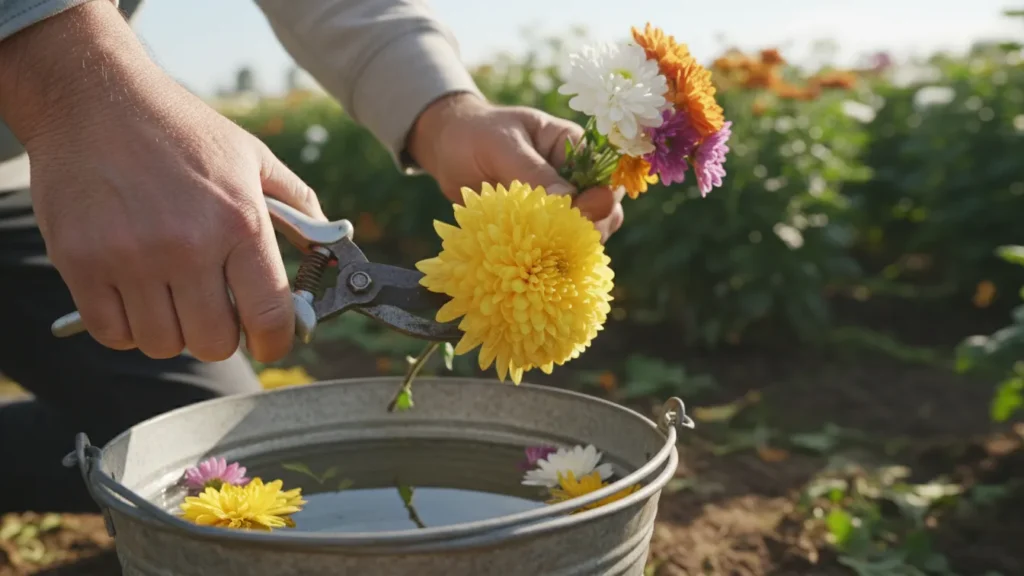
Want cut flowers? Here’s how:
- Cut when flowers are fully open
- Remove lower leaves
- Cut stems at an angle
- Place immediately in water
- Change water every 2-3 days
Chrysanthemum cut flowers last 7-10 days in a vase. Additionally, frequent harvesting encourages more blooms.
Frequently Asked Questions
Can you grow chrysanthemum from seeds?
Yes, but it takes longer. Start seeds indoors 6-8 weeks before last frost. However, most gardeners prefer plants or cuttings for faster results.
How long do chrysanthemums bloom?
Most varieties bloom for 4-6 weeks in fall. Deadheading extends the display.
Do mums attract pollinators?
Yes! Chrysanthemums attract butterflies and beneficial insects. They’re valuable late-season nectar sources.
Can you keep potted mums indoors?
While they’re indoors, place them in bright, indirect light. However, they’re outdoor plants long-term. After blooming, plant outside or store for winter.
Why didn’t my mums come back?
Common reasons include:
- Planted in fall (insufficient root establishment)
- Poor drainage
- Non-hardy florist variety
- Severe winter without protection
How tall do chrysanthemums grow?
Most garden varieties reach 1-3 feet tall. Height depends on variety and pinching frequency. Regular pinching keeps plants shorter and bushier.
Final Tips for Success
As you learn how to grow chrysanthemum, remember these key points:
- Plant in spring for best winter survival
- Choose hardy garden varieties over florist types
- Ensure excellent drainage to prevent root rot
- Pinch regularly for bushier plants and more flowers
- Water consistently but avoid wet leaves
- Don’t cut back in fall – wait until spring
- Protect in winter with mulch after ground freezes
- Divide every 2-3 years to maintain vigor
With proper care, chrysanthemums reward you with spectacular fall color year after year. Start with just a few plants. Once you see how easy they are, you’ll want more.
Ready to Start Growing?
Now you know exactly how to grow chrysanthemum from start to finish. These tough, beautiful plants add life to autumn gardens when everything else is winding down.
Start planning your chrysanthemum garden today. Pick a sunny spot, prepare the soil, and order some hardy varieties. Next spring, plant them following this guide.
By fall, you’ll have gorgeous blooms to enjoy. Moreover, with proper care, those same plants will come back bigger and better every year. That’s the beauty of knowing how to grow chrysanthemum successfully!
And once your garden is glowing outside, you can balance things indoors with the calming greenery from Four Unique Bathroom Plants That Can Boost Your Health.
What chrysanthemum variety will you try first? Share your growing plans and questions in the comments below!