24 Bold Split Dye Hair Color Ideas for a Show-Stopping Look
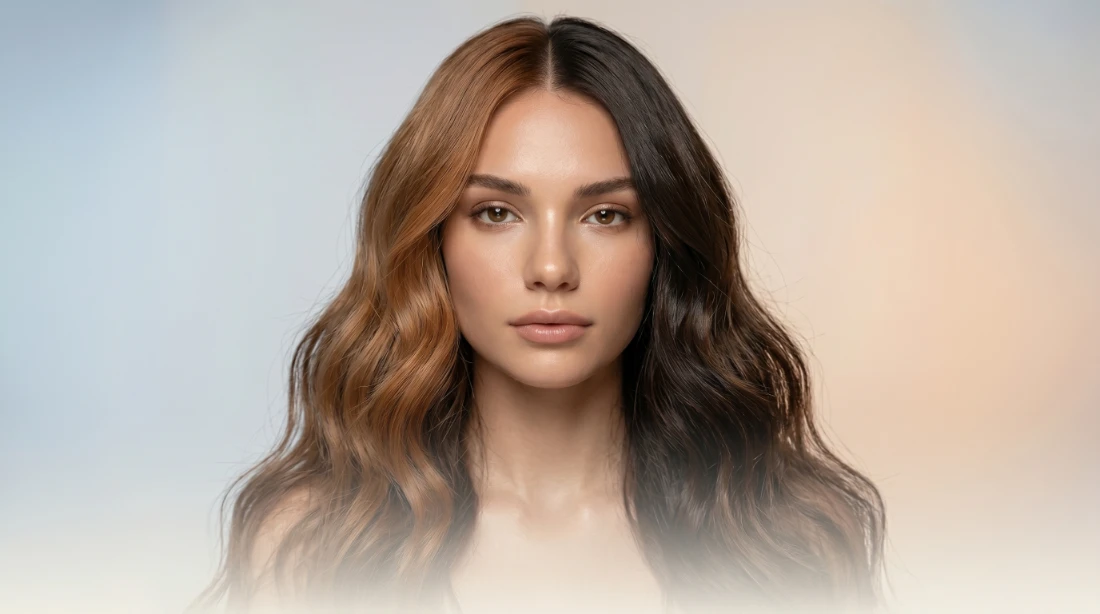
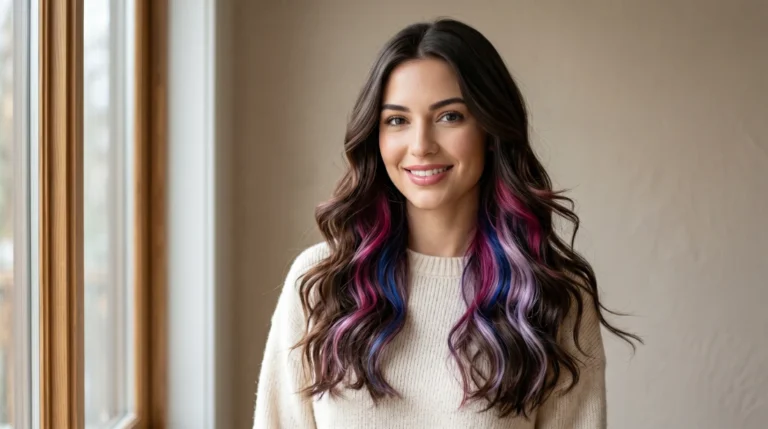
Split dye hair is the color trend that doesn’t ask for permission. Two contrasting shades, divided by a sharp or softly blended line, create instant visual drama — equal parts art and attitude. Once confined to alt-beauty corners of the internet, bold split dye hair color ideas have stormed into the mainstream, showing up on runways, ad campaigns, and street style feeds everywhere.
What makes it work is contrast itself. Platinum against jet black feels sharp and a little dangerous. Caramel against copper feels warm and romantic. Same technique, totally different mood — which is exactly why this trend has so much range.
If you’ve been collecting screenshots for “someday,” consider this your push. Below are 24 bold split dye hair color ideas, from understated to maximalist, to bring straight to your colorist.
Choosing Your Split: A Quick Guide by Face Shape and Texture
Oval face: Most placements work well here. A centered split gives a clean, symmetrical finish, while an asymmetrical line adds extra visual interest without disrupting your already-balanced proportions.
Heart face: Keep the darker tone near the crown and let it lighten toward the jaw — this balances a narrower chin. Avoid heavy contrast right at the temples, since it can draw too much attention to forehead width.
Square face: A diagonal or off-center split softens strong angles better than a hard center part, which can echo your jawline and read as overly severe.
Round face: A vertical, center-part split creates the illusion of length. Skip horizontal color breaks around ear level, since those tend to widen the face visually.
Fine hair: Color contrast tricks the eye into reading more density, giving the appearance of thicker hair without adding a single layer.
Thick hair: You have the volume to handle high-drama pairings like electric blue against bleach blonde — the weight of thick hair gives split dye a rich, velvety finish.
Curly hair: The color boundary blurs naturally along your curl pattern, creating a soft, diffused transition even without professional blending, while each curl’s definition gets highlighted by the contrast.
Straight hair: This is the cleanest, most graphic version of the trend. The boundary stays crisp and visible, which makes the whole look feel polished and editorial.
24 bold split dye hair color ideas
1. Obsidian & Platinum
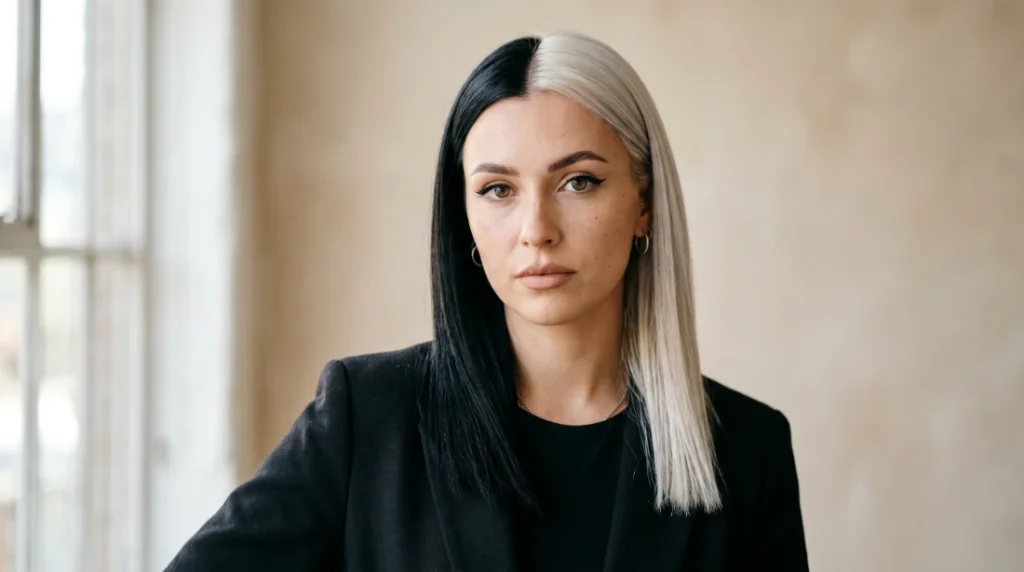
Jet black on one side, incandescent white-blonde on the other, split by a precise center part from root to tip. It’s maximum contrast with minimal complexity — ideal for fine or limp hair that needs an instant visual jolt without a single cut or volumizing product.
Pro tip: Apply a smoothing, bond-repairing serum to each side separately before blow-drying so both colors read at full depth, then lock everything in with a shine-enhancing finishing spray.
2. Ember & Ash
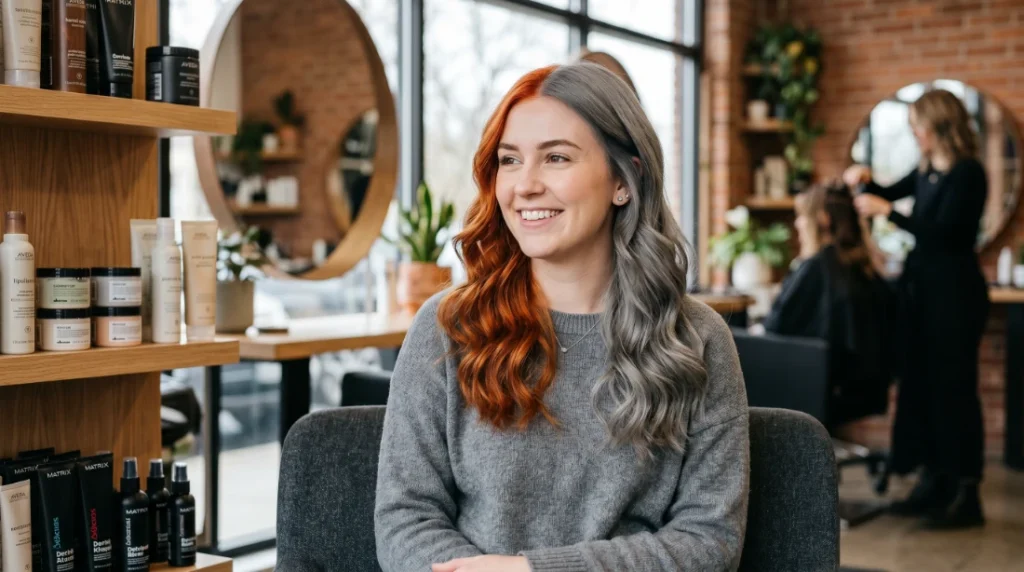
Burnt sienna orange meets cool ash grey, like fire colliding with fog. This pairing adds dimension to otherwise flat single-process color, giving warmth and coolness equal billing instead of forcing a choice between them.
Pro tip: Use a color-depositing conditioner on each half separately in the shower — warm-toned on the orange side, cool-toned on the grey side — to keep both shades vivid between salon visits.
3. Forest & Midnight
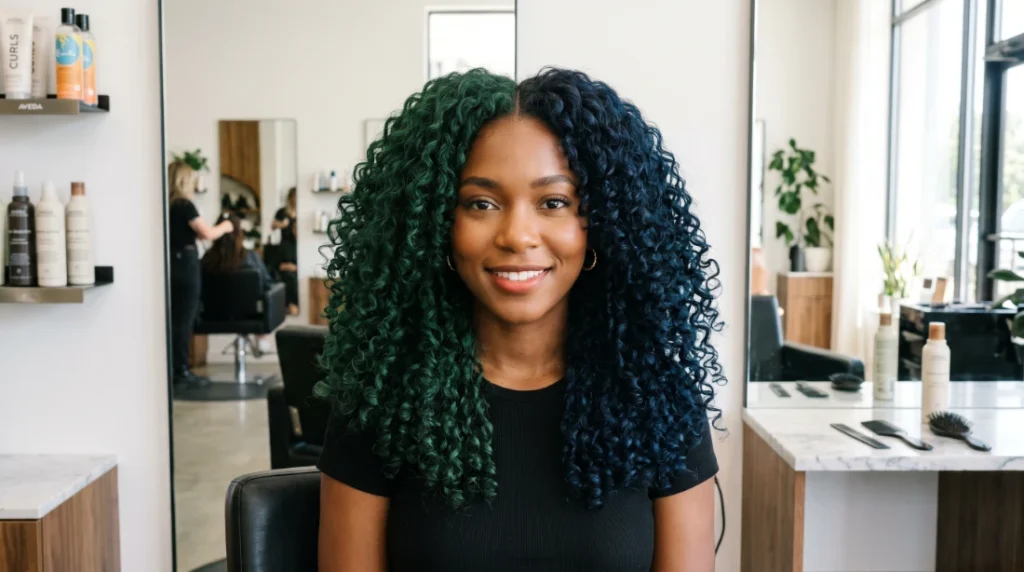
Deep forest green fades into inky midnight blue at the crown, with a softly diffused boundary rather than a hard line. It’s a great option for curly hair, since only half the head needs the heavy lightening a full vivid color would require.
Pro tip: Apply a curl-defining cream to both sides after washing to keep the coil pattern crisp, then diffuse on low heat to preserve definition and color saturation together.
4. Rose Quartz
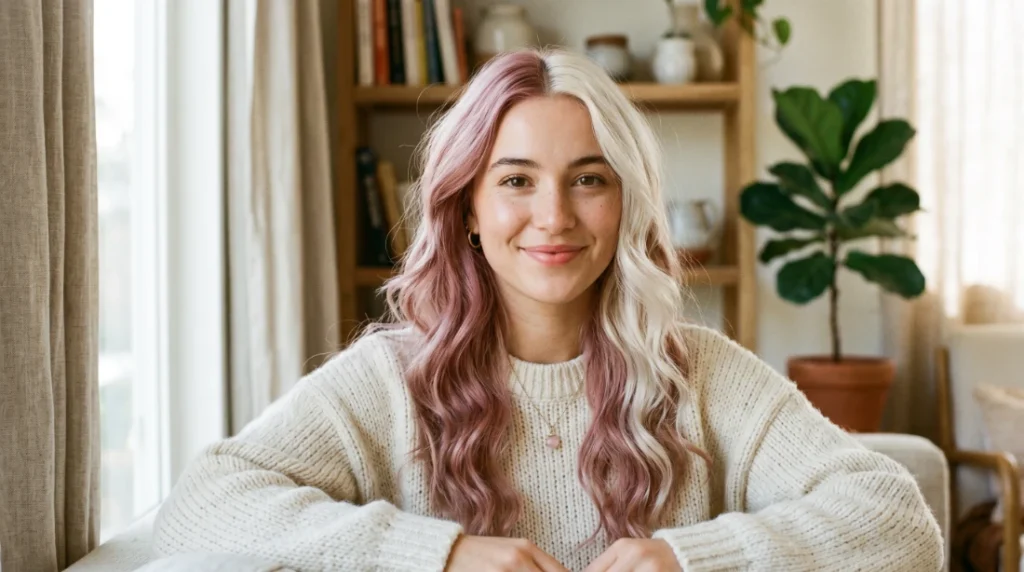
Dusty rose blush sits next to soft ivory-white for a delicate, dreamy combination. It’s a gentler entry point into split dye for anyone nervous about extreme contrast — muted tones read as romantic rather than radical.
Pro tip: Run a purple toning shampoo through the ivory side every third wash to stop it from pulling yellow and keep that porcelain finish intact.
5. Caramel & Espresso
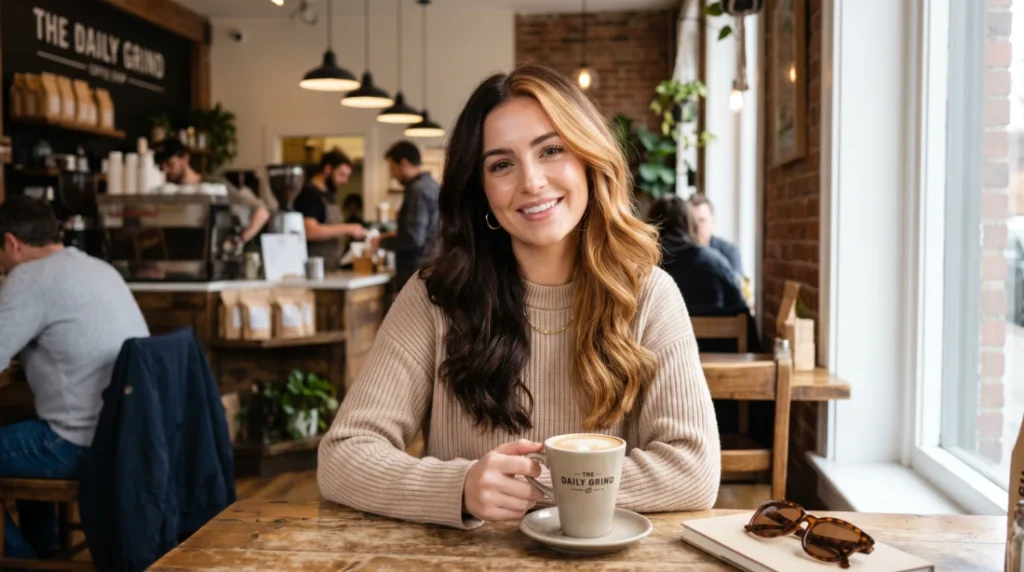
Warm butterscotch caramel against deep chocolate espresso looks like an enhanced, glossy version of natural hair. It’s the most workplace-friendly option here, delivering personality without veering into fantasy-color territory.
Pro tip: Book an in-salon gloss treatment every 8 weeks to keep both sides mirror-shiny, and maintain softness at home with a bond-strengthening leave-in conditioner.
6. Violet & Black
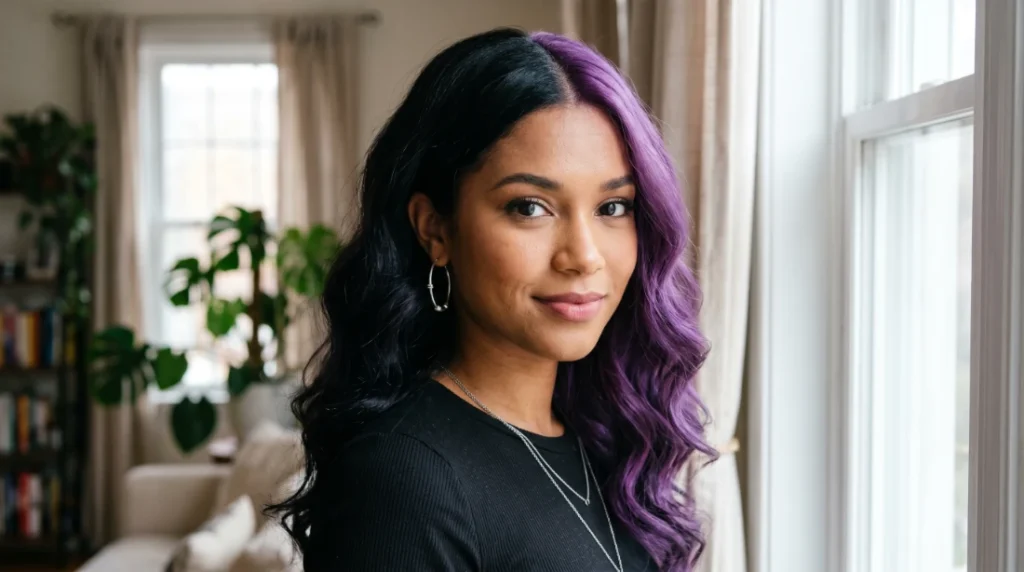
Rich amethyst purple against deep black, with a slightly feathered edge that makes the color look like it’s bleeding through naturally. Only the purple side needs significant lifting, so it adds drama without requiring a full-head lightening process.
Pro tip: Stick to sulfate-free shampoo, wash in cool water, and follow with a purple-specific color-lock conditioner to keep the vivid pigment from washing out fast.
7. Arctic Blue & White
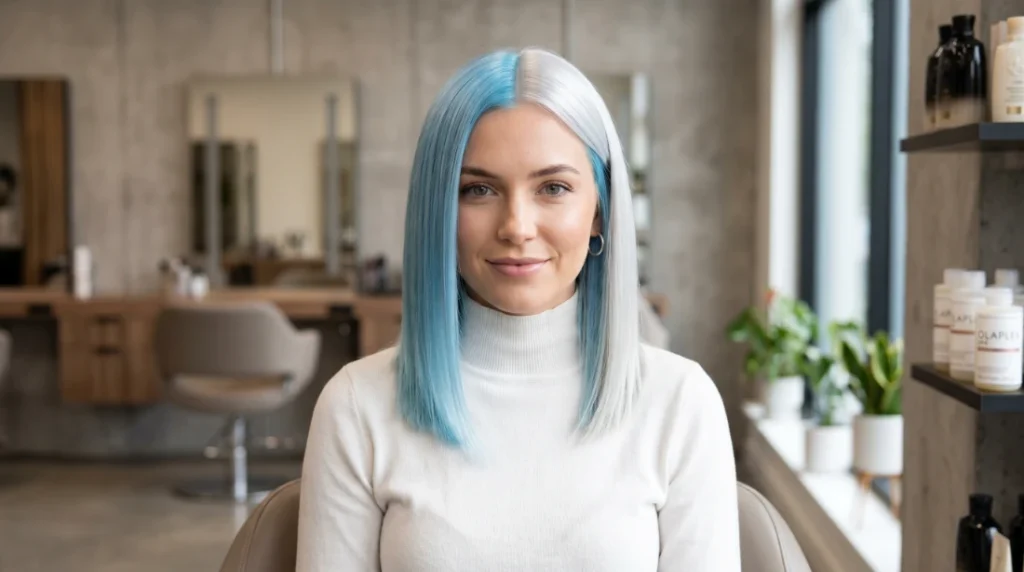
Ice blue paired with glacier white creates a cold, futuristic, almost otherworldly finish. Because both shades sit in the same cool family, the combination feels cohesive instead of chaotic.
Pro tip: Both tones need a strong platinum base, so a weekly bond-repairing treatment mask is essential to keep the hair structurally healthy without losing that glass-hair shine.
8. Copper & Gold
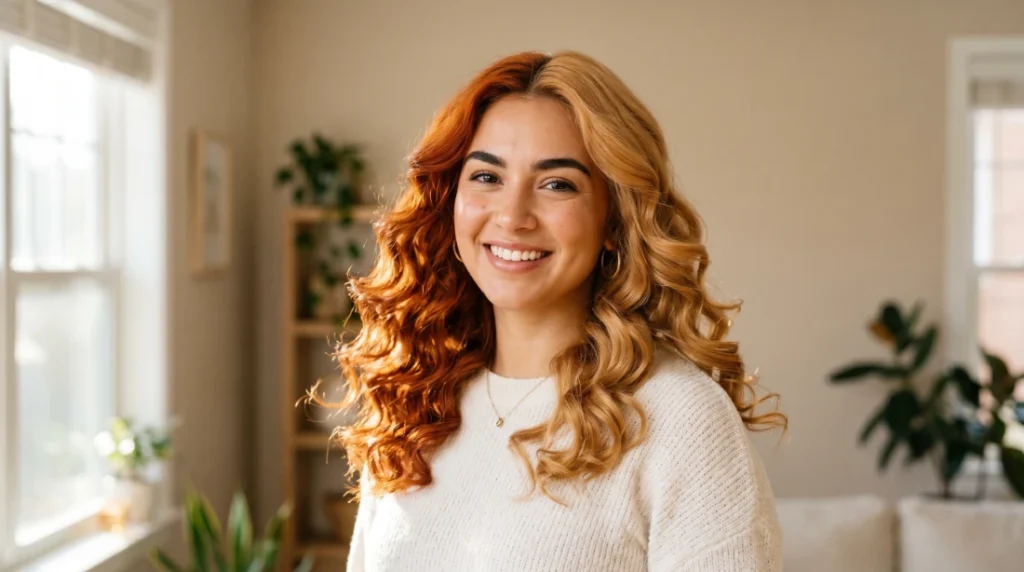
Vivid copper-orange next to pale gold reads like two precious metals worn at once — warm, electric, and a little metallic. It’s especially flattering on naturally red or warm-toned hair, amplifying what’s already there instead of fighting it.
Pro tip: A weekly gloss glaze between color appointments extends vibrancy on both tones, and finishing with an ionic dryer smooths the cuticle for extra metallic sheen.
9. Sapphire & Burgundy
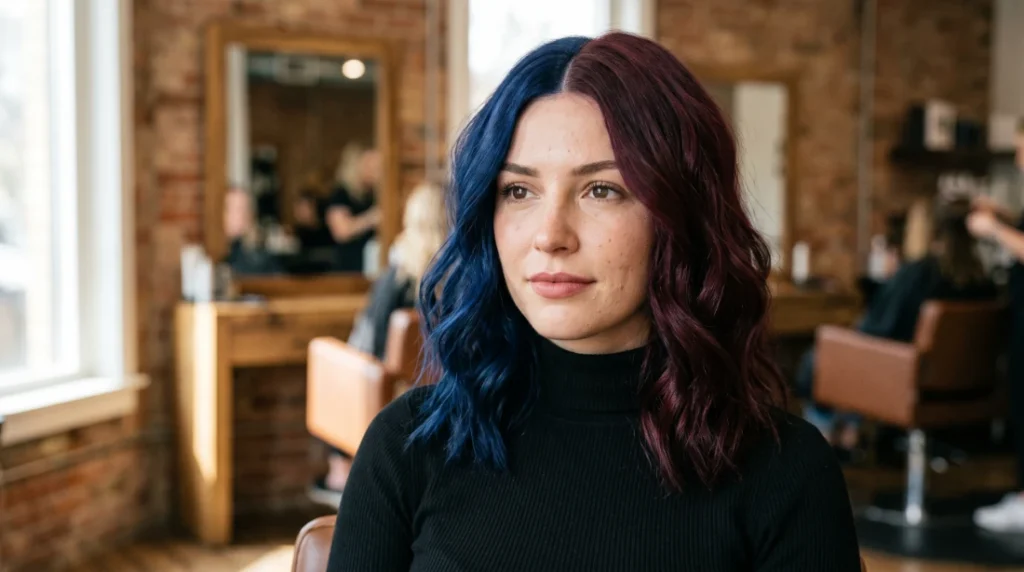
Deep sapphire blue and rich burgundy wine sit side by side as two jewel tones, creating an opulent, regal color story. Brunettes can pull this off with less bleaching, since both shades show up well even over a partially lifted base.
Pro tip: Switch to a silk-lined sleep cap — cotton pillowcases create friction that can fade vivid color up to 40% faster.
10. Sandy Blonde & Terracotta
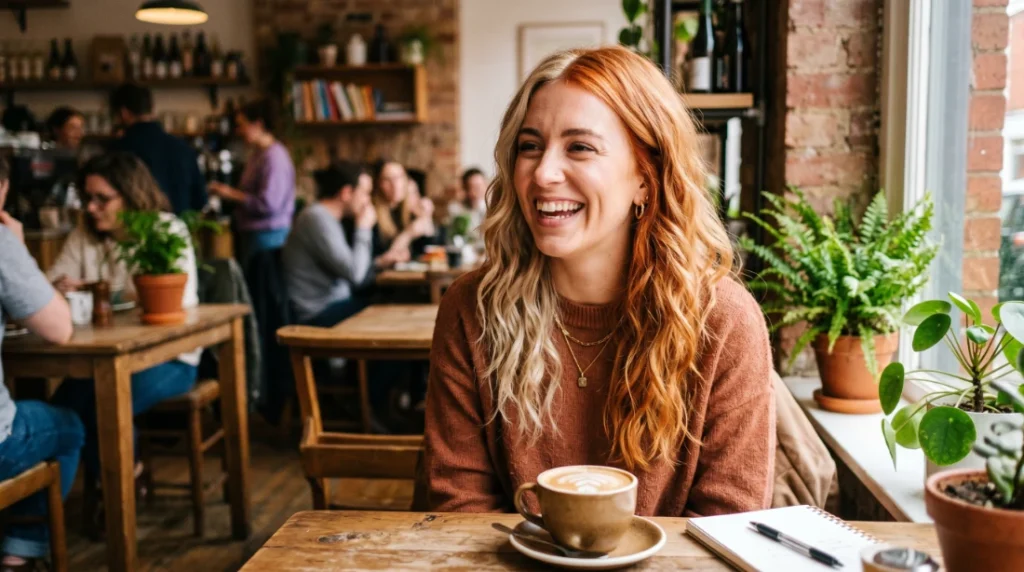
Sandy blonde meets warm terracotta rust for an earthy, sun-soaked combination reminiscent of a canyon at dusk. Because both tones are warm, this is one of the more forgiving options as your natural color grows out.
Pro tip: Scrunch a texturizing sea salt spray through damp hair and air-dry for an effortless, beachy movement that suits this pairing perfectly.
11. Lime & Hot Pink
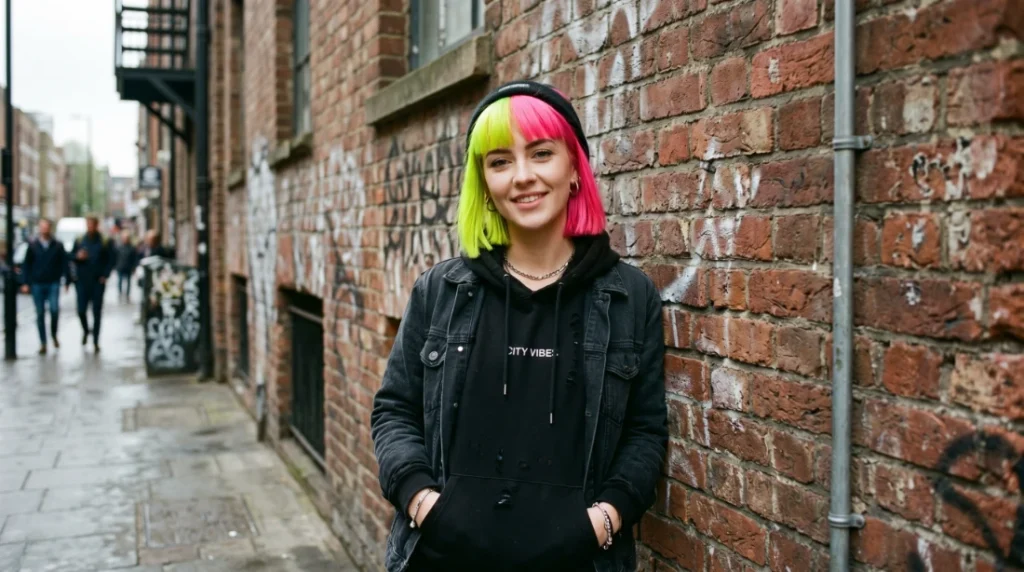
Electric lime green against hot neon pink is color as full-volume statement — loud, joyful, and entirely unconcerned with subtlety. The color does so much visual work on its own that it doesn’t need an elaborate cut to back it up.
Pro tip: These shades fade quickly under UV exposure, so spritz on a UV-protective hair mist before heading outdoors to stretch the time between refreshes.
12. Shadow Root & Brunette
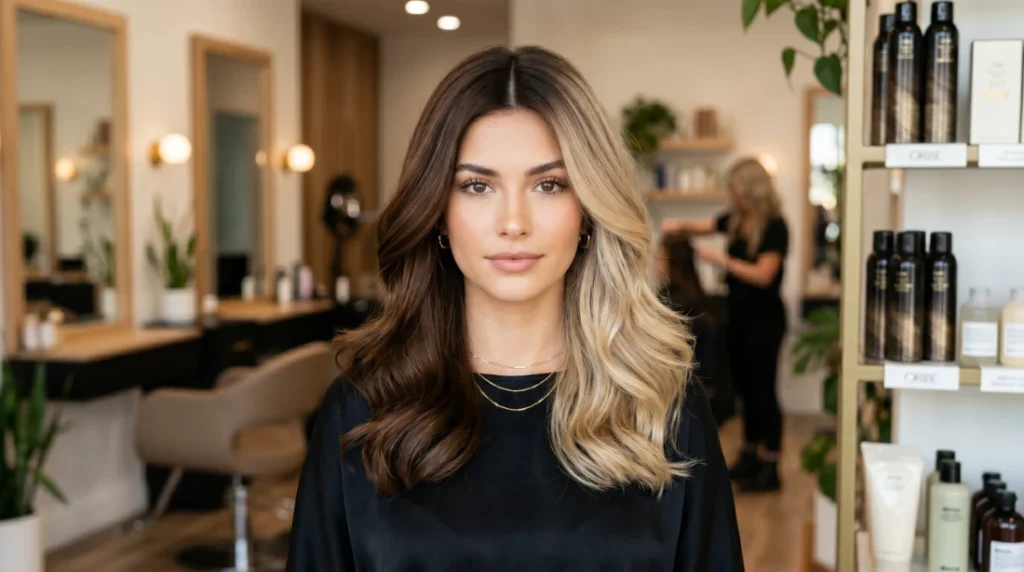
One side fades from a deliberately dark root into blonde; the other stays a solid, rich brunette. The result feels painterly and intentional, while strategically leaving natural regrowth on one side cuts down on how often you need touch-ups.
Pro tip: Touch up the shadow side between appointments with a root-darkening spray so the contrast always looks deliberate rather than like neglected regrowth.
13. Smoky Grey & Honey
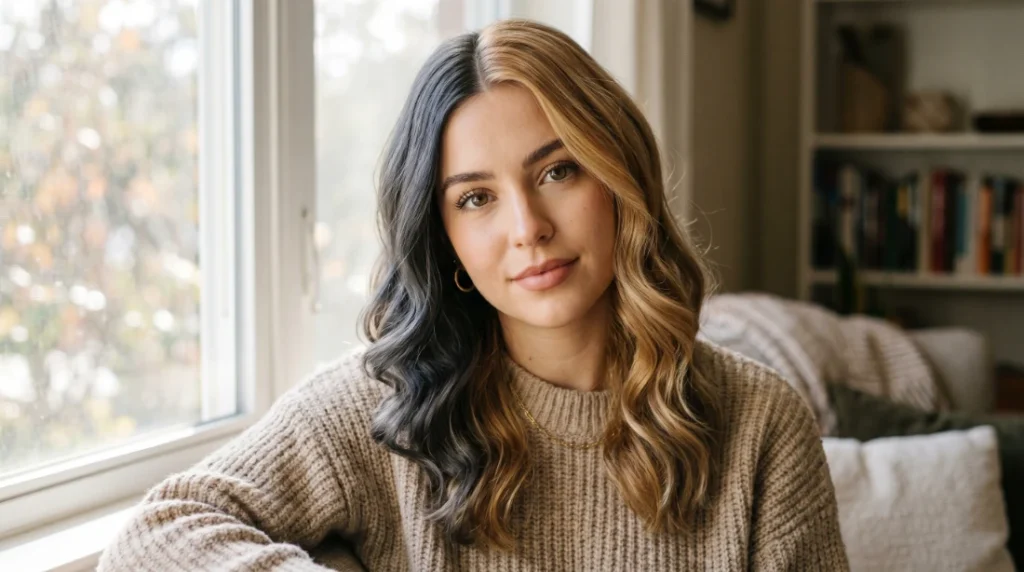
Cool smoky grey meets warm golden honey — two tones that shouldn’t logically pair well but somehow click. It’s a strong option for anyone with mixed warm and cool undertones who’s never found one single shade that felt completely right.
Pro tip: Use a blue-pigmented toning shampoo only on the grey side so it stays balanced without pulling the honey side off course.
14. Navy & Lavender
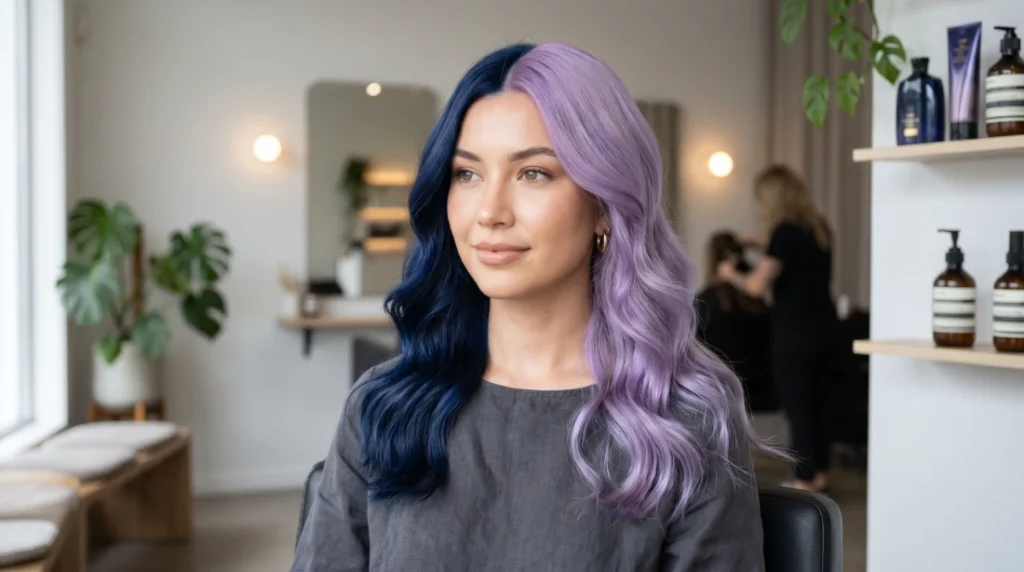
Deep navy blends into a soft lavender mist, evoking the exact moment between sunset and full dark. Because both colors share a cool undertone, the transition can be blended rather than razor-sharp, giving you drama without a harsh line.
Pro tip: Style with loose beach waves using a wave-enhancing foam, then diffuse on low heat for soft, otherworldly movement that plays up the gradient effect.
15. Biscotti & Roasted Brown
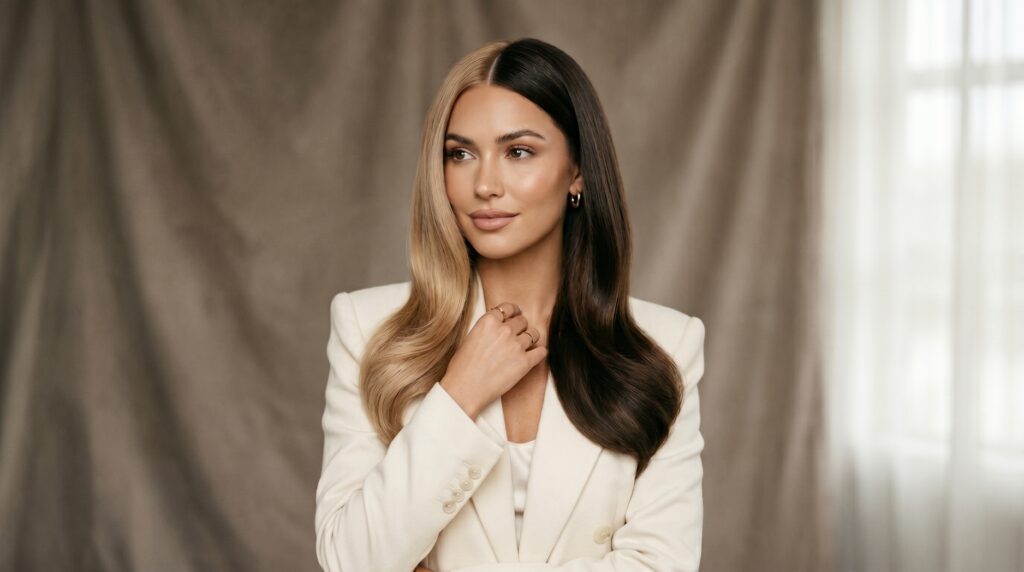
Light biscotti beige sits against deep roasted espresso brown for an understated, coffee-shop-chic finish. It’s arguably the most office-appropriate split dye on this list — dramatic in concept, subtle in execution.
Pro tip: A blowout with a round brush finished with shine serum gives this combination a polished, editorial quality suited to both boardrooms and brunches.
16. Cherry Red & Black
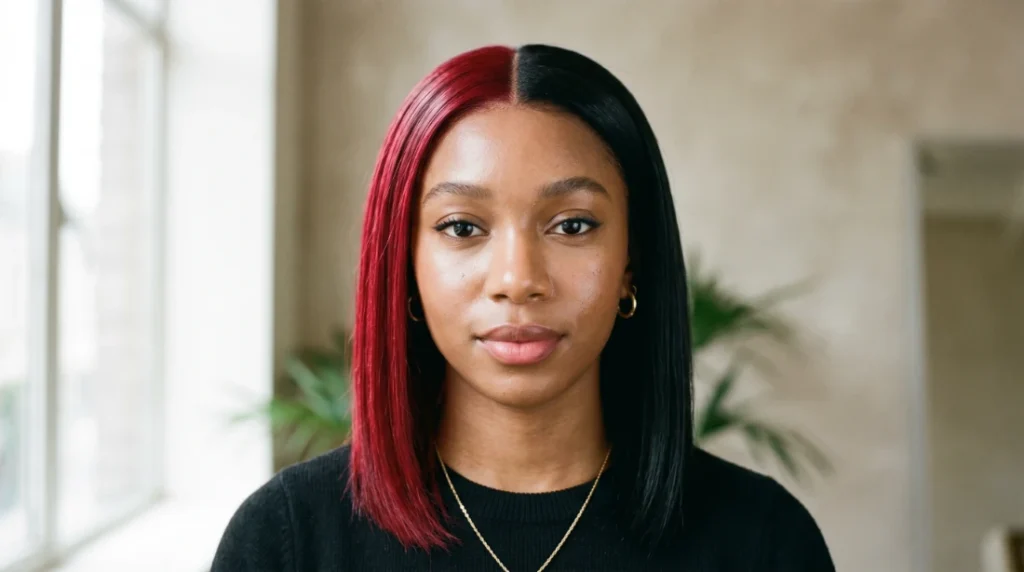
Vivid cherry red against natural black is bold, iconic, and full of visual tension. Since only one half needs lightening, it delivers serious color impact with relatively minimal chemical processing.
Pro tip: Use a red-specific color-depositing mask weekly on the red side to keep it vibrant instead of fading toward a dull brick tone.
17. Chrome & Pearl White
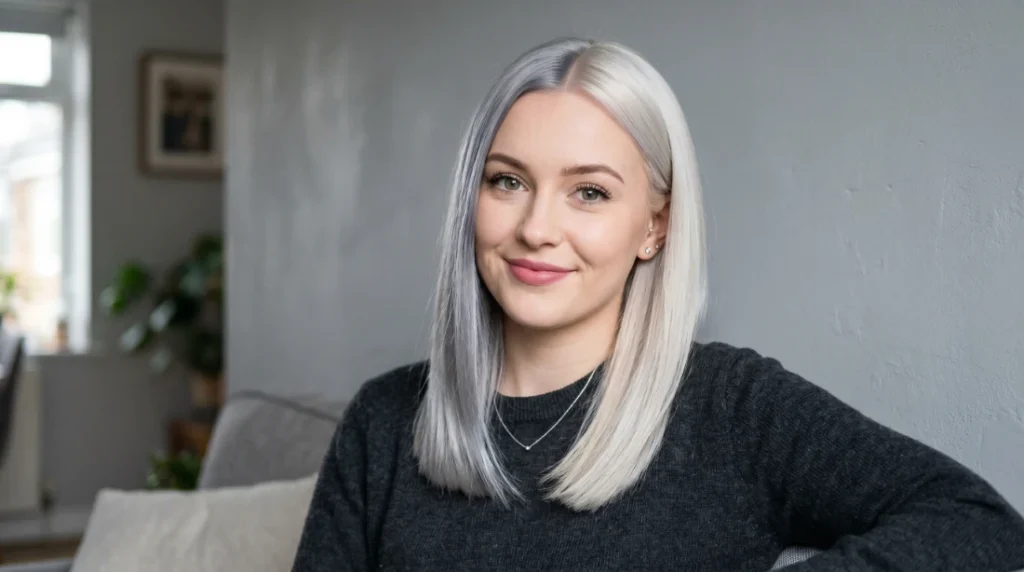
Polished chrome silver next to soft pearl white creates a refined, slightly androgynous finish. It’s an elegant way to lean fully into a silver aesthetic if you’re already embracing natural grey.
Pro tip: Use a purple toning shampoo on both sides to prevent yellowing, then follow with a hydrating keratin mask to offset the dryness that comes with heavy lightening.
18. Mahogany & Auburn
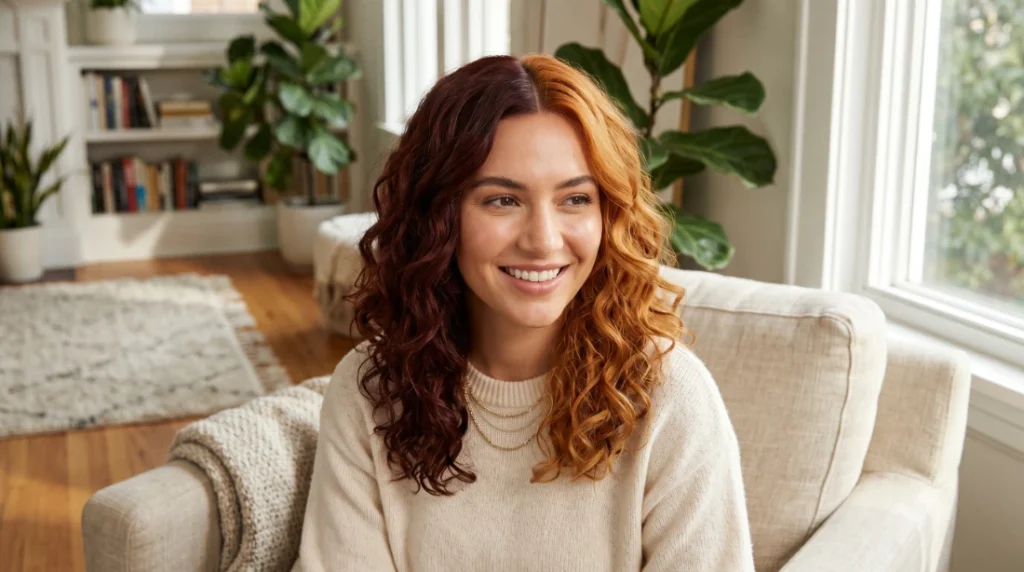
Rich mahogany red-brown pairs with warm golden auburn for a tonal, dimensional look that feels deeply intentional rather than experimental. It mimics the depth of a full highlighting service while requiring far less time in the chair.
Pro tip: Brush with a boar bristle brush to distribute natural scalp oils from root to tip, boosting shine on both warm tones without product buildup.
19. Teal & Turquoise
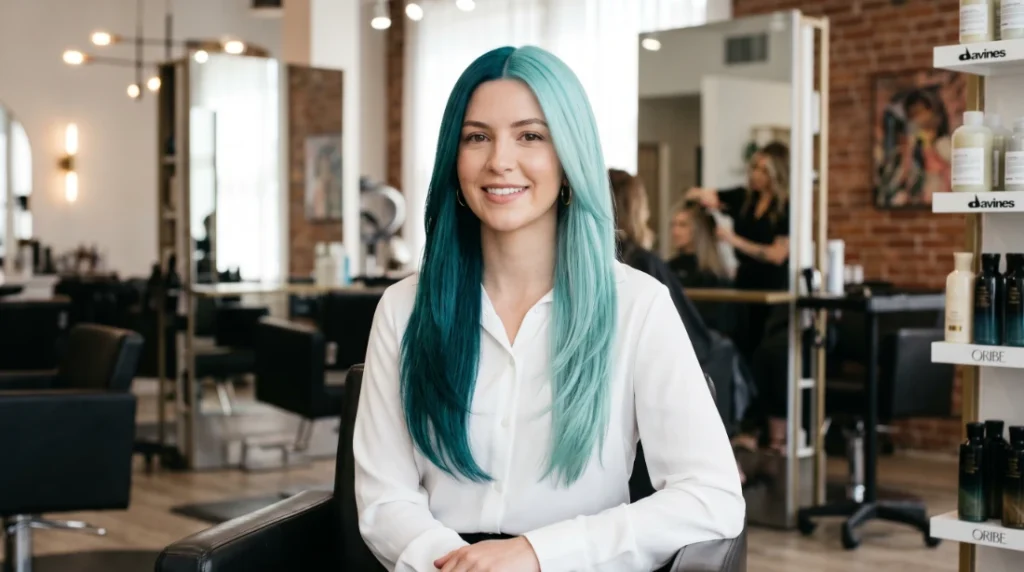
Deep ocean teal and pale icy turquoise sit in a true split rather than a blended gradient, creating structure and depth. It’s especially effective on straight, fine hair, where color placement alone can create the illusion of movement.
Pro tip: Use color-safe dry shampoo between washes to extend both tones while giving fine hair the root lift it needs.
20. Strawberry Blonde & Sepia
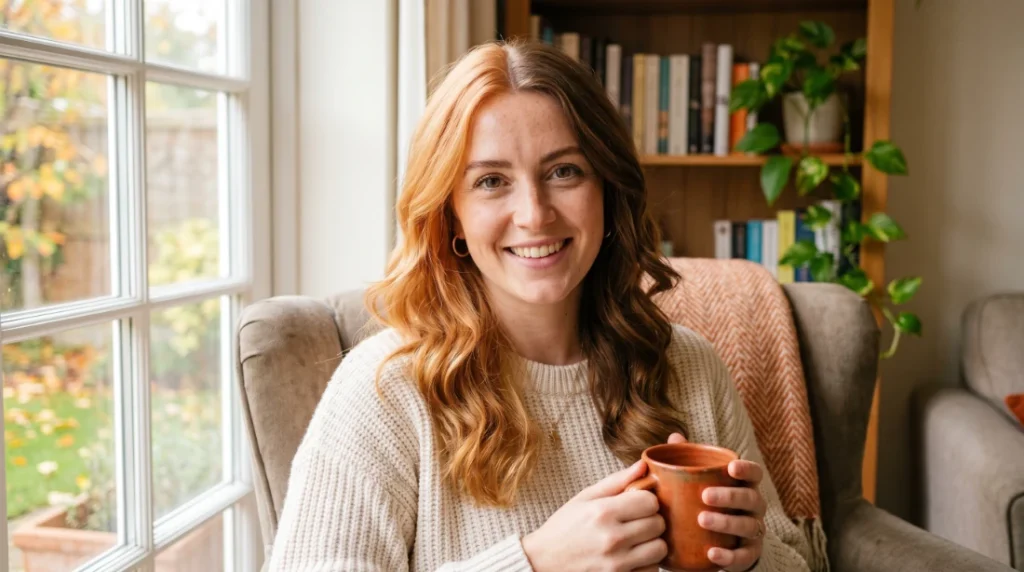
Faded strawberry blonde meets warm sepia brown for a soft, nostalgic combination that looks like a vintage photograph come to life. It also happens to be the lowest-maintenance option on this list, since it grows out gracefully.
Pro tip: Style loose, undone waves with a texturizing mist and a wide-barrel waving iron to complete the soft, effortless aesthetic.
21. Mauve Orchid & Black
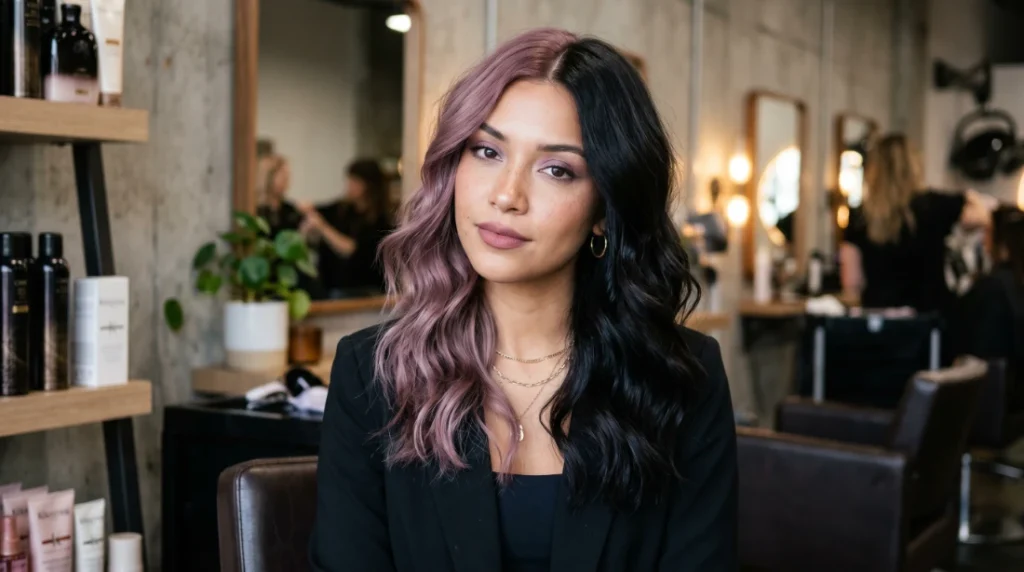
Soft mauve orchid against deep black keeps the look moody and sophisticated rather than overly sweet. The black half anchors the mauve, pushing the overall vibe toward mature and editorial instead of girlish.
Pro tip: Refresh the mauve side weekly with a mauve color-depositing conditioner — it requires zero extra processing time.
22. Gold & Bronze
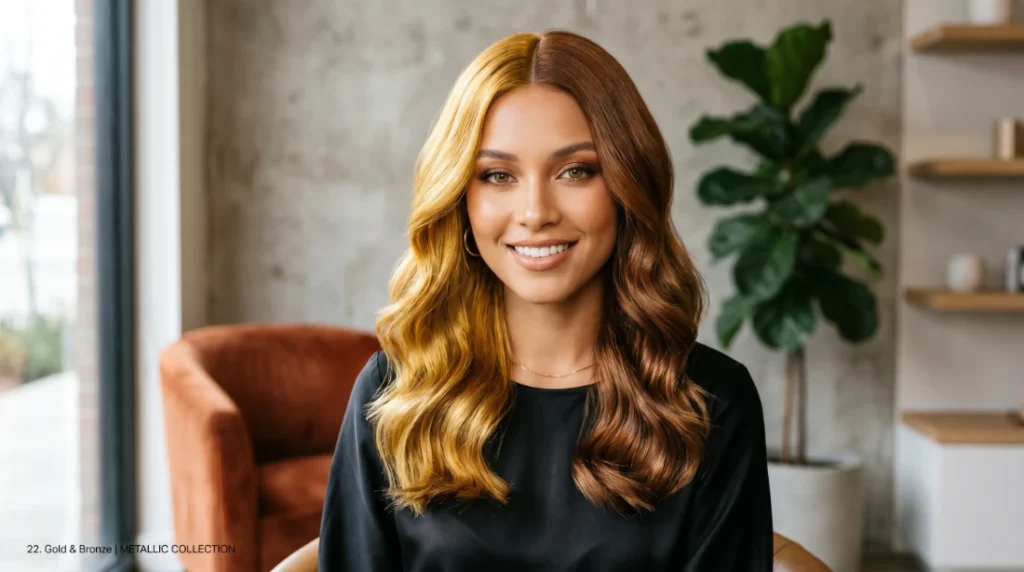
Bright, almost metallic gold meets deep bronze for a rich, regal, sun-touched finish. It’s particularly flattering on warmer skin tones, since it enhances rather than competes with natural complexion.
Pro tip: A glossing treatment seals both tones under a mirror-shine finish; follow with a lightweight shine oil on mid-lengths and ends to lock in the metallic effect.
23. Sea Blue-Black & Seafoam
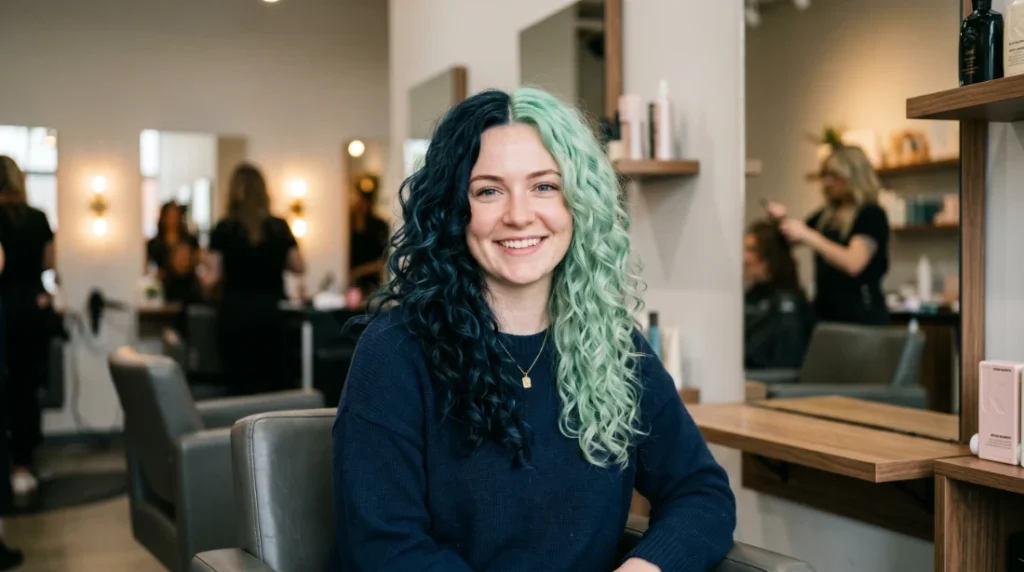
Deep sea blue-black pairs with seafoam turquoise-green for an aquatic, almost mythological color story. Because both shades share the same watery DNA, the combination feels cohesive even without a hard-contrast boundary.
Pro tip: Use a hydrating leave-in with silk proteins to replenish moisture after heavy lightening, and detangle gently with a wide-tooth comb rather than a brush on wet hair.
24. Natural Brunette & Platinum
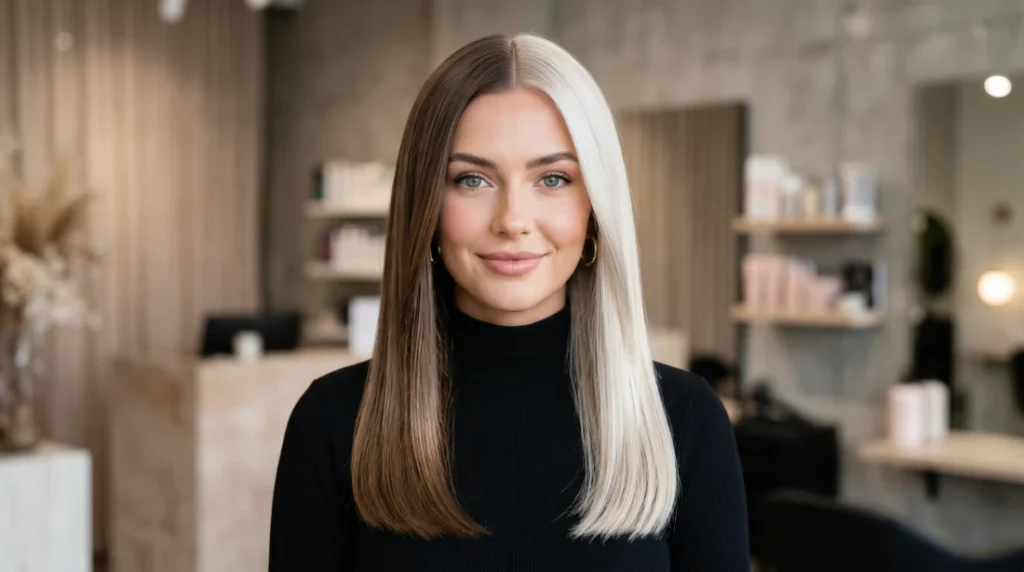
One side stays a completely natural, unprocessed dark brunette; the other is bleached to a stark platinum. The contrast is striking in its simplicity, and it’s the most protective option on this list since half the hair avoids chemical treatment entirely.
Pro tip: Apply a bond-repairing foam exclusively to the platinum side before heat styling — it acts as internal scaffolding, preventing breakage while letting both sides style seamlessly as one look.
Keeping Bold Split Dye Looking Sharp
Split dye lives or dies by its boundary line, so book touch-ups every 6–8 weeks rather than stretching to 12. Use two separate shampoos — a blue-toning formula for cool sides, a warm-enhancing one for the other — since one product can’t serve both halves equally. Switch to a silk or satin pillowcase to cut down on fading from friction, wash only 2–3 times a week to preserve pigment, and deep condition strategically: a bond-repair mask on the more heavily processed side, a lighter moisture treatment on the natural side.
Frequently Asked Questions
Does split dye damage hair? It depends on the combination. Pairing natural dark hair with bleached platinum stresses only one side chemically, making it gentler overall than a full-head bleach. Vivid-on-vivid combinations using semi-permanent dye tend to cause minimal damage either way.
Can I do split dye over already-colored hair? Yes, though your colorist may need to remove existing color on one side first depending on your history. Be upfront about previous treatments so they can plan accordingly.
How often does it need touch-ups? The boundary line typically needs refreshing every 6–8 weeks. Vivid shades like blue, pink, or purple fade faster and may need a pigment refresh every 4–6 weeks at home.
Does it work on short hair? Yes — often more dramatically. Shorter cuts make the color placement even more graphic and architectural.
Will this trend feel dated soon? Color placement techniques tend to be more timeless than specific shades or cuts. Executed well, split dye reads as a deliberate style choice rather than a passing trend.
You’re right, missed that. Here’s the complete version with the pro styling tip included for every style.