Screen Free Activities for Adults: 12 Fun Ideas
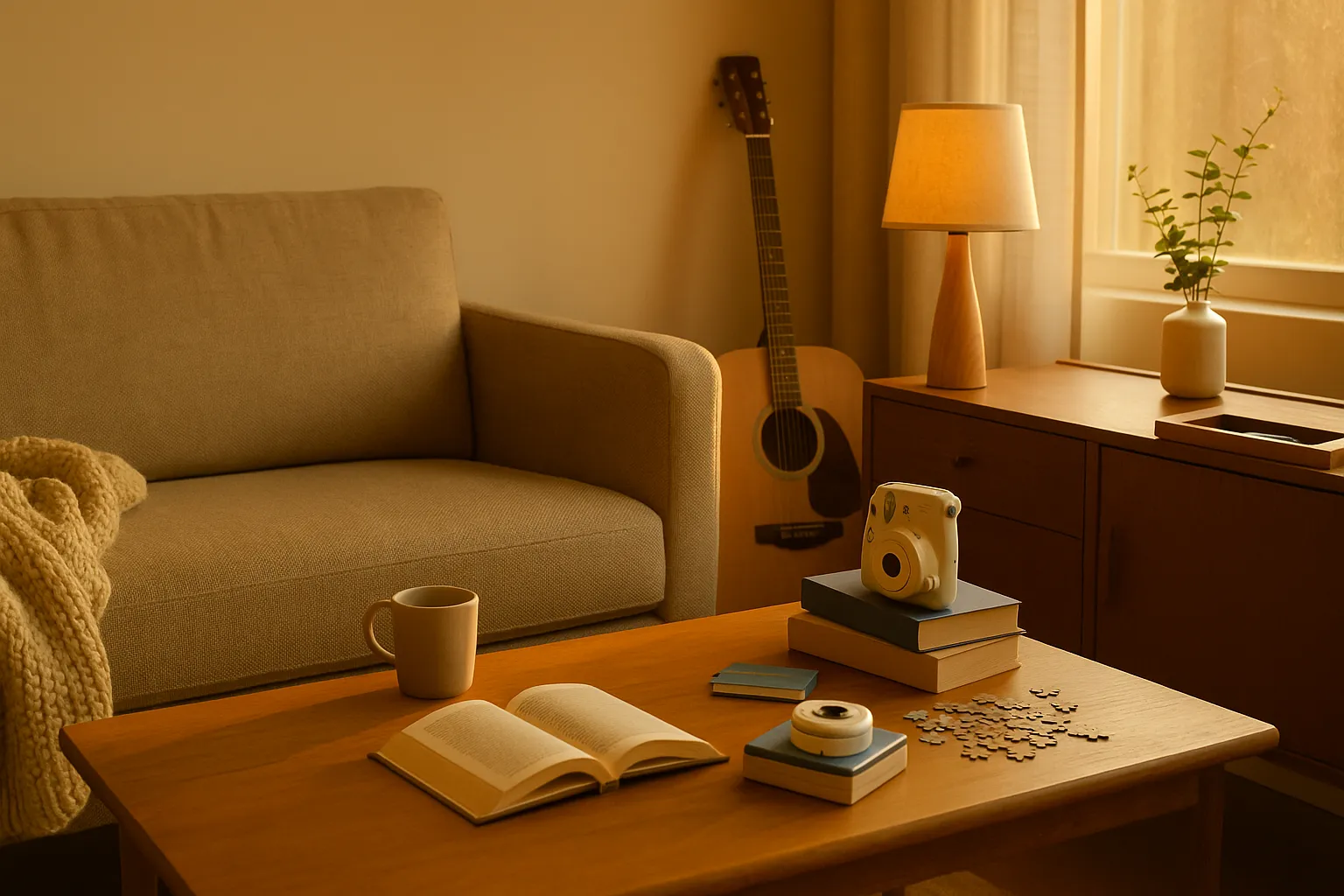
You know that twitchy, glazed feeling after a long day of scrolling? When your brain feels loud, your eyes feel tired, and your to-do list is somehow bigger than before? That’s your cue. It’s time to unplug—gently, not perfectly—and try screen free activities for adults that actually fit a real, busy US day. Not a bootcamp. Not a digital detox ultimatum. Just cozy, low-effort ideas that make evenings feel like yours again.
Here’s the promise: you won’t need special gear, a weekend retreat, or a new identity. Most of these take 30–60 minutes, cost little to nothing, and still feel like a reset. Think: calmer nervous system, better sleep, easier mornings. Use this list like a menu. Pick one tonight. Rotate a few on weekends. And when you slide back into old habits (we all do), just start over—no drama required.
Below are 12 screen-free wins that photograph well, host well, and feel good on ordinary weeknights.
Screen Free Activities for Adults: Why This Works
Screen free activities for adults give your brain a break, your eyes a rest, and your mood a quiet reset. Start tiny—one walk, one letter, one puzzle corner. Put your phone in another room for an hour and see how different the evening feels.
Here are some fun activities for you to try.
1) Neighborhood sunset walk (no headphones)
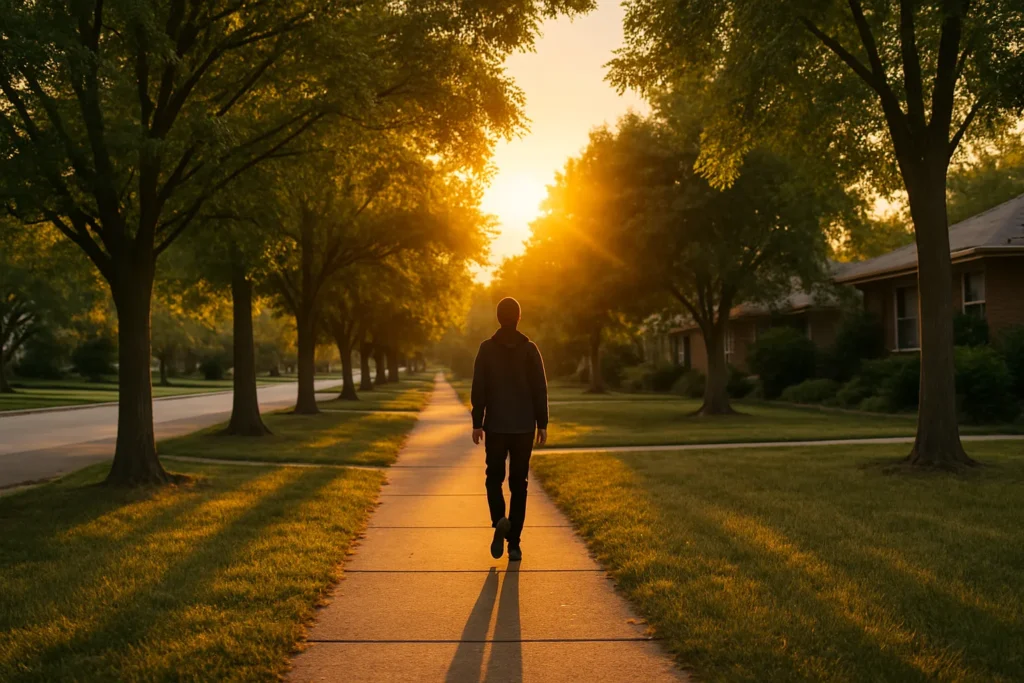
There’s something about stepping outside right as the light softens. You’re not training for anything; you’re letting your brain shake off the day. Leave the headphones at home so you can hear the world: sprinklers, birds, the hum of a porch conversation. It’s a simple way to interrupt the urge to scroll after dinner.
Choose a loop you can repeat without thinking—around the block, to the corner store and back, down to the park and home. Consistency matters more than distance. If you want a little structure, set a timer for 20 minutes out and 20 back. That’s a full episode of calm.
Pro tip: carry a small “noticing” game—find five shades of green, three textures on the same street, or two friendly dogs. Your attention shifts outward, and your body follows.
2) Library date with a blind-book pick

Public libraries are an underrated miracle. You walk in with nothing but a card, and you leave with fresh stories, cookbooks, essays, travel guides—free. Make it an evening ritual once a week: return what you skimmed, grab one new thing, and choose one “mystery” book solely by its first page or dust-jacket vibe.
Give the new book ten pages at home before you judge it. If it’s a no, no guilt—back it goes next week. The point isn’t perfection; it’s building a habit where your brain gets to wander without a backlight.
On your way out, peek at the community board. Trivia nights, volunteer cleanups, poetry slams—perfect add-ons to other screen free activities for adults later in the month. If you’re craving a bigger reset alongside your library ritual, here’s how to reset your life without overhauling everything.
3) Board-game night for 2–4 players

Forget the marathon strategy epics. Think easy, laugh-friendly games that teach in two minutes and finish in 20–40. Dice games, cooperative card games, party games you can play after dinner without clearing the whole table—those are the keepers.
Make it low prep: water, seltzer, a bowl of popcorn. Rotate who chooses the game so everyone gets a favorite. If you’re solo, many light card games include single-player modes—yes, that counts. The point is replacing “one more episode” with “one more round.”
Keep a little stack by the sofa. When setup friction is low, game night actually happens.
4) Cozy baking hour (one-bowl recipe)

A warm kitchen can calm a frazzled brain fast. Pick one forgiving recipe—banana bread, brownies, skillet cookies, sheet-pan granola—and make it your weeknight ritual. One bowl means less cleanup, which is crucial when energy is shot.
Baking checks a lot of boxes: measuring (focus), aromas (grounding), sharing (connection). Slice a piece, wrap a piece for tomorrow, and text a neighbor if you’ve got extra. It’s comfort that lingers into the next day.
If you’re avoiding sweets, swap in savory: cheddar biscuits, herbed cornbread, or no-knead bread you start tonight and bake tomorrow.
5) Beginner sketchbook session
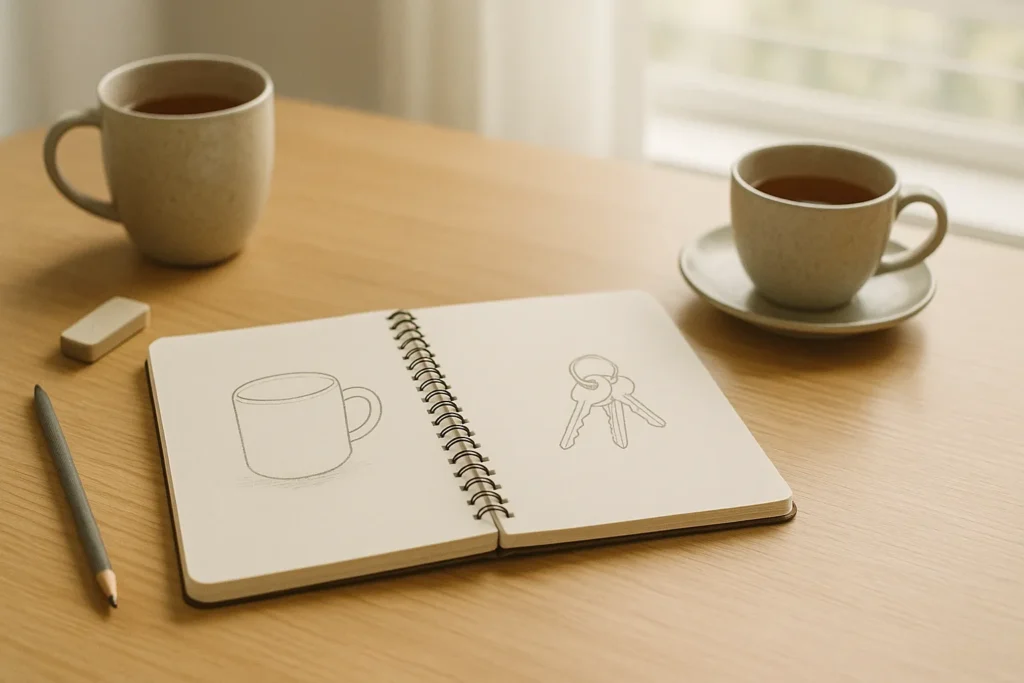
You’re not trying to be “good at art.” You’re trying to let your hands move while your brain rests. Choose a cheap sketchbook and a soft pencil. Draw three everyday objects on the table: your mug, the pepper grinder, your keys. Quick outlines. Zero judgment.
Set a 15-minute timer. Stop when it rings, even if it’s mid-line. You’re training yourself to start, not to perfect. Over time, you’ll look back and see small progress—line confidence, shading experiments, little notes in the margins. That slow, visible growth is addictive in the best way.
Add tea or lo-fi radio if silence feels too loud. But keep the phone in another room.
6) Puzzle-and-tea corner
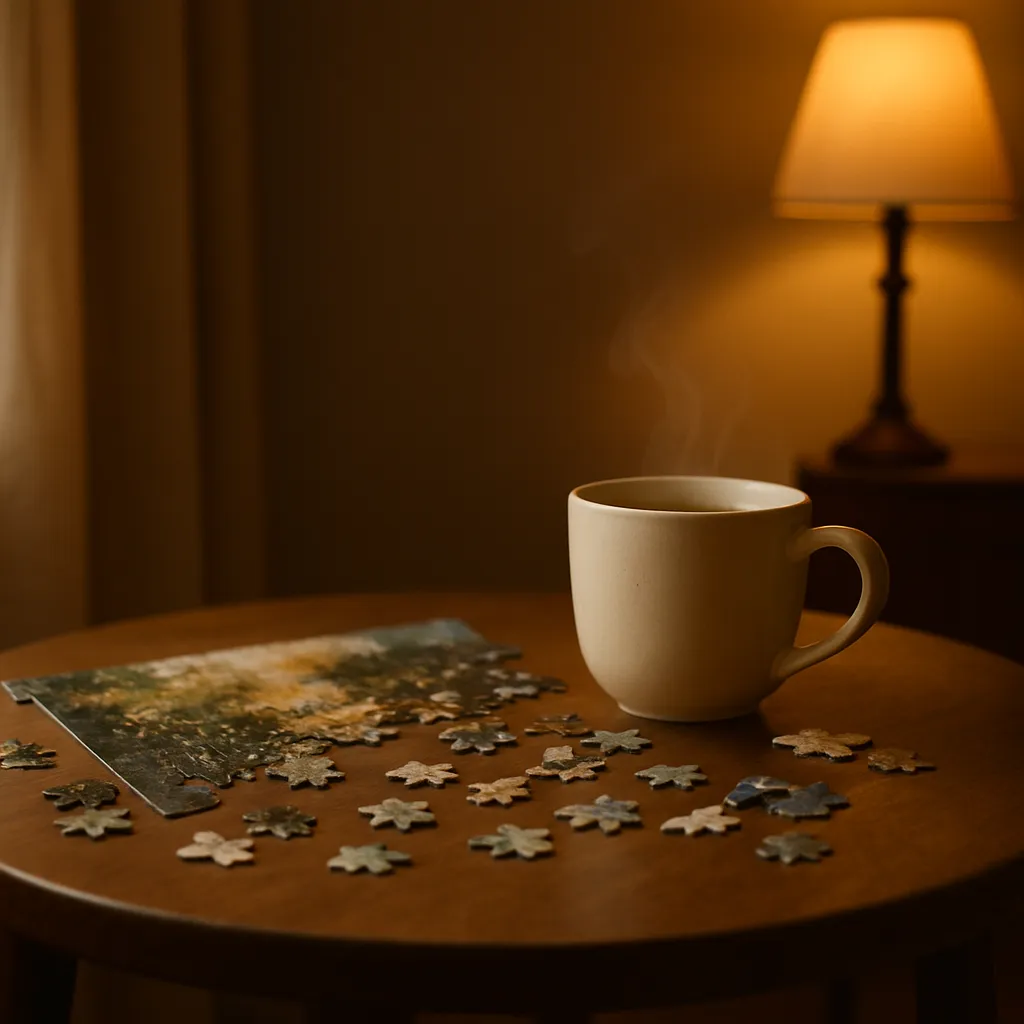
Clear one surface—a side table, a folding card table, the end of a dining table—and declare it the puzzle basecamp. Brew something warm, put on a lamp, and let your hands do the sorting: edges first, colors second, small wins always.
Puzzles are forgiving companions for tired nights. You can talk while you work or sit in friendly quiet. If a thousand pieces feels like a mountain, try 300–500 with interesting art. Finish it in a week and bask in that satisfying last click.
Not a jigsaw person? Swap with crosswords, word searches, or a simple brainteaser book. Same effect: your brain gets to play without a screen.
7) Candlelit stretch + breathwork

Dim the lights, roll a towel or yoga mat on the floor, and move like you’re trying to tell your body, “You’re safe.” Five slow stretches held for 30–60 seconds each can reset a tight back from a day at a desk. Add a simple breathing pattern—inhale 4, exhale 6—for six rounds.
The ritual matters as much as the movement. Candle, soft lamp, maybe a drop of lavender or eucalyptus if you like. This is one of the easiest screen free activities for adults to adopt because it takes less than 15 minutes and pays off at bedtime.
If you sleep hot, end with a cool splash on face and wrists. Your nervous system will thank you. Make it a mini routine: stretch first, then a few night journal prompts for bedtime—the combo helps your brain slip into sleep mode.
8) Pottery, craft, or maker class trial

Novelty wakes you up from autopilot. Sign up for a single session at a local studio: wheel-throwing, hand-building, watercolor, woodworking, glass fusing, even a plant-propagation workshop. You’ll leave with messy hands and a lighter brain.
If classes aren’t in the budget right now, try a DIY kit at home—candles, embroidery, origami, air-dry clay. The goal isn’t a perfect product; it’s the process of making something real in a world that’s overly digital.
Invite a friend who also needs a reset. Shared newness turns into a story you’ll talk about for weeks. If your motivation dips, skim these tiny steps to love yourself again—small wins keep the creative spark alive.
9) Herb potting or balcony gardening
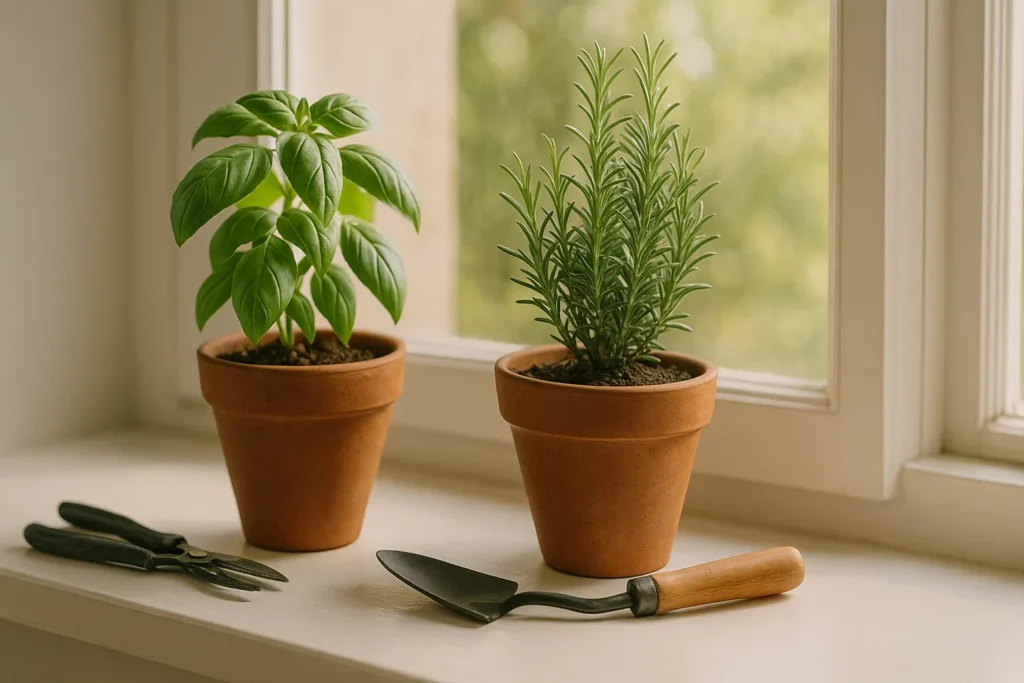
You don’t need a yard to grow something. A sunny windowsill and a couple of pots are plenty. Start with hardy herbs—basil, mint, rosemary, chives—or a small propagation jar with pothos cuttings. Tending to living things pulls you out of your head and into the present.
Set a simple routine: water on Wednesdays, a pinch of pruning on Sundays, rotate the pots every few days. Snip herbs into pasta or eggs and taste your own patience. It’s weirdly moving how something small can make you feel capable again.
If your space is shady, try low-light houseplants and a spray-bottle mister. The micro-ritual is what counts.
10) Photo scavenger hunt—no phone

Pick up a disposable camera, instant camera, or that neglected point-and-shoot in your drawer. Create a short list: three textures, one shadow, one joyful color, a repeating shape, something old, something new. Head out for 30 minutes and shoot only what fits those prompts.
The delayed gratification of developed photos is half the magic. When the prints come back, you’ll see what caught your eye when you weren’t performing for a feed. It’s pure, private creativity.
Make a tiny corkboard gallery in your kitchen. Real photos change the feel of a room.
11) Letter writing to a friend—or to past-you

There’s intimacy in paper that texts can’t touch. Keep a small letter kit ready: envelopes, stamps, a pen you like. Write one page to someone who’s been on your mind, or to a younger version of you who needs a kind word. Mail it or tuck it into a book for later.
Start with simple prompts: here’s one nice thing that happened this week, one thing I learned, one hope I have for us, one memory I never want to forget. You’ll feel your shoulders drop as you write.
If you’re rusty, send postcards. Even four lines can make someone’s day—and yours.
12) Community night: open mic, trivia, gallery, or meetup

Find one recurring local event that doesn’t require a screen and make it your midweek anchor. Coffee-shop open mics, library author talks, brewery trivia, community orchestra rehearsals, art gallery openings—most are free or close to it.
Go with a friend the first time if that helps. Or go alone and be the person who smiles at strangers in line. A life with small, regular gatherings feels bigger and kinder, without the commitment of adding a new hobby you’ll abandon in two weeks.
Put the next one on your calendar before you leave. Future-you will be glad it’s there.
How to make this stick (without going all-or-nothing)
Start with two weeknights and one weekend slot. Put them on the calendar like any other appointment. Choose activities that match your energy levels: movement on restless days, puzzles on foggy days, library runs when you crave variety, baking when you want to share something sweet. Swap as needed. Flexibility keeps the habit alive.
A helpful cue: tie each activity to a trigger you already do. After dinner, walk for 20 minutes. After washing dishes, sketch for 10. When the lamp goes on in the living room, the puzzle comes out. You’re building small rails your attention can glide along without arguing every time.
When you backslide—and you will—skip the shame spiral. Just pick one easy win tonight and consider yourself back on track. This isn’t a performance. It’s a quieter way to live.
What you’ll notice in a few weeks
Sleep gets a little deeper. Evenings feel longer. You have more to talk about than whatever the algorithm served. Your hands remember how to make things. Your brain stops sprinting past bedtime. That hum of “I should do something else” fades because you are doing something else. That’s the real value of screen free activities for adults—not just removing screens, but adding ordinary joys that feed you back.
FAQ
What’s the easiest way to start?
Pick one activity you can do tonight with things you already have—like a sunset walk or a letter. Put your phone in another room for an hour.
How many nights per week should I aim for?
Two weeknights plus one weekend slot is a sweet spot. It’s enough to feel different without blowing up your schedule.
Do audiobooks count as “screen free”?
Yes, if your screen stays dark. Use a simple speaker or set your device face-down with notifications off.
What if I need my phone for safety on walks?
Bring it but keep it in a pocket on Do Not Disturb. The goal is less engagement, not zero safety.
I live alone—will this feel lonely?
Start with solo-friendly activities (baking, puzzles, letters) and add one community night each week. You’ll build gentle social momentum without forcing it.
A gentle invite
Pick one thing from this list and do it within the next 24 hours. Then pick another later this week. That’s it. If you want to go further, build a tiny rotation and keep it visible on the fridge or in your planner. The point isn’t to earn rest; it’s to practice it. When your evenings make room for simple, real-life calm, everything else gets easier.
And if you’re updating your site for SEO, go ahead and use the exact phrase screen free activities for adults a handful of times across the page—title, intro, a couple of headers, and the conclusion are enough. Keep the tone warm and human, like a friend handing you options instead of rules. That’s what sticks.